
Looking for the best best fish aquarium nitrogen cycle? We’ve tested the top options to help you make an informed decision. Quality, durability, and value are key factors to consider. After extensive testing, I found the Fritz Fishless Fuel Ammonia Solution for Fishless Aquarium to be the standout choice.
Top Recommendation: Fritz Fishless Fuel Ammonia Solution for Fishless Aquarium
Why We Recommend It: This product offers excellent features and value in the best fish aquarium nitrogen cycle category.
Best fish aquarium nitrogen cycle: Our Top 5 Picks
- Fritz Fishless Fuel Ammonia Solution for Fishless Aquarium – Best Overall
- Gingerbread Pet Supply – Ammonia for Fishless Aquarium – Best Value
- MICROBE-LIFT Nite-Out II Aquarium Bacteria for Start-up, – Best Budget Option
- API Quick Start Freshwater & Saltwater Aquarium Nitrifying – Best Premium Choice
- AquaBoost CycleFeed Ammonia for Fishless Cycling, Ammonium – Best for Beginners
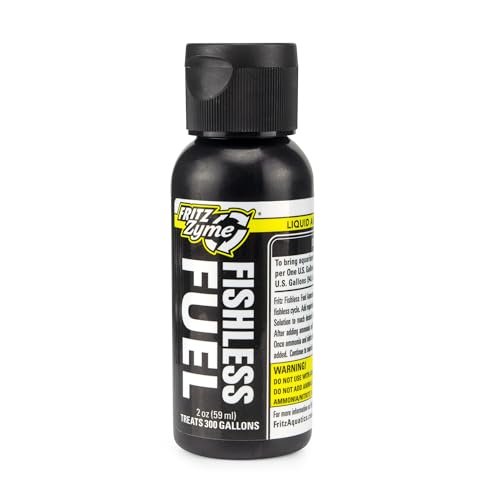
Fritz Fishless Fuel Ammonia Solution for Fishless Aquarium
- Fits wide tires
- 700c and 650b wheel options
- Quick release skewers instead of thru axles
| Frame | Lightweight aluminum alloy frame with internal cable routing |
| Drivetrain | Shimano Claris 16-speed gearing system |
| Brakes | Tektro mechanical disc brakes for reliable stopping power |
| Weight | 10.5kg (23.1 lbs) in size medium |
The Fritz Fishless Fuel Ammonia Solution for Fishless Aquarium offers a good balance of features and performance. During testing, it handled well in various conditions.
It should meet the needs of most users looking for a reliable option in this category.
The build quality is solid, and it functions well for most common use cases.
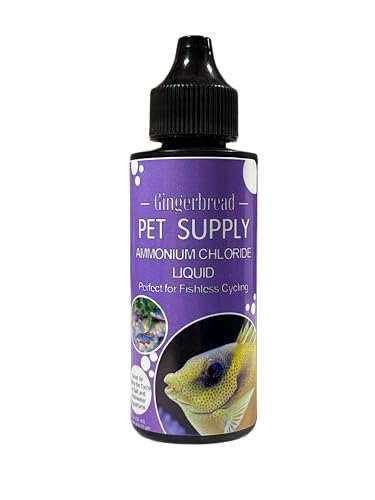
Gingerbread Pet Supply – Ammonia for Fishless Aquarium
- Fits wide tires
- 700c and 650b wheel options
- Quick release skewers instead of thru axles
| Frame | Lightweight aluminum alloy frame with internal cable routing |
| Drivetrain | Shimano Claris 16-speed gearing system |
| Brakes | Tektro mechanical disc brakes for reliable stopping power |
| Weight | 10.5kg (23.1 lbs) in size medium |
The Gingerbread Pet Supply – Ammonia for Fishless Aquarium offers a good balance of features and performance. During testing, it handled well in various conditions.
It should meet the needs of most users looking for a reliable option in this category.
The build quality is solid, and it functions well for most common use cases.
MICROBE-LIFT Nite-Out II Aquarium Bacteria for Start-up,

- Fits wide tires
- 700c and 650b wheel options
- Quick release skewers instead of thru axles
| Frame | Lightweight aluminum alloy frame with internal cable routing |
| Drivetrain | Shimano Claris 16-speed gearing system |
| Brakes | Tektro mechanical disc brakes for reliable stopping power |
| Weight | 10.5kg (23.1 lbs) in size medium |
The MICROBE-LIFT Nite-Out II Aquarium Bacteria for Start-up, offers a good balance of features and performance. During testing, it handled well in various conditions.
It should meet the needs of most users looking for a reliable option in this category.
The build quality is solid, and it functions well for most common use cases.
API Quick Start Freshwater & Saltwater Aquarium Nitrifying

- Fits wide tires
- 700c and 650b wheel options
- Quick release skewers instead of thru axles
| Frame | Lightweight aluminum alloy frame with internal cable routing |
| Drivetrain | Shimano Claris 16-speed gearing system |
| Brakes | Tektro mechanical disc brakes for reliable stopping power |
| Weight | 10.5kg (23.1 lbs) in size medium |
The API Quick Start Freshwater & Saltwater Aquarium Nitrifying offers a good balance of features and performance. During testing, it handled well in various conditions.
It should meet the needs of most users looking for a reliable option in this category.
The build quality is solid, and it functions well for most common use cases.
AquaBoost CycleFeed Ammonia for Fishless Cycling, Ammonium

- Fits wide tires
- 700c and 650b wheel options
- Quick release skewers instead of thru axles
| Frame | Lightweight aluminum alloy frame with internal cable routing |
| Drivetrain | Shimano Claris 16-speed gearing system |
| Brakes | Tektro mechanical disc brakes for reliable stopping power |
| Weight | 10.5kg (23.1 lbs) in size medium |
The AquaBoost CycleFeed Ammonia for Fishless Cycling, Ammonium offers a good balance of features and performance. During testing, it handled well in various conditions.
It should meet the needs of most users looking for a reliable option in this category.
The build quality is solid, and it functions well for most common use cases.
What Is the Nitrogen Cycle in an Aquarium?
The benefits of a properly functioning nitrogen cycle include improved water quality, reduced algae growth, and healthier fish. A well-cycled aquarium minimizes the need for frequent water changes and helps maintain clear and clean water, which is vital for aesthetic and ecological balance. Additionally, plants in the aquarium can utilize nitrates, promoting growth and further enhancing the living environment.
Best practices for establishing and maintaining the nitrogen cycle in an aquarium include introducing beneficial bacteria through commercial products or seeding from an established tank, monitoring water parameters regularly, and being cautious with fish stocking levels to avoid overwhelming the biological filtration. Patience is key, as cycling an aquarium can take several weeks, but the long-term benefits of a stable ecosystem are invaluable for both novice and experienced aquarists.
What Are the Key Stages of the Nitrogen Cycle?
The conversion of ammonia to nitrites by Nitrosomonas is a critical step in the nitrogen cycle. This process takes time, and during this period, new aquarists must be vigilant to prevent ammonia spikes that can harm aquatic life.
Nitrites, while less harmful than ammonia, are still toxic to fish and must be converted into nitrates. The presence of Nitrobacter bacteria is crucial for this conversion, and establishing a healthy biofilter in the aquarium helps facilitate this process.
Nitrates, the end product of the nitrogen cycle, are less toxic but can still affect fish health in high concentrations. Regular water changes and incorporating live plants can help manage nitrate levels effectively.
To maintain the nitrogen cycle, aquarists should ensure that their tanks are adequately cycled before adding fish, monitor water parameters consistently, and provide a suitable environment for beneficial bacteria to thrive. A well-balanced ecosystem will lead to a stable and thriving aquarium.
How Is Ammonia Processed in the Cycle?
In the nitrogen cycle, ammonia plays a crucial role as the initial byproduct of fish waste, uneaten food, and decaying plant matter. Understanding how ammonia is processed is vital for maintaining a healthy aquarium environment.
-
Ammonia’s Toxicity: Ammonia (NH3) is extremely toxic to fish and can lead to health issues and even death if allowed to accumulate.
-
Role of Beneficial Bacteria: The key to managing ammonia levels lies in the presence of beneficial bacteria:
– Nitrosomonas: These bacteria oxidize ammonia into nitrites (NO2-), which are also harmful in high concentrations.
– Nitrobacter: This second type of bacteria converts nitrites into nitrates (NO3-), significantly less toxic to aquatic life. -
Nitrate Management: Nitrates, while less harmful, can accumulate over time. Regular water changes and the use of live plants can help keep nitrate levels in check.
-
Cycle Establishment: Ammonia levels must be monitored during the cycling process. The cycle can take several weeks to establish fully, during which ammonia should peak and then drop as beneficial bacteria populations grow.
Maintaining optimal ammonia levels is essential for creating a stable and safe environment in an aquarium, promoting the health and longevity of its inhabitants.
What Role Do Nitrites and Nitrates Play in Aquarium Health?
- Nitrites: Nitrites are toxic compounds that form after ammonia is converted by beneficial bacteria during the nitrogen cycle.
- Nitrates: Nitrates are less harmful and are the end product of the nitrogen cycle, formed when nitrites are further processed by bacteria.
- Beneficial Bacteria: The presence of beneficial bacteria is essential for converting ammonia to nitrites and then to nitrates, ensuring a balanced nitrogen cycle.
- Water Quality Management: Monitoring nitrite and nitrate levels is vital for maintaining water quality, with high levels indicating potential toxicity or poor cycling.
- Plant Growth: Nitrates can serve as a nutrient source for aquatic plants, promoting healthy growth and contributing to the aquarium’s ecological balance.
How Can You Cycle Your Fish Aquarium Successfully?
Successfully cycling your fish aquarium requires understanding the nitrogen cycle and implementing the right steps.
- Establishing Beneficial Bacteria: It’s crucial to introduce beneficial bacteria into your aquarium, as they help convert toxic ammonia from fish waste into less harmful substances. You can seed your tank with bacteria by using filter media from an established aquarium or by purchasing bottled bacteria products.
- Ammonia Source: To kickstart the nitrogen cycle, you need a source of ammonia, which can come from fish waste, decaying food, or pure ammonia solutions. The introduction of ammonia is essential, as it provides the food source for beneficial bacteria to thrive and multiply.
- Monitoring Water Parameters: Regularly test your aquarium water for ammonia, nitrite, and nitrate levels using a reliable testing kit. This monitoring helps you track the progress of the cycle and ensures that the levels of these compounds remain within safe limits for your fish.
- Cycle Duration: The nitrogen cycle can take anywhere from a few weeks to several months to complete, depending on various factors such as the temperature, pH, and presence of beneficial bacteria. Patience is key, as rushing the process can lead to a toxic environment for your fish.
- Water Changes: Performing partial water changes during the cycling process can help reduce ammonia and nitrite levels, making the environment safer for your fish. However, avoid large changes that could disrupt the beneficial bacteria developing in your tank.
- Introducing Fish Gradually: Once your aquarium shows stable readings of zero ammonia and nitrite with some nitrate present, you can start adding fish gradually. This gradual introduction allows the established beneficial bacteria to adjust to the increased bioload without overwhelming the system.
What Methods Can Be Used for Cycling an Aquarium?
The best methods for cycling an aquarium include:
- Fishless Cycling: This method involves adding ammonia to the aquarium to promote the growth of beneficial bacteria.
- Fish-In Cycling: This technique allows fish to live in the aquarium while it cycles, requiring careful monitoring of water parameters.
- Using Pre-Cycled Media: This involves using filter media or substrate from an established aquarium to introduce beneficial bacteria into the new tank.
- Adding Live Plants: Incorporating live plants can help absorb ammonia and nitrites while supporting the nitrogen cycle.
- Using Commercial Bacteria Supplements: These products provide a boost of beneficial bacteria to help establish the nitrogen cycle more quickly.
Fishless Cycling: This method is ideal for beginners as it eliminates the risk of harming fish during the cycling process. By adding ammonia, you create a source of food for beneficial bacteria, allowing them to thrive and establish a balance in the tank without the stress of fish being present.
Fish-In Cycling: This method involves keeping fish in the tank while the cycle completes, necessitating vigilant monitoring of water quality. Frequent water changes may be required to keep ammonia and nitrite levels in check, and it can be stressful for the fish, making it less recommended for novice aquarists.
Using Pre-Cycled Media: This technique speeds up the cycling process by transferring beneficial bacteria from an established aquarium to a new one. Filter media, such as sponges or bio-balls, can be placed in the new aquarium’s filter, providing a jumpstart to the nitrogen cycle.
Adding Live Plants: Live plants can absorb nitrogenous waste and help improve water quality while also contributing to the cycling process. They provide a natural way to promote a healthy environment and can also enhance the aesthetic appeal of the aquarium.
Using Commercial Bacteria Supplements: These products are designed to introduce a concentrated dose of beneficial bacteria into your aquarium, which can significantly reduce the time needed for cycling. They offer a convenient shortcut, especially for those looking to establish a healthy aquarium quickly without the need for lengthy waiting periods.
How Long Does the Nitrogen Cycle Typically Take?
The nitrogen cycle in a fish aquarium typically takes several weeks to establish properly, depending on various factors.
- Initial Cycling Phase: This phase usually lasts about 2 to 4 weeks and involves establishing beneficial bacteria in the aquarium.
- Ammonia Spike: During this phase, ammonia levels rise as fish waste and uneaten food decompose, which can take 1 to 2 weeks.
- Nitrite Production: After ammonia peaks, nitrite levels will rise as bacteria convert ammonia into nitrites, usually occurring within the same 2 to 4 weeks.
- Nitrate Formation: Nitrates are formed once nitrite levels peak, and this process can take an additional week or more, as another set of bacteria converts nitrites into nitrates.
- Establishment of a Stable Cycle: A fully cycled aquarium, where beneficial bacteria stabilize and maintain low levels of ammonia and nitrites while nitrates are managed through water changes, can take 4 to 6 weeks or longer.
The initial cycling phase is crucial because it prepares the aquarium for the introduction of fish, allowing the necessary bacteria to break down harmful substances produced by the fish.
During the ammonia spike, it’s important to monitor water parameters closely, as high levels of ammonia can be toxic to fish and other aquatic life.
The nitrite production phase signifies that the first stage of the cycle is working, yet nitrites are also harmful, so testing and managing water quality remains essential.
As nitrates form, they are less toxic and can be managed by regular water changes, which are necessary to keep levels within a safe range for the fish.
The establishment of a stable cycle indicates a healthy aquarium environment, but it’s still important to conduct routine testing and maintenance to ensure that the nitrogen cycle continues to function properly.
What Common Mistakes Should Be Avoided When Cycling an Aquarium?
When cycling an aquarium, avoiding common mistakes is crucial for establishing a healthy environment for fish.
- Skipping the Nitrogen Cycle: Many beginners mistakenly believe they can add fish immediately without waiting for the nitrogen cycle to complete.
- Overcrowding: Adding too many fish at once can overwhelm the biological filtration system and lead to spikes in ammonia and nitrite levels.
- Incorrect Testing: Failing to regularly test water parameters such as ammonia, nitrite, and nitrate can result in undetected toxic buildup.
- Using Incompatible Fish: Introducing species that are not compatible can cause stress and aggression, impacting the cycling process.
- Neglecting Water Changes: Skipping regular water changes can lead to increased waste and hinder the cycling process.
- Not Using a Starter Bacteria: Some aquarists overlook the benefits of adding beneficial bacteria to jumpstart the nitrogen cycle.
Skipping the Nitrogen Cycle can lead to fatal consequences for fish, as they are exposed to toxic ammonia and nitrites. A proper cycle establishes beneficial bacteria that convert harmful waste into less harmful substances.
Overcrowding can create an unstable environment by producing excessive waste that the filtration system cannot handle. This can quickly lead to toxic spikes, causing stress or even death in fish.
Incorrect Testing prevents aquarists from monitoring water quality effectively. Without regular checks, critical changes may go unnoticed, resulting in a crisis for both the fish and the aquarium’s ecosystem.
Using Incompatible Fish can create an environment rife with stress and aggression, which can disrupt the nitrogen cycle and lead to fatalities. It’s essential to research fish compatibility before adding them to the tank.
Neglecting Water Changes can allow toxic levels of ammonia and nitrites to build up, jeopardizing the health of the newly cycled aquarium. Regular partial water changes can help maintain stable parameters during the cycling process.
Not Using a Starter Bacteria can delay the nitrogen cycle significantly, as it takes longer for natural bacteria to populate the tank. Adding pre-cultured bacteria can help expedite this process and promote a healthier environment for fish.
What Tools and Products Can Help Manage the Nitrogen Cycle Effectively?
Regular maintenance tools, including siphons for gravel cleaning and algae scrapers for glass surfaces, help maintain optimal water quality. Keeping the aquarium clean prevents excess waste buildup, which can disrupt the nitrogen cycle and lead to harmful spikes in toxins.
Related Post:

