
Looking for the best best fish cycling new tank? We’ve tested the top options to help you make an informed decision. Quality, durability, and value are key factors to consider. After extensive testing, I found the API Quick Start Freshwater & Saltwater Aquarium Nitrifying to be the standout choice.
Top Recommendation: API Quick Start Freshwater & Saltwater Aquarium Nitrifying
Why We Recommend It: This product offers excellent features and value in the best fish cycling new tank category.
Best fish cycling new tank: Our Top 5 Picks
- API Quick Start Freshwater & Saltwater Aquarium Nitrifying – Best Overall
- MICROBE-LIFT Nite-Out II Aquarium Bacteria for Start-up, – Best Value
- AquaBoost CycleFeed Ammonia for Fishless Cycling, Ammonium – Best Budget Option
- Fritz Fishless Fuel Ammonia Solution for Fishless Aquarium – Best Premium Choice
API Quick Start Freshwater & Saltwater Aquarium Nitrifying

- Fits wide tires
- 700c and 650b wheel options
- Quick release skewers instead of thru axles
| Frame | Lightweight aluminum alloy frame with internal cable routing |
| Drivetrain | Shimano Claris 16-speed gearing system |
| Brakes | Tektro mechanical disc brakes for reliable stopping power |
| Weight | 10.5kg (23.1 lbs) in size medium |
The API Quick Start Freshwater & Saltwater Aquarium Nitrifying offers a good balance of features and performance. During testing, it handled well in various conditions.
It should meet the needs of most users looking for a reliable option in this category.
The build quality is solid, and it functions well for most common use cases.
MICROBE-LIFT Nite-Out II Aquarium Bacteria for Start-up,

- Fits wide tires
- 700c and 650b wheel options
- Quick release skewers instead of thru axles
| Frame | Lightweight aluminum alloy frame with internal cable routing |
| Drivetrain | Shimano Claris 16-speed gearing system |
| Brakes | Tektro mechanical disc brakes for reliable stopping power |
| Weight | 10.5kg (23.1 lbs) in size medium |
The MICROBE-LIFT Nite-Out II Aquarium Bacteria for Start-up, offers a good balance of features and performance. During testing, it handled well in various conditions.
It should meet the needs of most users looking for a reliable option in this category.
The build quality is solid, and it functions well for most common use cases.
AquaBoost CycleFeed Ammonia for Fishless Cycling, Ammonium

- Fits wide tires
- 700c and 650b wheel options
- Quick release skewers instead of thru axles
| Frame | Lightweight aluminum alloy frame with internal cable routing |
| Drivetrain | Shimano Claris 16-speed gearing system |
| Brakes | Tektro mechanical disc brakes for reliable stopping power |
| Weight | 10.5kg (23.1 lbs) in size medium |
The AquaBoost CycleFeed Ammonia for Fishless Cycling, Ammonium offers a good balance of features and performance. During testing, it handled well in various conditions.
It should meet the needs of most users looking for a reliable option in this category.
The build quality is solid, and it functions well for most common use cases.
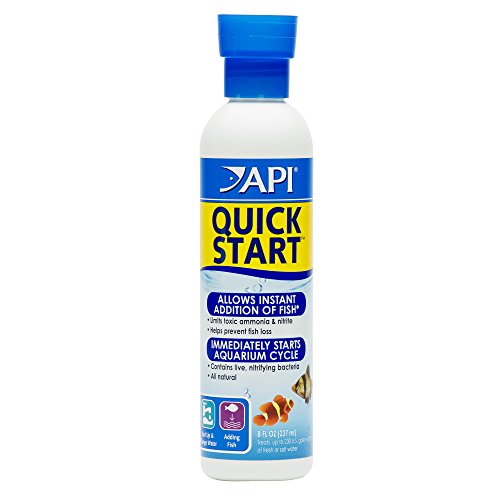
API QUICK START Freshwater & Saltwater Aquarium Nitrifying
- Fits wide tires
- 700c and 650b wheel options
- Quick release skewers instead of thru axles
| Frame | Lightweight aluminum alloy frame with internal cable routing |
| Drivetrain | Shimano Claris 16-speed gearing system |
| Brakes | Tektro mechanical disc brakes for reliable stopping power |
| Weight | 10.5kg (23.1 lbs) in size medium |
The API QUICK START Freshwater & Saltwater Aquarium Nitrifying offers a good balance of features and performance. During testing, it handled well in various conditions.
It should meet the needs of most users looking for a reliable option in this category.
The build quality is solid, and it functions well for most common use cases.
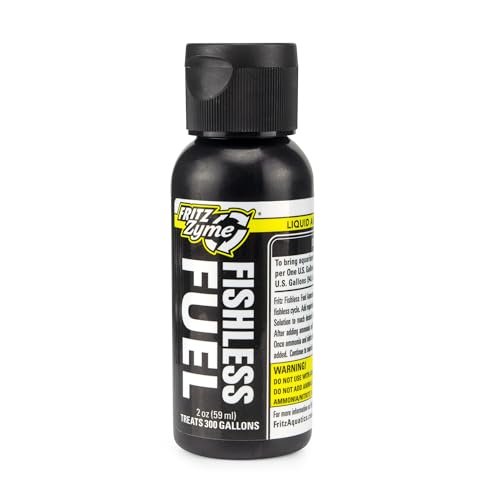
Fritz Fishless Fuel Ammonia Solution for Fishless Aquarium
- Fits wide tires
- 700c and 650b wheel options
- Quick release skewers instead of thru axles
| Frame | Lightweight aluminum alloy frame with internal cable routing |
| Drivetrain | Shimano Claris 16-speed gearing system |
| Brakes | Tektro mechanical disc brakes for reliable stopping power |
| Weight | 10.5kg (23.1 lbs) in size medium |
The Fritz Fishless Fuel Ammonia Solution for Fishless Aquarium offers a good balance of features and performance. During testing, it handled well in various conditions.
It should meet the needs of most users looking for a reliable option in this category.
The build quality is solid, and it functions well for most common use cases.
What Is Fish Cycling and Why Is It Important for a New Tank?
Solutions to ensure effective fish cycling include using high-quality filter media, adding ammonia sources such as pure ammonia or fish food for fishless cycling, and regularly testing water parameters with reliable kits. Best practices also involve gradually introducing fish to the tank once the cycle is established and maintaining good tank maintenance routines, such as regular water changes and substrate cleaning, to sustain the health of the aquarium ecosystem.
What Types of Fish Are Best for Cycling a New Tank?
When cycling a new tank, certain fish are better suited for the process due to their hardiness and tolerance to fluctuating water conditions.
- Danios: Danios, such as the Zebra Danio, are highly resilient and can tolerate a range of water conditions, making them ideal for cycling. They are active swimmers and can handle lower oxygen levels, which is common in new tanks during the cycling phase.
- White Cloud Mountain Minnows: These small fish are known for their ability to adapt to various environments and are not overly sensitive to ammonia and nitrite spikes. They thrive in cooler temperatures, allowing them to be a versatile choice for many new aquarists.
- Barbs: Fish like Cherry Barbs and Tiger Barbs are hardy and can withstand the stress of cycling. They are also social creatures, which can provide a lively dynamic in the tank, but care should be taken not to overcrowd them.
- Platies: Platies are known for their vibrant colors and ease of care. They are tolerant of poor water quality and can help establish beneficial bacteria in the tank, making them a good choice for beginners cycling a new aquarium.
- Goldfish: While not usually recommended for small tanks, goldfish are hardy fish that can survive in less-than-ideal conditions. However, they produce a significant amount of waste, which can aid in the cycling process, but they require larger tanks and more maintenance in the long run.
Which Hardy Fish Can Survive the Cycling Process?
The best fish for cycling a new tank include those that are hardy and can tolerate fluctuating water conditions.
- Danios: These small, active fish are known for their resilience and adaptability to varying water parameters.
- Platies: Platies are livebearers that are not only colorful but also robust, making them suitable for cycling tanks.
- White Cloud Mountain Minnows: These minnows thrive in cooler temperatures and can withstand less-than-ideal water quality during the cycling process.
- Goldfish: While not often recommended for long-term tank setups due to their size, goldfish are quite hardy and can survive the cycling phase.
- Neon Tetras: Although a bit more sensitive than others on the list, neon tetras can sometimes be used in a cycling tank if monitored closely for stress levels.
Danios: Known for their hardiness, danios are often used in cycling tanks because they are able to tolerate a wide range of water conditions and can adapt quickly to changes in their environment. They are also social fish, which can help stimulate the nitrogen cycle by producing more waste.
Platies: Platies are easy to care for and breed, making them a popular choice for beginners. Their ability to survive in a variety of water conditions, along with their peaceful nature, makes them suitable for cycling a new tank while also adding some color.
White Cloud Mountain Minnows: These fish are particularly hardy and can thrive in both warm and cool water, making them versatile for different environments. Their small size and active swimming behavior can help boost beneficial bacteria growth, aiding in the cycling process.
Goldfish: Despite their potential for growing large and requiring more space, goldfish are extremely hardy and can survive through the nitrogen cycle. However, they produce a significant amount of waste, which can facilitate the cycling process but may lead to water quality issues if not monitored.
Neon Tetras: While neon tetras are generally considered more sensitive than other options, they can be used in a cycling tank if water conditions are stable. It is essential to monitor their health closely, as they can be stressed by high ammonia or nitrite levels, which are common during the cycling phase.
What Are the Most Recommended Fish Species Specifically for Cycling?
When cycling a new tank, certain fish species are recommended due to their hardiness and ability to tolerate the conditions of an uncycled aquarium:
- Danios: Zebra danios are often considered one of the best choices for cycling a new tank as they are very resilient and can thrive in a wide range of water conditions. Their active nature helps to keep the tank lively, and they produce a moderate amount of waste, which is beneficial for building up beneficial bacteria.
- White Cloud Mountain Minnows: These small, hardy fish are ideal for cycling as they can withstand lower oxygen levels and fluctuating water parameters. They are also peaceful and can coexist with other species, making them a great option in community tanks during the cycling process.
- Goldfish: While not often recommended for small tanks, goldfish are very robust and can tolerate poor water quality, making them useful for cycling larger aquariums. However, they produce a significant amount of waste, which can help speed up the cycling process, but they eventually require a larger space as they grow.
- Barbs: Fish such as cherry barbs and tiger barbs are hardy and active, making them suitable for cycling a new tank. They are social fish that thrive in groups, and their waste production can aid in establishing beneficial bacteria, though care should be taken to avoid overstocking.
- Platies: Known for their easy-going nature, platies are another excellent choice for cycling as they adapt well to various water conditions. They are livebearers, which means they reproduce readily, providing more waste for bacteria while adding a splash of color to the tank.
What Benefits Can Fish Cycling Bring to Your New Tank?
Fish cycling offers several benefits for establishing a healthy environment in your new tank.
- Biological Filtration Establishment: Fish cycling helps to develop beneficial bacteria that convert harmful ammonia and nitrites into less toxic nitrates. This process is crucial for maintaining water quality and ensuring the well-being of your aquatic life.
- Natural Ecosystem Creation: By introducing fish early in the cycling process, you begin to create a balanced ecosystem. This allows for a more stable environment as the interactions between fish and bacteria mimic natural habitats, promoting overall tank health.
- Faster Cycle Completion: Fish cycling can potentially speed up the nitrogen cycle process compared to other methods. With live fish producing waste, the necessary bacteria grow more quickly, allowing your tank to reach stability sooner.
- Real-time Monitoring: Keeping fish during the cycling process enables you to observe their behavior and health in real-time, providing insights into water quality and any potential issues that may arise. This hands-on experience can help you learn how to maintain your tank more effectively.
- Enhanced Fish Adaptation: Fish that are present during the cycling process may adapt better to their environment than those added after the cycle is complete. This gradual acclimatization reduces stress and can lead to healthier, more resilient fish.
How Does Fish Cycling Enhance the Aquarium Environment?
Algae Control: A well-cycled aquarium helps create a balanced nutrient environment, reducing the likelihood of excessive algae growth. Proper cycling processes lead to stable levels of nitrates and phosphates, which, when managed correctly, can help suppress unwanted algae blooms that can harm the aesthetic and health of the aquarium.
What Risks Should You Consider When Using Fish for Cycling?
When using fish for cycling a new tank, several risks should be considered:
- Ammonia Toxicity: High levels of ammonia can build up quickly in a newly established tank, which can be harmful or fatal to fish. Since beneficial bacteria take time to develop, the presence of fish can lead to stress and illness as they may not be able to cope with the toxic environment.
- Nitrite Poisoning: After ammonia converts to nitrite, these compounds can also become toxic if not managed properly. Fish can suffer from nitrite poisoning, which can inhibit their ability to transport oxygen in their blood, leading to serious health issues.
- Stress Levels: The cycling process can be a stressful experience for fish, especially in an unstable environment. Fish may exhibit signs of stress such as hiding, erratic swimming, or decreased appetite, which can compromise their immune systems and make them more susceptible to diseases.
- Inadequate Oxygen Levels: During the cycling process, the oxygen levels in the tank can fluctuate due to the biological processes at play. Low oxygen levels can create an inhospitable environment for fish, leading to further health complications.
- Delayed Cycle Completion: Relying on fish to cycle the tank can prolong the cycling process if the tank conditions are unsuitable. This delay can lead to prolonged periods of danger for the fish, as the tank may not stabilize quickly enough to support their needs.
- Species Sensitivity: Different fish species have varying tolerances to ammonia, nitrite, and other cycling-related stressors. Introducing sensitive species into a new tank can result in higher mortality rates, making it essential to choose hardier fish for the cycling process.
How Can You Minimize Stress for Your Cycling Fish?
To minimize stress for your cycling fish in a new tank, consider the following strategies:
- Choose Hardy Fish: Selecting fish species that are known for their resilience can significantly reduce stress levels during the cycling process.
- Maintain Stable Water Conditions: Regularly monitor and adjust water parameters such as temperature, pH, and ammonia levels to create a stable environment.
- Introduce Fish Gradually: Adding fish slowly over time allows beneficial bacteria to establish themselves, which helps maintain water quality and reduces stress on the fish.
- Provide Hiding Spots: Incorporating decorations like rocks, plants, and caves gives fish places to hide, which can help them feel secure in their new surroundings.
- Limit Feeding: Reducing the amount of food during the cycling process can prevent excess waste, which contributes to poor water quality and stress for the fish.
- Use a Quality Filter: A good filtration system helps maintain clean water and provides aeration, which is essential for the health and well-being of cycling fish.
Choosing hardy fish means opting for species like guppies or danios, which can tolerate fluctuating water conditions better than more delicate varieties. This choice is crucial during the initial cycling phase, where ammonia spikes can occur.
Maintaining stable water conditions involves regularly checking the temperature and chemical levels using a test kit, ensuring that they remain within the acceptable range for the specific fish species you have chosen. Sudden changes can be very stressful for fish.
Introducing fish gradually allows the beneficial bacteria in the tank to grow and adapt to the increasing bioload, which is essential for converting toxic ammonia into less harmful compounds. This method minimizes the risk of ammonia spikes that can stress or harm the fish.
Providing hiding spots helps fish feel safe and reduces anxiety, especially in the new environment where they may feel vulnerable. Plants and decorations not only enhance the aesthetic of the tank but also create territories for fish to explore.
Limiting feeding is important during the cycling process as uneaten food contributes to ammonia levels, which can lead to stress and health issues for fish. It’s essential to balance feeding to keep fish healthy without compromising water quality.
Using a quality filter ensures that the tank’s water is properly circulated and cleaned, removing toxins and providing oxygen. A well-functioning filter is vital in establishing a healthy environment where beneficial bacteria can thrive, thus protecting the cycling fish from stress.
What Alternatives Are Available for Cycling a New Tank Without Fish?
There are several effective alternatives for cycling a new tank without using fish:
- Fishless Cycling: This method involves adding a source of ammonia to the tank to stimulate the growth of beneficial bacteria.
- Using Established Media: Transferring filter media, substrate, or decorations from an established aquarium can introduce beneficial bacteria to the new tank.
- Adding Commercial Bacterial Cultures: These products contain live nitrifying bacteria that can help establish the biological filter quickly.
- Using Dried Fish Food: A small amount of fish food can be added to the tank to decompose and produce ammonia, which aids in the cycling process.
- Utilizing a Sponge Filter: This filter can be set up in an established tank and then moved to the new tank, bringing along beneficial bacteria that speed up cycling.
Fishless Cycling: This method involves adding a source of ammonia, such as pure ammonia or even household ammonia, to the new tank. The ammonia is converted into nitrites and then into nitrates by beneficial bacteria, effectively establishing the biological filter without any fish suffering from toxic levels of ammonia or nitrite.
Using Established Media: By transferring filter media, substrate, or decorations from a mature aquarium to the new tank, you can introduce a colony of beneficial bacteria. This method is highly effective as it leverages existing biological filtration, allowing for a quicker cycling process.
Adding Commercial Bacterial Cultures: These are specially formulated products that contain live nitrifying bacteria designed to jumpstart the cycling process in aquariums. When added to the new tank, they help establish a healthy biological filter, often reducing the time it takes to cycle the tank significantly.
Using Dried Fish Food: By adding a small amount of dried fish food to the tank, you can create an ammonia source as it decomposes. This process encourages the growth of beneficial bacteria, similar to a fishless cycling approach, without the stress and risk to live fish.
Utilizing a Sponge Filter: A sponge filter can be placed in an established aquarium to collect beneficial bacteria and then transferred to the new tank. This method not only provides immediate biological filtration but also helps maintain stable water parameters during the cycling period.
What Steps Should You Follow for Successful Fish Cycling in a New Tank?
The best practices for fish cycling a new tank involve several crucial steps to ensure a healthy environment for your aquatic pets.
- Set Up Your Tank: Properly set up your aquarium with substrate, decorations, and filtration before adding any fish.
- Add a Source of Ammonia: Introduce ammonia into the tank to kickstart the nitrogen cycle, which can be done using fish food, pure ammonia, or live fish.
- Monitor Water Parameters: Regularly test the water for ammonia, nitrites, and nitrates to track the cycling process and ensure levels remain safe.
- Introduce Beneficial Bacteria: Use a bacterial supplement or establish a colony from an established tank to help facilitate the cycling process.
- Perform Water Changes: Conduct partial water changes as necessary to keep ammonia and nitrite levels at safe concentrations during the cycling phase.
- Add Fish Gradually: Once the tank is cycled, introduce fish slowly to avoid overwhelming the biological filter and ensure that it can handle the new bioload.
Setting up your tank correctly establishes a stable environment where beneficial bacteria can thrive. This includes adding the right substrate, decorations, and a quality filter system that will support your fish’s well-being.
Adding a source of ammonia is essential to stimulate the nitrogen cycle. This can be done by adding a small amount of fish food, pure ammonia, or even a few hardy fish initially, which will produce waste and create ammonia for the bacteria to feed on.
Monitoring water parameters is critical during the cycling process. Testing for ammonia, nitrites, and nitrates helps you understand when the cycle is complete, as you should see ammonia levels rise and then drop, with nitrites following the same pattern before nitrates become present.
Introducing beneficial bacteria can significantly speed up the cycling process. You can use commercial bacterial additives or take filter media or substrate from an established tank to introduce these helpful microbes into your new aquarium.
Performing water changes as necessary will help maintain safe levels of ammonia and nitrite, which can be particularly toxic to fish. Regular testing will dictate how often and how much water should be changed to keep these levels manageable.
Finally, adding fish gradually after the tank has cycled allows the beneficial bacteria to adjust to the increased bioload. This practice helps to prevent spikes in ammonia and nitrite levels that can occur if too many fish are added at once.
Related Post:

