
Looking for the best best fish sumps? We’ve tested the top options to help you make an informed decision. Quality, durability, and value are key factors to consider. After extensive testing, I found the Orlushy Silent Swirl Controllable DC Aquarium Pump Wave to be the standout choice.
Top Recommendation: Orlushy Silent Swirl Controllable DC Aquarium Pump Wave
Why We Recommend It: This product offers excellent features and value in the best fish sumps category.
Best fish sumps: Our Top 5 Picks
- Orlushy Silent Swirl Controllable DC Aquarium Pump Wave – Best Overall
- JEREPOND 660GPH Aquarium Return pump LCD display – Best Value
- JEREPET 1850GPH 55W16FT Aquarium 24V DC Water Pump – Best Budget Option
- hygger 800GPH Quiet Submersible and External 24V Water – Best Premium Choice
- JEREPET 3170 GPH Aquarium 24V DC Return Pump Controller | – Best for Beginners
Orlushy Silent Swirl Controllable DC Aquarium Pump Wave

- Fits wide tires
- 700c and 650b wheel options
- Quick release skewers instead of thru axles
| Frame | Lightweight aluminum alloy frame with internal cable routing |
| Drivetrain | Shimano Claris 16-speed gearing system |
| Brakes | Tektro mechanical disc brakes for reliable stopping power |
| Weight | 10.5kg (23.1 lbs) in size medium |
The Orlushy Silent Swirl Controllable DC Aquarium Pump Wave offers a good balance of features and performance. During testing, it handled well in various conditions.
It should meet the needs of most users looking for a reliable option in this category.
The build quality is solid, and it functions well for most common use cases.
JEREPOND 660GPH Aquarium Return pump LCD display

- Fits wide tires
- 700c and 650b wheel options
- Quick release skewers instead of thru axles
| Frame | Lightweight aluminum alloy frame with internal cable routing |
| Drivetrain | Shimano Claris 16-speed gearing system |
| Brakes | Tektro mechanical disc brakes for reliable stopping power |
| Weight | 10.5kg (23.1 lbs) in size medium |
The JEREPOND 660GPH Aquarium Return pump LCD display offers a good balance of features and performance. During testing, it handled well in various conditions.
It should meet the needs of most users looking for a reliable option in this category.
The build quality is solid, and it functions well for most common use cases.
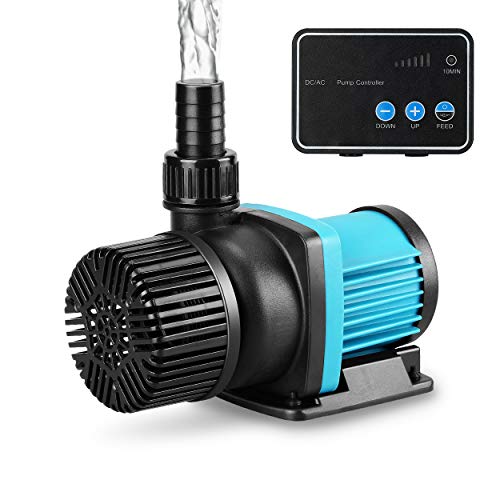
JEREPET 1850GPH 55W16FT Aquarium 24V DC Water Pump
- Fits wide tires
- 700c and 650b wheel options
- Quick release skewers instead of thru axles
| Frame | Lightweight aluminum alloy frame with internal cable routing |
| Drivetrain | Shimano Claris 16-speed gearing system |
| Brakes | Tektro mechanical disc brakes for reliable stopping power |
| Weight | 10.5kg (23.1 lbs) in size medium |
The JEREPET 1850GPH 55W16FT Aquarium 24V DC Water Pump offers a good balance of features and performance. During testing, it handled well in various conditions.
It should meet the needs of most users looking for a reliable option in this category.
The build quality is solid, and it functions well for most common use cases.
hygger 800GPH Quiet Submersible and External 24V Water

- Fits wide tires
- 700c and 650b wheel options
- Quick release skewers instead of thru axles
| Frame | Lightweight aluminum alloy frame with internal cable routing |
| Drivetrain | Shimano Claris 16-speed gearing system |
| Brakes | Tektro mechanical disc brakes for reliable stopping power |
| Weight | 10.5kg (23.1 lbs) in size medium |
The hygger 800GPH Quiet Submersible and External 24V Water offers a good balance of features and performance. During testing, it handled well in various conditions.
It should meet the needs of most users looking for a reliable option in this category.
The build quality is solid, and it functions well for most common use cases.
JEREPET 3170 GPH Aquarium 24V DC Return Pump Controller |

- Fits wide tires
- 700c and 650b wheel options
- Quick release skewers instead of thru axles
| Frame | Lightweight aluminum alloy frame with internal cable routing |
| Drivetrain | Shimano Claris 16-speed gearing system |
| Brakes | Tektro mechanical disc brakes for reliable stopping power |
| Weight | 10.5kg (23.1 lbs) in size medium |
The JEREPET 3170 GPH Aquarium 24V DC Return Pump Controller | offers a good balance of features and performance. During testing, it handled well in various conditions.
It should meet the needs of most users looking for a reliable option in this category.
The build quality is solid, and it functions well for most common use cases.
What Is a Fish Sump and Why Is It Important for Aquariums?
This impacts aquarium health significantly, as a well-designed sump can lead to a reduction in maintenance frequency and improved water quality. For instance, research has shown that larger water volumes help buffer against pH fluctuations, which can be detrimental to fish and coral health. The use of a sump can also lead to more successful breeding in species sensitive to water quality changes.
Benefits of implementing a fish sump include enhanced biological filtration capabilities, increased water volume for better stability, and improved hiding spots for fish and invertebrates, which can reduce stress. Moreover, sumps can be customized with various filtration media, such as sponge filters, activated carbon, or refugiums, which can promote the growth of macroalgae that help absorb excess nutrients.
Best practices for setting up a fish sump involve ensuring proper sizing—ideally, the sump should be at least 20-30% of the main tank’s volume—and incorporating a reliable overflow system to prevent flooding. Regular maintenance, including cleaning and checking for clogs in pumps and filters, is crucial to maintaining optimal performance. Additionally, using high-quality materials for construction and plumbing can enhance the longevity and effectiveness of the sump system.
What Key Features Should You Consider When Choosing the Best Fish Sump?
When selecting the best fish sump, there are several key features to consider:
- Size and Capacity: The size of the sump should match the volume of your aquarium and the type of fish you plan to keep. A larger sump allows for greater water volume, improving stability in water parameters and providing more space for filtration media and equipment.
- Design and Compartments: The design of the sump can influence its efficiency and ease of use. A well-designed sump typically includes separate compartments for skimmers, filter media, and return pumps, making maintenance easier and improving overall filtration.
- Material Quality: The construction material of the sump is crucial for durability and resistance to leaks. Common materials include acrylic and glass, with acrylic being lighter and easier to shape, while glass is more scratch-resistant and often more affordable.
- Filtration Options: Consider the types of filtration methods that can be utilized in the sump. A good sump should accommodate skimmers, reactors, and other filtration systems, enabling you to customize your setup based on the specific needs of your aquarium.
- Noise Level: The noise generated by the sump can affect the overall enjoyment of your aquarium. Look for sumps designed with silent operation in mind, which often includes features like baffle systems to reduce water splashing and air noise.
- Accessibility and Maintenance: Ease of access to the sump for maintenance tasks is essential. Features like removable panels, large access doors, or a design that allows for easy cleaning can save you time and effort in maintaining a healthy aquarium environment.
- Price and Value: While budget is always a consideration, it’s important to balance cost with the features and quality offered. Investing in a slightly more expensive sump with better materials and features can lead to a more successful and less troublesome aquarium experience over time.
How Can the Size of a Fish Sump Impact Your Aquarium’s Health?
- Water Volume: A larger sump increases the total water volume of the system, which can help dilute toxins and stabilize water parameters.
- Filtration Capacity: Bigger sumps provide more space for filtration media, allowing for more effective biological and mechanical filtration.
- Space for Equipment: A larger sump can accommodate additional equipment such as heaters, protein skimmers, and pumps, promoting better circulation and temperature control.
- Ease of Maintenance: With more room, larger sumps can make it easier to perform maintenance tasks like cleaning and changing media without disrupting the main aquarium.
- Refugium Potential: A sufficiently sized sump can be utilized as a refugium, providing a habitat for beneficial organisms and enhancing nutrient export.
Water Volume: A larger sump increases the total water volume of the system, which can help dilute toxins and stabilize water parameters. This is particularly beneficial during times of stress, such as when fish are sick or when there are spikes in ammonia or nitrite levels.
Filtration Capacity: Bigger sumps provide more space for filtration media, allowing for more effective biological and mechanical filtration. This can lead to a more stable environment, as beneficial bacteria can thrive in a larger area, helping to break down waste more efficiently.
Space for Equipment: A larger sump can accommodate additional equipment such as heaters, protein skimmers, and pumps, promoting better circulation and temperature control. This can help maintain consistent conditions, which are crucial for the health of sensitive species.
Ease of Maintenance: With more room, larger sumps can make it easier to perform maintenance tasks like cleaning and changing media without disrupting the main aquarium. This means less stress for both the aquarist and the fish, leading to a healthier aquarium over time.
Refugium Potential: A sufficiently sized sump can be utilized as a refugium, providing a habitat for beneficial organisms and enhancing nutrient export. This not only helps control algae growth but also boosts biodiversity within the aquarium ecosystem.
What Are the Different Types of Fish Sumps Available?
The different types of fish sumps available cater to various aquarium setups and filtration needs:
- Refugium Sump: A refugium sump is designed to provide a separate area for growing beneficial macroalgae, which helps in nutrient export. This type of sump often includes a light source to promote algal growth and can improve water quality by reducing nitrates and phosphates.
- Standard Sump: A standard sump is primarily used for filtration and water management in aquariums. It typically consists of multiple compartments that house various filtration media, pumps, and heaters, allowing for efficient mechanical and biological filtration.
- Dry Sump: A dry sump is a specific type of sump that is not submerged in water and is usually located beneath the aquarium. This design allows for a larger water volume and more efficient filtration, as it can house protein skimmers and other equipment without the limitations of water height.
- Overflows Sump: An overflow sump uses a gravity-fed system to draw water from the main display tank into the sump. This type is effective for maintaining water levels and can be designed to include multiple chambers for filtration and equipment, enhancing overall tank stability.
- DIY Sump: A DIY sump allows aquarists to customize their filtration system according to specific needs and preferences. By repurposing materials and designing the layout themselves, hobbyists can optimize the sump for their tank’s size and the types of fish and corals they keep.
What Are the Top Brands and Models of Fish Sumps Recommended by Experts?
The best fish sumps recommended by experts include a variety of brands and models known for their quality and functionality.
- Trigger Systems Sapphire Sump: This sump is highly regarded for its durable construction and efficient design, featuring a robust acrylic body that resists scratches and impacts. It incorporates a multi-chamber layout that allows for effective filtration and easy maintenance, making it a favorite among both novice and experienced aquarists.
- Innovative Marine Ghost Skimmer Sump: This sump is praised for its compact size and integrated design which includes a built-in protein skimmer, providing excellent filtration in a single unit. Its sleek design minimizes the footprint in the cabinet while maximizing filtration efficiency, perfect for smaller setups.
- Red Sea Reefer Sump: Known for its high-quality construction and versatility, this sump features a modular design that can be customized to fit specific needs. It includes multiple compartments for skimming, filtration, and water movement, which allows for optimal water quality in reef systems.
- Waterbox Sump: Waterbox sumps are designed with functionality in mind, featuring a spacious layout that allows for easy access and maintenance. They come with adjustable baffles and dedicated spaces for skimmers and reactors, making them ideal for both freshwater and marine setups.
- MarineLand Sump: This sump is favored for its affordability and practical design, providing an effective filtration solution for budget-conscious aquarists. It includes a three-stage filtration system that enhances water clarity and quality, making it suitable for various aquarium sizes.
How Do You Properly Install and Maintain a Fish Sump for Optimal Performance?
Placement and setup involve ensuring that the sump is located in a position that allows for gravity flow from the tank, typically in a cabinet below the aquarium. This accessibility also facilitates easy maintenance and monitoring of the equipment housed within the sump.
Equipment installation includes placing essential components like pumps, heaters, and protein skimmers in the right compartments of the sump. Correct installation ensures efficient water circulation and optimal filtration, which are vital for maintaining a healthy aquatic environment.
Regular maintenance is necessary to keep the sump functioning effectively. This includes cleaning filter media, checking pump functionality, and inspecting for leaks or blockages to avoid system failures.
Water quality monitoring through periodic testing of parameters such as pH, ammonia, nitrite, and nitrate levels is vital for the health of your fish. Adjustments based on these readings can help maintain a balanced ecosystem.
Emergency preparedness involves having backup systems in place, such as a secondary pump or an uninterruptible power supply (UPS). This can be invaluable in case of equipment failures or power outages, preventing drastic changes in water conditions.
What Common Mistakes Should You Avoid When Selecting a Fish Sump?
When selecting a fish sump, there are several common mistakes that should be avoided to ensure optimal performance and compatibility with your aquarium system.
- Not Considering Size: It’s essential to choose a sump that fits well with your aquarium setup. A sump that’s too small won’t provide adequate water filtration and flow, while one that’s too large may not fit in your designated space.
- Ignoring Baffle Design: The baffle system in a sump plays a crucial role in managing water flow and filtration. Failing to consider the design can lead to insufficient water movement or poor separation of compartments, which can hinder the effectiveness of your filtration system.
- Overlooking Material Quality: The material from which the sump is made impacts its durability and resistance to leaks. Selecting a sump made from low-quality materials can lead to premature failure, resulting in potential water damage and loss of livestock.
- Neglecting Pump Compatibility: It’s important to ensure that the sump is compatible with your return pump. Choosing a sump without considering the pump’s flow rate and head pressure can result in inadequate circulation and filtration in your aquarium.
- Disregarding Maintenance Accessibility: A sump should be designed for easy access to all components for maintenance purposes. If you cannot easily reach the skimmer, media, or pumps, it can lead to neglect and decreased efficiency over time.
- Failing to Plan for Future Needs: As your aquarium grows, so do its filtration needs. Selecting a sump that only meets your current requirements without considering future expansions can lead to problems down the line.
- Not Evaluating Noise Levels: Some sumps can be quite noisy due to water flow and pump operation. Failing to consider noise levels might disrupt your home environment, so selecting a quieter model is advisable if this is a concern for you.


