
Looking for the best best garden for planted aquarium? We’ve tested the top options to help you make an informed decision. Quality, durability, and value are key factors to consider. After extensive testing, I found the Root Tabs Freshwater Aquarium Plant Fertilizer, to be the standout choice.
Top Recommendation: Root Tabs Freshwater Aquarium Plant Fertilizer,
Why We Recommend It: This product offers excellent features and value in the best garden for planted aquarium category.
Best garden for planted aquarium: Our Top 3 Picks
- Root Tabs Freshwater Aquarium Plant Fertilizer, – Best Overall
- Hygger CO2 HC035 All-in-One Liquid Aquarium Plant – Best Value
- Saihisday Miniature Japanese Pagoda Figurines Mini Pagoda – Best Budget Option
Root Tabs Freshwater Aquarium Plant Fertilizer,

- Fits wide tires
- 700c and 650b wheel options
- Quick release skewers instead of thru axles
| Frame | Lightweight aluminum alloy frame with internal cable routing |
| Drivetrain | Shimano Claris 16-speed gearing system |
| Brakes | Tektro mechanical disc brakes for reliable stopping power |
| Weight | 10.5kg (23.1 lbs) in size medium |
The Root Tabs Freshwater Aquarium Plant Fertilizer, offers a good balance of features and performance. During testing, it handled well in various conditions.
It should meet the needs of most users looking for a reliable option in this category.
The build quality is solid, and it functions well for most common use cases.
Hygger CO2 HC035 All-in-One Liquid Aquarium Plant
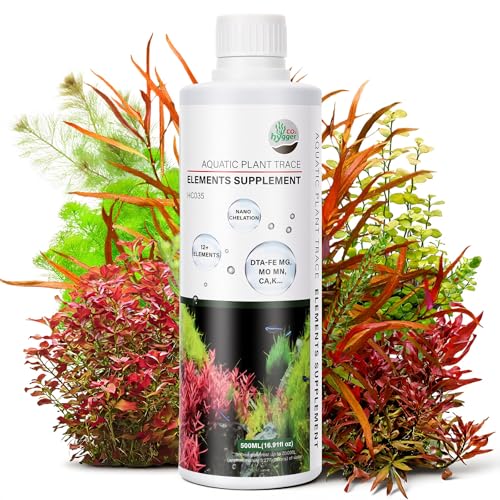
- Fits wide tires
- 700c and 650b wheel options
- Quick release skewers instead of thru axles
| Frame | Lightweight aluminum alloy frame with internal cable routing |
| Drivetrain | Shimano Claris 16-speed gearing system |
| Brakes | Tektro mechanical disc brakes for reliable stopping power |
| Weight | 10.5kg (23.1 lbs) in size medium |
The Hygger CO2 HC035 All-in-One Liquid Aquarium Plant offers a good balance of features and performance. During testing, it handled well in various conditions.
It should meet the needs of most users looking for a reliable option in this category.
The build quality is solid, and it functions well for most common use cases.
Saihisday Miniature Japanese Pagoda Figurines Mini Pagoda

- Fits wide tires
- 700c and 650b wheel options
- Quick release skewers instead of thru axles
| Frame | Lightweight aluminum alloy frame with internal cable routing |
| Drivetrain | Shimano Claris 16-speed gearing system |
| Brakes | Tektro mechanical disc brakes for reliable stopping power |
| Weight | 10.5kg (23.1 lbs) in size medium |
The Saihisday Miniature Japanese Pagoda Figurines Mini Pagoda offers a good balance of features and performance. During testing, it handled well in various conditions.
It should meet the needs of most users looking for a reliable option in this category.
The build quality is solid, and it functions well for most common use cases.
What Are the Best Plants for a Thriving Aquarium Garden?
The best plants for a thriving aquarium garden include a variety of species that contribute to both aesthetic appeal and ecological balance.
- Anubias: This hardy plant is known for its broad, dark green leaves and ability to thrive in low light conditions. Anubias can be attached to rocks or driftwood, making it versatile for various aquarium setups.
- Java Fern: With its unique leaf structure, Java Fern is ideal for beginners and can grow in a range of water conditions. It reproduces through small plantlets that can be easily propagated, enhancing the aquarium garden over time.
- Cryptocoryne: Cryptocoryne species come in various shapes and colors, adding depth to an aquarium. They prefer stable conditions and can adapt to different light levels, making them a resilient choice for planted tanks.
- Amazon Sword: Known for its large, sword-shaped leaves, this plant provides excellent cover for fish and helps maintain water quality. It requires moderate to high lighting and nutrient-rich substrate to flourish.
- Water Wisteria: This fast-growing plant can help absorb excess nutrients, making it beneficial for maintaining water quality. Its feathery leaves create a lush backdrop in the aquarium and can serve as a breeding ground for shrimp and small fish.
- Hornwort: A floating plant that grows quickly, Hornwort helps oxygenate the water and provides shelter for aquatic life. Its ability to absorb nutrients makes it a natural way to reduce algae growth in the aquarium.
- Vallisneria: Vallisneria has long, ribbon-like leaves that can create a natural grass-like effect in the tank. It is easy to care for and grows well in various water conditions, making it a popular choice for aquascaping.
- Marimo Moss Balls: These unique algae formations not only add visual interest but also help improve water quality by absorbing nitrates. They are low-maintenance and can be placed anywhere in the aquarium.
Which Fast-Growing Plants Are Perfect for Beginners?
The best plants for a planted aquarium that are suitable for beginners include:
- Anubias: This hardy plant is perfect for novice aquarists as it requires low light and can thrive in various water conditions. Anubias can be attached to rocks or driftwood, making it versatile in aquascaping.
- Java Fern: Another excellent choice for beginners, Java Fern is resilient and does well in low to moderate light. It can be propagated easily by planting its rhizome and is known for its unique leaf structure that adds visual interest to the aquarium.
- Cryptocoryne: Cryptocoryne species are adaptable and can grow in a range of water parameters, making them ideal for beginners. They offer a variety of leaf shapes and colors, enhancing the aesthetic appeal of the planted tank.
- Amazon Sword: This popular aquatic plant is easy to care for and can grow quite large, providing a lush backdrop in the aquarium. It thrives in nutrient-rich substrates and requires moderate lighting, making it manageable for novice aquarists.
- Marimo Moss Ball: A unique and low-maintenance option, Marimo Moss Balls are actually a form of algae that require no special lighting or CO2 injection. They not only serve as a charming decoration but also help in maintaining water quality by absorbing excess nutrients.
What Unique Benefits Do Aquatic Ferns Provide in Your Garden?
Aesthetic Appeal: With their lush green foliage and varied textures, aquatic ferns enhance the visual appeal of a planted aquarium, creating a more vibrant and natural look. They can serve as focal points or background plants, adding depth and dimension to the aquatic landscape.
Low Maintenance: Many aquatic ferns are hardy and easy to care for, requiring minimal maintenance while still thriving in a variety of water conditions. This makes them an excellent choice for both novice and experienced aquarists looking to create a beautiful underwater garden without excessive effort.
What Is the Ideal Substrate for Plant Growth in an Aquarium?
Solutions and best practices for selecting the ideal substrate involve choosing products specifically designed for planted tanks, such as ADA Aqua Soil, Fluval Stratum, or Seachem Flourite. It is advisable to layer substrates, using a nutrient-rich base topped with a fine layer of gravel or sand to balance aesthetics and functionality. Regular monitoring of nutrient levels and substrate condition can also help maintain optimal plant health and growth.
How Do Different Substrates Affect Plant Health and Growth?
Gravel substrates, although popular for their visual appeal and ease of maintenance, may require supplemental fertilization since they generally lack nutrients. They promote good water circulation but can lead to deficiencies in plants that require nutrient-dense environments.
Sandy substrates allow for easy root penetration, which can be beneficial for delicate root systems. However, sand can also create anaerobic pockets if compacted, potentially leading to poor plant health and algae growth.
Clay substrates are often used in conjunction with other substrate types, as they provide excellent nutrient retention and moisture control. This makes them suitable for heavier feeders and plants that require more stable conditions.
Commercial plant substrates are designed specifically for aquarium use, combining the best features of various materials to provide both nutrient availability and aesthetic appeal. These products can simplify the planting process and ensure that plants receive the necessary minerals and nutrients for healthy growth.
How Important Is Lighting for a Planted Aquarium?
- Photosynthesis: Adequate lighting is essential for photosynthesis, the process by which plants convert light energy into chemical energy. Without sufficient light, aquatic plants cannot produce the food they need, leading to stunted growth and poor health.
- Light Spectrum: Different plants require different light spectrums for optimal growth. Most aquatic plants benefit from a full spectrum light that includes both blue and red wavelengths, which promote growth and blooming, ensuring that the plants thrive in their environment.
- Intensity and Duration: The intensity of the light and the duration it is provided are critical factors. Too much light can cause algae growth, while too little can hinder plant development; a balance of 10-12 hours of light per day is often recommended.
- Type of Lighting: The choice of lighting fixture, such as LED, fluorescent, or metal halide, can dramatically affect the health of the plants. LEDs are energy-efficient and provide customizable spectrums, while fluorescent lights are more traditional but may need to be replaced more frequently.
- Growth Stages: Different stages of plant growth require varying light conditions. For example, newly planted tanks may need less intense light to avoid overwhelming young plants, while established tanks with robust plants may thrive under higher light intensity.
What Lighting Types Are Most Effective for Plant Growth?
The most effective lighting types for plant growth in a planted aquarium include:
- LED Lighting: LED lights are energy-efficient and produce a spectrum of light ideal for photosynthesis, making them a popular choice among aquarists. They can be tailored to emit specific wavelengths that enhance plant growth and can be adjusted for intensity and duration, catering to the needs of different plant species.
- Fluorescent Lighting: This type of lighting provides a broad spectrum of light and is often used in aquariums due to its affordability and availability. T5 and T8 fluorescent tubes are common, with T5 providing more intensity and a longer lifespan, which can be beneficial for light-loving plants.
- Metal Halide Lighting: Metal halide lamps produce a very bright, intense light and cover a wide spectrum, which is great for high-light demanding plants. However, they generate a considerable amount of heat and require cooling systems, making them more suited for larger aquariums or specialized setups.
- Compact Fluorescent Lighting (CFL): CFL bulbs are versatile and can be used in standard light fixtures, offering a good balance of efficiency and output. They are suitable for smaller aquariums and are available in various color temperatures to enhance plant growth and aquarium aesthetics.
- Incandescent Lighting: While not the most efficient option, incandescent bulbs are easy to find and inexpensive. They emit a warm light but produce more heat and less usable light for plants, making them less favorable for serious planted aquariums, though they can be used for supplementary lighting.
What Strategies Can You Use for Maintaining a Healthy Aquarium Garden?
To maintain a healthy aquarium garden, several effective strategies can be employed:
- Choose the Right Substrate: The substrate forms the foundation for your plants and should provide adequate nutrients. Opt for nutrient-rich substrates specifically designed for planted aquariums, as they enhance root growth and can help retain moisture.
- Optimize Lighting Conditions: Proper lighting is crucial for plant growth. Use LED lights with the appropriate spectrum and duration to mimic natural sunlight, ensuring that your plants receive between 10 to 12 hours of light daily to promote photosynthesis.
- Maintain Water Quality: Regularly test and maintain water parameters such as pH, hardness, and ammonia levels. Healthy water is essential for plant growth; thus, performing regular water changes helps remove toxins and replenishes essential minerals.
- Incorporate CO2 Injection: Carbon dioxide is vital for plant photosynthesis. Consider using a CO2 injection system to maintain optimal levels, especially in densely planted tanks, as this can significantly enhance growth and health of your aquarium garden.
- Fertilize Regularly: While substrates may provide initial nutrients, plants often require additional fertilizers. Use liquid fertilizers or root tabs formulated for aquatic plants to ensure they receive necessary macronutrients and micronutrients over time.
- Prune and Trim Plants: Regular pruning promotes healthy growth and prevents overcrowding. By removing dead or dying leaves and trimming back overgrown plants, you can improve light penetration and water circulation within your aquarium garden.
- Choose Compatible Plant Species: Not all plants thrive together; select species that have similar light and nutrient requirements. Researching compatibility ensures that each plant can flourish without competing excessively for resources.
- Control Algae Growth: Algae can quickly overtake your aquarium garden if not managed. Introduce algae-eating fish or invertebrates, maintain proper lighting, and ensure balanced nutrient levels to keep algae at bay and promote a healthy ecosystem.
How Should You Fertilize Your Aquarium Plants for Optimal Growth?
Fertilizing aquarium plants is crucial for ensuring robust growth, vibrant colors, and overall health. Here are effective ways to fertilize your planted aquarium:
-
Choose the Right Fertilizer: Select a fertilizer formulated specifically for aquariums, which often contains essential nutrients like nitrogen, phosphorus, potassium, iron, and trace minerals. Brands such as Seachem Flourish or API Leaf Zone are popular choices.
-
Determine the Fertilization Method:
- Liquid Fertilizers: These are easy to apply and can be dosed weekly or bi-weekly, depending on the growth rate of your plants.
- Root Tabs: Ideal for heavier root feeders like crypts and swords, these tablets are placed in the substrate to release nutrients directly to the plant roots.
-
Dry Powder Fertilizers: These can be mixed into the water or substrate but require precise measurements to avoid excess nutrients, which can harm your aquarium’s balance.
-
Monitor Nutrient Levels: Regularly test your water parameters to ensure levels are within the ideal range for your plants. Adjust your fertilization schedule based on growth and plant health.
-
Observe Plant Response: Watch for signs of nutrient deficiency, such as yellowing leaves or stunted growth, and adjust your fertilization accordingly.
Following these guidelines will help create a thriving planted aquarium, enhancing its beauty and ecological balance.
What Are Effective Ways to Prevent Algae Growth?
Preventing algae growth in a planted aquarium requires a combination of good practices, careful monitoring, and the right balance of elements. Here are effective strategies to keep algae at bay:
-
Maintain Proper Lighting: Limit light exposure to around 8-10 hours a day. Too much light can promote algae growth. Use a timer to ensure consistent lighting schedules.
-
Control Nutrient Levels: Keep phosphates and nitrates in check. Regularly test water parameters and ensure you’re not over-fertilizing. Use a liquid fertilizer that is suitable for your plant types and ensure that it is not excessively rich in nutrients.
-
Add Live Plants: Healthy plants compete with algae for nutrients and light. Include fast-growing species like Hornwort or Water Sprite to outcompete algae for resources.
-
Limit Fish Feeding: Overfeeding increases waste, leading to nutrient spikes that encourage algae. Feed fish only what they can consume in a few minutes.
-
Use Algae-Eating Species: Introduce fish or invertebrates that consume algae, such as Amano shrimp, otocinclus catfish, or certain types of snails.
-
Regular Maintenance: Perform routine water changes (about 20-30% weekly) to dilute nutrients and remove debris. Clean tank surfaces to prevent algae buildup.
By implementing these practices, you can create a balanced ecosystem that minimizes algae growth while supporting a thriving planted aquarium.
What Common Mistakes Should You Avoid When Creating an Aquarium Garden?
When creating an aquarium garden, it’s important to avoid several common mistakes to ensure a thriving aquatic environment.
- Choosing the Wrong Plants: Selecting plants that are not suited for your aquarium conditions can lead to poor growth and health. It’s vital to research the specific light, temperature, and water parameters required for each plant type to ensure compatibility with your aquarium setup.
- Overcrowding the Aquarium: Planting too many plants in a small space can lead to competition for nutrients and light, causing some plants to thrive while others struggle. It’s essential to plan the layout carefully, considering the mature size of each plant to allow adequate space for growth.
- Poor Substrate Selection: Using an inappropriate substrate can hinder plant growth and health. A substrate that retains nutrients and allows for proper root development is crucial, so consider using specialized aquarium soil or gravel designed for planted tanks.
- Neglecting Water Parameters: Ignoring the importance of water quality and parameters can lead to disastrous effects on both plants and fish. Regularly testing and adjusting pH levels, hardness, and nutrient concentrations are vital for maintaining a balanced ecosystem in your aquarium garden.
- Inadequate Lighting: Insufficient lighting can stunt plant growth and lead to algae issues. It’s important to provide the right type and intensity of light suited for the specific plants you have chosen, ensuring they receive the necessary energy for photosynthesis.
- Failing to Fertilize Properly: Many beginners overlook the need for additional fertilizers as plants consume nutrients from the substrate and water. Regularly adding fertilizers tailored for aquatic plants can help sustain healthy growth and vibrant colors.
- Ignoring Maintenance: A common mistake is underestimating the need for regular maintenance, such as trimming plants and removing debris. Consistent upkeep not only helps maintain aesthetics but also promotes a healthier environment for both plants and fish.
How Can You Create a Balanced Ecosystem in Your Aquarium Garden?
Creating a balanced ecosystem in your aquarium garden involves several key components:
- Choosing the Right Plants: Selecting aquatic plants that thrive in your specific water conditions is essential. Fast-growing plants can help absorb excess nutrients and provide oxygen, while hardy species can add structure and habitat for aquatic life.
- Maintaining Water Quality: Regularly testing the water for pH, ammonia, nitrites, and nitrates ensures a healthy environment. Implementing a filtration system and performing routine water changes will help maintain optimal water parameters, promoting plant growth and fish health.
- Incorporating Beneficial Bacteria: Introducing beneficial bacteria can help establish a healthy nitrogen cycle, breaking down waste products and preventing harmful spikes in ammonia. These bacteria can be added through commercial products or by seeding from established aquariums.
- Balancing Light and Nutrients: Providing adequate lighting for your plants is crucial, as each species has specific light requirements. Additionally, supplementing with fertilizers can ensure that plants receive necessary nutrients, but care must be taken to avoid over-fertilization, which can lead to algae blooms.
- Choosing Compatible Fish and Invertebrates: Selecting fish and invertebrates that are compatible with your plants and with each other is vital for a harmonious ecosystem. Researching species that enjoy planted environments can enhance aesthetics while promoting natural behaviors and interactions.
- Establishing a Proper Feeding Regimen: Feeding your fish and invertebrates appropriately helps prevent overfeeding, which can lead to waste buildup and poor water quality. Providing a varied diet that meets the nutritional needs of your aquarium inhabitants encourages healthy growth and behavior.
What Role Do Fish and Invertebrates Play in Your Aquarium Garden’s Health?
Bioturbation refers to the process where invertebrates, such as substrate-dwelling snails or shrimp, move through the substrate, aerating it. This action helps prevent compaction, allows oxygen to reach plant roots, and facilitates the breakdown of organic material, thereby improving nutrient availability for plants.
In a balanced aquarium, fish often prey on invertebrates, establishing a natural food web that supports biodiversity. This dynamic interaction encourages a thriving community, as various organisms contribute to the ecosystem’s stability and resilience.
Behavioral enrichment from fish and invertebrate interactions adds to the aquarium’s aesthetic appeal, creating a lively and engaging environment. Observing these interactions can enhance the enjoyment of the aquarium hobby, making it not only a functional ecosystem but also an entertaining display.
Related Post:

