
Looking for the best best meida for aquarium? We’ve tested the top options to help you make an informed decision. Quality, durability, and value are key factors to consider. After extensive testing, I found the CNZ HW-302 265GPH Aquarium Canister Filter Meida Kits, to be the standout choice.
Top Recommendation: CNZ HW-302 265GPH Aquarium Canister Filter Meida Kits,
Why We Recommend It: This product offers excellent features and value in the best meida for aquarium category.
Best meida for aquarium: Our Top 4 Picks
- CNZ HW-302 265GPH Aquarium Canister Filter Meida Kits, – Best Overall
- CNZ HW-304B 525GPH Canister Aquarium Filter Meida – Best Value
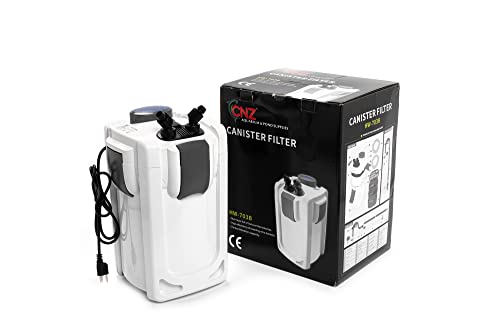
- CNZ HW-703B 370GPH Canister Aquarium Filter Meida Kits, – Best Budget Option
- Aqueon QuietFlow 20 LED PRO Aquarium Fish Tank Power Filter – Best Premium Choice
CNZ HW-302 265GPH Aquarium Canister Filter Meida Kits,

- Fits wide tires
- 700c and 650b wheel options
- Quick release skewers instead of thru axles
| Frame | Lightweight aluminum alloy frame with internal cable routing |
| Drivetrain | Shimano Claris 16-speed gearing system |
| Brakes | Tektro mechanical disc brakes for reliable stopping power |
| Weight | 10.5kg (23.1 lbs) in size medium |
The CNZ HW-302 265GPH Aquarium Canister Filter Meida Kits, offers a good balance of features and performance. During testing, it handled well in various conditions.
It should meet the needs of most users looking for a reliable option in this category.
The build quality is solid, and it functions well for most common use cases.
CNZ HW-304B 525GPH Canister Aquarium Filter Meida

- Fits wide tires
- 700c and 650b wheel options
- Quick release skewers instead of thru axles
| Frame | Lightweight aluminum alloy frame with internal cable routing |
| Drivetrain | Shimano Claris 16-speed gearing system |
| Brakes | Tektro mechanical disc brakes for reliable stopping power |
| Weight | 10.5kg (23.1 lbs) in size medium |
The CNZ HW-304B 525GPH Canister Aquarium Filter Meida offers a good balance of features and performance. During testing, it handled well in various conditions.
It should meet the needs of most users looking for a reliable option in this category.
The build quality is solid, and it functions well for most common use cases.
CNZ HW-703B 370GPH Canister Aquarium Filter Meida Kits,
- Fits wide tires
- 700c and 650b wheel options
- Quick release skewers instead of thru axles
| Frame | Lightweight aluminum alloy frame with internal cable routing |
| Drivetrain | Shimano Claris 16-speed gearing system |
| Brakes | Tektro mechanical disc brakes for reliable stopping power |
| Weight | 10.5kg (23.1 lbs) in size medium |
The CNZ HW-703B 370GPH Canister Aquarium Filter Meida Kits, offers a good balance of features and performance. During testing, it handled well in various conditions.
It should meet the needs of most users looking for a reliable option in this category.
The build quality is solid, and it functions well for most common use cases.
Aqueon QuietFlow 20 LED PRO Aquarium Fish Tank Power Filter

- Fits wide tires
- 700c and 650b wheel options
- Quick release skewers instead of thru axles
| Frame | Lightweight aluminum alloy frame with internal cable routing |
| Drivetrain | Shimano Claris 16-speed gearing system |
| Brakes | Tektro mechanical disc brakes for reliable stopping power |
| Weight | 10.5kg (23.1 lbs) in size medium |
The Aqueon QuietFlow 20 LED PRO Aquarium Fish Tank Power Filter offers a good balance of features and performance. During testing, it handled well in various conditions.
It should meet the needs of most users looking for a reliable option in this category.
The build quality is solid, and it functions well for most common use cases.
What Types of Media Are Best for an Aquarium?
The best media for an aquarium varies based on the specific needs of the aquatic environment and the type of filtration system used.
- Activated Carbon: This media is effective at removing impurities, odors, and discolorations from the water. It works by absorbing chemicals and toxins, improving water clarity and quality, which is essential for the health of fish and plants.
- Bio Balls: Bio balls provide a large surface area for beneficial bacteria to colonize, aiding in the biological filtration process. They help break down ammonia and nitrites, which are toxic to fish, thus maintaining a stable and healthy environment.
- Sponge Filters: Sponge filters not only provide mechanical filtration by trapping debris but also serve as a breeding ground for beneficial bacteria. They are particularly useful in smaller aquariums or breeding tanks, as they offer gentle water flow and are safe for fry and delicate fish.
- Ceramic Rings: These rings are designed to maximize surface area for bacteria to thrive, facilitating excellent biological filtration. They are durable and can house a large colony of nitrifying bacteria, contributing to a healthy nitrogen cycle in the aquarium.
- Gravel or Sand Substrate: While primarily used for aesthetic purposes, substrate can also play a role in biological filtration and provide a habitat for beneficial microorganisms. The choice between gravel or sand depends on the type of fish and plants in the aquarium, as different species prefer different types of substrate for foraging and nesting.
- Zeolite: This natural mineral is particularly effective at absorbing ammonia from the water, making it a great choice for newly established tanks or during high fish stocking periods. Zeolite can help in managing ammonia levels, thus preventing toxic spikes that could harm aquatic life.
How Does Biological Media Function in Aquarium Ecosystems?
Bio Balls: Bio balls are particularly effective in high-flow areas of an aquarium system, where they can maximize water exposure to bacteria. Their shape and design allow for efficient aeration and water circulation, leading to faster breakdown of waste products.
Sponges: Sponge filters are versatile and can be used in both small and large aquariums. They are easy to clean and maintain while providing a significant surface area for bacteria to thrive, making them ideal for breeding tanks or aquariums with delicate fish.
Ceramic Rings: Ceramic rings are designed with tiny pores that allow for a high density of beneficial bacteria to inhabit them. They excel in both freshwater and saltwater aquariums due to their durability and efficiency in promoting biological filtration.
What Are the Best Practices for Using Biological Media?
When utilizing biological media in an aquarium, several best practices enhance its effectiveness and contribute to a healthy aquatic environment.
-
Choose Quality Media: Opt for high-quality biological media that offers a large surface area for beneficial bacteria. Products like ceramic rings, sponge filters, or sintered glass provide excellent colonization opportunities.
-
Avoid Overcrowding: Maintain an appropriate volume of biological media relative to the tank size and bioload. Overcrowding can limit water flow and reduce the efficacy of the media.
-
Regular Maintenance: Clean biological media gently during water changes to avoid removing beneficial bacteria. Rinse with tank water instead of tap water to preserve the microbial community.
-
Monitor Water Parameters: Regularly test for ammonia, nitrites, and nitrates. These readings will help determine if the biological media is functioning optimally.
-
Introduce Slowly: When adding new media, introduce it gradually to allow time for beneficial bacteria to populate. This approach minimizes disruptions in the nitrogen cycle.
Implementing these practices ensures a stable and healthy environment for aquatic life, promoting effective biological filtration.
What Are the Differences Between Mechanical and Chemical Media?
| Aspect | Mechanical Media | Chemical Media |
|---|---|---|
| Type | Physical filtration method using sponges, pads, or other materials to remove debris. | Uses chemical reactions to remove contaminants, typically through activated carbon or resins. |
| Effectiveness | Highly effective for clearing particulate matter and improving water clarity. | Effective for removing dissolved impurities, odors, and specific toxins from the water. |
| Maintenance | Requires regular cleaning or replacement of media to maintain efficiency. | Needs periodic replacement, as effectiveness diminishes over time with usage. |
| Examples | Sponges, filter pads, mesh filters. | Activated carbon, ion exchange resins, phosphate removers. |
| Cost Considerations | Generally lower initial cost, but ongoing maintenance costs can add up. | Higher initial cost for chemicals, but may require less frequent replacement. |
| Suitability | Ideal for both freshwater and saltwater aquariums for general debris removal. | Best for freshwater and saltwater aquariums needing toxin removal and odor control. |
When Should You Use Mechanical Media in Your Aquarium?
Mechanical media is essential for maintaining a clean and healthy aquarium environment, particularly when it comes to filtering particulate matter from the water.
- Pre-filter sponges: Pre-filter sponges are placed on the intake of a filter to catch larger debris before it enters the filter system. This helps to prevent clogging and reduces the frequency of maintenance required on the main filter, ensuring that the water remains clear and the filter operates efficiently.
- Filter pads: Filter pads are commonly used in various types of filtration systems and come in different densities to capture different sizes of particles. They can effectively trap detritus, uneaten food, and other suspended materials, contributing to the overall clarity of the water while also providing a surface for beneficial bacteria to colonize.
- Polyester floss: Polyester floss is a highly effective mechanical media that can capture very fine particles and provide an additional layer of filtration. Its fine texture allows it to effectively polish the water, making it clear and free of visible impurities, but it requires regular replacement to maintain optimal performance.
- Mesh bags with gravel or sand: Using mesh bags filled with materials like gravel or sand can serve as a mechanical barrier to trap larger debris in the aquarium. This method is particularly useful in larger tanks or systems where traditional filters may not be able to handle all the particulate matter, ensuring that the substrate remains clean and the water quality is maintained.
- Filter socks: Filter socks are often used in sumps and can effectively capture floating debris and particulate matter before it circulates back into the aquarium. They are easy to clean and can be reused, making them a cost-effective option for mechanical filtration and helping to keep the tank environment stable.
What Are the Advantages of Chemical Media for Water Quality?
The advantages of using chemical media for water quality in aquariums include various benefits that enhance the health of the aquatic environment.
- Improved Water Clarity: Chemical media such as activated carbon effectively removes impurities, discoloration, and odors from the water. This results in crystal-clear water, allowing for better visibility of the aquatic life and overall aesthetic appeal of the aquarium.
- Reduction of Harmful Substances: Certain chemical media can absorb toxins and pollutants, including heavy metals and ammonia. This helps to create a safer habitat for fish and plants by minimizing toxic buildup and maintaining a stable environment.
- pH Regulation: Some chemical media are designed to buffer and stabilize pH levels in the aquarium. By maintaining consistent pH, these media reduce stress on fish and other inhabitants, promoting healthy growth and reducing the risk of disease.
- Nutrient Control: Certain chemical media can selectively remove excess nutrients like nitrates and phosphates from the water. By controlling these nutrients, you can prevent algae blooms and maintain a balanced ecosystem that supports aquatic life.
- Convenience and Ease of Use: Chemical media often come in easy-to-use forms, such as cartridges or bags, that can be quickly replaced or replenished. This convenience allows aquarists to maintain water quality with minimal effort and ensures ongoing effectiveness without extensive monitoring.
How Can You Choose the Right Media Based on Your Aquarium Setup?
Choosing the right media for your aquarium depends on various factors such as the type of fish, the size of the tank, and the desired water quality.
- Mechanical Filtration Media: This type of media physically removes debris and particulate matter from the water. Common options include foam pads, filter floss, and sponge filters, which trap waste and help maintain clarity in the aquarium.
- Chemical Filtration Media: Chemical media is used to remove toxins and impurities from the water through adsorption. Activated carbon is a popular choice, as it can eliminate odors and discoloration, while other options like zeolite can absorb ammonia and help manage water quality.
- Biological Filtration Media: This media fosters the growth of beneficial bacteria that break down harmful ammonia and nitrites in the aquarium. Materials like ceramic rings, bio-balls, and porous rocks provide a large surface area for bacteria to colonize, which is essential for maintaining a healthy nitrogen cycle.
- Substrate Media: The substrate serves as the foundation for your aquarium and can also provide filtration benefits. Options like gravel and sand not only anchor plants and decorations but also support beneficial bacteria growth and help with mechanical filtration.
- Plant-Based Media: In a planted aquarium, specialized substrates can enhance plant growth and nutrient uptake. These substrates often contain nutrients and minerals that support healthy root development and provide a natural aesthetic.
Which Factors Should Influence Your Media Selection?
Budget: The cost of various media can vary widely, from inexpensive gravel to high-end specialized substrates. It’s essential to consider both the initial investment and the ongoing costs associated with maintaining the chosen media for the long-term health of the aquarium.
Why Is it Important to Maintain and Replace Aquarium Media Regularly?
It is important to maintain and replace aquarium media regularly to ensure optimal water quality, promote healthy biological filtration, and prevent harmful buildup of toxins in the aquarium environment.
According to the American Aquarium Products, filter media can become saturated with waste products and detritus over time, which can hinder their effectiveness. Regular maintenance and replacement of media not only keep the filtration system operating efficiently but also support the growth of beneficial bacteria that contribute to the nitrogen cycle, which is crucial for breaking down ammonia and nitrites in the tank.
The underlying mechanism involves the biological, mechanical, and chemical processes facilitated by the aquarium media. Biological media, such as ceramic rings or sponge filters, provide a surface for beneficial bacteria to colonize, which helps convert toxic waste into less harmful substances. However, as these media become clogged with organic matter, their surface area is reduced, leading to decreased bacteria efficacy and water flow. This can result in spikes of ammonia and nitrite levels, which are detrimental to fish health. Mechanical media, like foam pads or filter floss, physically trap debris and particulate matter. If not replaced, they can become overwhelmed, causing water quality deterioration, which may lead to fish stress and disease.
Furthermore, chemical media, such as activated carbon or phosphate removers, have a finite capacity to adsorb pollutants and toxins. Once saturated, they can leach harmful substances back into the aquarium water, exacerbating the problem. Regularly replacing these media ensures that the aquarium maintains a stable environment, allowing for a thriving aquatic ecosystem. All these factors illustrate the necessity for routine media maintenance and replacement in an aquarium setup.
Related Post:

