
Looking for the best best small nano tank? We’ve tested the top options to help you make an informed decision. Quality, durability, and value are key factors to consider. After extensive testing, I found the NICREW 2.5 Gallon Nano Nature Aquarium Kit Betta Fish Tank, to be the standout choice.
Top Recommendation: NICREW 2.5 Gallon Nano Nature Aquarium Kit Betta Fish Tank,
Why We Recommend It: This product offers excellent features and value in the best small nano tank category.
Best small nano tank: Our Top 5 Picks
- NICREW 2.5 Gallon Nano Nature Aquarium Kit Betta Fish Tank, – Best Overall
- Vehipa Betta Fish Tank 1 Gal, Acrylic Nano Aquarium Kit – Best Value
- Novique Small Fish Tank Kit 1 Gallon Aquarium Three-Color – Best Budget Option
- AWXZOM Small Nano Tall Rimless Tank, Glass Fish Tank, Betta – Best Premium Choice
- VIVOHOME 2 Gallon Smart Fish Tank APP Control and Auto – Best for Beginners
NICREW 2.5 Gallon Nano Nature Aquarium Kit Betta Fish Tank,

- Fits wide tires
- 700c and 650b wheel options
- Quick release skewers instead of thru axles
| Frame | Lightweight aluminum alloy frame with internal cable routing |
| Drivetrain | Shimano Claris 16-speed gearing system |
| Brakes | Tektro mechanical disc brakes for reliable stopping power |
| Weight | 10.5kg (23.1 lbs) in size medium |
The NICREW 2.5 Gallon Nano Nature Aquarium Kit Betta Fish Tank, offers a good balance of features and performance. During testing, it handled well in various conditions.
It should meet the needs of most users looking for a reliable option in this category.
The build quality is solid, and it functions well for most common use cases.
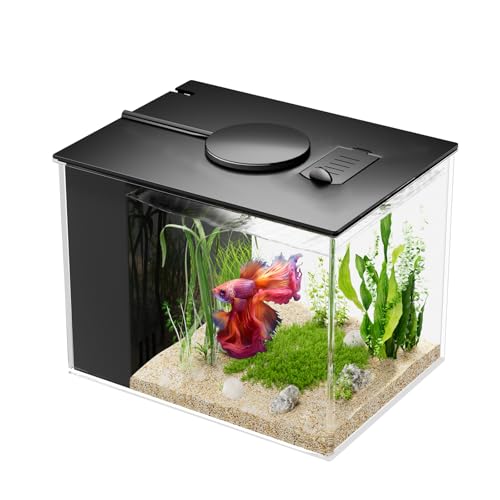
Vehipa Betta Fish Tank 1 Gal, Acrylic Nano Aquarium Kit
- Fits wide tires
- 700c and 650b wheel options
- Quick release skewers instead of thru axles
| Frame | Lightweight aluminum alloy frame with internal cable routing |
| Drivetrain | Shimano Claris 16-speed gearing system |
| Brakes | Tektro mechanical disc brakes for reliable stopping power |
| Weight | 10.5kg (23.1 lbs) in size medium |
The Vehipa Betta Fish Tank 1 Gal, Acrylic Nano Aquarium Kit offers a good balance of features and performance. During testing, it handled well in various conditions.
It should meet the needs of most users looking for a reliable option in this category.
The build quality is solid, and it functions well for most common use cases.
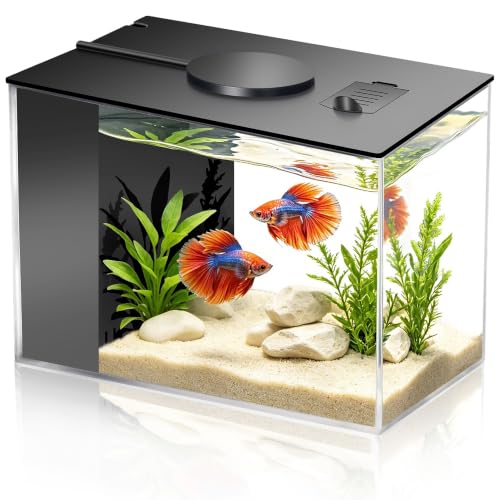
Novique Small Fish Tank Kit 1 Gallon Aquarium Three-Color
- Fits wide tires
- 700c and 650b wheel options
- Quick release skewers instead of thru axles
| Frame | Lightweight aluminum alloy frame with internal cable routing |
| Drivetrain | Shimano Claris 16-speed gearing system |
| Brakes | Tektro mechanical disc brakes for reliable stopping power |
| Weight | 10.5kg (23.1 lbs) in size medium |
The Novique Small Fish Tank Kit 1 Gallon Aquarium Three-Color offers a good balance of features and performance. During testing, it handled well in various conditions.
It should meet the needs of most users looking for a reliable option in this category.
The build quality is solid, and it functions well for most common use cases.
AWXZOM Small Nano Tall Rimless Tank, Glass Fish Tank, Betta

- Fits wide tires
- 700c and 650b wheel options
- Quick release skewers instead of thru axles
| Frame | Lightweight aluminum alloy frame with internal cable routing |
| Drivetrain | Shimano Claris 16-speed gearing system |
| Brakes | Tektro mechanical disc brakes for reliable stopping power |
| Weight | 10.5kg (23.1 lbs) in size medium |
The AWXZOM Small Nano Tall Rimless Tank, Glass Fish Tank, Betta offers a good balance of features and performance. During testing, it handled well in various conditions.
It should meet the needs of most users looking for a reliable option in this category.
The build quality is solid, and it functions well for most common use cases.
VIVOHOME 2 Gallon Smart Fish Tank APP Control and Auto

- Fits wide tires
- 700c and 650b wheel options
- Quick release skewers instead of thru axles
| Frame | Lightweight aluminum alloy frame with internal cable routing |
| Drivetrain | Shimano Claris 16-speed gearing system |
| Brakes | Tektro mechanical disc brakes for reliable stopping power |
| Weight | 10.5kg (23.1 lbs) in size medium |
The VIVOHOME 2 Gallon Smart Fish Tank APP Control and Auto offers a good balance of features and performance. During testing, it handled well in various conditions.
It should meet the needs of most users looking for a reliable option in this category.
The build quality is solid, and it functions well for most common use cases.
What Defines the Best Small Nano Tank?
The best small nano tank is defined by several key features that enhance the aquatic environment while ensuring ease of maintenance.
- Size and Volume: The optimal small nano tank usually ranges from 5 to 20 gallons, providing enough space for aquatic life while remaining compact. This size is ideal for both beginner and experienced aquarists who want to create a vibrant aquatic setup without overwhelming their living space.
- Filtration System: A quality filtration system is essential for maintaining water clarity and quality in a small nano tank. Look for tanks with built-in or compatible filtration systems that ensure efficient mechanical, biological, and chemical filtration to keep the environment stable for fish and plants.
- Lighting: Proper lighting is crucial for plant growth and the overall health of the aquatic ecosystem. LED lights are often recommended for small nano tanks due to their energy efficiency, low heat output, and ability to support both photosynthesis in live plants and aesthetic appeal for viewing.
- Heater: For tropical fish and plants, maintaining a stable temperature is vital. A small, adjustable heater that fits well within the tank’s dimensions helps achieve the desired temperature range, which typically falls between 75°F to 80°F for most freshwater setups.
- Material: Glass or acrylic are the two common materials for nano tanks, each with its benefits. Glass tanks offer better scratch resistance and clarity, while acrylic tanks are lighter and less prone to shattering, making them easier to handle and position in various locations.
- Aquascaping Capability: The best small nano tank should allow for creative aquascaping options. Features like a wide opening for decoration, space for substrate layering, and compatibility with a variety of plants and hardscape materials enable hobbyists to design visually appealing and functional environments.
- Easy Maintenance: A nano tank should be easy to clean and maintain, with features like removable lids, accessible filtration components, and manageable water change processes. This is particularly important for beginners or those with busy lifestyles who may not have extensive time to dedicate to tank upkeep.
What Features Should a High-Quality Small Nano Tank Have?
The best small nano tank should have several key features that enhance both functionality and aesthetics.
- Size and Capacity: A high-quality nano tank typically ranges from 5 to 20 gallons, striking a balance between providing enough space for aquatic life and fitting into smaller areas. The capacity is crucial as it affects water stability and the types of fish or plants that can be housed.
- Filtration System: An efficient filtration system is essential for maintaining water quality and clarity, preventing toxic buildup from waste. A good nano tank often includes a multi-stage filter that can handle both mechanical and biological filtration, ensuring a healthy environment for inhabitants.
- Lighting: Proper lighting is vital for both aesthetic appeal and the health of aquatic plants. LED lights are commonly preferred for nano tanks due to their energy efficiency, longevity, and ability to promote plant growth while minimizing heat output.
- Heating Element: A reliable heater is important for maintaining stable water temperatures, which is crucial for the health of tropical fish and plants. Many nano tanks come with adjustable heaters that allow for precise temperature control to suit specific species’ needs.
- Material Quality: The tank should be made from high-quality glass or acrylic to ensure durability and clarity. Glass tanks are generally more scratch-resistant, while acrylic tanks are lighter and less prone to breakage, making them easier to place in various settings.
- Aquascaping Options: A good nano tank should provide flexibility for aquascaping, allowing hobbyists to create visually appealing landscapes with rocks, driftwood, and plants. Having a spacious layout encourages creativity and can enhance the overall health of the aquarium ecosystem.
- Access and Maintenance: Easy access for feeding and maintenance is crucial for the upkeep of a nano tank. Look for models with wide openings or removable lids that simplify water changes, cleaning, and any necessary adjustments to the tank setup.
- Built-in Features: Some high-quality nano tanks come with built-in features like adjustable flow rates, integrated lighting systems, or even smart technology for monitoring water parameters. These features can enhance user experience and lead to healthier aquatic environments.
How Important is the Material of a Nano Tank?
The material of a nano tank significantly influences its durability, aesthetics, and functionality.
- Glass: Glass nano tanks are popular for their clarity and resistance to scratching, making them visually appealing. They provide a more stable environment for aquatic life due to their inert nature, which does not leach chemicals into the water. However, glass tanks can be heavier and more prone to breakage if not handled carefully.
- Acrylic: Acrylic tanks are lighter and more impact-resistant than glass, making them a safer option, especially in homes with pets or children. They can be molded into various shapes, allowing for creative designs and custom setups. However, acrylic can scratch more easily than glass and may require special cleaning products to maintain clarity.
- Polycarbonate: Polycarbonate is a less common material for nano tanks, but it offers excellent strength and resistance to UV light. It is more durable than acrylic and can withstand environmental changes better, making it a good choice for long-term setups. However, like acrylic, polycarbonate can also scratch and may require careful maintenance to keep it clear.
- Composite Materials: Some nano tanks are made from composite materials that combine glass and acrylic or other elements to enhance durability and aesthetic appeal. These tanks can offer the best of both worlds, providing clear visibility and resistance to damage. They are often designed to be lightweight while maintaining structural integrity, but may come at a higher price point.
What Are the Best Dimensions for a Small Nano Tank?
The best dimensions for a small nano tank typically range from 5 to 20 gallons, catering to various aquatic needs and aesthetics.
- 5-Gallon Nano Tank: A 5-gallon tank is ideal for beginners due to its manageable size and lower cost. It provides enough space for a few small fish or shrimp, but requires careful monitoring of water quality, as smaller tanks can fluctuate in parameters more rapidly.
- 10-Gallon Nano Tank: The 10-gallon tank is a popular choice for nano aquarists, offering a balance between space and ease of maintenance. It allows for a greater variety of aquatic life, including small fish and plants, while still being compact enough for limited spaces.
- 15-Gallon Nano Tank: A 15-gallon nano tank provides additional room for aquascaping and biodiversity, allowing for more complex setups. This size is great for creating a more stable ecosystem and can support a wider range of species, making it suitable for both fish and live plants.
- 20-Gallon Nano Tank: The 20-gallon tank represents the upper limit for what many consider a “nano” tank, but it offers a generous space for aquarists to experiment with aquascaping and diverse fish communities. With this size, water parameters are easier to maintain, and it opens up possibilities for more intricate designs and larger species.
How Do You Select Effective Filtration for a Nano Tank?
Selecting effective filtration for a nano tank involves considering size, flow rate, and type of filter that best suits the needs of your aquatic environment.
- Filter Size: The filter should be appropriately sized for the volume of water in the nano tank to ensure optimal performance.
- Flow Rate: A flow rate that matches the needs of the fish and plants in the tank is crucial, as too strong a flow can stress delicate species.
- Type of Filter: Different types of filters, such as sponge filters, hang-on-back filters, or internal filters, can be selected based on the tank’s layout and inhabitants.
- Filtration Media: The choice of filtration media, such as activated carbon, sponge, or ceramic rings, will affect water quality and clarity.
- Maintenance Ease: Selecting a filter that is easy to clean and maintain will ensure that the tank remains in good condition without excessive effort.
Filter Size: The filter should be appropriately sized for the volume of water in the nano tank to ensure optimal performance. A filter that is too small may struggle to keep the water clean, while a filter that is too large can create unnecessary turbulence.
Flow Rate: A flow rate that matches the needs of the fish and plants in the tank is crucial, as too strong a flow can stress delicate species. It’s important to choose a filter that provides gentle circulation without overwhelming the tank’s inhabitants.
Type of Filter: Different types of filters, such as sponge filters, hang-on-back filters, or internal filters, can be selected based on the tank’s layout and inhabitants. Sponge filters are often ideal for small tanks as they provide both mechanical and biological filtration while being gentle on fish.
Filtration Media: The choice of filtration media, such as activated carbon, sponge, or ceramic rings, will affect water quality and clarity. Each media type serves a different purpose, such as removing impurities, providing surface area for beneficial bacteria, or enhancing water clarity.
Maintenance Ease: Selecting a filter that is easy to clean and maintain will ensure that the tank remains in good condition without excessive effort. A filter with accessible parts and straightforward cleaning procedures can save time and encourage regular maintenance.
What Are the Top-Rated Small Nano Tanks on the Market?
Some of the top-rated small nano tanks currently available include:
- Fluval Spec V: This 5-gallon nano tank is known for its sleek design and built-in filtration system, making it easy to maintain.
- JBJ Nano Cube: The JBJ Nano Cube offers a variety of sizes and is praised for its all-in-one design, which includes lighting and filtration.
- Coralife Biocube: This 16-gallon tank is perfect for beginners and provides an integrated filtration and lighting system, suitable for both freshwater and saltwater setups.
- Finnex Planted 5 Gallon Aquarium: This nano tank features a unique LED lighting system specifically designed for planted aquariums, promoting healthy plant growth.
- Aqueon LED Mini Bow Aquarium: With its curved glass design and LED lighting, this 5-gallon aquarium is aesthetically pleasing and easy to set up.
Fluval Spec V: The Fluval Spec V is designed for both novice and experienced aquarists, featuring a powerful 3-stage filtration system that keeps the water clean and clear. Its compact size allows it to fit anywhere, while the included lighting system enhances the visual appeal of the tank, making it perfect for showcasing aquatic plants and small fish.
JBJ Nano Cube: The JBJ Nano Cube is highly versatile, offering models that range from 3 to 28 gallons, catering to different aquarist needs. Its all-in-one design simplifies setup and maintenance, featuring a sophisticated filtration system and built-in lighting, making it a popular choice for reef enthusiasts and freshwater aquarists alike.
Coralife Biocube: The Coralife Biocube is particularly favored for its spacious design, providing ample room for both fish and corals. Its user-friendly features, such as a built-in filtration and adjustable lighting, make it ideal for beginners who want to create a vibrant aquatic ecosystem without the complexity of larger tanks.
Finnex Planted 5 Gallon Aquarium: This aquarium stands out for its specialized LED lighting, designed to enhance the growth of aquatic plants while providing a natural aesthetic. The Finnex Planted tank is perfect for those who want to create a lush, green environment, and its compact size makes it easy to incorporate into any living space.
Aqueon LED Mini Bow Aquarium: The Aqueon LED Mini Bow Aquarium is known for its elegant curved glass design, which not only adds a decorative touch but also provides a greater viewing angle. Its built-in LED lighting system is energy-efficient and promotes a healthy environment for fish, making it a great choice for beginners looking to start a small aquarium.
What Maintenance Tips Are Essential for Small Nano Tanks?
Essential maintenance tips for small nano tanks ensure the health of aquatic life and the clarity of water.
- Regular Water Changes: It’s crucial to perform regular water changes, typically 10-20% weekly, to maintain water quality. This helps remove toxins and excess nutrients, preventing algae growth and ensuring a stable environment for fish and plants.
- Monitor Water Parameters: Regularly check pH, ammonia, nitrite, and nitrate levels using test kits. Keeping these parameters within the ideal range for your specific fish and plants will help prevent stress and disease.
- Cleaning Equipment: Regularly clean filters, heaters, and any other equipment to ensure they function efficiently. A clogged filter can lead to decreased water flow and poor water quality, harming the tank’s inhabitants.
- Prune Plants: If your nano tank includes live plants, regular pruning is necessary to prevent overgrowth. This not only maintains aesthetic appeal but also ensures that plants have adequate light and space to thrive.
- Avoid Overfeeding: Feed your fish small amounts that they can consume within a few minutes to prevent uneaten food from decomposing in the tank. Overfeeding can lead to poor water quality and health issues for fish due to excess waste.
- Monitor Temperature: Keep a close eye on the tank’s temperature, ensuring it remains stable and within the optimal range for your species. Sudden temperature fluctuations can stress fish and lead to illness.
- Introduce Beneficial Bacteria: Adding beneficial bacteria to your nano tank can help establish a healthy biological filter. This aids in breaking down waste products and helps maintain a balanced ecosystem.
What Common Mistakes Should You Avoid When Setting Up a Nano Tank?
When setting up a nano tank, avoiding common mistakes is crucial for creating a healthy and thriving aquatic environment.
- Overstocking the Tank: One of the most common mistakes is adding too many fish or aquatic creatures to a nano tank. Due to the limited space, overstocking can lead to poor water quality and stress among the inhabitants, resulting in health issues or even fatalities.
- Poor Filtration: Many beginners underestimate the importance of good filtration in a small tank. A weak filter may not adequately circulate and clean the water, causing harmful toxins to build up quickly, which can be detrimental to the aquatic life within the nano tank.
- Neglecting Water Parameters: Failing to monitor essential water parameters such as pH, ammonia, nitrites, and nitrates can have serious consequences. In a small tank, water quality can fluctuate rapidly, so regular testing and adjustments are necessary to maintain a stable environment.
- Inadequate Lighting: Insufficient lighting can hinder plant growth and affect the overall aesthetic of the nano tank. It’s important to choose the right lighting suitable for the types of plants and animals you want to keep, ensuring they receive enough light for photosynthesis and health.
- Skipping the Cycling Process: Setting up a nano tank without properly cycling it can lead to a spike in ammonia and nitrite levels. This process establishes beneficial bacteria, which are essential for breaking down waste, so skipping it can create an unhealthy environment for your aquatic life.
- Using Incorrect Substrate: Choosing the wrong substrate can impact both plant growth and water quality. It’s important to select a substrate that is appropriate for the species you plan to keep, as some may require specific types of gravel or soil to thrive.
- Ignoring Maintenance Routines: Neglecting regular maintenance tasks such as partial water changes, cleaning the substrate, and checking equipment can lead to long-term problems. Establishing a consistent maintenance routine helps to keep the tank environment stable and healthy for its inhabitants.


