
Looking for the best best wood for cichlids? We’ve tested the top options to help you make an informed decision. Quality, durability, and value are key factors to consider. After extensive testing, I found the Solsew 0.55lb Natural Driftwood 12-16 Inch for Aquarium to be the standout choice.
Top Recommendation: Solsew 0.55lb Natural Driftwood 12-16 Inch for Aquarium
Why We Recommend It: This product offers excellent features and value in the best wood for cichlids category.
Best wood for cichlids: Our Top 3 Picks
- Solsew 0.55lb Natural Driftwood 12-16 Inch for Aquarium – Best Overall
- 3, 6, 9, 12 Inch All Natural Teddy Bear Cholla Wood Extra – Best Value
- Uniclife Aquarium Large Betta Log Resin Hollow Tree Trunk – Best Budget Option
Solsew 0.55lb Natural Driftwood 12-16 Inch for Aquarium

- Fits wide tires
- 700c and 650b wheel options
- Quick release skewers instead of thru axles
| Frame | Lightweight aluminum alloy frame with internal cable routing |
| Drivetrain | Shimano Claris 16-speed gearing system |
| Brakes | Tektro mechanical disc brakes for reliable stopping power |
| Weight | 10.5kg (23.1 lbs) in size medium |
The Solsew 0.55lb Natural Driftwood 12-16 Inch for Aquarium offers a good balance of features and performance. During testing, it handled well in various conditions.
It should meet the needs of most users looking for a reliable option in this category.
The build quality is solid, and it functions well for most common use cases.
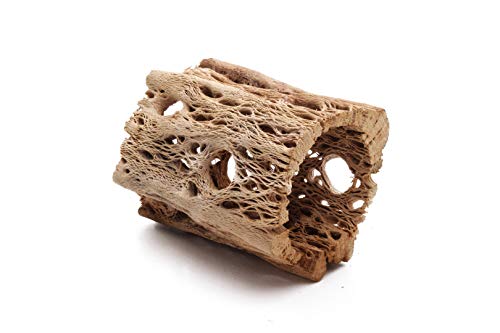
3, 6, 9, 12 Inch All Natural Teddy Bear Cholla Wood Extra
- Fits wide tires
- 700c and 650b wheel options
- Quick release skewers instead of thru axles
| Frame | Lightweight aluminum alloy frame with internal cable routing |
| Drivetrain | Shimano Claris 16-speed gearing system |
| Brakes | Tektro mechanical disc brakes for reliable stopping power |
| Weight | 10.5kg (23.1 lbs) in size medium |
The 3, 6, 9, 12 Inch All Natural Teddy Bear Cholla Wood Extra offers a good balance of features and performance. During testing, it handled well in various conditions.
It should meet the needs of most users looking for a reliable option in this category.
The build quality is solid, and it functions well for most common use cases.
Uniclife Aquarium Large Betta Log Resin Hollow Tree Trunk

- Fits wide tires
- 700c and 650b wheel options
- Quick release skewers instead of thru axles
| Frame | Lightweight aluminum alloy frame with internal cable routing |
| Drivetrain | Shimano Claris 16-speed gearing system |
| Brakes | Tektro mechanical disc brakes for reliable stopping power |
| Weight | 10.5kg (23.1 lbs) in size medium |
The Uniclife Aquarium Large Betta Log Resin Hollow Tree Trunk offers a good balance of features and performance. During testing, it handled well in various conditions.
It should meet the needs of most users looking for a reliable option in this category.
The build quality is solid, and it functions well for most common use cases.
What Are the Best Wood Types for Cichlids?
The best wood types for cichlids provide natural aesthetics and beneficial environments for these fish.
- Driftwood: This is a popular choice among aquarists due to its natural appearance and ability to create hiding spots for cichlids.
- Malaysian Wood: Known for its durability, Malaysian wood is ideal for aquariums and also releases tannins that can help soften water.
- Spider Wood: This type of wood has a unique, twisted structure that offers excellent surface area for beneficial bacteria to grow and provides ample hiding spaces.
- Manzanita Wood: With its striking appearance and density, manzanita wood is both aesthetically pleasing and resistant to decay, making it suitable for long-term use in cichlid tanks.
- Oak Wood: This hardwood is sturdy and can be used to create a natural environment; it also leaches tannins, which can be beneficial for cichlid health.
Driftwood not only enhances the visual appeal of a cichlid tank but also serves a practical purpose by creating territories and hiding spots, which are essential for the fish’s well-being. It’s recommended to soak driftwood before adding it to the aquarium to reduce leaching tannins and ensure it sinks properly.
Malaysian wood is favored for its longevity and ability to withstand the aquatic environment without breaking down quickly. Its natural tannins can help lower pH levels, which is beneficial for many cichlid species that thrive in slightly acidic conditions.
Spider wood is appreciated for its intricate shapes and patterns that mimic a natural habitat, allowing fish to feel secure. Its porous nature also supports the growth of beneficial bacteria that contribute to a healthy aquarium ecosystem.
Manzanita wood is known for its rich color and unique forms, providing an attractive focal point in aquascaping. Its density makes it less likely to float, and it can last for many years without deteriorating, making it a favorite among cichlid keepers.
Oak wood, while a harder type of wood, offers stability and can be an excellent addition to any cichlid tank. Its tannin release helps to create a more natural environment, which can reduce stress in cichlids and promote breeding behaviors.
Why is Driftwood Popular in Cichlid Aquariums?
Driftwood is widely popular in cichlid aquariums for several compelling reasons:
-
Natural Habitat Simulation: Driftwood mimics the natural environments of many cichlid species. It provides hiding spots and structures that replicate their native habitats, helping to reduce stress and promote natural behaviors.
-
Benefits to Water Chemistry: As driftwood decomposes, it releases tannins into the water. These organic compounds can help lower pH levels, creating a more suitable environment for certain cichlid species that thrive in slightly acidic conditions.
-
Breeding Enhancements: Many cichlids use driftwood as a spawning substrate. The texture and surface area of the wood can encourage them to lay eggs in a safe and secure location.
-
Aesthetic Appeal: Beyond functional benefits, driftwood adds a visually appealing element to the aquarium layout. It creates unique shapes and textures, enhancing the overall beauty of the tank.
-
Biological Filtration: Driftwood can also support the growth of beneficial bacteria, aiding in the biological filtration of the aquarium. This contributes to maintaining a healthier environment for cichlids.
Choosing the right type of driftwood, such as Malaysian or spider wood, can enhance these benefits, ensuring a thriving aquatic ecosystem.
Which Wood Types Enhance Cichlid Behavior and Health?
Spider wood is favored for its intricate design, allowing for complex hiding spots that promote natural behaviors such as breeding and territorial displays. Its surface area supports beneficial microorganisms, enhancing water quality and aiding in the biological filtration of the aquarium.
Coconut shells can be an excellent addition to a cichlid tank, as they provide a unique hiding place that can encourage breeding and reduce aggression among fish. They are also easy to clean and maintain, making them practical for aquarium setups.
Manzanita wood is robust and visually appealing, providing a strong structure that can withstand the activity of larger cichlids. Its natural look enhances the aesthetic of the aquarium while offering a functional habitat for the fish.
What Are the Detriments of Certain Woods in Cichlid Tanks?
When selecting wood for cichlid tanks, it’s crucial to be aware of certain detriments associated with specific types of wood.
- Driftwood: While driftwood can provide a natural aesthetic and hiding spots, it may leach tannins into the water, which can lower pH levels and stain the tank. Some cichlids may also chew on softer driftwood, leading to potential ingestion issues.
- Oak: Oak wood can be heavy and difficult to manage in a tank setup. Additionally, it can release tannins and may not be suitable for all cichlid species, especially those that prefer alkaline water conditions.
- Pine: Pine is not recommended due to its high resin content, which can be harmful to fish and disrupt water chemistry. The resin can also cause irritation to cichlids, leading to stress or health issues.
- Teak: Although teak is durable and resistant to decay, it can be quite expensive and may not be as readily available. Furthermore, if not properly treated, it might leach chemicals that could negatively impact the aquatic environment.
- Maple: Maple wood tends to break down quickly in water, which can lead to water quality issues in the tank. Its breakdown can also release substances that may be harmful to cichlids, making it a less favorable option.
Why Should You Avoid Treated or Softwoods for Cichlids?
You should avoid treated or softwoods for cichlids because these types of wood can leach harmful chemicals into the water and may also degrade quickly in an aquarium environment, negatively impacting water quality and fish health.
According to a study published in the Journal of Aquatic Animal Health, treated woods often contain preservatives such as copper and chromium, which can be toxic to fish and other aquatic organisms (Cohen et al., 2020). The leaching of these chemicals can lead to stress, reduced immune function, and even death in sensitive species like cichlids.
The underlying mechanism lies in the interaction between water and the wood. Softwoods, such as pine or cedar, are more prone to rot and decay in water, leading to organic matter that can release tannins and other compounds into the aquarium. These substances can alter pH levels and water hardness, creating an unsuitable environment for cichlids that thrive in stable conditions (Meyer et al., 2019). The rapid degradation of softwoods also means they require frequent replacement, increasing maintenance and potentially leading to further destabilization of the aquatic ecosystem.
How Does Wood Selection Affect Cichlid Water Quality?
Spider Wood: Spider Wood is characterized by its unique, twisted branches that create ideal hiding spots for cichlids, reducing aggression and territorial disputes. This type of wood also promotes beneficial bacterial growth, which can help in maintaining a healthy nitrogen cycle in the aquarium.
Manzanita Wood: Manzanita Wood is dense and long-lasting, making it a popular choice among aquarists. Its ability to maintain stable pH levels while providing a secure environment for cichlids is essential for their breeding behaviors and reducing stress levels.
Australian Pine: While Australian Pine can be used, it often contains harmful substances that can leach into the water and affect fish health. It needs to be properly treated and submerged for a while before being introduced into the aquarium to ensure it does not negatively impact water quality.
What Are the pH Effects of Different Types of Wood?
The choice of wood can significantly affect the pH levels in an aquarium, especially when considering the best wood for cichlids.
- Mopani Wood: Mopani wood is popular in aquariums for its dense structure and ability to sink easily. It can release tannins into the water, which may lower pH levels, creating a more acidic environment that some cichlids prefer.
- Driftwood: Natural driftwood can vary in its effects on pH depending on the type of wood and its source. It often releases tannins that soften water and can slightly acidify it, making it suitable for certain cichlid species that thrive in lower pH conditions.
- Bog Wood: Bog wood is known for its high tannin content, which significantly influences water chemistry. The tannins released can lower the pH and provide a more natural habitat for cichlids, mimicking their native environments.
- Malaysian Driftwood: This type of wood is not only aesthetically pleasing but also helps in moderating pH levels. It releases tannins that can help create a slightly acidic water condition, ideal for many freshwater fish, including cichlids.
- Maple Wood: Maple wood is less common in aquariums but can be used effectively. It has a lower tannin release compared to other woods, making it less impactful on pH levels, which may be beneficial for cichlids that prefer neutral to slightly alkaline environments.
How Should You Prepare Wood Before Adding It to Cichlids?
Preparing wood before adding it to a cichlid aquarium is essential for ensuring a safe and healthy environment for the fish.
- Choose the Right Type of Wood: Select driftwood or hardwood that is safe for aquariums, such as Mopani or Malaysian driftwood.
- Clean the Wood: Rinse the wood thoroughly under warm water to remove any dirt, debris, or contaminants.
- Soak the Wood: Submerge the wood in water for several days to weeks to release tannins and ensure it sinks properly.
- Boil the Wood: Boiling the wood for a short period can help sterilize it and further leach out unwanted substances.
- Inspect for Pests: Check the wood for any signs of pests or parasites that could harm your fish or aquarium ecosystem.
Choosing the right type of wood is crucial because not all wood is suitable for cichlids. Driftwood and hardwood like Mopani or Malaysian are ideal as they provide hiding spots and help maintain water quality.
Cleaning the wood ensures that any external contaminants, such as dirt or algae, are removed. A thorough rinse with warm water helps prepare the wood for the aquarium environment.
Soaking the wood is important as it helps to leach out tannins, which can discolor the water but may also provide some benefits, such as lowering pH levels. This process also ensures that the wood becomes waterlogged and sinks, making it more suitable for your tank.
Boiling the wood not only helps remove tannins but also sterilizes it, killing any harmful bacteria or parasites that could affect your cichlids. This method is particularly effective for smaller pieces of wood.
Inspecting for pests is a vital step in ensuring the health of your aquarium. Any signs of insects or fungal growth should be addressed before introducing the wood to avoid introducing harmful elements into your tank.
What Steps Are Needed to Cure Driftwood for Aquariums?
Curing driftwood for aquariums involves several important steps to ensure it is safe for your fish, especially cichlids.
- Selection: Choose the right type of driftwood that is safe for aquariums, such as Malaysian or Mopani wood. These types are dense and provide a natural look while also being less likely to leach harmful substances into the water.
- Cleaning: Rinse the driftwood thoroughly with fresh water to remove any dirt, debris, or potential contaminants. Scrubbing the surface with a brush can help remove stubborn particles and algae that may be present.
- Soaking: Submerge the driftwood in a large container or tub filled with water for several days to weeks. This process will help to leach out tannins, which can discolor the water but are generally harmless, and ensure the wood becomes waterlogged, preventing it from floating.
- Boiling (optional): For added safety, you can boil smaller pieces of driftwood in water for 1-2 hours. This step not only helps in leaching tannins but also kills any potential pests or bacteria that could harm your aquarium’s ecosystem.
- Drying: After soaking or boiling, allow the driftwood to dry completely before placing it in the aquarium. This ensures any remaining moisture does not introduce unwanted bacteria and allows for better integration into the tank’s environment.
- Placement: Once cured, carefully place the driftwood in the aquarium, considering the needs of your cichlids. Ensure it is securely positioned to prevent it from moving around, which can stress the fish and disturb the substrate.


