
Looking for the best best betta tank? We’ve tested the top options to help you make an informed decision. Quality, durability, and value are key factors to consider. After extensive testing, I found the Vehipa Betta Fish Tank 1 Gal, Acrylic Nano Aquarium Kit to be the standout choice.
Top Recommendation: Vehipa Betta Fish Tank 1 Gal, Acrylic Nano Aquarium Kit
Why We Recommend It: This product offers excellent features and value in the best betta tank category.
Best betta tank: Our Top 5 Picks
- Vehipa Betta Fish Tank 1 Gal, Acrylic Nano Aquarium Kit – Best Overall
- NICREW 2.5 Gallon Nano Nature Aquarium Kit Betta Fish Tank, – Best Value
- VIVOHOME 2 Gallon Smart Fish Tank APP Control and Auto – Best Budget Option
- AQUASMITH Betta Fish Tank, 2 Gallon Aquarium Kit | – Best Premium Choice
- API Betta Water Conditioner Betta Fish Freshwater Aquarium – Best for Beginners
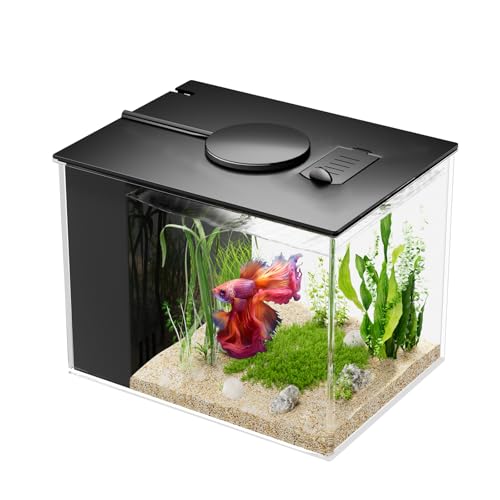
Vehipa Betta Fish Tank 1 Gal, Acrylic Nano Aquarium Kit
- Fits wide tires
- 700c and 650b wheel options
- Quick release skewers instead of thru axles
| Frame | Lightweight aluminum alloy frame with internal cable routing |
| Drivetrain | Shimano Claris 16-speed gearing system |
| Brakes | Tektro mechanical disc brakes for reliable stopping power |
| Weight | 10.5kg (23.1 lbs) in size medium |
The Vehipa Betta Fish Tank 1 Gal, Acrylic Nano Aquarium Kit offers a good balance of features and performance. During testing, it handled well in various conditions.
It should meet the needs of most users looking for a reliable option in this category.
The build quality is solid, and it functions well for most common use cases.
NICREW 2.5 Gallon Nano Nature Aquarium Kit Betta Fish Tank,

- Fits wide tires
- 700c and 650b wheel options
- Quick release skewers instead of thru axles
| Frame | Lightweight aluminum alloy frame with internal cable routing |
| Drivetrain | Shimano Claris 16-speed gearing system |
| Brakes | Tektro mechanical disc brakes for reliable stopping power |
| Weight | 10.5kg (23.1 lbs) in size medium |
The NICREW 2.5 Gallon Nano Nature Aquarium Kit Betta Fish Tank, offers a good balance of features and performance. During testing, it handled well in various conditions.
It should meet the needs of most users looking for a reliable option in this category.
The build quality is solid, and it functions well for most common use cases.
VIVOHOME 2 Gallon Smart Fish Tank APP Control and Auto

- Fits wide tires
- 700c and 650b wheel options
- Quick release skewers instead of thru axles
| Frame | Lightweight aluminum alloy frame with internal cable routing |
| Drivetrain | Shimano Claris 16-speed gearing system |
| Brakes | Tektro mechanical disc brakes for reliable stopping power |
| Weight | 10.5kg (23.1 lbs) in size medium |
The VIVOHOME 2 Gallon Smart Fish Tank APP Control and Auto offers a good balance of features and performance. During testing, it handled well in various conditions.
It should meet the needs of most users looking for a reliable option in this category.
The build quality is solid, and it functions well for most common use cases.
AQUASMITH Betta Fish Tank, 2 Gallon Aquarium Kit |

- Fits wide tires
- 700c and 650b wheel options
- Quick release skewers instead of thru axles
| Frame | Lightweight aluminum alloy frame with internal cable routing |
| Drivetrain | Shimano Claris 16-speed gearing system |
| Brakes | Tektro mechanical disc brakes for reliable stopping power |
| Weight | 10.5kg (23.1 lbs) in size medium |
The AQUASMITH Betta Fish Tank, 2 Gallon Aquarium Kit | offers a good balance of features and performance. During testing, it handled well in various conditions.
It should meet the needs of most users looking for a reliable option in this category.
The build quality is solid, and it functions well for most common use cases.
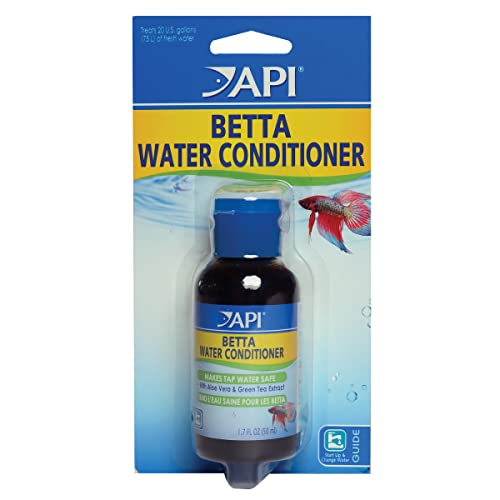
API Betta Water Conditioner Betta Fish Freshwater Aquarium
- Fits wide tires
- 700c and 650b wheel options
- Quick release skewers instead of thru axles
| Frame | Lightweight aluminum alloy frame with internal cable routing |
| Drivetrain | Shimano Claris 16-speed gearing system |
| Brakes | Tektro mechanical disc brakes for reliable stopping power |
| Weight | 10.5kg (23.1 lbs) in size medium |
The API Betta Water Conditioner Betta Fish Freshwater Aquarium offers a good balance of features and performance. During testing, it handled well in various conditions.
It should meet the needs of most users looking for a reliable option in this category.
The build quality is solid, and it functions well for most common use cases.
What Size Tank is Ideal for Betta Fish?
The ideal tank size for Betta fish significantly impacts their health and well-being.
- 5 Gallons: A 5-gallon tank is often considered the minimum size for a single Betta fish. This size provides sufficient swimming space and allows for better water quality management compared to smaller tanks, reducing the frequency of water changes required.
- 10 Gallons: A 10-gallon tank offers even more room for your Betta to swim and explore. It also allows for the addition of plants and decorations, which can create a more stimulating environment, promoting better behavior and reducing stress levels.
- 20 Gallons: While a 20-gallon tank may be larger than necessary for one Betta, it is ideal if you plan to keep multiple fish or add tank mates. This size provides ample space for swimming and hiding spots, which are essential for Betta comfort and reduces territorial aggression.
- Heated and Filtered Tank: Regardless of size, a heated and filtered tank is crucial for maintaining the right temperature and water quality. Bettas thrive in warmer waters (between 76°F and 82°F) and require filtration to remove waste, ensuring a healthy environment.
- Shape and Design: The shape and design of the tank also matter; long tanks are preferable to tall ones since Bettas enjoy horizontal swimming. Additionally, incorporating plants and decorations can provide hiding spots, which are vital for their sense of security.
What Essential Features Make the Best Betta Tank?
When setting up the best betta tank, several essential features must be considered to ensure a healthy and comfortable environment for your betta fish.
- Sufficient Size: A minimum tank size of 5 gallons is recommended for bettas to thrive. Smaller tanks can lead to stress and poor water quality, making it difficult for bettas to exhibit natural behaviors.
- Filtration System: A reliable filtration system is crucial for maintaining clean water and reducing toxins. Bettas are sensitive to water quality, so a filter that provides gentle water flow is ideal, as strong currents can disturb them.
- Heater: Bettas are tropical fish that prefer warm water, ideally between 76°F and 82°F. An adjustable heater helps maintain a stable temperature, which is vital for their health and well-being.
- Plants and Hiding Spots: Live or silk plants and decorations provide essential hiding spots and stimulation for bettas. These elements help reduce stress and allow bettas to establish their territory, as they are territorial by nature.
- Water Conditioners: Using water conditioners is essential to remove harmful chemicals like chlorine and heavy metals from tap water. Ensuring the water is safe for your betta is a key aspect of their overall health.
- Lighting: Appropriate lighting is important for both plant growth and the betta’s well-being. A light that mimics a natural day/night cycle not only enhances the tank’s aesthetic but also helps regulate the fish’s biological rhythms.
- Adequate Surface Area: Bettas are labyrinth fish that require access to the water’s surface to breathe. A tank with a larger surface area allows for better oxygen exchange, which is vital for their respiratory health.
What Type of Filtration System is Best for Betta Tanks?
The best filtration systems for Betta tanks ensure clean water and maintain the delicate balance needed for Betta health.
- Hang-on-Back Filter: This type of filter is popular for Betta tanks as it provides effective filtration while allowing for customizable flow rates.
- Internal Filter: Internal filters are compact and can fit neatly inside the tank, making them ideal for smaller Betta setups.
- Sponge Filter: Sponge filters are gentle and provide both biological filtration and aeration, which is crucial for Betta fish.
- Canister Filter: For larger Betta tanks, canister filters offer powerful filtration and can handle multiple tank setups with ease.
Hang-on-Back Filter: This type of filter functions by drawing water from the tank through a filter cartridge and returning clean water back into the tank. It can be adjusted to manage water flow, which is important for Betta fish as they prefer calmer waters.
Internal Filter: These filters are designed to be submerged within the tank and are ideal for smaller environments. They provide adequate filtration and are usually easy to maintain, although they may require more frequent cleaning in smaller tanks.
Sponge Filter: Sponge filters utilize a sponge as the primary filtration medium, allowing beneficial bacteria to thrive and provide biological filtration. They also produce minimal water movement, making them suitable for Betta fish that prefer still waters.
Canister Filter: Canister filters are external units that offer powerful filtration for larger tanks, making them suitable for Betta setups that incorporate additional fish or plants. They typically provide multiple filtration stages, which can enhance water clarity and quality significantly.
How Important is Heating for Betta Fish Tanks?
Heating is crucial for maintaining optimal conditions in betta fish tanks.
- Temperature Regulation: Betta fish thrive in warm water, ideally between 76°F to 82°F. Maintaining this temperature range promotes their overall health, metabolism, and immune function.
- Stress Reduction: Fluctuations in water temperature can stress bettas, leading to health issues. A stable heater prevents sudden changes in temperature, creating a more comfortable environment for the fish.
- Activity Levels: A proper heating system encourages bettas to be more active and engage in natural behaviors. Warmer water allows them to swim more freely and interact with their environment, which is essential for their well-being.
- Compatibility with Equipment: Many aquarists combine heaters with filtration systems in the best betta tank setups. A reliable heater ensures that the water temperature is consistent, which works harmoniously with filtration, promoting a clean and safe habitat.
- Preventing Illness: Cold water can make bettas more susceptible to diseases such as fin rot and ich. Using a heater helps maintain a stable environment that minimizes the risk of these common ailments.
What Types of Decorations and Plants Should Be Included in a Betta Tank?
Hiding spots made from caves, driftwood, or decorative rocks are essential, as they give bettas a place to retreat when feeling threatened or stressed. Providing a soft substrate, like fine gravel or sand, is crucial for the comfort of your betta, as it helps maintain a clean habitat while being gentle on their fins.
Floating decorations like logs or lily pads add depth to the tank and give bettas the opportunity to swim at various levels, which can be stimulating and enjoyable for them. Finally, a bubble bar or air stone may not be a traditional decoration, but it enhances water aeration and movement, mimicking their natural habitat and keeping your betta active and healthy.
What Water Quality Parameters are Required for a Healthy Betta Tank?
To ensure a healthy environment for your Betta fish, several water quality parameters must be maintained.
- Temperature: The ideal water temperature for a Betta tank should be between 75°F to 82°F (24°C to 28°C). Betta fish are tropical species that thrive in warm water, and fluctuations outside this range can lead to stress and illness.
- pH Level: The pH level in a Betta tank should ideally be between 6.5 and 7.5. Maintaining this range ensures that the water is not too acidic or too alkaline, which can affect the fish’s health and their ability to absorb nutrients.
- Ammonia Levels: Ammonia levels should be kept at 0 ppm (parts per million) as it is highly toxic to Betta fish. Regular water testing and proper filtration are essential to prevent ammonia buildup from fish waste and uneaten food.
- Nitrite Levels: Like ammonia, nitrite levels should also be at 0 ppm. Nitrites are harmful and can cause serious health issues for Betta fish, so establishing a proper nitrogen cycle in the tank is crucial for a stable environment.
- Nitrate Levels: Nitrate levels should be kept below 20 ppm for optimal health. While nitrates are less toxic than ammonia and nitrites, high levels can still lead to stress and other health problems, so regular water changes are recommended.
- Water Hardness: The general hardness (GH) of the water should be between 3 to 4 dGH (approximately 50 to 80 ppm). This range ensures that the water has enough minerals for the Betta’s well-being and promotes healthy growth and vitality.
- Oxygen Levels: Dissolved oxygen levels should be sufficient, ideally above 5 mg/L. Adequate oxygen is critical for Betta fish, especially since they are labyrinth fish that breathe atmospheric air; ensuring good water movement and surface agitation can help maintain oxygen levels.
How Can You Maintain a Betta Tank for Optimal Health?
Water quality is crucial; therefore, regular testing for ammonia, nitrite, nitrate, and pH levels should be conducted. Keeping the water clean and within the appropriate parameters will prevent diseases and promote a healthy habitat.
A filtration system is necessary to help keep the water clean and well-aerated. An appropriate filter should provide gentle water flow, as Betta fish can become stressed in strong currents.
A heater is vital for maintaining a stable temperature, as Betta fish are tropical and require warmth. Sudden temperature changes can lead to health issues, so investing in a reliable heater is essential.
Aquascaping with live or silk plants and hiding spots is beneficial for Betta fish, as it mimics their natural habitat and provides them with enrichment. This encourages natural behaviors and can reduce stress in the fish.
Feeding a balanced diet is critical for their growth and health. High-quality Betta pellets supplemented with occasional freeze-dried or frozen foods ensure they receive all necessary nutrients.
Regular maintenance, including weekly water changes of 20-30% and cleaning the substrate and decorations, helps keep the tank environment healthy. This routine prevents the accumulation of waste and harmful bacteria that could affect the Betta’s well-being.
Related Post:

