
Looking for the best best algaecide pond? We’ve tested the top options to help you make an informed decision. Quality, durability, and value are key factors to consider. After extensive testing, I found the API POND ALGAEFIX Pond Algae Control – Copper Free – Clean, to be the standout choice.
Top Recommendation: API POND ALGAEFIX Pond Algae Control – Copper Free – Clean,
Why We Recommend It: This product offers excellent features and value in the best algaecide pond category.
Best algaecide pond: Our Top 4 Picks
- API POND ALGAEFIX Pond Algae Control – Copper Free – Clean, – Best Overall
- Aquascape Algaecide for Pond, Waterfall, and Water – Best Value
- Crystal Plex – Lake and Pond Algaecide Treatment – Liquid – Best Budget Option
- Cutrine-Plus Liquid Algaecide – 1 Gallon EPA-Approved – Best Premium Choice
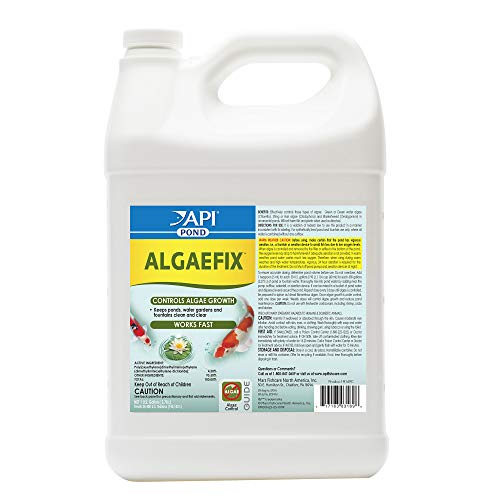
API POND ALGAEFIX Pond Algae Control – Copper Free – Clean,
- Fits wide tires
- 700c and 650b wheel options
- Quick release skewers instead of thru axles
| Frame | Lightweight aluminum alloy frame with internal cable routing |
| Drivetrain | Shimano Claris 16-speed gearing system |
| Brakes | Tektro mechanical disc brakes for reliable stopping power |
| Weight | 10.5kg (23.1 lbs) in size medium |
The API POND ALGAEFIX Pond Algae Control – Copper Free – Clean, offers a good balance of features and performance. During testing, it handled well in various conditions.
It should meet the needs of most users looking for a reliable option in this category.
The build quality is solid, and it functions well for most common use cases.
Aquascape Algaecide for Pond, Waterfall, and Water

- Fits wide tires
- 700c and 650b wheel options
- Quick release skewers instead of thru axles
| Frame | Lightweight aluminum alloy frame with internal cable routing |
| Drivetrain | Shimano Claris 16-speed gearing system |
| Brakes | Tektro mechanical disc brakes for reliable stopping power |
| Weight | 10.5kg (23.1 lbs) in size medium |
The Aquascape Algaecide for Pond, Waterfall, and Water offers a good balance of features and performance. During testing, it handled well in various conditions.
It should meet the needs of most users looking for a reliable option in this category.
The build quality is solid, and it functions well for most common use cases.
Crystal Plex – Lake and Pond Algaecide Treatment – Liquid

- Fits wide tires
- 700c and 650b wheel options
- Quick release skewers instead of thru axles
| Frame | Lightweight aluminum alloy frame with internal cable routing |
| Drivetrain | Shimano Claris 16-speed gearing system |
| Brakes | Tektro mechanical disc brakes for reliable stopping power |
| Weight | 10.5kg (23.1 lbs) in size medium |
The Crystal Plex – Lake and Pond Algaecide Treatment – Liquid offers a good balance of features and performance. During testing, it handled well in various conditions.
It should meet the needs of most users looking for a reliable option in this category.
The build quality is solid, and it functions well for most common use cases.
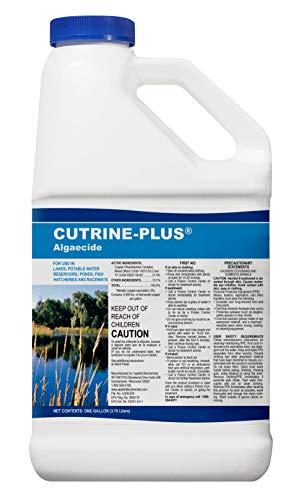
Cutrine-Plus Liquid Algaecide – 1 Gallon EPA-Approved
- Fits wide tires
- 700c and 650b wheel options
- Quick release skewers instead of thru axles
| Frame | Lightweight aluminum alloy frame with internal cable routing |
| Drivetrain | Shimano Claris 16-speed gearing system |
| Brakes | Tektro mechanical disc brakes for reliable stopping power |
| Weight | 10.5kg (23.1 lbs) in size medium |
The Cutrine-Plus Liquid Algaecide – 1 Gallon EPA-Approved offers a good balance of features and performance. During testing, it handled well in various conditions.
It should meet the needs of most users looking for a reliable option in this category.
The build quality is solid, and it functions well for most common use cases.
What Is Algaecide and How Does It Function in Ponds?
Algaecide is a chemical substance specifically designed to eliminate or inhibit the growth of algae in aquatic environments such as ponds, lakes, and swimming pools. These products function by targeting the cellular structures of algae, disrupting their metabolic processes, and ultimately leading to their death.
According to the Environmental Protection Agency (EPA), algaecides can be classified into two main categories: those that are used to treat existing algae infestations and those that serve as preventative measures to inhibit future growth (EPA, 2021). These chemicals can vary significantly in terms of their active ingredients, effectiveness, and safety for other aquatic life.
Key aspects of algaecides include their mode of action, which may involve the interruption of photosynthesis, the disruption of cell membranes, or the inhibition of reproduction in algal species. Common active ingredients found in algaecides include copper sulfate, hydrogen peroxide, and sodium carbonate peroxyhydrate. The choice of algaecide often depends on the type of algae present, the size of the water body, and the specific ecosystem conditions.
The impact of algaecides on pond ecosystems can be significant. While they effectively reduce algae blooms, which can deplete oxygen levels and produce toxins harmful to fish and other aquatic organisms, improper use can lead to unintended consequences. For instance, the application of copper-based algaecides can accumulate in sediment and affect non-target species. Additionally, it is essential to monitor the water quality post-application to ensure that the levels of chemicals do not exceed safe limits for other wildlife.
The benefits of using algaecides include improved water clarity, enhanced aesthetic appeal of ponds, and healthier aquatic environments for fish and plant life. Effective management of algae can prevent the development of harmful algae blooms (HABs), which can produce toxins detrimental to both human health and aquatic ecosystems. Regular monitoring and the use of algaecides as part of an integrated pond management strategy can help maintain balanced ecosystems.
Best practices for using algaecides involve thorough water testing prior to application, adhering to recommended dosages, and considering alternative methods such as mechanical removal or biological control. It is also crucial to follow local regulations regarding algaecide use to minimize environmental impact. By combining chemical treatments with preventive measures, pond owners can achieve optimal results while safeguarding the health of their aquatic ecosystems.
What Are the Different Types of Algae That Algaecides Can Target in Ponds?
Algaecides can target various types of algae found in ponds, each requiring specific treatment approaches.
- Green Algae: This is the most common type of algae found in ponds, often appearing as bright green scum on the surface. It thrives in nutrient-rich waters and can quickly multiply, leading to oxygen depletion and harming aquatic life.
- Blue-Green Algae: Also known as cyanobacteria, this type can produce toxins harmful to fish and humans. It typically forms in warm, stagnant water and can create unsightly blooms that may resemble paint on the water’s surface.
- Filamentous Algae: Characterized by long, thread-like structures, filamentous algae can form dense mats on the water surface. These mats can hinder water flow and light penetration, disrupting the ecosystem and making it difficult for other aquatic plants to thrive.
- Diatoms: These are single-celled algae with a unique silica shell, often found in clear, cold waters. While generally less problematic than other types, diatoms can still contribute to water quality issues if they grow excessively.
- Chara and Nitella (Stoneworts): These are macroscopic green algae that resemble higher plants and can compete with desirable aquatic plants for nutrients. While they can provide habitat for aquatic organisms, excessive growth can lead to pond imbalances.
What Are the Key Benefits of Using Algaecides in Pond Maintenance?
Improved Water Quality: Algae blooms can lead to murky water and deplete oxygen levels, adversely affecting fish and other aquatic organisms. By using an algaecide, pond owners can restore water clarity and quality, thereby promoting a healthier ecosystem.
Ease of Application: Most algaecides come in liquid or granular forms that are straightforward to apply, often requiring little more than mixing with water and distributing evenly across the pond surface. This simplicity allows for quick and effective treatment, making it less daunting for those unfamiliar with pond care.
Long-lasting Results: Certain formulations of algaecides are designed to provide extended control, which can reduce the frequency of applications needed throughout the growing season. This long-term effectiveness helps maintain a balanced ecosystem and minimizes the labor involved in pond upkeep.
Protection of Aquatic Life: When selecting the right algaecide, it’s essential to choose products that are safe for fish and plants. Many modern algaecides are specifically formulated to target only algae, ensuring that beneficial species within the pond remain unharmed, thus preserving the biodiversity of the aquatic environment.
What Factors Should You Consider When Choosing the Best Algaecide for Your Pond?
When selecting the best algaecide for your pond, several key factors should be taken into account:
- Type of Algae: It’s crucial to identify the specific type of algae present in your pond, as different algaecides target different species. For example, some products are effective against green algae, while others may specialize in controlling blue-green algae (cyanobacteria), which can be more harmful to aquatic life.
- Environmental Impact: Consider the ecological balance of your pond before choosing an algaecide. Opt for products that are safe for fish, plants, and other beneficial organisms to avoid disrupting the pond’s ecosystem while effectively controlling algae growth.
- Application Method: Algaecides come in various forms, including liquid, granular, and tablet. The method of application can affect how easily and effectively the product can be distributed throughout the pond, with some forms being better suited for larger water bodies than others.
- Active Ingredients: Look closely at the active ingredients in the algaecide, as some chemicals can be harsher than others. Natural or organic algaecides might be preferable for those who prioritize sustainability and safety for the pond’s inhabitants.
- Water Temperature and pH: The effectiveness of algaecides can vary based on water temperature and pH levels. It’s essential to check these parameters, as some products work best within specific ranges, ensuring optimal results without harming the pond’s environment.
- Frequency of Application: Determine how often you will need to apply the algaecide to maintain effective control of algae growth. Some products may offer a longer-lasting solution, while others might require more frequent applications, which can influence your decision based on maintenance preferences.
- Cost and Availability: Evaluate your budget and the availability of the algaecide in your area. While some products may be pricier, they might also offer superior results or longer-lasting effects, making them more cost-effective in the long run.
What Are Some Highly Recommended Algaecides for Ponds?
Some of the best algaecides for ponds include:
- Cutrine-Plus: This copper-based algaecide is known for its effectiveness against a variety of algae types, including green and filamentous algae.
- Algaway 5.4: This product features a non-toxic formulation that is safe for fish and other aquatic life, making it suitable for larger ponds.
- EarthTec: A powerful algaecide that is environmentally friendly and biodegradable, EarthTec is ideal for controlling algae blooms while ensuring minimal impact on the ecosystem.
- SeClear: This algaecide and aquatic herbicide is effective for both algae and certain submerged aquatic weeds, providing a dual action that is beneficial for pond management.
- Sonar PR: A systemic algaecide that targets algae at the root level, Sonar PR is effective against a wide range of algae species and offers long-lasting results.
Cutrine-Plus: This copper-based algaecide is effective against various types of algae, including green and filamentous algae. It works by releasing copper ions into the water, which disrupts the cellular processes of the algae, leading to their death. It is often used in recreational ponds and has a reputation for rapid results.
Algaway 5.4: This algaecide features a non-toxic formulation that is safe for fish and other aquatic life, making it an excellent choice for larger ponds where wildlife is present. Its active ingredient helps to control algae growth without causing harm to the pond’s ecosystem. Users appreciate its ease of application and effectiveness in maintaining clear water.
EarthTec: This product is noted for being environmentally friendly and biodegradable, making it suitable for ponds with sensitive wildlife. EarthTec works by targeting algae and preventing regrowth, ensuring long-term control without harmful side effects. Many pond owners prefer it because it maintains water quality while effectively managing algae blooms.
SeClear: This dual-action algaecide and aquatic herbicide not only controls algae but also certain submerged aquatic weeds. It is particularly useful in managing not just algae blooms but also invasive plant species that can disrupt the pond’s ecosystem. The combination of herbicidal and algaecidal properties makes SeClear a popular choice for comprehensive pond management.
Sonar PR: As a systemic algaecide, Sonar PR penetrates the algae and disrupts its growth from within, making it effective against a wide range of algae species. Its long-lasting properties mean that it can provide extended control over algae blooms, which is beneficial for maintaining clear water in ponds. It is favored among pond managers for its efficiency and effectiveness against persistent algae issues.
How Can You Ensure the Safe Use of Algaecides in Ponds?
Finally, observing the pond after application is critical. Noting any changes in fish behavior or water quality can help determine if the treatment was successful or if further action is needed.
What Eco-Friendly Alternatives to Chemical Algaecides Are Available for Pond Care?
There are several eco-friendly alternatives to chemical algaecides for effective pond care:
- Beneficial Bacteria: These are natural microorganisms that outcompete algae for nutrients and help maintain water quality.
- Barley Straw: When decomposed, barley straw releases compounds that inhibit algal growth while also enriching the pond ecosystem.
- Natural Enzymes: Enzyme treatments break down organic matter in the water, reducing nutrient levels that support algae proliferation.
- Floating Plants: Plants like water lilies and duckweed provide shade, which helps limit sunlight penetration and reduces algae growth.
- Ultraviolet (UV) Clarifiers: These devices use UV light to kill algae cells in the water, providing a chemical-free way to clear up green water.
Beneficial Bacteria: These bacteria are crucial in maintaining a balanced pond ecosystem. They consume excess nutrients from decaying organic matter, thus preventing algae from thriving and causing water clarity issues.
Barley Straw: This natural method involves placing bundles of barley straw in the pond. As it decomposes, it releases substances that can limit the growth of algae, making it a sustainable choice for long-term pond health.
Natural Enzymes: These enzyme products work by accelerating the breakdown of organic debris, which reduces the nutrient load in the water. By lowering nutrient levels, they create an unfavorable environment for algae while promoting a healthier aquatic habitat.
Floating Plants: Incorporating floating plants into the pond not only beautifies the space but also acts as a natural barrier against algae. By providing shade, these plants limit the amount of sunlight that reaches the water surface, which is essential for controlling algae growth.
Ultraviolet (UV) Clarifiers: UV clarifiers are an effective tool for combating algae. They utilize ultraviolet light to disrupt the reproduction of algae cells, thereby clearing the pond water without introducing any chemicals, making it safe for fish and other aquatic life.
Related Post:

