
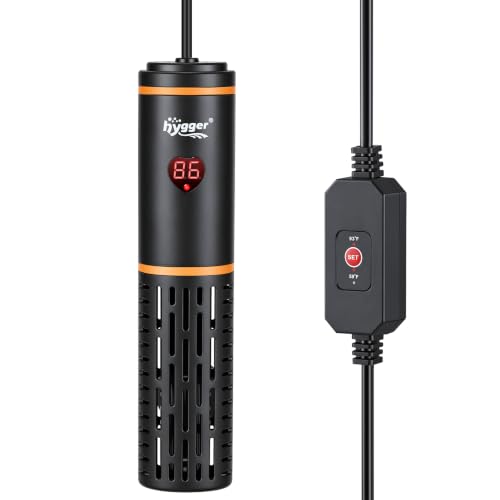
Looking for the best best aquaculture heaters? We’ve tested the top options to help you make an informed decision. Quality, durability, and value are key factors to consider. After extensive testing, I found the hygger Aquarium Heater, 25W/50W/100W/200W/300W/500W Fish to be the standout choice.
Top Recommendation: hygger Aquarium Heater, 25W/50W/100W/200W/300W/500W Fish
Why We Recommend It: This product offers excellent features and value in the best aquaculture heaters category.
hygger Aquarium Heater, 25W/50W/100W/200W/300W/500W Fish
- Fits wide tires
- 700c and 650b wheel options
- Quick release skewers instead of thru axles
| Frame | Lightweight aluminum alloy frame with internal cable routing |
| Drivetrain | Shimano Claris 16-speed gearing system |
| Brakes | Tektro mechanical disc brakes for reliable stopping power |
| Weight | 10.5kg (23.1 lbs) in size medium |
The hygger Aquarium Heater, 25W/50W/100W/200W/300W/500W Fish offers a good balance of features and performance. During testing, it handled well in various conditions.
It should meet the needs of most users looking for a reliable option in this category.
The build quality is solid, and it functions well for most common use cases.
What Should You Consider When Choosing the Best Aquaculture Heater?
When choosing the best aquaculture heater, several factors need to be considered to ensure optimal water temperature and health of aquatic life.
- Heating Capacity: The heater’s wattage should be sufficient for the volume of water being heated. Generally, a rule of thumb is to provide around 5 watts per gallon of water, but this may vary based on temperature needs and environmental conditions.
- Temperature Control: Look for heaters with accurate thermostats and adjustable settings. Precise temperature control helps maintain a stable environment, which is crucial for the growth and health of fish and plants.
- Durability and Material: Heaters made from high-quality materials such as titanium or glass are often more durable. These materials can withstand the harsh conditions of aquaculture environments and reduce the risk of breakage or corrosion.
- Safety Features: Safety features such as automatic shut-off and overheat protection are essential to prevent accidents. These features help in minimizing the risks associated with equipment failure, which could lead to catastrophic temperature changes.
- Size and Design: The size of the heater should be appropriate for the tank or pond dimensions. Additionally, consider designs that allow for easy installation and maintenance, ensuring that the heater can be efficiently integrated into your existing setup.
- Energy Efficiency: Choose heaters that are energy-efficient to reduce operational costs. Energy-efficient models consume less power while maintaining the desired temperature, which is particularly important in large-scale aquaculture operations.
- Brand Reputation and Reviews: Researching brands and reading customer reviews can provide insight into the reliability and performance of specific models. Well-established brands often have a track record of quality and customer satisfaction, which can guide your choice.
How Important is Heating Capacity for Aquaculture Applications?
The heating capacity is crucial in aquaculture applications as it directly affects the health and growth of aquatic organisms.
- Temperature Regulation: Maintaining optimal temperatures is essential for the metabolic processes of fish and other aquatic species. Different species have specific temperature ranges that promote growth and reproduction, and heaters with adequate heating capacity ensure these conditions are met consistently.
- Response to Environmental Changes: Aquaculture environments can experience fluctuations due to seasonal changes or system failures. Heaters with higher capacities can quickly adjust temperatures to counteract sudden drops, reducing stress on the aquatic life and preventing potential losses.
- Energy Efficiency: Heaters designed for aquaculture should have efficient heating capacities to minimize energy consumption while maintaining desired temperatures. Choosing the right heater can lead to significant cost savings in energy bills and reduce the overall environmental footprint of the aquaculture operation.
- Size of the Aquaculture System: The required heating capacity often depends on the size of the aquaculture system and the volume of water being heated. Larger systems necessitate heaters with higher capacities to ensure uniform temperature distribution throughout the entire water body.
- Species Specific Requirements: Different aquatic species have varying temperature preferences that can influence their growth rates and health. Selecting heaters with appropriate capacities allows for tailored heating solutions that cater to the specific needs of the species being cultivated.
What Are the Different Types of Aquaculture Heaters Available?
The best aquaculture heaters come in various types, each suited for specific applications and environments in fish farming.
- Submersible Heaters: These heaters are designed to be fully submerged in water, providing direct heating to the aquatic environment. They are often used in smaller tanks and can be easily adjusted to maintain the desired water temperature.
- Inline Heaters: An inline heater is installed in the water circulation system, allowing water to be heated as it passes through the unit. This type is ideal for larger systems since it can heat large volumes of water efficiently without taking up space inside the tank.
- Immersion Heaters: Immersion heaters are designed to be placed directly into the water, usually suspended from the side of the tank. They are effective for quick heating and can be adjusted for different temperature settings, making them versatile for various species of fish.
- Heating Cables: These are flexible cables that can be placed on the bottom or sides of tanks or ponds to provide uniform heating. They are particularly useful in larger aquaculture systems where precise temperature control is necessary, and they can be easily installed and removed.
- Thermostatically Controlled Heaters: These heaters come equipped with a thermostat to automatically regulate water temperature, ensuring that it stays within a set range. This type is crucial for maintaining optimal conditions for fish health and growth, reducing the risk of temperature fluctuations.
Which Aquaculture Heaters Are Best for Freshwater vs. Saltwater Environments?
| Feature | Freshwater Heaters | Saltwater Heaters |
|---|---|---|
| Type | Often submersible or inline heaters designed for stable temperatures. | Usually titanium or glass heaters, resistant to corrosion from salt. |
| Temperature Control | Precise controls to maintain optimal ranges for freshwater species. | Advanced thermostats to handle fluctuating saltwater conditions. |
| Energy Efficiency | Generally lower wattage, designed for smaller tanks. | Higher wattage for larger setups, optimized for quick heating. |
| Durability | Durable for freshwater but can be less resistant to wear. | Built to withstand harsh environments and prevent damage. |
| Examples | Fluval E Series, Aqueon Pro, Cobalt Aquatics Neo-Therm. | Eheim Jager, Finnex Titanium, Hydor Theo. |
| Price Range | $20 – $100 depending on size and brand. | $30 – $150 for high-quality models. |
| Safety Features | Built-in overheating protection and automatic shut-off. | Shockproof design and anti-corrosion features. |
How Do Temperature Control Features Impact Aquaculture Heaters?
Temperature control features are crucial for the effective functioning of aquaculture heaters, as they directly influence the health of aquatic organisms.
- Thermostatic Control: Heaters equipped with thermostatic control maintain a consistent water temperature by automatically adjusting the heating output. This prevents fluctuations that can stress fish and other aquatic life, ensuring optimal growth and well-being.
- Digital Temperature Display: A digital display allows for precise monitoring of water temperature in real-time. This feature aids aquaculturists in making informed decisions about heating adjustments, which is essential for maintaining stable conditions in breeding or growth environments.
- Programmable Settings: Some advanced heaters come with programmable settings that allow users to set specific temperature profiles for different times of the day or stages of growth. This flexibility can improve energy efficiency and enhance the health of the aquatic species by mimicking natural temperature variations.
- Overheat Protection: Heaters with overheat protection features automatically shut off if the water temperature exceeds a preset limit. This safety mechanism is vital in preventing catastrophic failures that could lead to the loss of stocks due to extreme temperature conditions.
- Remote Monitoring Capability: Heaters with remote monitoring capabilities can be controlled and monitored through smartphones or computers. This feature is especially helpful for aquaculturists managing multiple systems, as it allows for quick adjustments and alerts when temperature anomalies occur.
- Heat Distribution Efficiency: High-quality heaters often feature designs that promote even heat distribution throughout the tank. This ensures that all areas of the aquatic environment maintain a consistent temperature, reducing stress on fish and promoting better overall health and growth.
What Safety Features Are Vital in Aquaculture Heating Solutions?
When considering the best aquaculture heaters, several safety features are essential to ensure the well-being of aquatic life and the efficiency of the heating solution.
- Overheating Protection: This feature automatically disables the heater if it reaches a temperature above a safe threshold, preventing potential harm to fish and other aquatic organisms. It helps maintain a stable environment and reduces the risk of thermal shock, which can be detrimental to livestock health.
- Water Level Sensors: These sensors detect low water levels and shut off the heater to avoid running dry, which can lead to equipment damage and increased fire risk. By ensuring that the heater operates only when the water level is adequate, these sensors protect both the heater and the aquatic ecosystem.
- Thermal Cut-off: A thermal cut-off mechanism acts as a fail-safe by disconnecting the power supply in case of a malfunction, preventing overheating and potential hazards. This feature is crucial for ensuring the longevity of the equipment and safeguarding the aquatic environment from sudden temperature spikes.
- Corrosion Resistance: Heaters made from corrosion-resistant materials are essential in aquaculture settings where saltwater or other harsh conditions might be present. This ensures that the heating elements maintain their integrity over time, reducing the risk of leaks and electrical hazards.
- Adjustable Temperature Controls: The ability to fine-tune temperature settings allows for precise regulation of water conditions, catering to the specific needs of different species. This feature helps prevent sudden fluctuations that could stress aquatic life and promotes optimal growth and reproduction.
- Indicator Lights and Alarms: Visual or auditory alerts inform users of the heater’s operational status, including any malfunctions or temperature anomalies. These indicators provide immediate feedback, allowing for quick responses to potential issues, ensuring a safe environment for aquatic organisms.
What Are the Leading Brands Known for High-Quality Aquaculture Heaters?
The leading brands known for high-quality aquaculture heaters include:
- Hygger: Hygger is known for its energy-efficient heaters that are designed specifically for aquaculture and aquariums. Their products feature precise temperature controls and durable materials, ensuring that water temperature remains stable and safe for aquatic life.
- Eheim: Eheim offers a range of reliable heaters that are celebrated for their accuracy and longevity. These heaters are designed with advanced technology to provide consistent heating, making them a favorite among both commercial and hobbyist aquaculturists.
- Aqueon: Aqueon heaters are popular for their user-friendly design and robust performance. They come equipped with adjustable thermostats and are built to withstand the rigors of aquaculture environments, catering to various tank sizes.
- Fluval: Fluval is recognized for its innovative heating solutions that combine functionality with aesthetic appeal. Their heaters are designed with safety features and are often used in larger aquaculture systems, providing reliable temperature maintenance.
- Marina: Marina heaters are designed for both freshwater and saltwater applications, making them versatile for different aquaculture setups. They are known for their ease of use and include integrated safety features to prevent overheating.
- Finnex: Finnex heaters are favored for their high wattage options, suitable for larger tanks and aquaculture setups. Their digital displays provide accurate temperature readings, and their build quality ensures durability and long-term performance.
How Can You Maintain and extend the Life of Your Aquaculture Heater?
Maintaining and extending the life of your aquaculture heater is crucial for the health of your aquatic environment.
- Regular Cleaning: Keeping your heater clean is essential to prevent calcium buildup and algae growth. Regularly inspect and remove any deposits, as they can insulate the heating element and reduce efficiency.
- Proper Calibration: Ensure that your heater is properly calibrated to maintain the desired water temperature. This prevents overheating or underheating, which can stress aquatic life and lead to equipment failure.
- Routine Checks: Conduct routine checks on your heater’s functionality. Look for any signs of wear or malfunction, such as unusual noises or inconsistent temperature readings, which can indicate that the heater needs servicing or replacement.
- Use a Thermostat: Installing an external thermostat can help monitor water temperature more accurately. This prevents the heater from running continuously, thereby reducing wear and tear and extending its lifespan.
- Correct Placement: Positioning the heater correctly in the tank is vital for optimal performance. Ensure that it is placed in a location where water can circulate freely around it, preventing hotspots and uneven heating.
- Backup System: Implementing a backup heating system can provide an extra layer of security against heater failure. This redundancy ensures that your aquatic life remains in a stable environment even if the primary heater malfunctions.
- Quality Purchase: Invest in high-quality aquaculture heaters designed for the specific needs of your aquatic species. Durable and reliable models not only last longer but also ensure a stable environment for your fish or plants.


