
Looking for the best best aquaium gravel? We’ve tested the top options to help you make an informed decision. Quality, durability, and value are key factors to consider. After extensive testing, I found the Spectrastone Special Turquoise Aquarium Gravel for to be the standout choice.
Top Recommendation: Spectrastone Special Turquoise Aquarium Gravel for
Why We Recommend It: This product offers excellent features and value in the best aquaium gravel category.
Best aquaium gravel: Our Top 5 Picks
- Spectrastone Special Turquoise Aquarium Gravel for – Best Overall
- Spectrastone Special Blue Aquarium Gravel for Freshwater – Best Value
- Spectrastone Special Light Blue Aquarium Gravel for – Best Budget Option
- Spectrastone Special Black Aquarium Gravel for Freshwater – Best Premium Choice
- Spectrastone Permaglo Green Aquarium Gravel for Freshwater – Best for Beginners
Spectrastone Special Turquoise Aquarium Gravel for

- Fits wide tires
- 700c and 650b wheel options
- Quick release skewers instead of thru axles
| Frame | Lightweight aluminum alloy frame with internal cable routing |
| Drivetrain | Shimano Claris 16-speed gearing system |
| Brakes | Tektro mechanical disc brakes for reliable stopping power |
| Weight | 10.5kg (23.1 lbs) in size medium |
The Spectrastone Special Turquoise Aquarium Gravel for offers a good balance of features and performance. During testing, it handled well in various conditions.
It should meet the needs of most users looking for a reliable option in this category.
The build quality is solid, and it functions well for most common use cases.
Spectrastone Special Blue Aquarium Gravel for Freshwater

- Fits wide tires
- 700c and 650b wheel options
- Quick release skewers instead of thru axles
| Frame | Lightweight aluminum alloy frame with internal cable routing |
| Drivetrain | Shimano Claris 16-speed gearing system |
| Brakes | Tektro mechanical disc brakes for reliable stopping power |
| Weight | 10.5kg (23.1 lbs) in size medium |
The Spectrastone Special Blue Aquarium Gravel for Freshwater offers a good balance of features and performance. During testing, it handled well in various conditions.
It should meet the needs of most users looking for a reliable option in this category.
The build quality is solid, and it functions well for most common use cases.
Spectrastone Special Light Blue Aquarium Gravel for

- Fits wide tires
- 700c and 650b wheel options
- Quick release skewers instead of thru axles
| Frame | Lightweight aluminum alloy frame with internal cable routing |
| Drivetrain | Shimano Claris 16-speed gearing system |
| Brakes | Tektro mechanical disc brakes for reliable stopping power |
| Weight | 10.5kg (23.1 lbs) in size medium |
The Spectrastone Special Light Blue Aquarium Gravel for offers a good balance of features and performance. During testing, it handled well in various conditions.
It should meet the needs of most users looking for a reliable option in this category.
The build quality is solid, and it functions well for most common use cases.
Spectrastone Special Black Aquarium Gravel for Freshwater

- Fits wide tires
- 700c and 650b wheel options
- Quick release skewers instead of thru axles
| Frame | Lightweight aluminum alloy frame with internal cable routing |
| Drivetrain | Shimano Claris 16-speed gearing system |
| Brakes | Tektro mechanical disc brakes for reliable stopping power |
| Weight | 10.5kg (23.1 lbs) in size medium |
The Spectrastone Special Black Aquarium Gravel for Freshwater offers a good balance of features and performance. During testing, it handled well in various conditions.
It should meet the needs of most users looking for a reliable option in this category.
The build quality is solid, and it functions well for most common use cases.
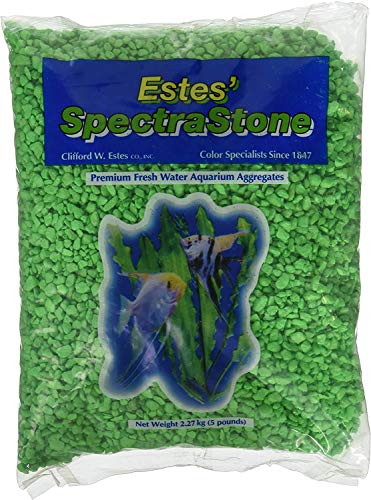
Spectrastone Permaglo Green Aquarium Gravel for Freshwater
- Fits wide tires
- 700c and 650b wheel options
- Quick release skewers instead of thru axles
| Frame | Lightweight aluminum alloy frame with internal cable routing |
| Drivetrain | Shimano Claris 16-speed gearing system |
| Brakes | Tektro mechanical disc brakes for reliable stopping power |
| Weight | 10.5kg (23.1 lbs) in size medium |
The Spectrastone Permaglo Green Aquarium Gravel for Freshwater offers a good balance of features and performance. During testing, it handled well in various conditions.
It should meet the needs of most users looking for a reliable option in this category.
The build quality is solid, and it functions well for most common use cases.
What is Aquarium Gravel and Why is It Important for Aquariums?
Benefits of using the best aquarium gravel include improved water quality, enhanced visual appeal, and a healthier living environment for fish and plants. High-quality gravel can help reduce the frequency of maintenance by providing a stable environment that promotes healthy bacterial colonies, ultimately leading to a more sustainable aquarium setup.
Solutions and best practices for selecting aquarium gravel include considering the specific needs of the fish and plants to be housed in the aquarium. It is advisable to choose gravel that is not treated with harmful chemicals and to rinse it thoroughly before adding it to the tank to remove any dust or contaminants. Additionally, using a mix of different sizes of gravel can create a more dynamic environment that benefits both fish and plants.
What Types of Aquarium Gravel Are Available?
There are several types of aquarium gravel available, each with unique characteristics that can benefit different types of aquariums.
- Natural Gravel: This type is sourced from riverbeds and lakes, offering a natural look that blends well in most aquariums. It is often mixed with various sizes of gravel to provide a more organic appearance and can help in supporting beneficial bacteria growth.
- Colored Gravel: Available in a variety of colors, this gravel can add a vibrant aesthetic to your aquarium. However, it’s essential to choose high-quality colored gravel that won’t leach harmful chemicals into the water, as lower-quality options may affect water quality.
- Crushed Coral: This type of gravel is made from crushed coral and shells, which can help to raise the pH level of the water. It is particularly beneficial for marine aquariums or for keeping specific freshwater species that thrive in alkaline conditions.
- Gravel with Nutrients: Designed for planted tanks, this gravel contains nutrients that promote healthy plant growth. It often has a finer texture and can help anchor plants securely while providing essential minerals to support their development.
- Silica Sand: This fine sand is suitable for aquariums housing species like cichlids or those that enjoy digging. Silica sand allows for better water flow and prevents the buildup of harmful waste, making it easier to maintain water quality.
- Glass Gravel: Made from recycled glass, this type of gravel is eco-friendly and comes in many colors and shapes. While it adds a unique visual appeal, it’s important to ensure that the edges are smooth to prevent injury to fish and other aquatic life.
How Does Natural Gravel Differ from Colored Gravel?
The main differences between natural gravel and colored gravel for aquariums are their composition, aesthetics, and potential effects on water chemistry.
- Natural Gravel: This type is composed of naturally occurring stones and pebbles, often sourced from riverbeds or lakes.
- Colored Gravel: This gravel is typically made from natural stones that have been dyed or coated to achieve vibrant colors.
Natural Gravel: Natural gravel offers a more organic look and tends to blend well with aquatic plants and fish. It is generally free from harmful chemicals and coatings that could leach into the water, making it a safer choice for sensitive aquatic life. Additionally, natural gravel can help maintain water parameters, as it often contains beneficial minerals that can enhance the aquarium environment.
Colored Gravel: While colored gravel provides a visually striking and customizable aesthetic for aquariums, it can sometimes pose risks if the dye used is not aquarium-safe. Some colored gravels may also alter the water chemistry, potentially affecting the health of fish and plants. Choosing high-quality, non-toxic colored gravel can mitigate these risks, ensuring a vibrant yet safe environment for your aquarium inhabitants.
What Are the Pros and Cons of Using Sand Instead of Gravel?
| Aspect | Sand | Gravel |
|---|---|---|
| Pros | Provides a softer bottom, ideal for certain fish species (e.g., catfish, loaches). Can be easier to plant in for aquatic plants (e.g., Java fern, Cryptocoryne). | Better water filtration, prevents debris accumulation. Easier to clean and maintain overall. Suitable for fish like cichlids that require a rougher substrate. |
| Cons | Can compact and cause anaerobic zones. May lead to poor water quality if not maintained. Not suitable for fish that dig (e.g., certain cichlids). | Can be sharp and abrasive to some fish species (e.g., bottom dwellers). Heavier and may require more effort to rearrange. Can alter water chemistry if not rinsed properly. |
| Maintenance Frequency | Requires less frequent vacuuming, but should be checked regularly for compaction. | Needs regular vacuuming to prevent debris buildup, typically every 1-2 weeks. |
| Effect on Water Chemistry | Generally neutral, but can trap organic matter which may lead to ammonia spikes if not managed. | Can affect pH and hardness depending on the type of gravel used (e.g., limestone gravel raises pH). |
How Does Aquarium Gravel Affect Your Fish and Aquatic Plants?
Aquarium gravel plays a crucial role in the health of fish and aquatic plants, influencing water quality, aesthetics, and habitat. The best aquarium gravel should be chosen based on its size, type, and suitability for the specific needs of the aquarium’s inhabitants.
- Size: The size of aquarium gravel can significantly affect the growth of plants and the behavior of fish. Smaller gravel allows for better root anchorage for aquatic plants, while larger gravel can facilitate better water flow and aeration, preventing the build-up of harmful substances.
- Type: The type of gravel, whether natural, colored, or coated, can impact the overall health of your aquarium. Natural gravel typically contains beneficial minerals and does not leach harmful substances, while colored or coated gravels can sometimes alter water chemistry or become a source of toxins if not properly chosen.
- Porosity: The porosity of the gravel determines how much beneficial bacteria can colonize the substrate. A more porous gravel provides a larger surface area for beneficial bacteria, which helps in breaking down harmful waste and maintaining water quality.
- Maintenance: Some gravels are easier to clean and maintain than others. Choosing gravel that does not trap debris and is easy to siphon can reduce the frequency of maintenance, making it easier to keep the aquarium environment healthy for fish and plants.
- Color: The color of the gravel can enhance the visual appeal of the aquarium but can also affect the stress levels of fish. Darker gravels can provide a calming environment for certain species, while brightly colored gravels might stress some fish, impacting their behavior and health.
Why is Grain Size Significant for Fish Safety?
According to research from the Journal of Aquatic Research, the size of gravel particles can influence the retention of detritus and organic waste, which can lead to toxic buildups if not properly managed. Smaller grains tend to trap more debris, while larger grains facilitate better water flow and reduce waste accumulation, thereby promoting a healthier environment for fish (Smith et al., 2022).
The underlying mechanism involves the balance of aerobic and anaerobic bacteria populations in the substrate. Larger gravel sizes allow for greater oxygen flow, which supports aerobic bacteria that break down waste products efficiently. In contrast, smaller gravel can create anoxic pockets where harmful bacteria proliferate, potentially releasing toxins into the water. This dynamic illustrates how grain size not only impacts physical conditions but also the biological processes crucial for maintaining fish health and safety in aquariums.
How Can the Material of the Gravel Influence Water Quality?
The material of the gravel can significantly influence water quality in aquariums.
- Natural River Gravel: This type of gravel is often favored for its natural appearance and texture. It typically contains minerals and nutrients that can help maintain a balanced pH level in the water, promoting a healthier environment for aquatic life.
- Crushed Coral: Crushed coral gravel is known for its alkalinity, making it a great option for aquariums with fish that thrive in harder water. It slowly releases calcium carbonate into the water, which can help buffer pH levels, preventing drastic changes that could stress fish.
- Silica Sand: While not technically gravel, silica sand is used in aquariums for its smooth texture and aesthetic appeal. It is inert, meaning it does not alter water chemistry, making it ideal for sensitive species that require stable water parameters.
- Colored Gravel: Often treated with dyes, colored gravel can enhance the visual appeal of an aquarium. However, some dyes may leach into the water, potentially affecting water quality and harming fish, so it’s important to choose products specifically designed for aquarium use.
- Peat Gravel: This type of gravel is composed of decomposed organic materials, which can release tannins into the water. While this can lower pH and soften water, it may also discolor it, which some aquarists find aesthetically undesirable.
What Should You Look for When Choosing Aquarium Gravel?
When choosing the best aquarium gravel, there are several important factors to consider:
- Particle Size: The size of the gravel particles can significantly affect the health of your aquarium. Smaller gravel can trap debris and waste, leading to poor water quality, while larger pieces allow for better water circulation but may not provide adequate support for plant roots.
- Color and Aesthetics: The color of the gravel can enhance the visual appeal of your aquarium. Brightly colored gravel can make your aquarium stand out, but it’s essential to choose colors that complement the fish and plants, as well as ensure that they do not leach harmful chemicals into the water.
- Material Composition: Gravel can be made from various materials such as natural stone, glass, or synthetic substances. Natural gravel is often the safest option for aquatic life, while some synthetic materials may not be suitable as they can release toxins into the water over time.
- Porosity: The porosity of the gravel affects how well beneficial bacteria can colonize it. Highly porous materials provide a larger surface area for bacteria, which aids in biological filtration, helping to maintain a stable and healthy aquarium environment.
- Ease of Cleaning: Some gravels are easier to clean than others, which is an important consideration for maintenance. Gravel that is too rough or features complex shapes may trap debris, while smooth, round gravel is often easier to vacuum during routine cleaning.
- Compatibility with Plants and Fish: If you plan to keep live plants or specific fish species, you need to select gravel that meets their needs. Some plants require finer substrate for root growth, while certain fish may prefer specific types of substrate to thrive.
- Weight: Heavier gravel can provide stability for decorations and plants but may also be difficult to work with during setup. Conversely, lighter gravel is easier to handle but may shift or become dislodged more easily when fish dig or rearrange the substrate.
How Do You Maintain and Clean Aquarium Gravel Effectively?
Maintaining and cleaning aquarium gravel effectively involves several key practices to ensure a healthy environment for aquatic life.
- Regular Vacuuming: Use a gravel vacuum during water changes to remove debris and uneaten food that settles in the gravel. This tool helps to siphon out waste while replacing a portion of the water, maintaining water quality.
- Water Changes: Perform regular water changes, ideally every two weeks, to dilute toxins and nutrients that accumulate in the aquarium. During these changes, you can also clean the gravel, ensuring a cleaner substrate for fish and plants.
- Aquarium Filter Maintenance: A good filtration system helps keep the gravel clean by continuously circulating water and trapping particulate matter. Regularly clean or replace filter media to maintain efficiency and prevent buildup that can affect your gravel’s cleanliness.
- Monitor Fish Feeding: Be mindful of the amount of food you provide to your fish, as overfeeding can lead to excess waste settling in the gravel. Adjust feeding practices to ensure that all food is consumed, reducing the organic matter that can decompose in the substrate.
- Use Live Plants: Incorporating live plants can help maintain cleaner gravel as they absorb excess nutrients and provide oxygen. Their root systems can also help stabilize the gravel and prevent it from becoming compacted, promoting a healthier aquarium ecosystem.


