
Looking for the best best aquaium planted tank light? We’ve tested the top options to help you make an informed decision. Quality, durability, and value are key factors to consider. After extensive testing, I found the hygger Auto On Off LED Aquarium Light 48-55 Inches Dimmable to be the standout choice.
Top Recommendation: hygger Auto On Off LED Aquarium Light 48-55 Inches Dimmable
Why We Recommend It: This product offers excellent features and value in the best aquaium planted tank light category.
Best aquaium planted tank light: Our Top 5 Picks
- hygger Auto On Off LED Aquarium Light 48-55 Inches Dimmable – Best Overall
- SEAOURA 24/7 Led Aquarium Light for Plants Growth-Full – Best Value
- imagitarium by Petco Planted Aquarium LED Clip-on Light – Best Budget Option
- hygger Aquarium Light, 20W Full Spectrum Fish Tank LED – Best Premium Choice
- NICREW Clip-on Planted Aquarium Light for Fish Tank | – Best for Beginners
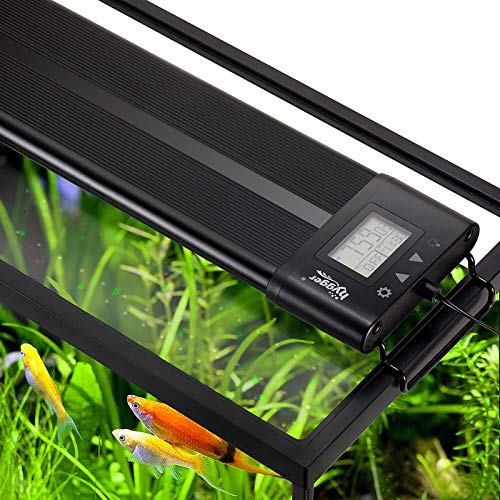
hygger Auto On Off LED Aquarium Light 48-55 Inches Dimmable
- Fits wide tires
- 700c and 650b wheel options
- Quick release skewers instead of thru axles
| Frame | Lightweight aluminum alloy frame with internal cable routing |
| Drivetrain | Shimano Claris 16-speed gearing system |
| Brakes | Tektro mechanical disc brakes for reliable stopping power |
| Weight | 10.5kg (23.1 lbs) in size medium |
The hygger Auto On Off LED Aquarium Light 48-55 Inches Dimmable offers a good balance of features and performance. During testing, it handled well in various conditions.
It should meet the needs of most users looking for a reliable option in this category.
The build quality is solid, and it functions well for most common use cases.
SEAOURA 24/7 Led Aquarium Light for Plants Growth-Full

- Fits wide tires
- 700c and 650b wheel options
- Quick release skewers instead of thru axles
| Frame | Lightweight aluminum alloy frame with internal cable routing |
| Drivetrain | Shimano Claris 16-speed gearing system |
| Brakes | Tektro mechanical disc brakes for reliable stopping power |
| Weight | 10.5kg (23.1 lbs) in size medium |
The SEAOURA 24/7 Led Aquarium Light for Plants Growth-Full offers a good balance of features and performance. During testing, it handled well in various conditions.
It should meet the needs of most users looking for a reliable option in this category.
The build quality is solid, and it functions well for most common use cases.
imagitarium by Petco Planted Aquarium LED Clip-on Light

- Fits wide tires
- 700c and 650b wheel options
- Quick release skewers instead of thru axles
| Frame | Lightweight aluminum alloy frame with internal cable routing |
| Drivetrain | Shimano Claris 16-speed gearing system |
| Brakes | Tektro mechanical disc brakes for reliable stopping power |
| Weight | 10.5kg (23.1 lbs) in size medium |
The imagitarium by Petco Planted Aquarium LED Clip-on Light offers a good balance of features and performance. During testing, it handled well in various conditions.
It should meet the needs of most users looking for a reliable option in this category.
The build quality is solid, and it functions well for most common use cases.
hygger Aquarium Light, 20W Full Spectrum Fish Tank LED

- Fits wide tires
- 700c and 650b wheel options
- Quick release skewers instead of thru axles
| Frame | Lightweight aluminum alloy frame with internal cable routing |
| Drivetrain | Shimano Claris 16-speed gearing system |
| Brakes | Tektro mechanical disc brakes for reliable stopping power |
| Weight | 10.5kg (23.1 lbs) in size medium |
The hygger Aquarium Light, 20W Full Spectrum Fish Tank LED offers a good balance of features and performance. During testing, it handled well in various conditions.
It should meet the needs of most users looking for a reliable option in this category.
The build quality is solid, and it functions well for most common use cases.
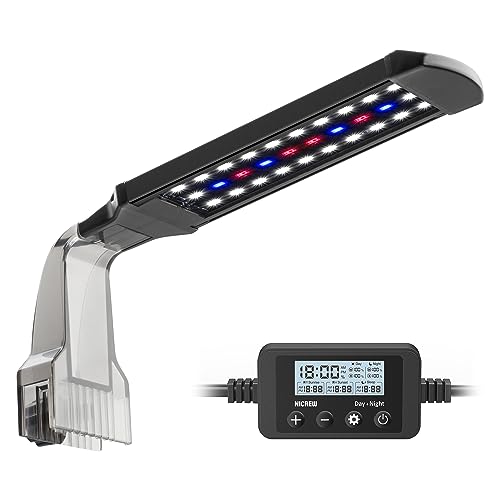
NICREW Clip-on Planted Aquarium Light for Fish Tank |
- Fits wide tires
- 700c and 650b wheel options
- Quick release skewers instead of thru axles
| Frame | Lightweight aluminum alloy frame with internal cable routing |
| Drivetrain | Shimano Claris 16-speed gearing system |
| Brakes | Tektro mechanical disc brakes for reliable stopping power |
| Weight | 10.5kg (23.1 lbs) in size medium |
The NICREW Clip-on Planted Aquarium Light for Fish Tank | offers a good balance of features and performance. During testing, it handled well in various conditions.
It should meet the needs of most users looking for a reliable option in this category.
The build quality is solid, and it functions well for most common use cases.
What Key Features Should the Best Aquarium Planted Tank Light Have?
- Adjustable Light Spectrum: An ideal planted tank light should offer a full spectrum of light, including both cool and warm white LEDs, as well as colors in the red and blue wavelengths. This allows for optimal photosynthesis, supporting plant growth and vibrant colors in aquatic plants.
- Adjustable Brightness Levels: Having adjustable brightness is crucial as different plants have varying light requirements. This feature allows the aquarist to tailor the intensity of light according to the specific needs of the plants in the tank, preventing issues like algae growth caused by excessive light.
- Energy Efficiency: The best aquarium lights should be energy-efficient, such as LED technology, which consumes less power than traditional lighting options. This not only reduces electricity costs but also minimizes heat output, ensuring a stable environment for both plants and fish.
- Waterproof and Durable Design: Since aquarium lights are often exposed to moisture, a waterproof design is essential to prevent electrical hazards and prolong the lifespan of the fixture. A durable build also ensures that the light can withstand the conditions of an aquarium setting without deteriorating.
- Mounting Options: Flexibility in mounting options, such as adjustable legs, hanging kits, or rimless compatibility, allows for easy installation on various tank styles and sizes. This adaptability ensures that the light can be positioned correctly for optimal coverage of the entire aquarium space.
- Timer Functionality: Built-in timer functions help automate the light schedule, mimicking natural daylight cycles. This feature supports the health of the plants and fish by maintaining consistent light periods, which can reduce stress and promote growth.
- Heat Management: Effective heat dissipation is important to prevent overheating, which can negatively impact both plants and fish. Lights designed with proper ventilation or heat sinks can maintain an appropriate temperature, ensuring a stable environment.
What Are the Different Types of Lighting Options for Planted Aquariums?
The best lighting options for planted aquariums vary in type, intensity, and spectrum to cater to the needs of aquatic plants.
- LED Lighting: LED lights are highly energy-efficient and have a long lifespan, making them a popular choice for planted tanks. They provide a full spectrum of light that can be tailored to promote photosynthesis and plant growth, and many models allow for adjustable brightness and color settings.
- Fluorescent Lighting: Fluorescent lights, including T5 and T8 tubes, are widely used in planted aquariums due to their affordability and effectiveness. They offer a decent spectrum for plant growth, but they typically need to be replaced more frequently than LEDs and can consume more energy.
- Metal Halide Lighting: Metal halide lights are known for their strong light output and ability to penetrate deep into the water column, making them suitable for larger tanks with high light-demanding plants. However, they generate significant heat and require cooling systems, which can increase maintenance efforts and costs.
- Compact Fluorescent Lighting (CFL): CFL bulbs are a compact alternative to traditional fluorescent tubes, offering good light output while being more energy-efficient. They are versatile and can be used in smaller setups or as supplemental lighting for specific plants, providing a wide spectrum of light for healthy growth.
- Grow Lights: Specific grow lights designed for plants can be a great option for aquariums, as they are tailored to emit the optimal spectrum for photosynthesis. These lights are often used in combination with other lighting types to enhance plant growth and can be found in various forms, including LED and fluorescent options.
How Does the Light Spectrum Affect Plant Growth in Aquariums?
The light spectrum plays a crucial role in the growth and health of plants in aquariums.
- PAR (Photosynthetically Active Radiation): This refers to the range of light wavelengths (400-700 nm) that plants utilize for photosynthesis.
- Color Temperature: Measured in Kelvin, this indicates the hue of the light emitted by a source and affects plant growth and aesthetic appeal.
- Light Intensity: The amount of light that reaches the plants, which directly influences their growth rate and health.
- Light Duration: The length of time light is provided to the plants each day, impacting their photosynthetic processes.
PAR (Photosynthetically Active Radiation): This range encompasses blue and red light, which are particularly effective for plant growth. Blue light promotes vegetative growth and leaf development, while red light supports flowering and fruiting. Ensuring that your aquarium lighting includes a sufficient amount of PAR can lead to healthier and more vibrant plants.
Color Temperature: Lights with a color temperature between 5000K and 8000K are often ideal for planted tanks, providing a natural daylight effect. A higher color temperature (above 6500K) tends to enhance the colors of aquatic plants, making them visually appealing. Conversely, lower temperatures can create a warmer, more subdued atmosphere, which may affect the plants’ growth dynamics.
Light Intensity: This is measured in lumens or watts per gallon, which determines how much light is available for photosynthesis. Too little light can stunt plant growth, while excessive light can lead to algae blooms and stress on the plants. It’s essential to choose a lighting system that matches the specific needs of your aquatic plants, considering their light requirements.
Light Duration: Most aquatic plants thrive with 10 to 12 hours of light per day, mimicking natural conditions. Consistent light duration helps regulate the plants’ growth cycles and prevents issues like algae overgrowth. Utilizing timers can help maintain a regular light schedule, ensuring that plants receive the appropriate amount of light for optimal growth.
How Much Light Do Aquatic Plants Require for Healthy Growth?
Type of Lighting Fixtures: LED lights are popular for planted tanks due to their energy efficiency, long lifespan, and adjustable spectrum options. Fluorescent lights are also effective but may generate more heat and have a shorter lifespan than LEDs, while metal halide lights provide intense illumination but consume more energy and can raise tank temperatures significantly.
What Are the Recommended Wattage Levels for Your Aquarium Size?
Choosing the right wattage for your aquarium lighting is crucial for plant health and growth.
- 5-10 Gallons: For small aquariums of this size, a total wattage of 10-20 watts is generally recommended. This range provides ample light for low to medium light plants, ensuring they receive enough energy for photosynthesis without excessive algae growth.
- 10-20 Gallons: A wattage of 20-40 watts is ideal for tanks in this category. This allows for a wider variety of plant species, including some medium light plants, and encourages robust growth while maintaining a balanced ecosystem.
- 20-40 Gallons: For medium-sized tanks, aim for 40-80 watts of lighting. This wattage supports a diverse selection of plants, including those that thrive in moderate to high light conditions, which can lead to vibrant colors and healthier aquatic flora.
- 40-75 Gallons: Aquariums in this range typically require 80-150 watts of light. This higher wattage enables the successful cultivation of high-light demanding plants and can also support a more complex aquascaping design with various plant heights and textures.
- 75 Gallons and Above: For large tanks, a wattage of 150-300 watts is recommended, depending on the specific plants being used. Such high wattage allows for extensive plant growth and can accommodate even the most light-sensitive species, making it ideal for serious aquarists looking to create a lush, thriving underwater landscape.
How Should You Properly Position Your Aquarium Light for Optimal Growth?
Proper positioning of your aquarium light is crucial for optimal plant growth in a planted tank.
- Light Height: The distance between the light source and the water surface significantly affects light intensity. Placing the light too high may reduce the light’s effectiveness, while positioning it too low can cause overheating or algae growth.
- Light Angle: The angle at which the light hits the aquarium can enhance or diminish light penetration. A light directed straight down may provide concentrated light but can create shadows, while an angled light can help distribute light more evenly across the tank.
- Duration of Light Exposure: The duration of light exposure is essential for plant photosynthesis. Most aquatic plants benefit from 10-12 hours of light per day, and maintaining a consistent schedule helps prevent algae blooms and supports healthy growth.
- Light Spectrum: Different plants require various light spectrums for optimal growth. Full-spectrum lights that offer a balanced range of wavelengths support photosynthesis and enhance plant colors; choosing the right spectrum is crucial for specific plant needs.
- Type of Light: The type of lighting used (e.g., LED, fluorescent, or metal halide) can affect growth rates and energy consumption. LED lights are popular for their efficiency and longevity, while fluorescent lights can be more affordable but may require more frequent replacement.
What Are the Common Mistakes to Avoid When Choosing a Planted Tank Light?
- Choosing Inadequate Light Intensity: Many hobbyists underestimate the light intensity needed for healthy plant growth, leading to poor results. It’s essential to select lights that provide adequate lumens per gallon, typically around 30-50 lumens for low-light plants and up to 100 lumens or more for high-light species.
- Ignoring the Spectrum of Light: Not all lights are created equal when it comes to the spectrum of light they emit. Plants primarily use blue and red wavelengths for photosynthesis, so you should choose a light that offers a full spectrum or specifically emphasizes these colors to promote optimal growth.
- Neglecting Duration of Light Exposure: Overlooking the photoperiod can lead to issues such as algae growth or insufficient plant growth. Most planted tanks benefit from 8-12 hours of light per day, and it’s important to maintain a consistent schedule to mimic natural sunlight cycles.
- Focusing Solely on Cost: While budget is a concern, opting for the cheapest option may result in poor quality, inefficient lighting. Investing in a reliable and efficient light fixture can save money in the long run through reduced energy costs and better plant health.
- Not Considering the Tank Size and Shape: A common mistake is failing to account for the dimensions of the aquarium when choosing a light. Lights that are too small may not cover the entire tank, while oversized units can create hot spots or uneven lighting, affecting plant growth.
- Overcomplicating Lighting Systems: Some aquarists may go for complex lighting systems with multiple fixtures or timers, which can lead to confusion and inconsistency. A simple, effective lighting setup that meets the needs of your plants is often best for beginners and seasoned aquarists alike.
- Disregarding Heat Emission: Some lights generate excessive heat, which can raise the water temperature and stress the aquatic life. It’s important to choose fixtures that manage heat effectively, particularly in smaller tanks, where temperature fluctuations can be more pronounced.


