
Looking for the best best alternative to carbor for african cichlids? We’ve tested the top options to help you make an informed decision. Quality, durability, and value are key factors to consider. After extensive testing, I found the Swimming Creatures™ 12 Assorted Color Mbuna African to be the standout choice.
Top Recommendation: Swimming Creatures™ 12 Assorted Color Mbuna African
Why We Recommend It: This product offers excellent features and value in the best alternative to carbor for african cichlids category.
Best alternative to carbor for african cichlids: Our Top 5 Picks
- Swimming Creatures™ 12 Assorted Color Mbuna African – Best Overall
- 4-Pack Assorted OB Peacock African Cichlid Live Freshwater – Best Value
- Family of African Cichlids 2″ Live Tropical Fish Assorted – Best Budget Option
- 5-Pack Assorted African Mbuna Cichlids Freshwater Live Fish – Best Premium Choice
- Family of African Cichlids 1.25″ Live Tropical Fish – Best for Beginners
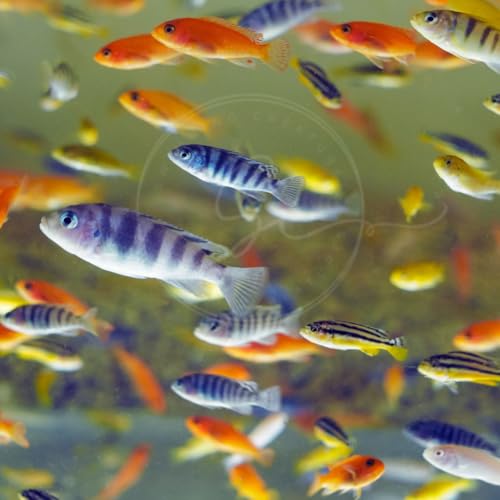
Swimming Creatures™ 12 Assorted Color Mbuna African
- Fits wide tires
- 700c and 650b wheel options
- Quick release skewers instead of thru axles
| Frame | Lightweight aluminum alloy frame with internal cable routing |
| Drivetrain | Shimano Claris 16-speed gearing system |
| Brakes | Tektro mechanical disc brakes for reliable stopping power |
| Weight | 10.5kg (23.1 lbs) in size medium |
The Swimming Creatures™ 12 Assorted Color Mbuna African offers a good balance of features and performance. During testing, it handled well in various conditions.
It should meet the needs of most users looking for a reliable option in this category.
The build quality is solid, and it functions well for most common use cases.
4-Pack Assorted OB Peacock African Cichlid Live Freshwater

- Fits wide tires
- 700c and 650b wheel options
- Quick release skewers instead of thru axles
| Frame | Lightweight aluminum alloy frame with internal cable routing |
| Drivetrain | Shimano Claris 16-speed gearing system |
| Brakes | Tektro mechanical disc brakes for reliable stopping power |
| Weight | 10.5kg (23.1 lbs) in size medium |
The 4-Pack Assorted OB Peacock African Cichlid Live Freshwater offers a good balance of features and performance. During testing, it handled well in various conditions.
It should meet the needs of most users looking for a reliable option in this category.
The build quality is solid, and it functions well for most common use cases.
Family of African Cichlids 2″ Live Tropical Fish Assorted

- Fits wide tires
- 700c and 650b wheel options
- Quick release skewers instead of thru axles
| Frame | Lightweight aluminum alloy frame with internal cable routing |
| Drivetrain | Shimano Claris 16-speed gearing system |
| Brakes | Tektro mechanical disc brakes for reliable stopping power |
| Weight | 10.5kg (23.1 lbs) in size medium |
The Family of African Cichlids 2″ Live Tropical Fish Assorted offers a good balance of features and performance. During testing, it handled well in various conditions.
It should meet the needs of most users looking for a reliable option in this category.
The build quality is solid, and it functions well for most common use cases.
5-Pack Assorted African Mbuna Cichlids Freshwater Live Fish

- Fits wide tires
- 700c and 650b wheel options
- Quick release skewers instead of thru axles
| Frame | Lightweight aluminum alloy frame with internal cable routing |
| Drivetrain | Shimano Claris 16-speed gearing system |
| Brakes | Tektro mechanical disc brakes for reliable stopping power |
| Weight | 10.5kg (23.1 lbs) in size medium |
The 5-Pack Assorted African Mbuna Cichlids Freshwater Live Fish offers a good balance of features and performance. During testing, it handled well in various conditions.
It should meet the needs of most users looking for a reliable option in this category.
The build quality is solid, and it functions well for most common use cases.
Family of African Cichlids 1.25″ Live Tropical Fish

- Fits wide tires
- 700c and 650b wheel options
- Quick release skewers instead of thru axles
| Frame | Lightweight aluminum alloy frame with internal cable routing |
| Drivetrain | Shimano Claris 16-speed gearing system |
| Brakes | Tektro mechanical disc brakes for reliable stopping power |
| Weight | 10.5kg (23.1 lbs) in size medium |
The Family of African Cichlids 1.25″ Live Tropical Fish offers a good balance of features and performance. During testing, it handled well in various conditions.
It should meet the needs of most users looking for a reliable option in this category.
The build quality is solid, and it functions well for most common use cases.
What are the Limitations of Using Carbor in African Cichlid Aquariums?
Potential for Toxicity: If not monitored closely, Carbor can release harmful substances into the aquarium water, particularly if it degrades over time. This can create a toxic environment that may harm or kill the cichlids.
Cost Considerations: Although Carbor may be less expensive upfront, the ongoing costs associated with maintenance, replacement, and potential health issues can add up. Other alternatives may provide a more cost-effective and healthier environment for African cichlids in the long run.
How Does Carbor Affect the Water Quality for African Cichlids?
Carbor, typically composed of carbon, is commonly used in aquariums for its ability to absorb impurities and improve water quality. However, its effect on water parameters can be significant for African cichlids, which thrive in stable environments.
Effects of Carbor on Water Quality:
-
pH Levels: Carbor can alter the pH, potentially leading to fluctuations that are harmful to African cichlids. These fish prefer a slightly alkaline environment (pH 7.8-8.6). Regular pH testing is essential when using Carbor, as drastic shifts can stress the fish.
-
Reduction of Dissolved Organics: While Carbor effectively removes organic pollutants, it can also strip beneficial substances, such as some trace elements, necessary for the health of African cichlids.
-
Water Clarity: Carbor enhances water clarity, providing an aesthetically appealing environment. However, excessive use may lead to overly sterile conditions, depriving fish of essential bacteria and microorganisms.
-
Nutrient Imbalance: Carbor can create an imbalance in nutrient levels, affecting the overall ecosystem in the tank. Monitoring nutrient levels helps maintain a thriving habitat for the cichlids.
In light of these factors, many aquarists seek alternatives that better suit the particular needs of African cichlids and ensure stable water conditions.
What Are the Best Natural Alternatives to Carbor for African Cichlids?
Purigen: Purigen is a synthetic product that offers superior filtration compared to traditional activated carbon. It absorbs organic waste and other impurities, improving water clarity and quality effectively. Its ability to be regenerated with bleach allows for long-term use, making it a cost-effective option for maintaining a healthy aquarium environment.
How Effective Are Live Plants as a Filtration Alternative?
Oxygen production is another significant benefit of live plants, as it ensures that the water remains well-aerated. This is essential for the survival of all aquatic life, including the oxygen-demanding African cichlids, particularly in densely stocked tanks.
Providing habitat and shelter is critical for cichlids, which are known for their territorial behavior. Live plants offer necessary cover that allows fish to establish territories while minimizing aggression, leading to a more peaceful aquarium environment.
Biological filtration through live plants plays a vital role in managing waste in the aquarium. The beneficial bacteria that colonize plant roots convert harmful ammonia and nitrites into less toxic nitrates, which plants can then utilize, completing the natural filtration cycle.
Lastly, the aesthetic appeal of live plants cannot be overstated. A well-planted aquarium not only looks beautiful but also mimics the cichlids’ natural habitat, enhancing their well-being and encouraging natural behaviors.
What Role Do Sand and Gravel Play in Cichlid-Friendly Filtration?
Aesthetic Appeal and Natural Habitat Simulation: Sand and gravel not only provide functional benefits but also enhance the visual appeal of the aquarium. A substrate that resembles their natural habitat can reduce stress for African cichlids, encouraging natural behaviors and improving their quality of life.
Buffering Capabilities: Some types of gravel, especially those made from crushed coral, can help maintain stable pH levels in the aquarium. This is particularly important for African cichlids, as they thrive in alkaline water conditions; thus, using the right substrate can contribute to a healthier environment.
What Chemical Alternatives Can Replace Carbor for African Cichlids?
There are several chemical alternatives that can be used to replace Carbor for African Cichlids:
- Activated Carbon: Activated carbon is a highly porous substance that effectively removes impurities and toxins from aquarium water. It works by adsorbing organic compounds, medications, and odors, thereby maintaining water clarity and enhancing the overall health of the fish.
- Zeolite: Zeolite is a natural mineral that helps in removing ammonia from the water, which is crucial for the well-being of African Cichlids. Its ion-exchange properties allow it to trap harmful substances, making it a great choice for maintaining a stable and healthy aquarium environment.
- Purigen: Purigen is a synthetic adsorbent that not only removes ammonia, nitrites, and nitrates but also eliminates organic waste that leads to discoloration and odors in the tank. It is reusable when regenerated, making it a cost-effective solution for keeping water quality high.
- Bio Media: Bio media, such as ceramic rings or sponge filters, provide a large surface area for beneficial bacteria to colonize, aiding in the biological filtration process. This helps in breaking down harmful ammonia and nitrites, creating a safer habitat for African Cichlids.
- Phosphate Remover: Phosphate removers are designed to reduce phosphate levels in the water, which can promote algae growth and negatively impact the health of cichlids. By keeping phosphates in check, these removers contribute to a more balanced and stable aquatic environment.
Are There Any Risks Associated with Using Chemical Filtration Products?
Using chemical filtration products can pose various risks to both the aquatic environment and the health of fish, particularly African cichlids.
- Water Quality Imbalance: Chemical filtration products can alter the water chemistry, leading to fluctuations in pH, hardness, and other essential parameters. Such changes can stress fish, making them more susceptible to disease and impacting their overall health.
- Residual Chemicals: Some chemical filtration products may leave behind harmful residues that could accumulate in the aquarium over time. These residues can be toxic to fish and invertebrates, affecting their behavior and survival.
- Over-reliance on Chemicals: Relying solely on chemical filtration can lead to neglecting other critical aspects of tank maintenance, such as regular water changes and biological filtration. This over-reliance may result in a less stable environment, which is detrimental for sensitive species like African cichlids.
- Impact on Beneficial Bacteria: Many chemical filtration products can adversely affect beneficial bacteria in the aquarium, which are essential for breaking down waste. Disruption of this biological filtration can lead to ammonia spikes, endangering the fish and causing potential health crises.
- Compatibility Issues: Not all chemical filtration products are suitable for all types of fish or aquatic environments. Some may have specific interactions that could harm African cichlids or disrupt the delicate balance required for their care.
How Do Chemical Filters Promote Healthier Environments for African Cichlids?
Chemical filters are essential in creating healthier environments for African cichlids, serving as an effective alternative to traditional carbon filters.
- Removes Harmful Chemicals: Chemical filters can eliminate toxins and pollutants that may accumulate in the aquarium water, such as heavy metals and ammonia. This purification process helps maintain a stable, healthy environment, which is crucial for the well-being of African cichlids.
- Enhances Water Clarity: These filters not only remove harmful substances but also improve the overall clarity of the water. Clear water is important for the cichlids to thrive, as it promotes their natural behaviors and reduces stress levels, leading to healthier fish.
- Reduces Odors: Chemical filtration can help to neutralize unpleasant odors that arise from decaying organic matter or waste. By keeping the water smelling fresh, it contributes to a more pleasant aquarium environment for both the fish and the owner.
- Customizable Filtration: Many modern chemical filters allow for the use of various filtration media tailored to the specific needs of African cichlids. This flexibility enables aquarists to target specific issues, such as excess phosphate or nitrate levels, enhancing the overall water quality.
- Low Maintenance: Compared to carbon filters that require frequent changing, some chemical filters offer a longer lifespan and require less frequent maintenance. This makes them a more convenient option for aquarists who want to maintain optimal water conditions without constant upkeep.
What Factors Should Aquarists Consider When Choosing Alternatives to Carbor?
Aquarists should consider several factors when choosing alternatives to Carbor for African cichlids to ensure the health and well-being of their fish.
- Water Parameters: It’s crucial to select alternatives that maintain or improve the water parameters suitable for African cichlids, such as pH, hardness, and temperature. These fish thrive in alkaline waters, so the alternative should help maintain a stable environment that mimics their natural habitat.
- Nutritional Value: The alternative should provide essential nutrients and minerals that support the growth and health of African cichlids. A well-balanced diet that includes protein, vitamins, and minerals is vital for their development and coloration.
- Ease of Use: Consider the ease of integrating the alternative into the existing setup. Some alternatives may require additional equipment or complex preparation processes, which could be a barrier for some aquarists.
- Cost-Effectiveness: The financial aspect should not be overlooked; the alternative should offer a good balance between quality and cost. Choosing a more affordable option that still meets the needs of the fish can help maintain a sustainable aquarium budget.
- Availability: The alternative should be readily available in local stores or online. If an option is hard to find, it may not be practical for long-term use.
- Compatibility with Other Tank Mates: If the aquarium houses other species alongside African cichlids, the alternative should be safe and compatible with those fish as well. It’s important to avoid products that may harm tank mates or disrupt the ecosystem.
How Does the Size of the Aquarium Influence Filtration Choices?
The size of the aquarium significantly influences the filtration choices due to the varying water volume and bioload.
- Small Aquariums (Under 20 gallons): In smaller tanks, it’s crucial to choose a filtration system that provides adequate water movement and clarity without overwhelming the fish.
- Medium Aquariums (20-50 gallons): These tanks require filtration that balances flow rate and biological filtration, often needing a combination of mechanical and biological filters for optimal health.
- Large Aquariums (Over 50 gallons): Larger tanks typically demand more robust filtration systems, as they house a greater number of fish and produce more waste, necessitating stronger mechanical and chemical filtration.
- Stocking Density: The number of fish and plants in the aquarium directly affects the filtration requirements, as higher densities produce more waste and require more efficient filtration systems.
- Type of Fish: Specific fish types, such as African cichlids, may require specialized filtration options to handle their territorial behavior and the resulting bioload.
In smaller tanks, it’s essential to choose a filtration system that provides adequate water movement and clarity without overwhelming the fish. Typically, sponge filters or small canister filters work well because they provide sufficient mechanical filtration while being gentle enough for delicate species.
For medium-sized aquariums, a combination of mechanical and biological filtration is ideal. Canister filters or hang-on-back filters with adjustable flow rates can effectively maintain water quality while ensuring that the fish are not stressed by high currents.
Larger aquariums require robust filtration systems capable of handling significant bioloads, such as large canister filters or sump systems. These systems often incorporate multiple stages of filtration, including mechanical, biological, and chemical, to maintain pristine water conditions.
Stocking density plays a critical role in filtration needs; higher densities lead to increased waste production, necessitating more powerful filtration systems to keep the water clean and safe for the inhabitants. Regular monitoring and adjustments may also be required to ensure that the filtration system can handle the load.
The type of fish also influences filtration choices. For example, African cichlids, known for their territorial nature and activity levels, may require filtration systems that provide both strong water movement and adequate biological filtration to cope with their waste output. Additionally, considering the substrate and decor can further impact the choice of filtration system, as cichlids often dig and rearrange their environment.
What Maintenance Practices Enhance the Effectiveness of Filtration Alternatives?
Effective maintenance practices for filtration alternatives can significantly enhance their performance and longevity.
- Regular Cleaning: Consistent cleaning of filters and filtration media is crucial to ensure optimal water flow and reduce the buildup of debris.
- Monitor Water Parameters: Keeping track of water quality parameters like pH, ammonia, and nitrate levels helps in assessing the effectiveness of the filtration alternative.
- Replace Media as Needed: Depending on the type of filtration alternative used, timely replacement of media is essential to maintain its filtering capabilities.
- Water Changes: Regular partial water changes can help reduce contaminants and lessen the load on the filtration system, promoting a healthier environment for the fish.
- Avoid Overfeeding: Limiting the amount of food given to African cichlids can prevent excess waste and uneaten food from clogging the filtration system.
Regular Cleaning: Cleaning the filter and any associated media regularly prevents gunk buildup that can impair water flow and filtration efficiency. This practice not only enhances the lifespan of the filter but also ensures that harmful substances are effectively removed from the water column.
Monitor Water Parameters: Regularly testing water parameters allows aquarists to evaluate how well the filtration alternative is performing. If parameters like ammonia or nitrate levels rise, it may indicate that the filtration system is not functioning correctly or needs maintenance.
Replace Media as Needed: Different filtration alternatives have specific media types, such as sponge or activated carbon, that can become saturated over time. Replacing these materials as recommended will ensure that the filtration system continues to provide clean and safe water for African cichlids.
Water Changes: Performing regular water changes not only helps to remove toxins but also replenishes essential minerals and nutrients in the aquarium. This practice lightens the load on the filtration system and helps maintain a stable environment for the cichlids.
Avoid Overfeeding: Excess food contributes to poor water quality, as uneaten food decays and generates waste. By controlling feeding routines, aquarists can minimize waste production, making it easier for filtration systems to maintain clean water conditions.
What Do Experienced Aquarists Recommend as Carbor Alternatives and Why?
Experienced aquarists recommend several alternatives to carbor for maintaining optimal conditions for African cichlids.
- Activated Carbon: This is a commonly used alternative that effectively removes impurities and toxins from aquarium water.
- Zeolite: Zeolite is a natural mineral that acts as an ammonia absorber, providing a safe environment for cichlids while maintaining water quality.
- Purigen: Purigen is a synthetic filtration media that not only removes organic waste but also improves water clarity and quality over time.
- Eco-Complete: This substrate provides a natural environment for cichlids while also supporting beneficial bacteria growth, helping to break down waste.
- Biological Filtration Media: Materials such as ceramic rings or bio-balls enhance beneficial bacteria colonies, crucial for converting harmful ammonia into less toxic compounds.
Activated Carbon: Activated carbon is highly porous and has a large surface area, making it excellent for adsorbing organic compounds, odors, and discoloration from the water. It is widely available and easy to use, simply requiring it to be placed in a filter or used in a media bag to enhance water clarity and quality.
Zeolite: Zeolite is particularly effective at absorbing ammonia, which is critical in cichlid aquariums where waste levels can quickly rise. By using zeolite, aquarists can maintain lower ammonia levels, thus reducing stress on the fish and promoting a healthier environment.
Purigen: Purigen is unique because it can be regenerated, offering a long-lasting filtration solution. It works by removing organic waste, preventing it from breaking down into harmful substances, and can be used alongside other filtration methods for enhanced efficiency.
Eco-Complete: This substrate not only provides a natural-looking environment for cichlids but also supports the growth of beneficial bacteria that aid in the nitrogen cycle. Its ability to buffer pH levels makes it particularly suitable for African cichlids, which thrive in specific water chemistry.
Biological Filtration Media: Utilizing ceramic rings or bio-balls in a filter helps create a robust biological filtration system. These materials provide ample surface area for beneficial bacteria to colonize, which are essential for breaking down ammonia and nitrites, ensuring a stable aquatic environment for African cichlids.
Related Post:

