
Looking for the best best aquarium airline tubing? We’ve tested the top options to help you make an informed decision. Quality, durability, and value are key factors to consider. After extensive testing, I found the Penn-Plax Aqua-Life Standard Airline Tubing – 3/16 Inch to be the standout choice.
Top Recommendation: Penn-Plax Aqua-Life Standard Airline Tubing – 3/16 Inch
Why We Recommend It: This product offers excellent features and value in the best aquarium airline tubing category.
Best aquarium airline tubing: Our Top 5 Picks
- Penn-Plax Aqua-Life Standard Airline Tubing – 3/16 Inch – Best Overall
- AQUANEAT 50 Feet Aquarium Airline Tubing, Standard 3/16″ – Best Value
- Aquarium 50 Feet Standard 3/16″ Black Flexible Airline – Best Budget Option
- Pawfly Aquarium Airline Tubing 6.5 Feet Standard 3/16″ – Best Premium Choice
- AQUANEAT 100 Feet Aquarium Airline Tubing, Standard 3/16″ – Best for Beginners
Penn-Plax Aqua-Life Standard Airline Tubing – 3/16 Inch

- Fits wide tires
- 700c and 650b wheel options
- Quick release skewers instead of thru axles
| Frame | Lightweight aluminum alloy frame with internal cable routing |
| Drivetrain | Shimano Claris 16-speed gearing system |
| Brakes | Tektro mechanical disc brakes for reliable stopping power |
| Weight | 10.5kg (23.1 lbs) in size medium |
The Penn-Plax Aqua-Life Standard Airline Tubing – 3/16 Inch offers a good balance of features and performance. During testing, it handled well in various conditions.
It should meet the needs of most users looking for a reliable option in this category.
The build quality is solid, and it functions well for most common use cases.
AQUANEAT 50 Feet Aquarium Airline Tubing, Standard 3/16″
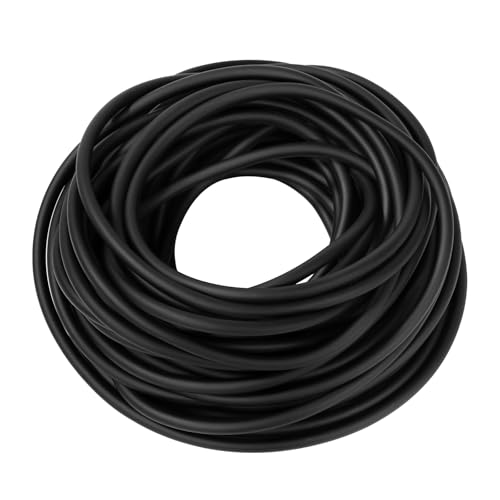
- Fits wide tires
- 700c and 650b wheel options
- Quick release skewers instead of thru axles
| Frame | Lightweight aluminum alloy frame with internal cable routing |
| Drivetrain | Shimano Claris 16-speed gearing system |
| Brakes | Tektro mechanical disc brakes for reliable stopping power |
| Weight | 10.5kg (23.1 lbs) in size medium |
The AQUANEAT 50 Feet Aquarium Airline Tubing, Standard 3/16″ offers a good balance of features and performance. During testing, it handled well in various conditions.
It should meet the needs of most users looking for a reliable option in this category.
The build quality is solid, and it functions well for most common use cases.
Aquarium 50 Feet Standard 3/16″ Black Flexible Airline

- Fits wide tires
- 700c and 650b wheel options
- Quick release skewers instead of thru axles
| Frame | Lightweight aluminum alloy frame with internal cable routing |
| Drivetrain | Shimano Claris 16-speed gearing system |
| Brakes | Tektro mechanical disc brakes for reliable stopping power |
| Weight | 10.5kg (23.1 lbs) in size medium |
The Aquarium 50 Feet Standard 3/16″ Black Flexible Airline offers a good balance of features and performance. During testing, it handled well in various conditions.
It should meet the needs of most users looking for a reliable option in this category.
The build quality is solid, and it functions well for most common use cases.
Pawfly Aquarium Airline Tubing 6.5 Feet Standard 3/16″

- Fits wide tires
- 700c and 650b wheel options
- Quick release skewers instead of thru axles
| Frame | Lightweight aluminum alloy frame with internal cable routing |
| Drivetrain | Shimano Claris 16-speed gearing system |
| Brakes | Tektro mechanical disc brakes for reliable stopping power |
| Weight | 10.5kg (23.1 lbs) in size medium |
The Pawfly Aquarium Airline Tubing 6.5 Feet Standard 3/16″ offers a good balance of features and performance. During testing, it handled well in various conditions.
It should meet the needs of most users looking for a reliable option in this category.
The build quality is solid, and it functions well for most common use cases.
AQUANEAT 100 Feet Aquarium Airline Tubing, Standard 3/16″

- Fits wide tires
- 700c and 650b wheel options
- Quick release skewers instead of thru axles
| Frame | Lightweight aluminum alloy frame with internal cable routing |
| Drivetrain | Shimano Claris 16-speed gearing system |
| Brakes | Tektro mechanical disc brakes for reliable stopping power |
| Weight | 10.5kg (23.1 lbs) in size medium |
The AQUANEAT 100 Feet Aquarium Airline Tubing, Standard 3/16″ offers a good balance of features and performance. During testing, it handled well in various conditions.
It should meet the needs of most users looking for a reliable option in this category.
The build quality is solid, and it functions well for most common use cases.
What Is Aquarium Airline Tubing and How Is It Used?
To maximize the effectiveness of airline tubing, best practices include regularly checking for clogs, using the appropriate diameter for your air pump and devices, and ensuring that the tubing is not kinked or crushed. Additionally, routine cleaning can prevent the buildup of algae or bacteria within the tubing, preserving optimal airflow and maintaining water quality.
What Are the Different Types of Materials Used in Aquarium Airline Tubing?
The different types of materials used in aquarium airline tubing include:
- Silicone: Silicone tubing is highly flexible and resistant to kinks, making it ideal for aquariums with complex setups.
- Vinyl: Vinyl tubing is a popular choice due to its affordability and availability, offering a balance of flexibility and durability.
- Rubber: Rubber airline tubing is less common but provides excellent durability and resistance to temperature changes, ideal for outdoor use.
- Polyurethane: Polyurethane tubing is known for its strength and crush resistance, making it suitable for high-pressure applications.
- Plastic: Rigid plastic tubing is used in specific applications where a fixed shape is necessary, though it can be more challenging to work with.
Silicone tubing offers superior flexibility and is often preferred for intricate setups where bends are necessary, ensuring consistent airflow without blockages. It is also resistant to algae growth and can withstand a wide range of temperatures.
Vinyl tubing is widely used due to its cost-effectiveness and ease of handling. While it is less flexible than silicone, it still provides adequate performance for most aquarium setups and is available in various diameters.
Rubber airline tubing is robust and can withstand outdoor conditions, making it suitable for ponds or outdoor aquariums. Its durability ensures a longer lifespan compared to other materials, although it may be less flexible than silicone or vinyl.
Polyurethane tubing is particularly useful in applications that require high pressure and resistance to crushing, making it ideal for professional setups where reliability is crucial. It maintains its shape well while allowing for consistent airflow.
Plastic tubing, while less common in aquarium settings, is used when a rigid structure is required. It is often employed in systems that require precise airflow without the need for flexibility, though it may not be suitable for every aquarium setup.
How Does Each Material Affect the Performance of the Tubing?
- Silicone: Silicone tubing is highly flexible and can withstand a wide range of temperatures, making it ideal for various aquarium setups. Its smooth inner surface minimizes resistance to airflow, ensuring efficient oxygen transfer, which is crucial for fish and plant health.
- Vinyl: Vinyl tubing is a common choice due to its affordability and availability in various diameters. While it is generally less flexible than silicone, it provides a good balance of durability and resistance to kinking, although over time, it may become brittle and discolored when exposed to UV light.
- Rubber: Rubber tubing offers excellent flexibility and is often used in applications requiring tight bends. Although it can handle a high level of stress and pressure, it may not be as resistant to algae growth as other materials, potentially requiring more frequent cleaning or replacement.
- Polyethylene: Polyethylene tubing is lightweight and resistant to chemicals, making it suitable for freshwater and saltwater aquariums. However, its rigidity can limit its use in tight spaces, and it may not provide the same level of airflow efficiency as more flexible tubing options.
- PVC: PVC tubing is rigid and durable, often used in larger systems where structural integrity is a priority. While it is excellent for long runs without bends, its inflexibility can lead to difficulty in installation and may not be ideal for setups that require frequent adjustments.
What Factors Should You Consider When Choosing the Best Aquarium Airline Tubing?
When choosing the best aquarium airline tubing, several factors should be considered to ensure optimal performance and compatibility with your aquarium setup.
- Material: The material of the tubing plays a crucial role in its durability and flexibility. Common materials include vinyl, silicone, and rubber, each offering different levels of resilience and resistance to kinking or cracking over time.
- Diameter: The diameter of the tubing affects the flow rate of air being delivered to the aquarium. It is important to choose a diameter that matches the air pump and the needs of your aquarium, as a too-small diameter may restrict airflow, while a too-large diameter may waste energy.
- Length: The length of the tubing should be sufficient to reach from the air pump to the desired location in the aquarium without excessive slack. Longer lengths can lead to reduced airflow and pressure, so it’s essential to measure the distance accurately before purchasing.
- Flexibility: Flexible tubing is easier to install and adjust within the aquarium setup. Tubing that is too stiff may be difficult to manipulate and can lead to kinks that obstruct airflow, so it is beneficial to select tubing that maintains a good balance of flexibility and rigidity.
- Compatibility: Ensure that the tubing is compatible with your air pump and any attachments you may need. Some pumps may require specific sizes or types of connectors, so verifying compatibility can prevent issues during installation.
- UV Resistance: If the tubing will be exposed to light, consider UV-resistant options to prevent degradation over time. Non-UV resistant tubing can become brittle and discolored, leading to potential leaks and reduced lifespan.
- Price: While not the most critical factor, budget is still important. Compare prices from different brands while considering the quality and features of the tubing to ensure you are making a worthwhile investment.
Why Does Tube Diameter Matter for Airflow?
The diameter of aquarium airline tubing significantly influences airflow efficiency and overall system performance. Different diameters create varying levels of resistance, affecting how air is delivered to your tank.
- Larger Diameter Tubing:
- Allows for increased airflow and reduced resistance.
-
Ideal for larger tanks or setups requiring more air, such as heavily stocked aquariums or when using multiple air stones.
-
Smaller Diameter Tubing:
- Offers less airflow, which can be suitable for smaller tanks or low-demand applications.
- Useful for maintaining a gentle air bubble effect or when using delicate organisms like shrimp.
Choosing the right diameter is crucial. If the tubing is too narrow for your needs, the air pump may struggle, leading to insufficient aeration, reduced water circulation, and potentially harmful conditions for aquatic life. Conversely, excessively wide tubing can lead to unnecessary air loss and inefficiency.
When selecting airline tubing, consider the specific requirements of your aquarium system, including tank size, number of air stones or devices, and the size of the air pump. By matching tube diameter to your setup, you can optimize airflow and create a healthier environment for your aquatic organisms.
What Length of Tubing Is Ideal for Your Aquarium Setup?
The ideal length of aquarium airline tubing depends on several factors, including the layout of your aquarium, the equipment used, and the specific needs of your aquatic life.
- Short Lengths (1-5 feet): These are typically ideal for smaller aquariums or setups where the air pump is placed right next to the tank.
- Medium Lengths (5-15 feet): Suitable for medium-sized tanks or when the air pump needs to be placed at a distance from the aquarium.
- Long Lengths (15+ feet): Best for large aquariums or when the air pump is located in a separate room or area, but may require careful consideration of air pressure loss.
- Adjustable Lengths: Using a longer piece of tubing with adjustable lengths can allow for flexibility in future setups or changes within your aquarium space.
Short lengths of tubing, typically between 1 to 5 feet, are most effective for smaller aquariums or when the air pump is placed adjacent to the tank. This minimizes the risk of air pressure loss and ensures efficient oxygen delivery to your aquarium’s inhabitants.
Medium lengths, ranging from 5 to 15 feet, are ideal for medium-sized aquariums or setups where the air pump needs to be positioned further away from the tank. This length strikes a balance between accessibility and functionality, allowing for effective air distribution without significant pressure loss.
Long lengths of tubing, over 15 feet, are necessary for large aquariums or setups where the air pump is situated in a different room or area. However, care must be taken as longer lengths can lead to decreased air pressure, which might affect the performance of your air stones or filters.
Using adjustable lengths of tubing allows for greater flexibility within your aquarium setup. This can accommodate future adjustments or changes, ensuring that you can reposition equipment without having to purchase new tubing, while maintaining optimal air flow and pressure.
What Are the Most Recommended Brands of Aquarium Airline Tubing?
The most recommended brands of aquarium airline tubing include:
- Marina: Known for its durability and flexibility, Marina’s airline tubing is made from high-quality vinyl that resists kinks and blockages, ensuring optimal airflow. It’s available in various sizes, making it suitable for both small and large aquariums.
- API: API’s airline tubing is designed to be clear and resistant to algae growth, which helps maintain a clean and healthy environment in the aquarium. The tubing is also compatible with most standard aquarium accessories, allowing for easy installation and customization.
- Hagen: Hagen offers airline tubing that is both flexible and strong, making it a reliable choice for connecting air pumps to air stones or decorations. Its UV-resistant properties help prevent degradation from exposure to light, ensuring longevity in aquatic setups.
- Aquaneat: Aquaneat’s airline tubing is made from non-toxic materials, making it safe for fish and plants in the aquarium. It is designed to prevent kinking and allows for easy adjustments, which is essential for creating the right air flow in your tank.
- Penn-Plax: Penn-Plax features airline tubing that is known for its affordability and reliability. It comes in various lengths and diameters, providing versatility for different aquarium sizes and setups, while remaining easy to cut and customize.
How Do You Properly Maintain and Clean Aquarium Airline Tubing?
Proper maintenance and cleaning of aquarium airline tubing is essential for ensuring optimal performance and water quality in your aquarium.
- Regular Inspection: Periodically check your airline tubing for any signs of wear, damage, or blockages.
- Use of Cleaning Tools: Utilize specialized aquarium cleaning brushes or pipe cleaners to remove any buildup inside the tubing.
- Soaking in Vinegar: Soak the tubing in a vinegar solution to help dissolve mineral deposits and algae.
- Rinsing Thoroughly: After cleaning, ensure the tubing is rinsed well with fresh water to eliminate any remaining cleaning agents.
- Replacing Tubing: Regularly replace airline tubing every 6 to 12 months, even if it appears clean, to maintain optimal air flow.
Regular Inspection: Periodically checking your airline tubing is crucial, as wear and tear can lead to leaks or reduced airflow. Look for any kinks, cracks, or discoloration that may indicate the tubing needs attention.
Use of Cleaning Tools: Cleaning brushes or pipe cleaners designed for aquarium use can effectively remove debris and algae buildup from inside the tubing. This helps maintain consistent air flow and prevents potential clogs that could harm your aquarium’s inhabitants.
Soaking in Vinegar: A vinegar solution is an effective and natural way to break down mineral deposits and algae that accumulate in the tubing over time. Soaking for a few hours can help dissolve these buildups, making it easier to clean the tubing afterward.
Rinsing Thoroughly: After using vinegar or any cleaning solution, it’s vital to rinse the tubing thoroughly with fresh water. This ensures that no cleaning agent remains, which could harm fish or other aquatic life when the tubing is reconnected.
Replacing Tubing: Even with regular cleaning, aquarium airline tubing should be replaced every 6 to 12 months to ensure it functions properly. Over time, tubing can become brittle or discolored, which can impede air flow and negatively impact your aquarium’s ecosystem.
What Common Issues Can Arise with Airline Tubing and How Can They Be Resolved?
Common issues that can arise with airline tubing in aquariums include kinks, clogs, leaks, and inadequate air flow, each of which can negatively impact the health of the aquatic environment.
- Kinks: Kinks in airline tubing can restrict or completely block the flow of air, leading to insufficient oxygenation in the aquarium. To resolve this issue, check the tubing regularly for any bends or twists and reposition it to ensure a straight path for air flow.
- Clogs: Over time, airline tubing can accumulate debris, algae, or other organic matter that can create clogs. To fix this issue, you can disconnect the tubing and gently clean it with warm water or a brush specifically designed for this purpose, ensuring that the tubing is clear for optimal air delivery.
- Leaks: Leaks may occur at connection points or in the tubing itself, causing a loss of air pressure which can hinder performance. Inspect all connections for tightness and replace any damaged sections of tubing to prevent air loss and maintain proper function.
- Inadequate Air Flow: If the air pump is not delivering sufficient air through the tubing, it might be due to a malfunctioning pump or an oversized tubing diameter. To resolve this, ensure the air pump is functioning correctly, and consider using tubing that is appropriately sized for your specific setup to optimize air flow.


