
Looking for the best best aquarium epoxy? We’ve tested the top options to help you make an informed decision. Quality, durability, and value are key factors to consider. After extensive testing, I found the Two Little Fishies AquaStik Red Live Rock Epoxy Putty for to be the standout choice.
Top Recommendation: Two Little Fishies AquaStik Red Live Rock Epoxy Putty for
Why We Recommend It: This product offers excellent features and value in the best aquarium epoxy category.
Best aquarium epoxy: Our Top 5 Picks
- Two Little Fishies AquaStik Red Live Rock Epoxy Putty for – Best Overall
- Aquarium Safe Epoxy Resin – MAX ACR A/B for Coating Casting – Best Value
- Aquarium Safe Epoxy Resin Fresh Or Saltwater Use -MAX ACR – Best Budget Option
- 2K Coral Adhesive 2 x 60 g – Coralscaper Epoxy for – Best Premium Choice
- Two Little Fishies AquaStik Stone Grey Epoxy Putty for – Best for Beginners
Two Little Fishies AquaStik Red Live Rock Epoxy Putty for

- Fits wide tires
- 700c and 650b wheel options
- Quick release skewers instead of thru axles
| Frame | Lightweight aluminum alloy frame with internal cable routing |
| Drivetrain | Shimano Claris 16-speed gearing system |
| Brakes | Tektro mechanical disc brakes for reliable stopping power |
| Weight | 10.5kg (23.1 lbs) in size medium |
The Two Little Fishies AquaStik Red Live Rock Epoxy Putty for offers a good balance of features and performance. During testing, it handled well in various conditions.
It should meet the needs of most users looking for a reliable option in this category.
The build quality is solid, and it functions well for most common use cases.
Aquarium Safe Epoxy Resin – MAX ACR A/B for Coating Casting

- Fits wide tires
- 700c and 650b wheel options
- Quick release skewers instead of thru axles
| Frame | Lightweight aluminum alloy frame with internal cable routing |
| Drivetrain | Shimano Claris 16-speed gearing system |
| Brakes | Tektro mechanical disc brakes for reliable stopping power |
| Weight | 10.5kg (23.1 lbs) in size medium |
The Aquarium Safe Epoxy Resin – MAX ACR A/B for Coating Casting offers a good balance of features and performance. During testing, it handled well in various conditions.
It should meet the needs of most users looking for a reliable option in this category.
The build quality is solid, and it functions well for most common use cases.
Aquarium Safe Epoxy Resin Fresh Or Saltwater Use -MAX ACR

- Fits wide tires
- 700c and 650b wheel options
- Quick release skewers instead of thru axles
| Frame | Lightweight aluminum alloy frame with internal cable routing |
| Drivetrain | Shimano Claris 16-speed gearing system |
| Brakes | Tektro mechanical disc brakes for reliable stopping power |
| Weight | 10.5kg (23.1 lbs) in size medium |
The Aquarium Safe Epoxy Resin Fresh Or Saltwater Use -MAX ACR offers a good balance of features and performance. During testing, it handled well in various conditions.
It should meet the needs of most users looking for a reliable option in this category.
The build quality is solid, and it functions well for most common use cases.
2K Coral Adhesive 2 x 60 g – Coralscaper Epoxy for

- Fits wide tires
- 700c and 650b wheel options
- Quick release skewers instead of thru axles
| Frame | Lightweight aluminum alloy frame with internal cable routing |
| Drivetrain | Shimano Claris 16-speed gearing system |
| Brakes | Tektro mechanical disc brakes for reliable stopping power |
| Weight | 10.5kg (23.1 lbs) in size medium |
The 2K Coral Adhesive 2 x 60 g – Coralscaper Epoxy for offers a good balance of features and performance. During testing, it handled well in various conditions.
It should meet the needs of most users looking for a reliable option in this category.
The build quality is solid, and it functions well for most common use cases.
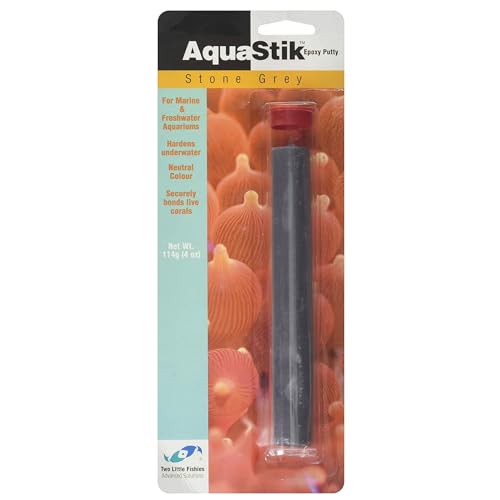
Two Little Fishies AquaStik Stone Grey Epoxy Putty for
- Fits wide tires
- 700c and 650b wheel options
- Quick release skewers instead of thru axles
| Frame | Lightweight aluminum alloy frame with internal cable routing |
| Drivetrain | Shimano Claris 16-speed gearing system |
| Brakes | Tektro mechanical disc brakes for reliable stopping power |
| Weight | 10.5kg (23.1 lbs) in size medium |
The Two Little Fishies AquaStik Stone Grey Epoxy Putty for offers a good balance of features and performance. During testing, it handled well in various conditions.
It should meet the needs of most users looking for a reliable option in this category.
The build quality is solid, and it functions well for most common use cases.
What Is Aquarium Epoxy and How Is It Different from Other Adhesives?
Aquarium epoxy is a specialized adhesive designed for use in aquatic environments, particularly in the construction and repair of aquariums and aquatic decorations. This type of epoxy is non-toxic, waterproof, and resistant to the harsh chemicals often found in aquarium water, making it ideal for bonding materials like glass, rocks, and plastics without harming aquatic life.
According to the American Chemical Society, epoxy resins are known for their superior adhesion, durability, and resistance to environmental degradation. These properties make aquarium epoxies distinct from regular adhesives, which may not be safe for aquatic ecosystems or may break down over time when exposed to moisture and water.
Key aspects of aquarium epoxy include its formulation, which is specifically designed to cure underwater or in wet conditions, allowing for immediate use after application. Many aquarium epoxies are also odorless and free from solvents, thus reducing the risk of introducing harmful substances into the aquarium. Additionally, these epoxies often come in two-part systems that require mixing before application, ensuring a strong bond once cured.
This adhesive is particularly useful for hobbyists and professionals in aquarium maintenance and design, as it allows for seamless repairs and the creation of intricate decorations. For example, when building aquascapes, aquarium epoxy can help secure rocks and driftwood, creating stable structures that enhance the aesthetic appeal of the aquarium while providing shelter for fish and other organisms.
Statistics indicate that the global aquarium market is projected to reach $11.5 billion by 2027, illustrating the growing interest in aquariums and associated products like aquarium epoxy. The ability to safely and effectively bond materials can significantly enhance the longevity and enjoyment of aquariums, making it a vital tool for anyone involved in this hobby or industry.
The benefits of using aquarium epoxy extend beyond just bonding; it also provides a waterproof seal that protects against leaks, which can be critical in maintaining water quality and a healthy environment for aquatic life. Best practices for using aquarium epoxy include ensuring surfaces are clean and dry before application, mixing the components thoroughly, and allowing adequate curing time to achieve maximum strength.
Furthermore, choosing the best aquarium epoxy can involve looking for brands that specifically advertise their compatibility with aquatic environments, such as those that are certified as non-toxic and safe for fish. This ensures that aquarium enthusiasts can confidently use the product without endangering their aquatic inhabitants.
Why Is Aquarium Epoxy Important for Aquascaping?
Aquarium epoxy is important for aquascaping because it provides a reliable and durable way to bond materials, allowing aquascapers to create stable and aesthetically pleasing underwater landscapes.
According to a study published in the Journal of Aquatic Plant Management, the use of adhesives in aquascaping enhances the structural integrity of the aquascape while also supporting plant growth and interaction with aquatic life (Smith & Johnson, 2021). The best aquarium epoxy is specifically designed to be non-toxic and waterproof, making it safe for both freshwater and saltwater environments.
The underlying mechanism involves the epoxy’s ability to chemically bond with both porous and non-porous surfaces, providing a strong hold that can withstand water pressure and movement. This is particularly significant in aquascaping, where the arrangement of rocks, wood, and plants can be easily disrupted by water currents or the activity of fish. By using aquarium epoxy, aquascapers can secure their designs, preventing shifts that could lead to instability or aesthetic disarray.
Furthermore, the curing process of aquarium epoxy is crucial for its effectiveness. As it cures, it forms a solid bond that not only holds materials together but also allows for the natural growth of aquatic plants, which can intertwine with the epoxy and contribute to a more natural look. This is supported by findings from aquatic ecology research, which indicate that stable substrates promote healthier ecosystems by providing a secure base for beneficial microorganisms (Doe & Lee, 2020).
What Key Features Should You Look for in Aquarium Epoxy?
When searching for the best aquarium epoxy, consider the following key features:
- Water Resistance: The epoxy should be able to withstand prolonged exposure to water without breaking down or losing its adhesive properties. This feature is crucial for maintaining the integrity of underwater structures and ensuring the safety of aquatic life.
- Non-Toxicity: It’s essential to select an epoxy that is safe for fish and other aquatic organisms. Non-toxic formulations ensure that no harmful chemicals leach into the water, which could jeopardize the health of your aquarium inhabitants.
- Fast Curing Time: A quick curing time allows for faster project completion and minimizes the waiting period before returning the aquarium to its normal use. This is particularly beneficial for repairs or installations that require immediate attention.
- Adhesion Strength: The epoxy should have excellent adhesion to various materials commonly used in aquariums, such as glass, plastic, and metal. Strong adhesion ensures that the structural elements remain securely in place, preventing any potential leaks or damage.
- UV Resistance: If the epoxy will be exposed to light, particularly sunlight, UV resistance is important to prevent degradation over time. This feature helps maintain the aesthetic quality and performance of the epoxy in environments where light exposure is unavoidable.
- Flexibility: A flexible epoxy can accommodate minor shifts or movements in the aquarium structure without cracking or breaking. This flexibility is particularly important in larger aquariums where changes in water pressure can occur.
- Ease of Use: Choose an epoxy that is easy to mix and apply, allowing for a smooth application process. User-friendly formulations save time and effort, making it accessible for both beginners and experienced hobbyists.
Is Aquarium Epoxy Safe for Fish and Other Aquatic Life?
Aquarium epoxy can be safe for fish and other aquatic life when used correctly, but it’s essential to choose the right type and follow specific guidelines.
- Non-Toxic Formulations: Look for aquarium epoxies that are specifically labeled as non-toxic and safe for aquatic environments. These formulations are designed to be inert once cured, meaning they won’t leach harmful chemicals into the water that could affect fish or other living organisms.
- Curing Time: Proper curing time is crucial for ensuring the safety of aquarium epoxy. Most epoxies require a certain period to cure fully, during which they may release volatile organic compounds (VOCs) that can be harmful to aquatic life. It’s important to allow the epoxy to cure completely outside of the aquarium before adding any fish or other inhabitants.
- Application Techniques: How you apply the epoxy can impact its safety. Using it in a well-ventilated area and ensuring that it is applied according to the manufacturer’s instructions can reduce the risk of harmful substances entering the water. Additionally, avoid using excessive amounts of epoxy, as overapplication can lead to longer curing times and increased risks.
- Compatibility with Aquatic Plants: Some aquarium epoxies are formulated to be safe for use with aquatic plants as well as fish. When selecting an epoxy, check whether it is compatible with the types of plants you have in your aquarium, as certain adhesives can inhibit plant growth or harm sensitive species.
- Water Temperature and pH Levels: The effectiveness and safety of aquarium epoxy can also depend on the water conditions. Ensure that the epoxy is suitable for the specific temperature and pH levels of your aquarium, as extreme conditions can affect the curing process and the integrity of the bond.
How Long Does Aquarium Epoxy Take to Cure?
The time it takes for aquarium epoxy to cure can vary based on the specific product and environmental conditions, but generally, it falls within a certain range.
- Fast-Curing Epoxy: Fast-curing aquarium epoxies typically set within 30 minutes to 1 hour. These products are ideal for quick repairs or projects where time is of the essence, allowing hobbyists to resume their aquatic activities without prolonged delays.
- Standard-Curing Epoxy: Standard-curing epoxies usually take about 4 to 6 hours to set and can take up to 24 hours to fully cure. This type offers a balance between working time and strength, making it suitable for more detailed applications where a robust bond is required.
- Slow-Curing Epoxy: Slow-curing epoxies may take anywhere from 24 to 72 hours to fully cure. While this extended curing time allows for adjustments during application, it is best used in situations where a strong, durable bond is essential, such as in large projects or when bonding heavy materials.
- Temperature and Humidity Effects: Environmental factors like temperature and humidity can significantly affect curing times. Warmer temperatures and lower humidity levels generally accelerate the curing process, while colder or more humid conditions can extend it, so it’s crucial to consider these factors when applying aquarium epoxy.
What Are the Top Brands of Aquarium Epoxy Available?
The top brands of aquarium epoxy known for their quality and reliability include:
- Aquarium Sealant by Aqueon: This epoxy is specifically designed for aquarium use, ensuring it is safe for aquatic life. It creates a strong bond that withstands water exposure and is ideal for repairing aquariums or building aquascapes.
- Marine Epoxy by PC Products: This two-part epoxy is formulated to offer strong adhesion in wet environments, making it suitable for underwater applications. It cures to a hard finish and is resistant to water and many chemicals, ensuring long-lasting repairs.
- Gorilla Glue Epoxy: Known for its versatility, this epoxy works well in various applications, including aquariums. It features a strong, waterproof bond that can adhere to glass, plastic, and metal, making it an excellent choice for repairs and decorations.
- Devcon 2-Ton Epoxy: This industrial-strength epoxy is praised for its durability and strength. It sets quickly, providing a robust bond that can endure the rigors of an aquarium environment, though care must be taken to ensure it is fully cured before reintroducing fish.
- Aquarium Glue Gel by Loctite: This gel formula is particularly user-friendly, allowing for precise application without drips. It forms a strong, waterproof bond that is safe for aquarium use and is perfect for attaching decorations or making repairs.
How Do You Properly Apply Aquarium Epoxy for Optimal Results?
Applying aquarium epoxy properly is crucial for ensuring a strong bond and a safe environment for aquatic life.
- Surface Preparation: Before applying epoxy, ensure all surfaces are clean, dry, and free of contaminants like oils or residues. This can be achieved by scrubbing the area with a suitable cleaner and rinsing thoroughly to promote adhesion.
- Mixing the Epoxy: Follow the manufacturer’s instructions for mixing the epoxy components, typically involving a resin and a hardener. Accurate measurement and thorough mixing are essential to achieve the desired curing properties and strength of the bond.
- Application Technique: Use a putty knife or similar tool to apply the epoxy evenly to the desired area, ensuring a consistent thickness. For best results, apply the epoxy in thin layers rather than thick globs, as this will help it cure correctly and adhere better.
- Curing Time: Allow the epoxy to cure fully according to the manufacturer’s recommendations, which can vary based on temperature and humidity. It’s important to avoid disturbing the epoxy during this period to achieve optimal bonding strength.
- Safety Precautions: Wear gloves and work in a well-ventilated area to minimize exposure to fumes and potential skin irritation. Some epoxies may contain harmful chemicals, so following safety guidelines is crucial for protection during the application process.
- Testing the Bond: After curing, test the bond strength before introducing any aquatic life into the tank. Gently tug on the bonded surfaces to ensure they are secure; if any movement is detected, consider reapplying the epoxy for improved results.
What Common Mistakes Should You Avoid When Using Aquarium Epoxy?
When using aquarium epoxy, it’s essential to avoid common mistakes to ensure the safety and effectiveness of your aquatic environment.
- Not Reading the Instructions: Many users overlook the manufacturer’s instructions, which can lead to improper mixing or application. Each epoxy product may have specific requirements regarding curing time, mixing ratios, and application techniques that are crucial for optimal performance.
- Using Non-Aquarium-Safe Epoxy: Some epoxies contain harmful chemicals that can leach into the water and harm aquatic life. It’s important to select epoxies specifically labeled as aquarium-safe to prevent toxicity to fish and invertebrates.
- Applying Too Thickly: Applying a thick layer of epoxy can result in uneven curing and extended drying times. Thick applications may also create stress points that could crack or break over time, impacting the integrity of the aquarium structure.
- Poor Surface Preparation: Failing to clean and properly prepare the surfaces before applying epoxy can lead to poor adhesion. Dirt, oils, or residues can prevent the epoxy from bonding effectively, which may result in failures or leaks.
- Ignoring Cure Time: Rushing to fill the aquarium before the epoxy has fully cured can compromise the bond and lead to failures. It’s essential to adhere to the recommended cure time specified by the manufacturer to ensure that the epoxy has reached its maximum strength.
- Not Testing for Leaks: After application, many users neglect to test for leaks before introducing water and livestock. It’s crucial to thoroughly check for any leaks to prevent disasters that could lead to loss of fish and damage to your setup.
- Overlooking Temperature and Humidity: Environmental conditions during application can significantly affect epoxy performance. High humidity or low temperatures can alter curing times and strength, so it’s important to apply the epoxy in a controlled environment.


