
Looking for the best best aquarium fertilizer for java fern? We’ve tested the top options to help you make an informed decision. Quality, durability, and value are key factors to consider. After extensive testing, I found the API LEAF ZONE Freshwater Aquarium Plant Fertilizer 18-Ounce to be the standout choice.
Top Recommendation: API LEAF ZONE Freshwater Aquarium Plant Fertilizer 18-Ounce
Why We Recommend It: This product offers excellent features and value in the best aquarium fertilizer for java fern category.
Best aquarium fertilizer for java fern: Our Top 5 Picks
- API LEAF ZONE Freshwater Aquarium Plant Fertilizer 18-Ounce – Best Overall
- AquaBoost Bloom All-in-One Liquid Fertilizer for Aquarium – Best Value
- AquaBoost Bloom Shrimp Safe Aquarium Plant Fertilizer, 8 fl – Best Budget Option
- API ROOT TABS Freshwater Aquarium Plant Fertilizer – Best Premium Choice
- Crystalpro Flora Multi Minerals All-in-One Aquarium Plant – Best for Beginners
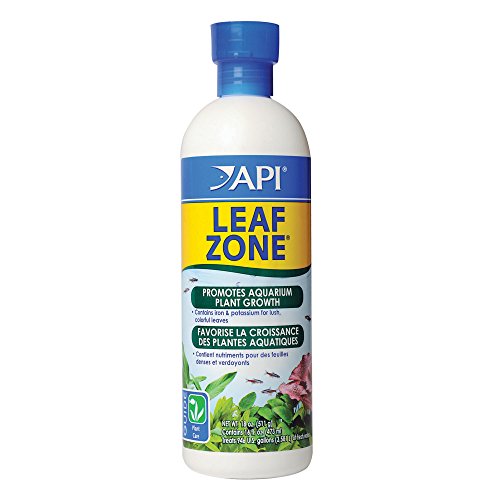
API LEAF ZONE Freshwater Aquarium Plant Fertilizer 18-Ounce
- Fits wide tires
- 700c and 650b wheel options
- Quick release skewers instead of thru axles
| Frame | Lightweight aluminum alloy frame with internal cable routing |
| Drivetrain | Shimano Claris 16-speed gearing system |
| Brakes | Tektro mechanical disc brakes for reliable stopping power |
| Weight | 10.5kg (23.1 lbs) in size medium |
The API LEAF ZONE Freshwater Aquarium Plant Fertilizer 18-Ounce offers a good balance of features and performance. During testing, it handled well in various conditions.
It should meet the needs of most users looking for a reliable option in this category.
The build quality is solid, and it functions well for most common use cases.
AquaBoost Bloom All-in-One Liquid Fertilizer for Aquarium

- Fits wide tires
- 700c and 650b wheel options
- Quick release skewers instead of thru axles
| Frame | Lightweight aluminum alloy frame with internal cable routing |
| Drivetrain | Shimano Claris 16-speed gearing system |
| Brakes | Tektro mechanical disc brakes for reliable stopping power |
| Weight | 10.5kg (23.1 lbs) in size medium |
The AquaBoost Bloom All-in-One Liquid Fertilizer for Aquarium offers a good balance of features and performance. During testing, it handled well in various conditions.
It should meet the needs of most users looking for a reliable option in this category.
The build quality is solid, and it functions well for most common use cases.
AquaBoost Bloom Shrimp Safe Aquarium Plant Fertilizer, 8 fl

- Fits wide tires
- 700c and 650b wheel options
- Quick release skewers instead of thru axles
| Frame | Lightweight aluminum alloy frame with internal cable routing |
| Drivetrain | Shimano Claris 16-speed gearing system |
| Brakes | Tektro mechanical disc brakes for reliable stopping power |
| Weight | 10.5kg (23.1 lbs) in size medium |
The AquaBoost Bloom Shrimp Safe Aquarium Plant Fertilizer, 8 fl offers a good balance of features and performance. During testing, it handled well in various conditions.
It should meet the needs of most users looking for a reliable option in this category.
The build quality is solid, and it functions well for most common use cases.
API ROOT TABS Freshwater Aquarium Plant Fertilizer

- Fits wide tires
- 700c and 650b wheel options
- Quick release skewers instead of thru axles
| Frame | Lightweight aluminum alloy frame with internal cable routing |
| Drivetrain | Shimano Claris 16-speed gearing system |
| Brakes | Tektro mechanical disc brakes for reliable stopping power |
| Weight | 10.5kg (23.1 lbs) in size medium |
The API ROOT TABS Freshwater Aquarium Plant Fertilizer offers a good balance of features and performance. During testing, it handled well in various conditions.
It should meet the needs of most users looking for a reliable option in this category.
The build quality is solid, and it functions well for most common use cases.
Crystalpro Flora Multi Minerals All-in-One Aquarium Plant

- Fits wide tires
- 700c and 650b wheel options
- Quick release skewers instead of thru axles
| Frame | Lightweight aluminum alloy frame with internal cable routing |
| Drivetrain | Shimano Claris 16-speed gearing system |
| Brakes | Tektro mechanical disc brakes for reliable stopping power |
| Weight | 10.5kg (23.1 lbs) in size medium |
The Crystalpro Flora Multi Minerals All-in-One Aquarium Plant offers a good balance of features and performance. During testing, it handled well in various conditions.
It should meet the needs of most users looking for a reliable option in this category.
The build quality is solid, and it functions well for most common use cases.
What is Java Fern and Why is Fertilization Important for Its Growth?
Java fern (Microsorum pteropus) is a popular aquatic plant in freshwater aquariums, valued for its hardiness and attractive, lush green foliage. This versatile plant thrives attached to rocks or driftwood and propagates through its unique leaf structure called “plantlets.” To promote optimal growth and health, fertilization is crucial.
Fertilization supports Java fern by:
- Providing Essential Nutrients: Java fern benefits from micronutrients such as iron, potassium, and trace elements. These nutrients promote vibrant leaf growth and enhance overall plant vitality.
- Encouraging Robust Root Development: While Java fern can absorb nutrients through its leaves, a nutrient-rich substrate or liquid fertilizer can support root growth, leading to a more stable plant structure.
- Enhancing Photosynthesis: Fertilizers contribute to the chlorophyll production in leaves, allowing the plant to carry out efficient photosynthesis. This is vital for maintaining its vibrant green color and supporting overall health.
- Preventing Nutrient Deficiencies: Fertilization helps prevent common issues like yellowing leaves and stunted growth, ensuring your Java fern remains a thriving focal point in your aquarium.
Selecting the right aquarium fertilizer is key for nurturing Java fern, allowing it to flourish in your aquatic environment.
What Essential Nutrients Do Java Ferns Require from Fertilizers?
Java ferns require specific essential nutrients from fertilizers to thrive in an aquarium environment.
- Nitrogen: Nitrogen is crucial for the growth of Java ferns as it is a fundamental component of amino acids and proteins, which are necessary for cellular growth and tissue development. A balanced nitrogen level helps in promoting lush green foliage, which is a sign of healthy plants.
- Phosphorus: Phosphorus plays a vital role in energy transfer within the plant and is integral for root development and flowering. For Java ferns, adequate phosphorus ensures robust root systems that can better absorb nutrients and stabilize the plant in the substrate.
- Potassium: Potassium is important for the overall health of Java ferns as it regulates various physiological processes, including water uptake and enzyme activation. It helps strengthen the plant’s cell walls, making them more resilient to diseases and environmental stressors.
- Iron: Iron is essential for chlorophyll synthesis and plays a key role in photosynthesis, which allows Java ferns to convert light energy into chemical energy. A deficiency in iron can lead to yellowing leaves, a condition known as chlorosis, which affects the plant’s ability to thrive.
- Micronutrients: Micronutrients such as manganese, zinc, and copper, although required in smaller quantities, are crucial for various metabolic processes and enzyme functions within the plant. Providing a complete fertilizer that includes these micronutrients can enhance the overall health and growth of Java ferns.
- Carbon Dioxide (CO2): While not a nutrient in the traditional sense, CO2 is essential for photosynthesis and is often supplemented in planted aquariums. Adequate levels of CO2 promote vigorous growth and help Java ferns utilize the nutrients more effectively.
What Types of Fertilizers are Best for Java Fern Growth?
The best types of fertilizers for Java fern growth include liquid fertilizers, root tabs, and slow-release granules.
- Liquid Fertilizers: These are water-soluble fertilizers that can be directly mixed into the aquarium water. They provide essential nutrients such as nitrogen, phosphorus, and potassium, which are crucial for plant growth. Regular application ensures that Java ferns receive a consistent supply of nutrients, promoting healthy foliage and robust growth.
- Root Tabs: Root tabs are solid fertilizer tablets that can be placed in the substrate around the roots of the Java fern. They release nutrients slowly over time, providing a concentrated source of minerals directly to the plant’s roots. This method is particularly effective for Java ferns, as it helps to sustain them in nutrient-poor substrates common in many aquariums.
- Slow-Release Granules: These granules dissolve gradually over time, supplying plants with nutrients without the risk of over-fertilization. They can be mixed into the substrate or added to the water column, depending on the product. Slow-release granules are ideal for maintaining stable nutrient levels in the aquarium, ensuring that the Java fern can thrive without frequent interventions.
What Are the Advantages of Using Liquid Fertilizers for Java Fern?
The advantages of using liquid fertilizers for Java fern include enhanced nutrient absorption, ease of application, and improved plant health.
- Enhanced Nutrient Absorption: Liquid fertilizers provide nutrients in a form that is readily available for uptake by plant roots and leaves. This is particularly beneficial for Java fern, which thrives in nutrient-rich environments, as it can absorb these nutrients directly from the water column.
- Ease of Application: Liquid fertilizers are simple to use, allowing aquarists to easily adjust nutrient levels based on the specific needs of their plants. A few drops or a measured dose can quickly be added to the aquarium, making it convenient for regular maintenance without disrupting the substrate.
- Improved Plant Health: Regular application of liquid fertilizers can lead to more vibrant growth and healthier foliage in Java fern. By providing essential micronutrients and macronutrients, these fertilizers help prevent deficiencies that can stunt growth or cause discoloration.
- Customizable Nutrient Delivery: Liquid fertilizers often come in formulations that can be tailored to the specific needs of different aquatic plants, including Java fern. This allows hobbyists to adjust the nutrient mix based on growth stage or specific deficiencies observed in their plants.
- Minimal Risk of Over-Fertilization: When used correctly, liquid fertilizers can minimize the risk of nutrient buildup in the substrate compared to granular fertilizers. This is particularly important in aquariums, as excess nutrients can lead to algae blooms and other water quality issues.
How Do Root Tabs Measure Up Against Liquid Fertilizers for Java Fern?
When considering the best aquarium fertilizer for Java Fern, root tabs and liquid fertilizers each have distinct advantages and disadvantages.
- Root Tabs: Root tabs are solid fertilizers that are placed directly into the substrate where the roots of the Java Fern can access them.
- Liquid Fertilizers: Liquid fertilizers are dissolved in water and can be added directly to the aquarium, providing nutrients that are easily absorbed by the plants through their leaves and roots.
Root Tabs: Root tabs release nutrients slowly over time, ensuring that your Java Fern receives a steady supply of essential elements like nitrogen, phosphorus, and potassium. They are particularly beneficial for plants that have substantial root systems, allowing for targeted feeding directly to the roots, which can promote stronger growth and health in the long term.
Liquid Fertilizers: Liquid fertilizers offer quick nutrient availability, making them ideal for immediate plant health improvements. They can be easily adjusted in concentration and frequency of application, allowing for precise control over nutrient levels in the water column, which can be advantageous for plants like Java Fern that also absorb nutrients through their leaves.
What Factors Should You Consider When Selecting an Aquarium Fertilizer for Java Fern?
When selecting the best aquarium fertilizer for Java Fern, several key factors should be considered to ensure optimal growth and health.
- Nutrient Composition: Look for fertilizers that provide essential nutrients like nitrogen, phosphorus, and potassium, which are crucial for plant growth. Additionally, trace elements such as iron, manganese, and magnesium are important as Java Fern can benefit from these micronutrients to maintain vibrant green leaves and overall health.
- Liquid vs. Solid Fertilizers: Decide between liquid and solid fertilizers based on your aquarium setup and personal preference. Liquid fertilizers are easier to distribute evenly in the water and can be absorbed quickly by the plants, while solid fertilizers, such as root tabs, provide nutrients directly to the substrate and can be beneficial for plants like Java Fern that may anchor themselves in the substrate.
- Water Parameters: Assess your aquarium’s water parameters, including pH, hardness, and lighting conditions, as these factors can influence the effectiveness of the fertilizer. Java Fern prefers slightly acidic to neutral pH and thrives in medium to low light, so choose a fertilizer that complements these conditions without causing algae growth or imbalances in the water chemistry.
- Slow-Release vs. Fast-Release: Consider whether you prefer slow-release fertilizers that provide nutrients gradually over time or fast-release fertilizers that offer immediate availability. Slow-release fertilizers help maintain stable nutrient levels and reduce the risk of over-fertilization, which can lead to algae problems; however, fast-release options can be beneficial for quick nutrient boosts if your plants show signs of deficiency.
- Compatibility with Fish and Invertebrates: Ensure that the chosen fertilizer is safe for the fish and invertebrates in your aquarium. Some fertilizers may contain harmful chemicals or excessive concentrations of certain nutrients that can harm sensitive aquatic life, so opting for a fish-safe or organic fertilizer can help maintain a healthy tank environment.
How Does Water Hardness Impact Your Fertilizer Selection for Java Fern?
- Soft Water: In soft water conditions, lower levels of calcium and magnesium can lead to nutrient deficiencies in Java Fern.
- Hard Water: Hard water contains higher concentrations of calcium and magnesium, which can impact the solubility of certain fertilizers.
- pH Levels: The water’s pH, often influenced by hardness, affects nutrient uptake; Java Fern thrives in slightly acidic to neutral pH.
- Nutrient Composition: Choosing a fertilizer with a balanced nutrient profile is crucial in varying hardness levels to ensure optimal growth.
- Frequency of Fertilization: The hardness of the water may dictate how often and how much fertilizer to apply to Java Fern.
In soft water conditions, lower levels of calcium and magnesium can lead to nutrient deficiencies in Java Fern, making it essential to select a fertilizer that compensates for these deficiencies. Fertilizers enriched with micronutrients like iron and manganese can be beneficial in such scenarios to promote healthy growth.
Hard water contains higher concentrations of calcium and magnesium, which can impact the solubility of certain fertilizers, potentially leading to precipitation and reduced availability of nutrients. When selecting a fertilizer for Java Fern in hard water, it’s advisable to choose liquid fertilizers that are easily absorbed and less likely to cause buildup.
The water’s pH, often influenced by hardness, affects nutrient uptake; Java Fern thrives in slightly acidic to neutral pH. Therefore, monitoring and adjusting pH levels is crucial when selecting fertilizers, as some may alter the pH further away from the ideal range.
Choosing a fertilizer with a balanced nutrient profile is crucial in varying hardness levels to ensure optimal growth. For Java Fern, a fertilizer that contains a mix of macro and micronutrients can help support its unique needs, especially if water hardness affects nutrient availability.
The hardness of the water may dictate how often and how much fertilizer to apply to Java Fern. In harder water conditions, less frequent fertilization may be required, while softer water may necessitate more regular applications to maintain nutrient levels conducive to healthy growth.
How Does Lighting Influence Fertilizer Effectiveness for Java Fern?
Water Temperature and Light Interaction: The interaction between lighting and water temperature can influence the metabolic processes of Java Fern, potentially altering its nutrient absorption capabilities. Warmer temperatures paired with appropriate lighting can enhance growth rates, allowing the plant to utilize fertilizers more efficiently, while extreme conditions may hinder growth and nutrient uptake.
How Should You Apply Fertilizer for Optimal Java Fern Growth?
Root tabs are an excellent choice for Java ferns since they prefer to absorb nutrients through their roots. Placing these tabs strategically around the plant can ensure a steady supply of nutrients directly where they are needed most.
Fertilizer spikes are beneficial in larger tanks with multiple plants, as they cover more area and provide a longer-lasting nutrient supply. Regularly monitoring the plants and adjusting the number of spikes used can optimize growth without causing nutrient overload.
Integrating a CO2 injection system can significantly boost the performance of fertilizers. Java ferns, while not requiring CO2 injection for survival, will thrive and show improved growth rates with elevated carbon levels in the water.
Organic fertilizers can be a great option for those looking to maintain a more natural aquarium environment. They release nutrients gradually and can support beneficial bacteria, but they must be managed carefully to avoid destabilizing the aquarium ecosystem.
What Common Mistakes Should You Avoid When Fertilizing Java Fern?
When fertilizing Java Fern, certain common mistakes can hinder its growth and health.
- Using High-Phosphate Fertilizers: Java Fern is sensitive to excess phosphates, which can lead to algae blooms and harm the plant’s overall health. It’s crucial to use fertilizers formulated specifically for low-light aquatic plants to avoid this issue.
- Over-Fertilizing: Applying too much fertilizer can cause nutrient buildup in the substrate and water, leading to toxicity. Stick to recommended dosages and frequency to ensure a balanced nutrient supply without overwhelming the plants.
- Ignoring Water Parameters: Failing to monitor water parameters like pH, hardness, and nitrate levels can affect the effectiveness of fertilizers. Java Fern thrives in specific conditions, so it’s essential to maintain stable water quality for optimal growth.
- Neglecting Micronutrients: While macronutrients like nitrogen and potassium are important, neglecting essential micronutrients can stunt growth. Look for fertilizers that contain a complete range of nutrients, including iron and trace elements, to support the health of Java Fern.
- Applying Fertilizer Directly on the Plant: Direct contact of fertilizer with the plant can cause leaf burn and damage. Instead, apply fertilizers to the substrate or water column, allowing the nutrients to be absorbed naturally by the roots and leaves.


