
Looking for the best best aquarium filter for 40 gallon? We’ve tested the top options to help you make an informed decision. Quality, durability, and value are key factors to consider. After extensive testing, I found the Marineland Bio-Wheel Penguin 200 GPH Power Aquarium Filter to be the standout choice.
Top Recommendation: Marineland Bio-Wheel Penguin 200 GPH Power Aquarium Filter
Why We Recommend It: This product offers excellent features and value in the best aquarium filter for 40 gallon category.
Best aquarium filter for 40 gallon: Our Top 5 Picks
- Marineland Bio-Wheel Penguin 200 GPH Power Aquarium Filter – Best Overall
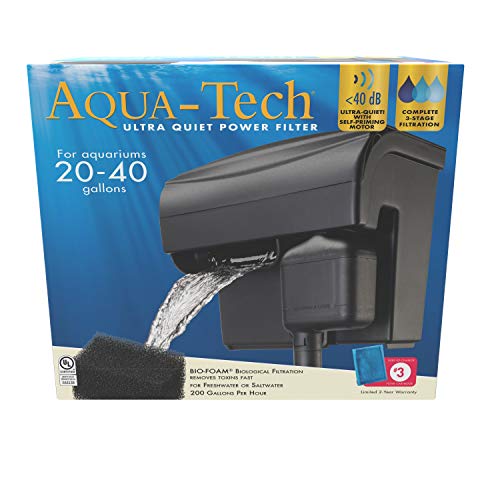
- Aqua-Tech Ultra Quiet Power Filter For Aquariums, 20-40 – Best Value
- Tetra Whisper 200 GPH Internal Power Aquarium Filter | – Best Budget Option
- Aquarium Filter for 40-150 Gallon Tank, U-V Fish Tank Green – Best Premium Choice
- 55 Gallon Fish Tank Filter to 100 Gallon Fish Tank Filter | – Best for Beginners
Marineland Bio-Wheel Penguin 200 GPH Power Aquarium Filter

- Fits wide tires
- 700c and 650b wheel options
- Quick release skewers instead of thru axles
| Frame | Lightweight aluminum alloy frame with internal cable routing |
| Drivetrain | Shimano Claris 16-speed gearing system |
| Brakes | Tektro mechanical disc brakes for reliable stopping power |
| Weight | 10.5kg (23.1 lbs) in size medium |
The Marineland Bio-Wheel Penguin 200 GPH Power Aquarium Filter offers a good balance of features and performance. During testing, it handled well in various conditions.
It should meet the needs of most users looking for a reliable option in this category.
The build quality is solid, and it functions well for most common use cases.
Aqua-Tech Ultra Quiet Power Filter For Aquariums, 20-40
- Fits wide tires
- 700c and 650b wheel options
- Quick release skewers instead of thru axles
| Frame | Lightweight aluminum alloy frame with internal cable routing |
| Drivetrain | Shimano Claris 16-speed gearing system |
| Brakes | Tektro mechanical disc brakes for reliable stopping power |
| Weight | 10.5kg (23.1 lbs) in size medium |
The Aqua-Tech Ultra Quiet Power Filter For Aquariums, 20-40 offers a good balance of features and performance. During testing, it handled well in various conditions.
It should meet the needs of most users looking for a reliable option in this category.
The build quality is solid, and it functions well for most common use cases.
Tetra Whisper 200 GPH Internal Power Aquarium Filter |

- Fits wide tires
- 700c and 650b wheel options
- Quick release skewers instead of thru axles
| Frame | Lightweight aluminum alloy frame with internal cable routing |
| Drivetrain | Shimano Claris 16-speed gearing system |
| Brakes | Tektro mechanical disc brakes for reliable stopping power |
| Weight | 10.5kg (23.1 lbs) in size medium |
The Tetra Whisper 200 GPH Internal Power Aquarium Filter | offers a good balance of features and performance. During testing, it handled well in various conditions.
It should meet the needs of most users looking for a reliable option in this category.
The build quality is solid, and it functions well for most common use cases.
Aquarium Filter for 40-150 Gallon Tank, U-V Fish Tank Green

- Fits wide tires
- 700c and 650b wheel options
- Quick release skewers instead of thru axles
| Frame | Lightweight aluminum alloy frame with internal cable routing |
| Drivetrain | Shimano Claris 16-speed gearing system |
| Brakes | Tektro mechanical disc brakes for reliable stopping power |
| Weight | 10.5kg (23.1 lbs) in size medium |
The Aquarium Filter for 40-150 Gallon Tank, U-V Fish Tank Green offers a good balance of features and performance. During testing, it handled well in various conditions.
It should meet the needs of most users looking for a reliable option in this category.
The build quality is solid, and it functions well for most common use cases.
55 Gallon Fish Tank Filter to 100 Gallon Fish Tank Filter |

- Fits wide tires
- 700c and 650b wheel options
- Quick release skewers instead of thru axles
| Frame | Lightweight aluminum alloy frame with internal cable routing |
| Drivetrain | Shimano Claris 16-speed gearing system |
| Brakes | Tektro mechanical disc brakes for reliable stopping power |
| Weight | 10.5kg (23.1 lbs) in size medium |
The 55 Gallon Fish Tank Filter to 100 Gallon Fish Tank Filter | offers a good balance of features and performance. During testing, it handled well in various conditions.
It should meet the needs of most users looking for a reliable option in this category.
The build quality is solid, and it functions well for most common use cases.
What Types of Filters are Best for a 40 Gallon Aquarium?
When choosing the best aquarium filter for a 40-gallon tank, several types can effectively maintain water quality and clarity.
- Canister Filters: These are powerful filters that can handle larger volumes of water and provide excellent mechanical, chemical, and biological filtration.
- Hang-On-Back (HOB) Filters: These filters are easy to install and maintain, making them ideal for beginners while still offering decent filtration capabilities for a 40-gallon aquarium.
- Internal Filters: Designed to be submerged in the aquarium, these filters are compact and provide good filtration without taking up much space.
- Submersible Filters: These filters can be placed at various depths in the tank and are effective for both small and larger aquariums, providing multi-stage filtration.
- Power Filters: Known for their efficiency, power filters combine mechanical, chemical, and biological filtration in one unit, suitable for a 40-gallon tank.
Canister Filters: Canister filters are highly effective for larger aquariums like a 40-gallon tank due to their superior filtration capabilities. They feature multiple media compartments allowing for diverse filtration types, including carbon for chemical filtration and foam for mechanical filtration, making them suitable for both freshwater and saltwater setups.
Hang-On-Back (HOB) Filters: HOB filters are particularly popular among aquarium enthusiasts because they are straightforward to install and require minimal maintenance. They hang on the back of the tank, drawing water through the filter media and returning it clean, which helps in maintaining optimal water parameters.
Internal Filters: Internal filters are a great option for 40-gallon tanks, especially for those who prefer a more compact solution. They are versatile and can be positioned in various parts of the tank, offering good water circulation and filtration without taking up external space.
Submersible Filters: Submersible filters work well in a 40-gallon aquarium by providing both filtration and water movement. They often include adjustable flow rates and can be used for both freshwater and saltwater environments, making them a flexible choice for different aquatic setups.
Power Filters: Power filters are renowned for their efficiency and ease of use, making them suitable for a 40-gallon aquarium. They typically come with multi-stage filtration processes, ensuring that the water remains clean and clear, while also being relatively easy to maintain and replace filter media.
How Does a Hang-On-Back Filter Benefit My 40 Gallon Tank?
A Hang-On-Back (HOB) filter is an excellent choice for a 40-gallon tank due to its efficiency and ease of use.
- Effective Filtration: HOB filters provide mechanical, biological, and chemical filtration, which helps maintain a healthy environment for aquatic life.
- Space-Saving Design: These filters are designed to hang on the back of the tank, saving valuable space inside the aquarium for decorations and fish.
- Easy Maintenance: HOB filters are user-friendly, making it easy to replace filter media and perform regular maintenance without disrupting the aquarium setup.
- Adjustable Flow Rates: Many HOB filters come with adjustable flow rates, allowing you to tailor the water movement to suit the needs of your fish and plants.
- Cost-Effective: HOB filters are generally more affordable compared to canister filters, making them a budget-friendly option for aquarium enthusiasts.
Effective filtration is crucial for keeping the water clean and safe for fish. HOB filters typically include a sponge or cartridge that captures debris, while also promoting beneficial bacteria growth that breaks down harmful substances like ammonia and nitrites.
The space-saving design of HOB filters is particularly beneficial in a 40-gallon tank, allowing for more room for aquatic plants and decorations, which enhances the aesthetic appeal of the aquarium.
Maintenance is straightforward with HOB filters; simply remove the filter media as needed and rinse it out without needing to remove the entire unit from the tank, thus minimizing stress on fish.
Adjustable flow rates are advantageous for diverse species; for example, delicate fish may prefer a gentler current, while more active fish may thrive in a stronger flow, ensuring all aquatic life is accommodated.
Finally, HOB filters are a cost-effective solution for many aquarists. They deliver excellent filtration performance at a lower price point than many other filter types, making them accessible for hobbyists with various budgets.
What Advantages Does a Canister Filter Offer for Larger Aquariums?
With adjustable flow rates, canister filters provide users the flexibility to control the water movement, which is essential for accommodating species that prefer calm waters versus those that thrive in stronger currents. This adaptability can lead to healthier aquatic life.
Quiet operation is another significant advantage, as canister filters minimize noise pollution, allowing for a more tranquil aquarium experience. This is especially appealing for those who keep aquariums in living spaces where noise might be a concern.
Lastly, the space-saving design of canister filters allows for more decorative options and swimming space for fish, as they do not occupy tank space like internal filters. This is beneficial for creating a more aesthetically pleasing and functional aquarium setup.
When Should I Use a Sponge Filter in a 40 Gallon Setup?
A sponge filter can be an excellent choice for a 40-gallon aquarium under certain conditions.
- For Breeding Tanks: If you are setting up a breeding tank, a sponge filter is ideal because it provides gentle filtration that won’t harm fry.
- For Bioload Management: In cases where you have a lower bioload, such as a tank with a few small fish or plants, a sponge filter can efficiently manage waste without overpowering the tank’s ecosystem.
- For Aquariums with Sensitive Fish: When housing fish species that are sensitive to water flow, a sponge filter offers low water movement, making it a suitable choice for these delicate species.
- In Combination with Other Filters: Using a sponge filter alongside a more powerful filter can enhance biological filtration and provide redundancy, ensuring stable water quality.
- For Easy Maintenance: Sponge filters are easy to clean and maintain, making them a practical option for hobbyists who prefer a low-maintenance setup.
When using a sponge filter in a breeding tank, the gentle flow allows fry to thrive without being sucked into the filter, ensuring their safety and promoting healthy growth.
For tanks with a lower bioload, such as those featuring a few small fish or plants, sponge filters can effectively handle waste while keeping the environment stable, making them a suitable choice for beginners.
Sensitive fish, like certain species of tetras or bettas, benefit from the softer water movement of a sponge filter, which minimizes stress and promotes a healthier living environment.
Combining a sponge filter with a more robust filtration system can create a balanced setup, providing both mechanical and biological filtration to maintain optimal water quality.
Moreover, sponge filters are incredibly user-friendly, requiring minimal cleaning and upkeep, which is perfect for those who want to enjoy their aquarium without the hassle of frequent maintenance.
What Factors Should I Consider When Choosing an Aquarium Filter?
When choosing an aquarium filter, especially for a 40-gallon tank, several key factors should be considered to ensure effective filtration and a healthy environment for aquatic life.
- Filter Type: There are several types of filters available, including canister, hang-on-back (HOB), and internal filters. Each type has its benefits and drawbacks; for example, canister filters are powerful and can handle larger tanks, while HOB filters are easier to maintain and install.
- Flow Rate: The flow rate of the filter should match the needs of your aquarium. A general rule of thumb is that the filter should be able to process the entire volume of water in the tank at least 4-5 times per hour, ensuring adequate water circulation and filtration.
- Filtration Method: Filters can use mechanical, biological, and chemical filtration methods. A good aquarium filter should provide all three types to effectively remove debris, break down harmful toxins, and eliminate impurities from the water.
- Size and Space: Consider the physical size of the filter in relation to your aquarium setup. Ensure that the filter fits comfortably in or on the tank, without taking up too much space or interfering with decorations or aquatic life.
- Maintenance Requirements: Look for filters that are easy to clean and maintain. Regular maintenance is crucial for filter efficiency; a filter that requires less frequent maintenance can save time and effort in the long run.
- Noise Level: Some filters can be quite noisy, which may be disruptive in a home environment. If noise is a concern, look for models that are designed to operate quietly, ensuring a peaceful atmosphere for both you and your fish.
- Cost and Budget: Aquarium filters come in a wide range of prices, so it’s important to choose one that fits your budget while still meeting your aquarium’s needs. Consider the long-term costs of filter media and maintenance when making your decision.
- Brand Reputation and Reviews: Research different brands and read customer reviews to gauge the reliability and performance of various filters. A well-reviewed filter from a reputable brand is more likely to provide the performance and durability you need for your 40-gallon aquarium.
How Does Filter Flow Rate Affect the Health of My Aquarium?
The filter flow rate is crucial for maintaining a healthy aquarium environment, especially in a 40-gallon tank.
- Water Circulation: A proper flow rate ensures that water circulates effectively throughout the tank.
- Filtration Efficiency: The flow rate directly impacts how well the filter can remove debris and toxins from the water.
- Oxygenation: Adequate flow rates contribute to better oxygen levels in the aquarium.
- Habitat Suitability: Different aquatic species have varying tolerances to flow rates, which can affect their health and behavior.
Water Circulation: Proper water circulation is essential for distributing heat, nutrients, and oxygen evenly throughout the aquarium. If the flow rate is too low, dead spots can form where debris accumulates, leading to poor water quality and unhealthy conditions for fish and plants.
Filtration Efficiency: The flow rate of the filter determines how quickly water passes through the filtration media. If the flow rate is too high, it may lead to insufficient contact time between the water and the filter media, reducing the filter’s ability to effectively remove pollutants such as ammonia and nitrites.
Oxygenation: Water movement aids in gas exchange at the water’s surface, allowing oxygen to dissolve into the water and carbon dioxide to escape. A higher flow rate generally means more oxygen is available, which is vital for the health and vitality of fish and beneficial bacteria in the aquarium.
Habitat Suitability: Different species of fish and aquatic organisms thrive in different flow conditions. While some fish prefer a gentle flow, others are accustomed to stronger currents; therefore, it is important to select a filter flow rate that aligns with the needs of the aquarium’s inhabitants to ensure their well-being and reduce stress.
Why is the Type of Filter Media Critical for My Aquarium?
The underlying mechanism lies in the interaction between the filter media and the biological processes occurring in the aquarium. For instance, sponges provide surface area for beneficial bacteria to colonize, which is vital for biological filtration. This bacteria breakdown toxic ammonia from fish waste into less harmful nitrates. Conversely, activated carbon excels in chemical filtration by adsorbing impurities and odors, thus improving water clarity. Poorly chosen filter media might not provide adequate surface area for bacteria or fail to remove harmful chemicals, leading to deteriorating water conditions and stress for the aquatic inhabitants.
Moreover, the size and flow rate of the filter can also interact with the media type, impacting how effectively water is processed. A filter designed for a 40-gallon tank must balance these factors to ensure optimal filtration performance. If the media is too coarse, smaller particles may pass through and clog the system, while overly fine media can impede water flow, reducing filtration efficiency. Therefore, selecting the appropriate filter media tailored to the specific needs of your aquarium is crucial for maintaining a balanced and healthy ecosystem.
How Can I Identify the Best Aquarium Filters for My 40 Gallon Tank?
When looking for the best aquarium filter for a 40-gallon tank, consider the following types of filters:
- Canister Filters: These filters are powerful and ideal for larger tanks, offering excellent mechanical, chemical, and biological filtration.
- Hang-on-back Filters: These filters are easy to install and maintain, providing good water circulation and filtration for moderate to heavily stocked tanks.
- Internal Filters: Suitable for smaller spaces, internal filters can provide adequate filtration and are often quieter, making them a good choice for tanks with fish that are sensitive to water flow.
- Power Filters: These are efficient, versatile, and can be adjusted for different flow rates, making them a popular choice for many aquarists.
- Submersible Filters: Ideal for smaller tank setups, these filters are compact and can be placed anywhere in the tank, but might not provide the same level of filtration as larger options.
Canister Filters: Canister filters are among the most effective options for a 40-gallon aquarium because they can handle a higher volume of water and provide multi-stage filtration. They typically include compartments for mechanical, chemical, and biological media, allowing for a comprehensive cleanup of the tank. Their external design also helps keep the aquarium looking uncluttered and allows for easy maintenance.
Hang-on-back Filters: Hang-on-back (HOB) filters are popular due to their simplicity and ease of use. They hang on the back of the tank, drawing water through a series of filter media before returning it to the aquarium. This design not only offers good filtration but also promotes surface agitation, which is beneficial for oxygen exchange in the water.
Internal Filters: Internal filters are submerged in the aquarium and can be a good choice for smaller tanks or specific setups like breeding tanks. They often come with adjustable flow rates and can help to maintain water clarity without taking up much space. However, they may not be as powerful as external filters, making them best suited for lightly stocked aquariums.
Power Filters: Power filters are an efficient filtration option that provides a balance between cost and performance. They can be easily installed and often feature adjustable flow rates to accommodate different tank types and fish species. The multi-stage filtration system ensures that water is thoroughly cleaned, making them suitable for both freshwater and saltwater tanks.
Submersible Filters: Submersible filters are compact and can fit into tight spaces, making them ideal for smaller aquariums or tanks with limited real estate. These filters work well for maintaining water quality but may not be as effective for larger tanks or heavily stocked environments. Their quieter operation makes them a good choice for aquarists who prioritize a serene aquarium setting.
What Top Features Should I Look for in a Filter for a 40 Gallon Aquarium?
When searching for the best aquarium filter for a 40-gallon tank, consider the following top features:
- Flow Rate: A filter’s flow rate is crucial as it determines how quickly water is cycled through the system. For a 40-gallon aquarium, aim for a filter that can process at least 200-400 gallons per hour to ensure effective filtration and water clarity.
- Filtration Type: The best filters typically use a combination of mechanical, biological, and chemical filtration. Mechanical filtration removes large particles, biological filtration supports beneficial bacteria for breaking down toxins, and chemical filtration helps eliminate impurities and odors, ensuring a balanced and healthy environment for your fish.
- Size and Design: The size and design of the filter must fit your aquarium’s layout and aesthetics. Consider options such as hang-on-back filters, canister filters, or internal filters, ensuring that they do not take up too much space or disrupt the tank’s appearance.
- Ease of Maintenance: Filters that are easy to clean and maintain will save you time and effort in the long run. Look for filters with easy-access compartments for changing filter media and simple disassembly for thorough cleaning.
- Noise Level: If noise is a concern, choose a filter designed for quiet operation. Many modern filters are built with noise-reduction features, which can be particularly important in living spaces where noise can be disruptive.
- Energy Efficiency: Energy-efficient filters consume less electricity, which can lead to savings on your utility bill. Look for models with energy ratings that indicate lower power consumption while still providing effective filtration.
- Adjustable Flow Control: Filters with adjustable flow rates allow you to customize the water movement based on the needs of your aquatic life. This feature is particularly useful for creating a comfortable environment for both fish and plants, as some species prefer calmer waters.
Why Do Certain Brands Stand Out for 40 Gallon Aquarium Filters?
Certain brands stand out for 40-gallon aquarium filters primarily due to their reputation for reliability, performance, and effective filtration technology that meets the specific needs of fish keepers.
According to a study by the American Society of Aquatic Animal Medicine, the effectiveness of aquarium filters is critical for maintaining water quality, and brands that consistently deliver superior filtration solutions earn trust and loyalty among consumers (ASAPAM, 2021).
The underlying mechanism for brand prominence involves a combination of innovation, targeted marketing, and user satisfaction. Brands that invest in research and development are able to produce filters that not only meet the technical requirements for biological, mechanical, and chemical filtration but also enhance user experience through ease of maintenance and quieter operation. For instance, filters equipped with advanced media technology can capture more particulate matter, which is essential in larger tanks like those with a 40-gallon capacity, thereby keeping the water clean and safe for aquatic life.
Furthermore, consumer reviews and community endorsements play a significant role in shaping perceptions of quality. Positive experiences shared on forums and social media can lead to a snowball effect, where one brand becomes synonymous with reliability in the minds of potential buyers. This phenomenon is backed by research from the Journal of Marketing Research, which indicates that word-of-mouth and online reviews significantly impact consumer purchasing decisions (JMR, 2020). Thus, the interplay of product performance and consumer advocacy contributes to why certain brands are favored for 40-gallon aquarium filters.
How Do I Maintain My Aquarium Filter for Optimal Performance?
To maintain your aquarium filter for optimal performance, consider the following key practices:
- Regular Cleaning: Periodically clean the filter components to prevent clogging and ensure efficient water flow.
- Replace Filter Media: Change or clean filter media as recommended by the manufacturer to maintain effective filtration.
- Check Flow Rate: Monitor the flow rate of your filter to ensure it meets the needs of your 40-gallon aquarium.
- Inspect for Damage: Regularly check the filter for any signs of wear or damage that could affect its performance.
- Avoid Overcleaning: Be cautious not to overclean the filter media, as this can remove beneficial bacteria essential for the nitrogen cycle.
Regular Cleaning: It is crucial to clean aquarium filters at regular intervals, typically every few weeks, to prevent the buildup of debris and waste that can impede water flow. Use aquarium-safe tools and avoid using tap water as it may contain chlorine, which can harm beneficial bacteria.
Replace Filter Media: Filter media, such as sponges or cartridges, should be replaced or washed according to the manufacturer’s guidelines. This helps maintain the filter’s ability to remove toxins and particulates from the water, ensuring a healthy environment for your aquatic life.
Check Flow Rate: The flow rate of the filter should be suitable for the size and type of your aquarium. For a 40-gallon tank, it’s essential to choose a filter that can handle the volume effectively, typically aimed at filtering the entire tank volume 4-5 times per hour.
Inspect for Damage: Regular inspections for cracks, leaks, or worn-out parts can help you catch potential issues before they lead to filter failure. A damaged filter may not only perform poorly but can also lead to water quality issues.
Avoid Overcleaning: While it may seem beneficial to clean the filter thoroughly, overcleaning can disrupt the beneficial bacteria that help process waste. It’s advisable to rinse the filter media gently in tank water during maintenance to preserve these essential microorganisms.
What Regular Maintenance Tasks Are Necessary for Aquarium Filters?
Regular maintenance tasks for aquarium filters are essential to ensure optimal performance and the health of the aquatic environment.
- Cleaning Filter Media: Regularly rinsing filter media in treated water helps to remove debris and waste, preventing clogs and maintaining water flow. It’s important to avoid using tap water, as chlorine can kill beneficial bacteria essential for biological filtration.
- Replacing Filter Cartridges: Depending on the type of filter, cartridges or pads should be replaced every 4 to 6 weeks to ensure effective mechanical and chemical filtration. Old cartridges can become saturated with pollutants, reducing their effectiveness and potentially harming the aquarium’s ecosystem.
- Checking and Cleaning Impellers: Inspecting and cleaning the impeller of the filter every few months helps maintain proper water circulation and prevents the motor from overheating. Debris build-up can lead to reduced efficiency and noise, so a quick clean can enhance the filter’s longevity.
- Inspecting Hoses and Connections: Regularly checking hoses for cracks, leaks, or blockages can prevent water loss and maintain the filter’s efficiency. Ensuring connections are secure and free from algae or debris is crucial to maintaining a reliable filtration system.
- Monitoring Water Parameters: Regularly testing water parameters such as ammonia, nitrite, and nitrate levels helps gauge the effectiveness of the filter. If water quality declines, it may indicate that the filter needs more frequent maintenance or adjustments.
How Frequently Should I Change the Filter Media in My Aquarium?
Water quality testing is vital in managing your aquarium’s health. Regular tests for ammonia, nitrites, and nitrates can indicate when your filter media is no longer effective, allowing you to take timely action to maintain a stable and healthy environment for your aquatic life.
What Are the Common Mistakes to Avoid When Choosing an Aquarium Filter?
When selecting an aquarium filter, especially for a 40-gallon tank, it’s crucial to avoid common mistakes that can affect water quality and fish health.
- Choosing an Inadequate Filter Size: It’s essential to select a filter that is rated for at least the size of your aquarium. A filter that is too weak will struggle to maintain clean water, leading to poor conditions for the fish and plants.
- Ignoring Maintenance Requirements: Different filters have varying maintenance needs, and it’s important to choose one that fits your lifestyle. Some filters require more frequent cleaning and part replacement, which can be cumbersome if you prefer a low-maintenance setup.
- Overlooking Filter Type: There are several types of filters, including sponge, canister, and hang-on-back (HOB). Each type has its advantages and disadvantages, and selecting the wrong type can lead to inefficient filtration or issues with water circulation.
- Neglecting Flow Rate Considerations: The flow rate of a filter should be appropriate for the species you keep in your aquarium. Some fish prefer calm waters, while others thrive in stronger currents; choosing a filter with an unsuitable flow rate can stress your aquatic life.
- Focusing Solely on Price: While budget is an important factor, opting for the cheapest option can lead to higher costs in the long run. Investing in a quality filter that meets your tank’s needs will save you from frequent replacements and maintenance issues.
- Not Considering Additional Filtration Needs: Depending on the bioload of your tank, you may need additional filtration methods such as chemical or biological filters. Neglecting to assess these needs can result in an inadequate filtration system that struggles to keep the water clean.
- Forgetting to Account for Noise Levels: Some filters can be quite noisy, which might be a concern if your aquarium is in a living space. Checking reviews or specifications for noise levels can help ensure you choose a filter that won’t disrupt your home environment.
How Can Over-Filtering or Under-Filtering Harm My Aquarium?
Over-filtering and under-filtering can significantly impact the health and balance of your aquarium.
- Over-Filtering: Over-filtering can lead to excessive water movement, which can stress fish that prefer calm environments.
- Under-Filtering: Under-filtering can result in poor water quality, leading to harmful levels of ammonia and nitrites that can endanger aquatic life.
- Biological Imbalance: Both over and under-filtering can disrupt the beneficial bacteria necessary for breaking down waste, affecting the nitrogen cycle.
- Filtration Media Wear: Over-filtering can cause rapid wear and tear on filtration media, requiring more frequent replacements and increasing maintenance costs.
- Fish Behavior Issues: Inadequate filtering can lead to poor fish health, as fish may exhibit stress behaviors or reduced activity due to poor water conditions.
Over-filtering can lead to excessive water movement, which can stress fish that prefer calm environments, potentially causing them to hide or become less active, ultimately affecting their health and well-being. Additionally, the strong currents created by powerful filters may disturb substrate and decorations, leading to an unappealing aquarium environment.
Under-filtering, on the other hand, can result in poor water quality, leading to the accumulation of harmful substances like ammonia and nitrites. This toxic build-up can create a hazardous environment for fish and plants, leading to disease outbreaks, fish deaths, and a general decline in the ecosystem’s health.
Both over and under-filtering can disrupt the beneficial bacteria necessary for breaking down waste, affecting the nitrogen cycle essential for maintaining a healthy aquarium. A balanced filter system is crucial for supporting these bacteria populations, which help to convert harmful substances into less toxic ones.
Moreover, over-filtering can cause rapid wear and tear on filtration media, which may require more frequent replacements and increase maintenance costs for aquarium owners. This not only adds to the financial burden but also creates more work, detracting from the enjoyment of maintaining the aquarium.
Finally, inadequate filtering can lead to poor fish health, as fish may exhibit stress behaviors or reduced activity due to poor water conditions. This stress can compromise their immune systems, making them more susceptible to diseases and parasites, which can further destabilize the aquarium’s ecosystem.
What Benefits Does a Good Aquarium Filter Provide?
A good aquarium filter provides several essential benefits that contribute to the health and clarity of aquarium water.
- Improved Water Quality: A quality filter helps remove harmful substances such as ammonia, nitrites, and nitrates from the water, which can be toxic to fish. It maintains a stable environment by breaking down waste products through biological filtration, thus promoting a healthier ecosystem.
- Clarity and Aesthetics: By effectively removing debris, uneaten food, and algae, a good filter keeps the water crystal clear. This enhances the visual appeal of the aquarium, allowing viewers to appreciate the beauty of the fish and plants within.
- Oxygenation: Filters often create surface agitation, which facilitates gas exchange in the aquarium. This process increases oxygen levels in the water, vital for fish and beneficial bacteria, ensuring a balanced aquatic environment.
- Reduced Maintenance: A high-quality filter can minimize the frequency of water changes and other maintenance tasks. By keeping the water clean and balanced, it allows aquarists to spend more time enjoying their tank rather than constantly cleaning it.
- Enhanced Biological Filtration: Many filters come equipped with media that supports beneficial bacteria growth, which is crucial for breaking down waste products in the aquarium. This promotes a healthy nitrogen cycle, essential for maintaining fish health and overall tank stability.
- Customization Options: The best aquarium filters often allow for customization with various filter media, such as activated carbon or sponge filters. This flexibility enables aquarists to tailor the filtration system to meet specific needs based on the tank’s inhabitants and bioload.
How Does a Quality Filter Support the Health of My Fish?
A quality filter is essential for maintaining a healthy environment for fish in a 40-gallon aquarium.
- Mechanical Filtration: This type of filtration physically removes debris and particulate matter from the water. It typically involves filter media such as sponges or cartridges that trap waste, uneaten food, and other contaminants, ensuring that the water remains clear and clean for the fish.
- Chemical Filtration: Chemical filtration involves the use of substances like activated carbon to remove toxins and impurities from the water. This process helps to eliminate odors, discoloration, and harmful chemicals, which can significantly improve the overall water quality and provide a healthier habitat for the fish.
- Biological Filtration: Biological filtration utilizes beneficial bacteria to break down harmful ammonia and nitrites produced by fish waste and decaying matter. This natural process converts toxic substances into less harmful nitrates, thereby stabilizing the aquarium’s nitrogen cycle and promoting a balanced ecosystem.
- Flow Rate: The flow rate of a filter is crucial as it determines how quickly water is cycled through the system. For a 40-gallon aquarium, a filter with an appropriate flow rate ensures that the water is adequately filtered without creating excessive current that could stress sensitive fish species.
- Ease of Maintenance: The best aquarium filter for a 40-gallon tank should be easy to maintain to encourage regular upkeep. Filters that are designed for simple cleaning and media replacement make it easier for aquarium owners to keep the tank in optimal condition, which is vital for the health of the fish.
- Noise Level: Some filters can be quite noisy, which may disturb both the fish and the owner. A quality filter operates quietly, contributing to a peaceful aquarium environment that allows fish to thrive without unnecessary stress from loud equipment.
In What Ways Does Filtration Enhance Water Clarity in My Aquarium?
Filtration enhances water clarity in your aquarium through several key processes:
- Mechanical Filtration: This process involves physically removing debris and particulate matter from the water. Mechanical filters, such as sponge filters or filter pads, trap waste, uneaten food, and other visible particles, resulting in clearer water.
- Chemical Filtration: Chemical filtration utilizes media like activated carbon to absorb impurities and toxins in the water. This type of filtration helps eliminate odors, discoloration, and harmful substances, contributing to a cleaner and clearer aquatic environment.
- Biological Filtration: Biological filtration promotes the growth of beneficial bacteria that break down harmful ammonia and nitrites. These bacteria thrive on filter media, and their action not only improves water quality but also helps maintain clarity by reducing cloudiness caused by organic waste.
- Regular Maintenance: Consistent maintenance of the filtration system ensures optimal performance and longevity. Cleaning or replacing filter media as needed prevents clogging and ensures that the filtration processes remain effective, thereby maintaining clarity in the aquarium.
- Flow Rate: The flow rate of a filter can impact water clarity by ensuring that water is cycled through the filtration system efficiently. A filter that is appropriately sized for a 40-gallon tank will provide adequate circulation, helping to evenly distribute filtered water and enhance overall clarity.


