
Looking for the best best aquarium filter for 36 gallon tank? We’ve tested the top options to help you make an informed decision. Quality, durability, and value are key factors to consider. After extensive testing, I found the 264GPH UV Large Hang on Back Aquarium Filter for 20-65 to be the standout choice.
Top Recommendation: 264GPH UV Large Hang on Back Aquarium Filter for 20-65
Why We Recommend It: This product offers excellent features and value in the best aquarium filter for 36 gallon tank category.
Best aquarium filter for 36 gallon tank: Our Top 5 Picks
- 264GPH UV Large Hang on Back Aquarium Filter for 20-65 – Best Overall
- Aqua-Tech Ultra Quiet Power Filter For Aquariums, 20-40 – Best Value
- Marineland Bio-Wheel Penguin 200 GPH Power Aquarium Filter – Best Budget Option
- Aquarium Filter for 55-150 Gal. Tank Crystal 300GPH – Best Premium Choice
- NICREW Internal Aquarium Filter for Fish Tank up to 5 – Best for Beginners
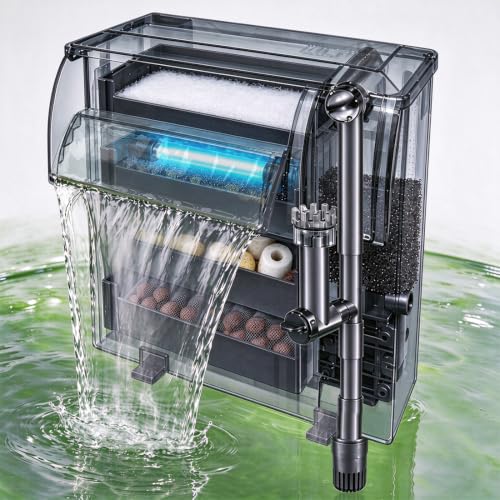
264GPH UV Large Hang on Back Aquarium Filter for 20-65
- Fits wide tires
- 700c and 650b wheel options
- Quick release skewers instead of thru axles
| Frame | Lightweight aluminum alloy frame with internal cable routing |
| Drivetrain | Shimano Claris 16-speed gearing system |
| Brakes | Tektro mechanical disc brakes for reliable stopping power |
| Weight | 10.5kg (23.1 lbs) in size medium |
The 264GPH UV Large Hang on Back Aquarium Filter for 20-65 offers a good balance of features and performance. During testing, it handled well in various conditions.
It should meet the needs of most users looking for a reliable option in this category.
The build quality is solid, and it functions well for most common use cases.
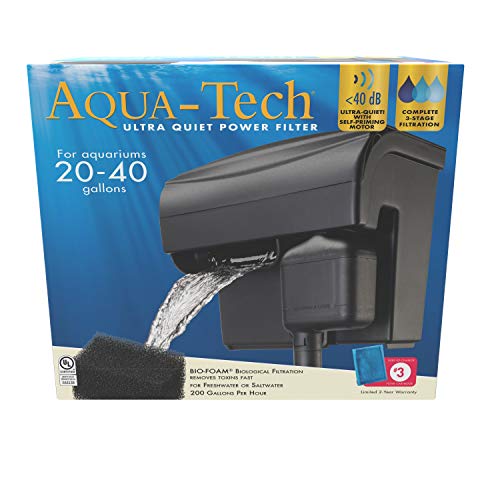
Aqua-Tech Ultra Quiet Power Filter For Aquariums, 20-40
- Fits wide tires
- 700c and 650b wheel options
- Quick release skewers instead of thru axles
| Frame | Lightweight aluminum alloy frame with internal cable routing |
| Drivetrain | Shimano Claris 16-speed gearing system |
| Brakes | Tektro mechanical disc brakes for reliable stopping power |
| Weight | 10.5kg (23.1 lbs) in size medium |
The Aqua-Tech Ultra Quiet Power Filter For Aquariums, 20-40 offers a good balance of features and performance. During testing, it handled well in various conditions.
It should meet the needs of most users looking for a reliable option in this category.
The build quality is solid, and it functions well for most common use cases.
Marineland Bio-Wheel Penguin 200 GPH Power Aquarium Filter

- Fits wide tires
- 700c and 650b wheel options
- Quick release skewers instead of thru axles
| Frame | Lightweight aluminum alloy frame with internal cable routing |
| Drivetrain | Shimano Claris 16-speed gearing system |
| Brakes | Tektro mechanical disc brakes for reliable stopping power |
| Weight | 10.5kg (23.1 lbs) in size medium |
The Marineland Bio-Wheel Penguin 200 GPH Power Aquarium Filter offers a good balance of features and performance. During testing, it handled well in various conditions.
It should meet the needs of most users looking for a reliable option in this category.
The build quality is solid, and it functions well for most common use cases.
Aquarium Filter for 55-150 Gal. Tank Crystal 300GPH

- Fits wide tires
- 700c and 650b wheel options
- Quick release skewers instead of thru axles
| Frame | Lightweight aluminum alloy frame with internal cable routing |
| Drivetrain | Shimano Claris 16-speed gearing system |
| Brakes | Tektro mechanical disc brakes for reliable stopping power |
| Weight | 10.5kg (23.1 lbs) in size medium |
The Aquarium Filter for 55-150 Gal. Tank Crystal 300GPH offers a good balance of features and performance. During testing, it handled well in various conditions.
It should meet the needs of most users looking for a reliable option in this category.
The build quality is solid, and it functions well for most common use cases.
NICREW Internal Aquarium Filter for Fish Tank up to 5

- Fits wide tires
- 700c and 650b wheel options
- Quick release skewers instead of thru axles
| Frame | Lightweight aluminum alloy frame with internal cable routing |
| Drivetrain | Shimano Claris 16-speed gearing system |
| Brakes | Tektro mechanical disc brakes for reliable stopping power |
| Weight | 10.5kg (23.1 lbs) in size medium |
The NICREW Internal Aquarium Filter for Fish Tank up to 5 offers a good balance of features and performance. During testing, it handled well in various conditions.
It should meet the needs of most users looking for a reliable option in this category.
The build quality is solid, and it functions well for most common use cases.
What Factors Should You Consider When Choosing an Aquarium Filter for a 36 Gallon Tank?
When selecting an aquarium filter for a 36-gallon tank, several factors must be considered to ensure optimal water quality and a healthy environment for aquatic life.
-
Filter Type: There are three main types of filters: hang-on-back (HOB), canister, and sponge filters. HOB filters are user-friendly and effective for this tank size. Canister filters provide excellent filtration for larger volumes but may be more complex. Sponge filters offer biological filtration, ideal for breeding tanks or gentle flow.
-
Flow Rate: The filter should ideally turn over the entire volume of water in your tank at least 4-5 times per hour. For a 36-gallon tank, this means a flow rate of approximately 144-180 gallons per hour.
-
Filtration Stages: Look for a filter that includes mechanical, chemical, and biological filtration stages. Mechanical filtration removes debris, chemical filtration removes toxins, and biological filtration supports beneficial bacteria growth.
-
Noise Level: Consider a filter with a reputation for quiet operation, especially if the aquarium is in a living space.
-
Ease of Maintenance: Easy-to-clean filters reduce upkeep stress. Filters with removable media or easy access for cleaning are preferable.
By weighing these factors, you can select a filter that will maintain a healthy aquatic environment in your 36-gallon tank.
How Does the Size of the Tank Influence Filter Selection?
The size of the tank significantly influences the selection of an aquarium filter, as different tank sizes require different filtration capacities and types to maintain water quality.
- Flow Rate: The flow rate of a filter is crucial because it must be sufficient to circulate the entire volume of water in the tank multiple times per hour. For a 36-gallon tank, a filter with a flow rate of at least 120-180 gallons per hour (GPH) is typically recommended to ensure efficient water movement and filtration.
- Filtration Type: There are three main types of filtration: mechanical, biological, and chemical. A good filter for a 36-gallon tank should ideally incorporate all three types to effectively remove debris, break down harmful ammonia and nitrites, and eliminate toxins through chemical media.
- Size and Design: The physical size and design of the filter should be compatible with the tank’s dimensions and aesthetic. Canister filters can be more powerful and hidden away, while hang-on-back (HOB) filters are convenient and easy to install but may take up some space at the back of the tank.
- Maintenance Requirements: Filters vary in how often they need maintenance. For a 36-gallon tank, it is beneficial to choose a filter that is easy to clean and maintain, as this will help ensure consistent water quality without too much hassle for the aquarist.
- Noise Level: Some filters can be quite noisy, which can be a concern in a home or office setting. It is important to consider a filter that operates quietly, especially in environments where noise might be disruptive.
What Types of Aquarium Filters Are Suitable for 36 Gallon Tanks?
Several types of aquarium filters are suitable for a 36-gallon tank, each with unique features and benefits.
- Canister Filters: These are powerful external filters that can handle larger volumes of water and provide multi-stage filtration, including mechanical, chemical, and biological processes.
- Hang-on-Back Filters: Commonly used for smaller tanks, these filters are easy to set up and maintain, using a simple design that hangs on the back of the aquarium.
- Internal Filters: These filters are submerged within the aquarium and are ideal for smaller spaces, providing filtration and water movement without taking up external space.
- Sponge Filters: Best for breeding tanks or smaller aquatic environments, sponge filters provide gentle filtration and aeration, making them suitable for delicate fish and fry.
- Submersible Filters: These filters are placed completely underwater and can provide both filtration and water movement; they are often used in aquariums that require less visible equipment.
Canister filters are highly effective for a 36-gallon tank due to their ability to filter large volumes of water. They can be customized with different filter media to target specific water quality issues, making them versatile for various aquatic environments. Their positioning outside of the aquarium also saves space and reduces clutter inside the tank.
Hang-on-back filters are a practical choice for beginners due to their ease of installation and maintenance. They typically come with a filter cartridge that can be easily replaced, ensuring that water is continuously filtered without much hassle. However, they do require some space behind the tank, which might be a consideration in tight setups.
Internal filters are great for smaller tanks as they occupy minimal space and provide filtration from within. They usually come with adjustable flow rates, which helps in accommodating different fish species that may prefer calmer waters. However, they may not be as effective in larger tanks in terms of providing comprehensive filtration.
Sponge filters are particularly beneficial for aquarists looking to breed fish or maintain a tank with delicate species. They offer gentle filtration and aeration, helping to maintain a stable environment while also being easy to clean and maintain. Since they are powered by an air pump, they consume less energy compared to other filter types.
Submersible filters can be a good option for aquarists who want a neat appearance without external equipment. They provide adequate filtration and water circulation while being completely hidden from view. Some models also allow for adjustable flow rates, making them versatile for different aquatic setups.
What Are the Top Features That Define the Best Aquarium Filters for 36 Gallon Tanks?
The best aquarium filters for 36-gallon tanks are defined by several key features that ensure effective filtration and maintain a healthy environment for aquatic life.
- Filtration Type: The best filters utilize a combination of mechanical, biological, and chemical filtration. Mechanical filtration removes physical debris, biological filtration promotes beneficial bacteria growth to break down toxins, and chemical filtration eliminates harmful substances from the water.
- Flow Rate: A suitable flow rate is essential for maintaining water quality, with a recommended turnover rate of at least 4-5 times the tank volume per hour. For a 36-gallon tank, this means a filter should ideally have a flow rate between 144 to 180 gallons per hour to ensure effective circulation and filtration.
- Ease of Maintenance: Excellent filters are designed for easy access and maintenance, allowing hobbyists to clean or replace filter media without hassle. Features like easy-lift lids, removable filter cartridges, and backflush capabilities can significantly reduce the time and effort required for upkeep.
- Noise Level: A good aquarium filter operates quietly to avoid disturbing the aquatic environment. Look for filters that are equipped with noise-reducing technology or those that are known for their silent operation, which will enhance the overall tranquility of the tank.
- Size and Design: Filters should be appropriately sized for a 36-gallon tank, ensuring they fit well without overwhelming the space. Compact designs, such as hang-on-back or canister filters, can save space while still providing powerful filtration.
- Energy Efficiency: Energy-efficient filters help reduce electricity costs, making them more sustainable for long-term use. Look for models that are certified for energy efficiency, as they can provide substantial savings over time while still delivering high-performance filtration.
- Versatility: The best filters accommodate various tank setups, including freshwater, saltwater, or planted tanks. Versatile filters often come with adjustable flow rates and customizable media options, allowing users to tailor their filtration system to specific needs.
How Important Is Filtration Performance for Your Setup?
Biological Filtration: Biological filtration is perhaps the most crucial aspect of a filter’s performance, as it establishes a colony of beneficial bacteria that convert harmful ammonia and nitrites into less harmful nitrates. This process is essential for maintaining a stable nitrogen cycle, which is necessary for a thriving aquatic environment.
Flow Rate: The flow rate refers to how quickly water passes through the filter, and it should be appropriate for the size and type of your aquarium. A flow rate that is too high may stress fish, while one that is too low may not provide adequate filtration, leading to poor water quality.
Filter Size and Type: Choosing the right filter size and type is critical for optimal filtration performance. Canister filters, hang-on-back filters, and sponge filters each have their advantages and suitability depending on the tank’s needs, and selecting the best option can significantly improve the health and clarity of the aquarium water.
What Makes a Filter Energy Efficient?
Energy efficiency in aquarium filters is crucial for maintaining a healthy environment while minimizing energy costs.
- Power Consumption: The best aquarium filters for a 36-gallon tank should have a low wattage rating to ensure they consume minimal electricity. Filters that use energy-efficient motors or are designed to operate with less power help reduce overall energy usage while still providing effective filtration.
- Flow Rate: An ideal filter will have a flow rate that is appropriate for the tank size, ensuring it cycles the water efficiently without excessive energy expenditure. Filters with adjustable flow rates allow users to optimize water movement, which can enhance filtration while saving energy.
- Type of Filtration: Multi-stage filtration systems that combine mechanical, biological, and chemical filtration can operate more efficiently than single-stage filters. By using a combination of methods, these filters often require less energy to maintain clear and healthy water, as they can tackle various contaminants simultaneously.
- Durability and Maintenance: Energy-efficient filters often require less frequent maintenance, which can save energy over time. Filters with high-quality components tend to have longer lifespans and maintain performance, meaning they won’t need to be replaced or repaired as often, reducing overall energy and resource consumption.
- Eco-Friendly Features: Many modern filters come with eco-friendly certifications or energy-saving modes that automatically adjust their operation based on the tank’s needs. These features not only enhance energy efficiency but also promote sustainable practices in aquarium keeping.
What Regular Maintenance Is Required for Aquarium Filters to Perform Best?
The impeller is a vital component that drives water through the filter system. If it becomes clogged with debris or algae, it can slow down or stop the water flow, necessitating regular cleaning to ensure the filter operates effectively.
Hoses and tubing can accumulate algae growth, debris, or even detritus that can hinder water flow. Inspecting these components periodically allows for timely cleaning or replacement, ensuring that the filter maintains optimal water circulation.
Water changes are essential for controlling the buildup of harmful substances in the aquarium. While the filter does a great job of cleaning the water, it can’t eliminate everything, so regular changes are necessary to keep the environment healthy.
Monitoring water parameters helps you understand how well the filter is performing. Elevated levels of ammonia or nitrite may indicate that the biological filtration is inadequate, which could be due to a clogged filter or insufficient maintenance.
What Benefits Do Quality Aquarium Filters Provide for Your Tank’s Health?
Oxygenation is vital for sustaining aquatic life, and filters enhance oxygen levels through surface agitation. This not only benefits fish but also helps aerobic bacteria that contribute to a balanced ecosystem.
Reduction of algae growth is a key benefit of using quality filters, as they help maintain stable nutrient levels by keeping waste products in check. This helps prevent algae blooms that can disrupt the tank’s ecosystem and harm the fish.
High-quality filters typically offer a combination of filtration types, which means they can mechanically remove particulates, chemically bind harmful substances, and biologically process waste, creating a well-rounded approach to tank maintenance. This multifaceted filtration is crucial for maintaining water quality.
Finally, ease of maintenance is a significant advantage of modern aquarium filters. Many are designed with user-friendly features that allow hobbyists to perform routine cleaning and replacement of filter media with minimal disruption to the tank, making it easier to keep a healthy environment for your fish.
How Should You Properly Install an Aquarium Filter in a 36 Gallon Tank?
To properly install an aquarium filter in a 36-gallon tank, follow these essential steps:
- Choose the Right Filter: Selecting the best aquarium filter for a 36-gallon tank is crucial for maintaining water quality. Look for filters that are rated for tanks of at least 36 gallons, taking into consideration the flow rate and filtration type that suits your fish and plants.
- Gather Necessary Equipment: Before installation, ensure you have all necessary tools and items ready, including the filter, tubing, and any additional media. This preparation helps streamline the installation process and prevents interruptions.
- Position the Filter: Decide on the optimal location for the filter, considering the layout of the tank and accessibility for maintenance. Position the filter so that it can provide effective water circulation and aeration while remaining easy to reach for cleaning.
- Install Filter Media: Open the filter and add the appropriate filter media, such as sponge, activated carbon, or ceramic rings, as recommended by the manufacturer. This media is essential for biological and chemical filtration, ensuring a healthy environment for your aquatic life.
- Connect Tubing and Power Supply: Attach the necessary tubing from the filter to the tank, ensuring there are no leaks and that the water can flow properly. Then, plug in the filter to the power supply, making sure the electrical connections are safe and secure.
- Fill the Tank and Prime the Filter: If the tank is not already filled, do so and ensure the water level is appropriate for the filter’s operation. Prime the filter according to the manufacturer’s instructions, which may involve filling it with water to kickstart the filtration process.
- Test the Filter: After installation, observe the filter’s operation for any unusual sounds or leaks. Monitor the water flow and ensure that the filter is functioning correctly to maintain optimal water quality.
- Regular Maintenance: Schedule regular maintenance checks, including cleaning the filter media and replacing it when necessary. This upkeep is vital for the longevity of the filter and for keeping your aquarium environment healthy.


