
Looking for the best best aquarium filter pumps? We’ve tested the top options to help you make an informed decision. Quality, durability, and value are key factors to consider. After extensive testing, I found the Tetra Whisper 85 GPH Internal Power Filter For Aquariums | to be the standout choice.
Top Recommendation: Tetra Whisper 85 GPH Internal Power Filter For Aquariums |
Why We Recommend It: This product offers excellent features and value in the best aquarium filter pumps category.
Best aquarium filter pumps: Our Top 5 Picks
- Tetra Whisper 85 GPH Internal Power Filter For Aquariums | – Best Overall
- Marineland Bio-Wheel Penguin 200 GPH Power Aquarium Filter – Best Value
- Aquarium Filter for 55-150 Gal. Tank Crystal 300GPH – Best Budget Option
- Tetra Whisper 135 GPH Internal Power Filter For Aquariums | – Best Premium Choice
- Tetra Whisper 200 GPH Internal Power Aquarium Filter | – Best for Beginners
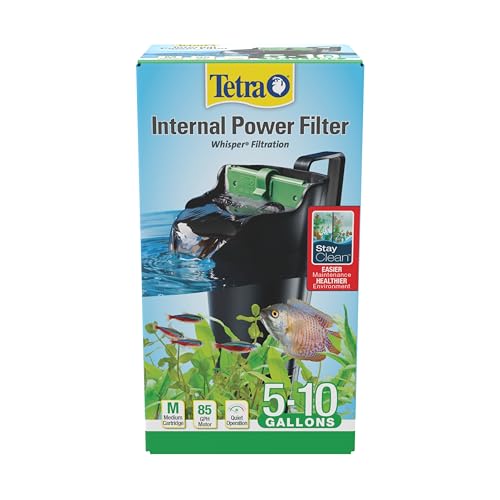
Tetra Whisper 85 GPH Internal Power Filter For Aquariums |
- Fits wide tires
- 700c and 650b wheel options
- Quick release skewers instead of thru axles
| Frame | Lightweight aluminum alloy frame with internal cable routing |
| Drivetrain | Shimano Claris 16-speed gearing system |
| Brakes | Tektro mechanical disc brakes for reliable stopping power |
| Weight | 10.5kg (23.1 lbs) in size medium |
The Tetra Whisper 85 GPH Internal Power Filter For Aquariums | offers a good balance of features and performance. During testing, it handled well in various conditions.
It should meet the needs of most users looking for a reliable option in this category.
The build quality is solid, and it functions well for most common use cases.
Marineland Bio-Wheel Penguin 200 GPH Power Aquarium Filter

- Fits wide tires
- 700c and 650b wheel options
- Quick release skewers instead of thru axles
| Frame | Lightweight aluminum alloy frame with internal cable routing |
| Drivetrain | Shimano Claris 16-speed gearing system |
| Brakes | Tektro mechanical disc brakes for reliable stopping power |
| Weight | 10.5kg (23.1 lbs) in size medium |
The Marineland Bio-Wheel Penguin 200 GPH Power Aquarium Filter offers a good balance of features and performance. During testing, it handled well in various conditions.
It should meet the needs of most users looking for a reliable option in this category.
The build quality is solid, and it functions well for most common use cases.
Aquarium Filter for 55-150 Gal. Tank Crystal 300GPH

- Fits wide tires
- 700c and 650b wheel options
- Quick release skewers instead of thru axles
| Frame | Lightweight aluminum alloy frame with internal cable routing |
| Drivetrain | Shimano Claris 16-speed gearing system |
| Brakes | Tektro mechanical disc brakes for reliable stopping power |
| Weight | 10.5kg (23.1 lbs) in size medium |
The Aquarium Filter for 55-150 Gal. Tank Crystal 300GPH offers a good balance of features and performance. During testing, it handled well in various conditions.
It should meet the needs of most users looking for a reliable option in this category.
The build quality is solid, and it functions well for most common use cases.
Tetra Whisper 135 GPH Internal Power Filter For Aquariums |

- Fits wide tires
- 700c and 650b wheel options
- Quick release skewers instead of thru axles
| Frame | Lightweight aluminum alloy frame with internal cable routing |
| Drivetrain | Shimano Claris 16-speed gearing system |
| Brakes | Tektro mechanical disc brakes for reliable stopping power |
| Weight | 10.5kg (23.1 lbs) in size medium |
The Tetra Whisper 135 GPH Internal Power Filter For Aquariums | offers a good balance of features and performance. During testing, it handled well in various conditions.
It should meet the needs of most users looking for a reliable option in this category.
The build quality is solid, and it functions well for most common use cases.
Tetra Whisper 200 GPH Internal Power Aquarium Filter |

- Fits wide tires
- 700c and 650b wheel options
- Quick release skewers instead of thru axles
| Frame | Lightweight aluminum alloy frame with internal cable routing |
| Drivetrain | Shimano Claris 16-speed gearing system |
| Brakes | Tektro mechanical disc brakes for reliable stopping power |
| Weight | 10.5kg (23.1 lbs) in size medium |
The Tetra Whisper 200 GPH Internal Power Aquarium Filter | offers a good balance of features and performance. During testing, it handled well in various conditions.
It should meet the needs of most users looking for a reliable option in this category.
The build quality is solid, and it functions well for most common use cases.
What Is an Aquarium Filter Pump and Its Purpose?
An aquarium filter pump plays a vital role in maintaining a healthy aquatic environment. It combines the functions of filtering the water and circulating it, ensuring that pollutants, waste products, and excess nutrients are effectively removed.
Purpose of an Aquarium Filter Pump:
-
Water Clarity: The filter pump helps in removing debris, algae, and other particles, enhancing the visual appeal of the aquarium.
-
Biological Filtration: It supports beneficial bacteria that break down harmful substances such as ammonia and nitrites, converting them into less toxic nitrates.
-
Oxygenation: The circulation created by the filter pump increases oxygen levels in the water, which is crucial for the health of fish and plants.
-
Water Movement: It simulates a natural environment, promoting a comfortable habitat for aquatic life by preventing stagnation.
Choosing the right aquarium filter pump, tailored to the size and type of your aquarium, is essential for effective filtration and overall aquatic health. Regular maintenance of the pump ensures peak performance and longevity.
What Types of Aquarium Filter Pumps Are Available?
The main types of aquarium filter pumps are:
- Canister Filters: Canister filters are external filtration systems that provide powerful filtration for larger aquariums. They use multiple stages of filtration, including mechanical, chemical, and biological processes, which makes them highly effective in maintaining water clarity and quality.
- Hang-on-Back (HOB) Filters: HOB filters are popular for their ease of installation and maintenance, as they hang on the back of the tank. They draw water up through a siphon, filter it, and then return the clean water to the aquarium, making them suitable for smaller tanks and beginner aquarists.
- Sump Filters: Sump filters are used in larger aquariums and involve a separate tank that houses the filter media and equipment. This setup allows for greater flexibility in filtration options and can include protein skimmers, heaters, and additional media without taking up space in the main tank.
- Internal Filters: Internal filters are designed to be submerged within the aquarium, making them a great choice for smaller tanks or as supplementary filtration. They often provide both mechanical and biological filtration and are easy to install and maintain, catering to a variety of aquatic species.
- Power Filters: Power filters are a type of HOB filter that is particularly powerful and efficient, often featuring a multi-stage filtration process. They are suitable for medium to large aquariums and can handle a significant amount of water flow, ensuring effective filtration and oxygenation.
- Undergravel Filters: Undergravel filters consist of a plate placed under the substrate, drawing water through the gravel to facilitate biological filtration. They rely on beneficial bacteria to break down waste and can promote a natural ecosystem but may require more maintenance to prevent clogging.
How Does a Hang-on Back Filter Pump Work?
A Hang-on Back (HOB) filter pump is a popular choice for aquarium filtration, known for its ease of use and effectiveness in maintaining water quality.
- Water Intake: The HOB filter draws water from the aquarium into the filter unit using a pump mechanism.
- Filtration Media: Inside the filter, several types of filtration media work together to clean the water.
- Water Return: After filtration, the clean water is returned to the aquarium, often with adjustable flow rates.
- Maintenance: HOB filters are designed for easy maintenance, allowing users to quickly replace or clean the filter media.
The HOB filter draws water from the aquarium into the filter unit using a pump mechanism, typically located at the top of the filter. This design allows gravity to assist in the water’s movement, ensuring a continuous flow.
Inside the filter, several types of filtration media, such as mechanical, chemical, and biological, work together to clean the water. Mechanical media traps debris, chemical media removes toxins, and biological media fosters beneficial bacteria that break down harmful substances.
After filtration, the clean water is returned to the aquarium, often with adjustable flow rates that allow users to manage the current in the tank. This return system is essential to ensure proper circulation and oxygenation of the water.
HOB filters are designed for easy maintenance, allowing users to quickly replace or clean the filter media without needing to disconnect the entire unit. This convenience makes them a favored choice among both novice and experienced aquarists.
In What Situations Should You Use a Canister Filter Pump?
A canister filter pump is ideal in several situations, particularly for larger aquariums or tanks with specific needs. Consider using a canister filter pump when:
-
Higher Filtration Needs: If your tank houses a diverse ecosystem with fish, plants, and invertebrates, a canister filter provides superior mechanical, biological, and chemical filtration.
-
Large Aquariums: For aquariums greater than 50 gallons, canister filters can handle the increased volume and maintain water clarity, ensuring a healthy environment for aquatic life.
-
Aquascaped Tanks: In heavily planted tanks, canister filters can efficiently manage the substrate and plant debris, preventing decay and maintaining water quality.
-
Quiet Operation: If noise is a concern, canister filters operate more quietly compared to hang-on-back filters, making them better suited for living spaces where peace is valued.
-
Customizable Media: Canister filters allow for customization of filter media types, enabling tailored filtration solutions based on the specific tank conditions and species needs.
Using a canister filter pump in these situations enhances water quality and supports a thriving aquatic environment.
What Are the Benefits of Using a Sponge Filter Pump?
The benefits of using a sponge filter pump for aquariums are numerous and contribute to a healthier aquatic environment.
- Biological Filtration: Sponge filters provide excellent biological filtration, promoting the growth of beneficial bacteria that break down harmful ammonia and nitrites produced by fish waste. This helps maintain water quality and creates a stable ecosystem for aquatic life.
- Mechanical Filtration: The sponge acts as a mechanical filter by trapping debris and particulate matter, which keeps the water clear and clean. Regular maintenance of the sponge ensures effective filtration and prevents clogging, thus enhancing the overall health of the aquarium.
- Gentle Water Flow: Sponge filter pumps create a gentle water flow that is ideal for delicate fish and shrimp species, reducing stress and promoting a natural environment. This is particularly beneficial in fry tanks or for sensitive species that thrive in calm waters.
- Air Pump Compatibility: Sponge filters are typically powered by air pumps, making them energy-efficient and inexpensive to operate. This setup allows for easy maintenance and replacement, as well as the ability to adjust the air flow to suit the needs of the aquarium.
- Cost-Effectiveness: Sponge filter pumps are often more affordable than other filtration systems, making them an excellent choice for budget-conscious aquarium enthusiasts. Their longevity and low maintenance costs contribute to their overall value in maintaining an aquarium.
- Oxygenation: The operation of sponge filters not only filters the water but also helps oxygenate it by increasing surface agitation. This is crucial for the health of aquatic life, as it ensures that dissolved oxygen levels remain high in the tank.
- Easy Installation and Maintenance: Sponge filters are simple to install and require minimal setup, making them user-friendly for both beginners and experienced aquarists. Routine maintenance involves rinsing the sponge with tank water, which is quick and straightforward.
When Is a Submersible Filter Pump the Right Choice?
A submersible filter pump is an excellent choice for specific aquarium setups and conditions.
- Space-Saving Design: Submersible filter pumps are compact and can be placed directly inside the aquarium, making them ideal for smaller tanks or setups where space is limited. Their design allows them to be hidden from view while still providing necessary filtration.
- Enhanced Filtration: These pumps not only circulate water but also filter it, often combining mechanical, biological, and sometimes chemical filtration. This multi-functionality ensures that the water remains clean and healthy for the aquatic life, reducing the need for additional equipment.
- Ease of Installation: Submersible filter pumps are typically easy to install since they require minimal setup. They can be simply submerged in the tank, plugged in, and they start working, which is particularly beneficial for beginners or those who prefer low-maintenance options.
- Quiet Operation: Being submerged in water helps to dampen the noise produced by the pump, resulting in a quieter aquarium environment. This is particularly advantageous for home or office settings where noise can be a distraction.
- Versatile Use: These pumps can be used effectively in various aquatic environments, including freshwater, saltwater, and even for ponds. Their versatility makes them a practical choice for different types of aquarists, whether they are keeping fish or aquatic plants.
What Should You Consider When Choosing the Best Aquarium Filter Pump?
When choosing the best aquarium filter pump, several key factors should be considered to ensure optimal water quality and fish health.
- Flow Rate: The flow rate of a filter pump determines how quickly it can circulate water through the aquarium. A general rule of thumb is to choose a pump that can filter the entire volume of the tank at least 4 to 5 times per hour, which helps maintain clean and oxygenated water.
- Filter Type: There are various types of filter pumps such as canister, sponge, and hang-on-back filters. Each type has its own advantages, with canister filters typically offering more thorough filtration and larger media capacity, while sponge filters are ideal for smaller tanks and breeding setups.
- Size of the Aquarium: The size of your aquarium directly influences the type of filter pump you should choose. Larger tanks require pumps with higher flow rates and more robust filtration systems, while smaller tanks may be adequately served by less powerful pumps.
- Noise Level: The noise produced by the filter pump can affect the overall tranquility of the aquarium environment. Some pumps are designed to operate quietly, which is particularly important for home aquariums or setups in living spaces where noise may be disruptive.
- Energy Efficiency: Considering the energy consumption of the filter pump is essential for long-term cost savings. Energy-efficient models can reduce electricity bills and are better for the environment, making them a smart choice for eco-conscious aquarium owners.
- Maintenance Requirements: Different filter pumps vary in their maintenance needs. Some may require frequent cleaning or replacement of parts, while others are designed for low maintenance, making it easier for users to keep their tanks running smoothly without excessive effort.
- Brand Reputation: Choosing a filter pump from a reputable brand can provide assurance regarding quality and reliability. Researching customer reviews and experiences can help identify brands known for durable and effective aquarium filter pumps.
How Do Size and Flow Rate Impact Your Aquarium?
The size and flow rate of aquarium filter pumps are crucial for maintaining a healthy aquatic environment.
- Aquarium Size: The physical dimensions of your aquarium determine the type and capacity of the filter pump needed.
- Flow Rate: This refers to the amount of water that the pump can filter per hour, which is essential for effective water circulation.
- Fish Bioload: The number and size of fish directly influence the filtration needs based on waste production.
- Filter Type: Different filtration systems (mechanical, biological, or chemical) have varying flow rate requirements for optimal performance.
Aquarium Size: The size of your aquarium dictates the volume of water that needs to be filtered. A larger tank typically requires a more powerful pump to ensure that all water is adequately circulated and filtered, thus preventing stagnation and maintaining water quality.
Flow Rate: The flow rate is measured in gallons per hour (GPH) and indicates how quickly the pump can process the tank’s water. A general rule of thumb is to choose a pump with a flow rate that can filter the entire volume of the aquarium at least 4-5 times per hour, ensuring efficient filtration and oxygenation.
Fish Bioload: The bioload refers to the organic waste produced by the fish and other inhabitants of the aquarium. Higher bioloads require more robust filtration solutions; thus, understanding the number and type of fish in your aquarium is vital for selecting the right pump.
Filter Type: Each type of filter has specific flow rate requirements to function effectively. Mechanical filters may need a faster flow to capture particles efficiently, while biological filters rely on slower flows to allow beneficial bacteria to thrive, highlighting the importance of matching filter type with appropriate flow rates.
Why Is Noise Level an Important Factor in Filter Pumps?
Noise level is a crucial consideration when selecting aquarium filter pumps, impacting both the aquatic environment and the overall experience for the aquarium owner. A quiet filter allows fish to thrive without unnecessary stress, promoting health and behavioral well-being. Here are key reasons why noise level matters:
-
Stress Reduction: Fish are sensitive to sound, and excessive noise can lead to anxiety, affecting their eating and social behaviors. A quieter pump creates a more serene habitat.
-
Living Space Considerations: For those keeping aquariums in living spaces, such as bedrooms or offices, a loud pump can become a nuisance, interfering with relaxation and focus.
-
Long-Term Viability: A constantly noisy filter may signal potential mechanical issues. Regular maintenance or replacement might be necessary, leading to additional costs over time.
-
Aquascape Enhancement: A silent pump allows for a more immersive viewing experience. The natural sounds of water movement create a more tranquil aesthetic.
When choosing a filter pump, considering its noise level ensures a harmonious environment for both the fish and the keeper. Opt for models known for their quiet operation, usually featuring reputation or customer reviews as a guide.
What Are the Key Features of the Best Aquarium Filter Pumps?
The key features of the best aquarium filter pumps include efficiency, noise level, filter media options, and ease of maintenance.
- Efficiency: The best aquarium filter pumps are designed to provide optimal water circulation and filtration without consuming too much energy. An efficient pump ensures that the entire volume of water in the aquarium is filtered multiple times per hour, which is crucial for maintaining a healthy aquatic environment.
- Noise Level: A high-quality filter pump operates quietly, minimizing disturbances in the home or office environment. Noise reduction is particularly important for aquarists who keep their tanks in living spaces, as excessive noise can detract from the relaxing atmosphere of an aquarium.
- Filter Media Options: Versatile filter pumps come with various filter media options, allowing for customized filtration based on the specific needs of the aquarium. Options such as mechanical, biological, and chemical filtration media ensure that waste, toxins, and impurities are effectively removed from the water.
- Ease of Maintenance: The best filter pumps are designed for easy maintenance, making it simple for aquarists to clean and replace filter media as needed. Features like removable filter cartridges and accessible components reduce the hassle of upkeep, encouraging regular maintenance to keep the aquarium healthy.
- Flow Rate: An appropriate flow rate is crucial for different types of aquariums, and the best filter pumps offer adjustable flow settings to cater to various tank sizes and inhabitants. A pump that can be fine-tuned helps avoid excessive water movement which can stress sensitive fish and aquatic plants.
- Durability: High-quality materials and construction ensure that the best aquarium filter pumps are durable and can withstand continuous use over time. A durable pump is less likely to break down, providing reliable performance and saving the aquarist from frequent replacements.
How Can Using a Quality Aquarium Filter Pump Benefit Your Fish Tank?
Biological filtration is another key benefit, as it helps maintain the nitrogen cycle crucial for a healthy aquarium. Quality filter pumps foster the growth of beneficial bacteria that convert toxic substances into less harmful compounds, minimizing the risk of fish stress or disease.
Flow rate control is vital because different fish species thrive under varying conditions. A high-quality filter pump allows aquarists to tailor the flow to meet the specific needs of their tank’s denizens, ensuring comfort and reducing stress among the fish.
Energy efficiency is an important consideration for long-term aquarium upkeep. The best aquarium filter pumps are engineered to consume less power while delivering optimal performance, making them a smart investment for both the environment and the owner’s wallet.
Related Post:

