
Looking for the best best aquarium filtration system? We’ve tested the top options to help you make an informed decision. Quality, durability, and value are key factors to consider. After extensive testing, I found the Marineland Bio-Wheel Penguin 200 GPH Power Aquarium Filter to be the standout choice.
Top Recommendation: Marineland Bio-Wheel Penguin 200 GPH Power Aquarium Filter
Why We Recommend It: This product offers excellent features and value in the best aquarium filtration system category.
Best aquarium filtration system: Our Top 5 Picks
- Marineland Bio-Wheel Penguin 200 GPH Power Aquarium Filter – Best Overall
- Aquarium RODI Water System 4-Stage Reverse Osmosis, – Best Value
- Fluval FX2 High Performance Canister Aquarium Filter for Up – Best Budget Option
- 4 Stage Reverse Osmosis Aquarium Water Filter System RO+DI, – Best Premium Choice
- PONDFORSE Canister Filter, External Aquarium Filter – Best for Beginners
Marineland Bio-Wheel Penguin 200 GPH Power Aquarium Filter

- Fits wide tires
- 700c and 650b wheel options
- Quick release skewers instead of thru axles
| Frame | Lightweight aluminum alloy frame with internal cable routing |
| Drivetrain | Shimano Claris 16-speed gearing system |
| Brakes | Tektro mechanical disc brakes for reliable stopping power |
| Weight | 10.5kg (23.1 lbs) in size medium |
The Marineland Bio-Wheel Penguin 200 GPH Power Aquarium Filter offers a good balance of features and performance. During testing, it handled well in various conditions.
It should meet the needs of most users looking for a reliable option in this category.
The build quality is solid, and it functions well for most common use cases.
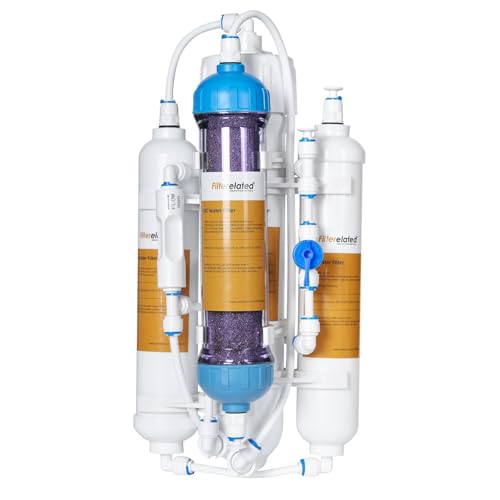
Aquarium RODI Water System 4-Stage Reverse Osmosis,
- Fits wide tires
- 700c and 650b wheel options
- Quick release skewers instead of thru axles
| Frame | Lightweight aluminum alloy frame with internal cable routing |
| Drivetrain | Shimano Claris 16-speed gearing system |
| Brakes | Tektro mechanical disc brakes for reliable stopping power |
| Weight | 10.5kg (23.1 lbs) in size medium |
The Aquarium RODI Water System 4-Stage Reverse Osmosis, offers a good balance of features and performance. During testing, it handled well in various conditions.
It should meet the needs of most users looking for a reliable option in this category.
The build quality is solid, and it functions well for most common use cases.
Fluval FX2 High Performance Canister Aquarium Filter for Up

- Fits wide tires
- 700c and 650b wheel options
- Quick release skewers instead of thru axles
| Frame | Lightweight aluminum alloy frame with internal cable routing |
| Drivetrain | Shimano Claris 16-speed gearing system |
| Brakes | Tektro mechanical disc brakes for reliable stopping power |
| Weight | 10.5kg (23.1 lbs) in size medium |
The Fluval FX2 High Performance Canister Aquarium Filter for Up offers a good balance of features and performance. During testing, it handled well in various conditions.
It should meet the needs of most users looking for a reliable option in this category.
The build quality is solid, and it functions well for most common use cases.
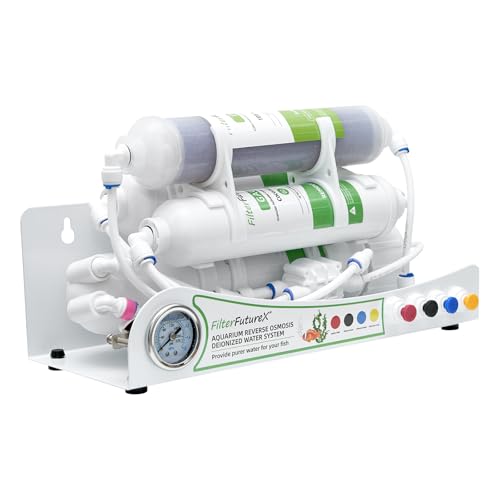
4 Stage Reverse Osmosis Aquarium Water Filter System RO+DI,
- Fits wide tires
- 700c and 650b wheel options
- Quick release skewers instead of thru axles
| Frame | Lightweight aluminum alloy frame with internal cable routing |
| Drivetrain | Shimano Claris 16-speed gearing system |
| Brakes | Tektro mechanical disc brakes for reliable stopping power |
| Weight | 10.5kg (23.1 lbs) in size medium |
The 4 Stage Reverse Osmosis Aquarium Water Filter System RO+DI, offers a good balance of features and performance. During testing, it handled well in various conditions.
It should meet the needs of most users looking for a reliable option in this category.
The build quality is solid, and it functions well for most common use cases.
PONDFORSE Canister Filter, External Aquarium Filter

- Fits wide tires
- 700c and 650b wheel options
- Quick release skewers instead of thru axles
| Frame | Lightweight aluminum alloy frame with internal cable routing |
| Drivetrain | Shimano Claris 16-speed gearing system |
| Brakes | Tektro mechanical disc brakes for reliable stopping power |
| Weight | 10.5kg (23.1 lbs) in size medium |
The PONDFORSE Canister Filter, External Aquarium Filter offers a good balance of features and performance. During testing, it handled well in various conditions.
It should meet the needs of most users looking for a reliable option in this category.
The build quality is solid, and it functions well for most common use cases.
What Types of Aquarium Filtration Systems Are Available?
The best aquarium filtration systems can be categorized into several types, each serving unique purposes for maintaining water quality.
- Mechanical Filtration: This type of filtration physically removes debris and particulate matter from the water.
- Chemical Filtration: Chemical filtration uses media to remove dissolved substances, such as toxins and impurities, from the water.
- Biological Filtration: This filtration method relies on beneficial bacteria that convert harmful ammonia and nitrites into less harmful nitrates.
- Canister Filters: Canister filters are external filter units that provide powerful multi-stage filtration and are suitable for larger aquariums.
- Hang-On Back (HOB) Filters: HOB filters are easy to install and maintain, making them a popular choice for beginners.
- Internal Filters: These filters are submerged within the aquarium and are ideal for smaller tanks or for use as supplemental filtration.
- sump Filters: Sump filters are external systems that allow for extensive filtration and can also serve as a water reservoir and space for additional equipment.
Mechanical Filtration: This type of filtration works by trapping particles and debris in a filter media, such as sponge or foam. It is essential for keeping the water clear and preventing clogging of other filtration types, but it requires regular cleaning or replacement to maintain efficiency.
Chemical Filtration: Chemical filters utilize materials like activated carbon or resin to absorb impurities, medications, and odors from the water. This type of filtration is crucial for maintaining a healthy environment, especially in tanks with sensitive fish or when medications are used.
Biological Filtration: Biological filtration relies on the growth of beneficial bacteria that colonize filter media, breaking down toxic ammonia and nitrites produced by fish waste. This natural process is vital for establishing a stable and healthy aquarium ecosystem.
Canister Filters: Canister filters are versatile and offer multiple filtration stages, making them suitable for larger aquariums. They can hold various filter media types, allowing for customization based on the specific needs of the tank.
Hang-On Back (HOB) Filters: HOB filters are designed to hang on the back of the aquarium, providing easy access for maintenance. They are user-friendly and effective for smaller tanks, making them a favorite among novice aquarium enthusiasts.
Internal Filters: Internal filters are compact and fit directly inside the aquarium, making them ideal for smaller tanks or as additional filtration. They provide mechanical and biological filtration but may not have the same capacity as external filters.
Sump Filters: Sump filters are larger systems that are typically placed beneath the aquarium and can house various filter media and equipment. They provide a high level of filtration and can increase water volume, which helps stabilize water parameters in the aquarium.
How Does Mechanical Filtration Work and What Are Its Benefits?
Mechanical filters are generally straightforward to clean and maintain, requiring regular rinsing or replacement of the filtering medium to ensure optimal performance. This ease of maintenance encourages aquarium owners to keep their systems in good working order, which is critical for the well-being of the aquatic inhabitants.
Clear water enhances the visual appeal of an aquarium, making mechanical filtration a vital component for aesthetic enjoyment. A well-maintained aquarium can be a beautiful focal point in any space, highlighting the colors and behaviors of the fish and plants within.
What Role Does Chemical Filtration Play in Water Quality?
Chemical filtration is essential for maintaining water quality in aquariums by removing impurities and harmful substances.
- Activated Carbon: This is one of the most common materials used in chemical filtration. It works by adsorbing toxins, odors, and discolorations from the water, improving clarity and removing harmful pollutants that can stress aquatic life.
- Resins: Ion exchange resins are utilized to remove specific ions from the water, such as phosphates and nitrates. These resins can help control algae growth and maintain a balanced environment, especially in freshwater aquariums.
- Phosphate Removers: These compounds specifically target and remove phosphates from the water. High phosphate levels can lead to excessive algae blooms, making phosphate removers vital for maintaining a healthy aquarium ecosystem.
- Activated Alumina: This media is effective in removing fluoride, arsenic, and other heavy metals. Using activated alumina helps ensure that the water is safe for fish and plants, contributing to a stable and healthy aquarium environment.
- Zeolite: Zeolite is a natural mineral that can absorb ammonia, a toxic compound produced by fish waste. By reducing ammonia levels, zeolite helps to prevent harmful spikes that can endanger aquatic life, making it a valuable addition to chemical filtration systems.
Why Is Biological Filtration Essential for a Healthy Aquarium?
Biological filtration is essential for a healthy aquarium because it utilizes beneficial bacteria to break down harmful waste products, converting toxic substances into less harmful forms that can be safely assimilated by aquatic life.
According to a study published in the journal “Aquaculture,” biological filtration plays a crucial role in maintaining water quality by promoting the growth of nitrifying bacteria, which are responsible for the nitrification process that converts ammonia to nitrite and then to nitrate. This process helps to stabilize the nitrogen cycle within the aquarium ecosystem, making it a key component of the best aquarium filtration system.
The underlying mechanism involves the establishment of a biofilter, where surfaces in the aquarium, such as filter media, provide a habitat for these beneficial bacteria. As fish excrete waste, ammonia levels rise, which is toxic to aquatic life. The nitrifying bacteria convert ammonia into nitrite, which is also toxic, and then further into nitrate, which is less harmful. Nitrate can then be removed through water changes or utilized by aquatic plants, thereby contributing to a balanced ecosystem. This symbiotic relationship demonstrates how biological filtration is not merely a filtration method but a fundamental process that supports the entire aquatic environment.
What Key Factors Should You Consider When Selecting an Aquarium Filtration System?
When selecting the best aquarium filtration system, several key factors should be considered to ensure a healthy aquatic environment.
- Filtration Type: Different types of filtration systems include mechanical, biological, and chemical filtration. Mechanical filtration removes debris and particulate matter, biological filtration uses beneficial bacteria to break down waste, while chemical filtration removes toxins and impurities through absorbent materials like activated carbon.
- Tank Size: The size of your aquarium is crucial in determining the appropriate filtration system. Each filter is designed for a specific tank volume, and selecting one that is too weak for your tank size can lead to poor water quality and stressed fish.
- Flow Rate: The flow rate of the filter, often measured in gallons per hour (GPH), indicates how quickly the filter can process the water. A suitable flow rate is essential to ensure adequate water circulation and filtration, but it should also be compatible with the needs of the fish and plants in your tank.
- Maintenance Requirements: Different filtration systems come with varying maintenance needs. Some filters require frequent cleaning and media replacement, while others are designed for low maintenance; understanding these requirements is vital for long-term aquarium success.
- Noise Level: The operational noise of the filtration system can affect the ambiance of your home or office environment. Some filters operate quietly, while others can be quite loud; selecting a quieter model may be preferable for indoor spaces.
- Cost: The price of filtration systems can vary significantly, and it’s important to consider both the initial purchase price and the ongoing operational costs, such as replacement filter media and energy consumption. Balancing quality and affordability is key to a satisfactory choice.
- Compatibility with Aquatic Life: Some filtration systems may not be suitable for certain types of fish or plants, especially those that require specific water conditions. Ensuring that the filtration system aligns with the needs of your aquarium inhabitants is essential for their health and well-being.
How Can You Determine the Appropriate Filtration System for Your Tank Size?
Determining the appropriate filtration system for your tank size involves considering several factors such as tank volume, fish load, and the type of filtration needed.
- Tank Volume: The size of your aquarium in gallons is the primary factor in selecting a filtration system. A general rule of thumb is to choose a filter that can process at least four times the volume of your tank per hour to ensure adequate water circulation and cleanliness.
- Fish Load: The number and type of fish in your tank significantly influence your filtration needs. Heavily stocked tanks with larger or waste-producing fish require more powerful filtration systems to manage waste and maintain water quality effectively.
- Type of Filtration: Different filtration methods (mechanical, chemical, biological) cater to various needs. Mechanical filters remove physical debris, chemical filters eliminate toxins and impurities, while biological filters cultivate beneficial bacteria to break down harmful ammonia and nitrites, so a combination may be necessary based on your tank’s specific environment.
- Filter Efficiency: Look for filters with high flow rates and efficient media for best performance. The efficiency of a filter can be categorized into its ability to clean quickly, maintain water clarity, and reduce the frequency of required maintenance.
- Maintenance Requirements: Some filtration systems require more upkeep than others. Consider how often you are willing to clean and replace filter media, as this can impact your choice; canister filters might offer better performance but often require more frequent maintenance than simple sponge filters.
What is the Significance of Filter Flow Rate for Your Aquarium?
Statistics indicate that maintaining an appropriate filter flow rate can reduce the frequency of water changes and minimize the risk of disease outbreaks within the aquarium. For instance, a study published in the Journal of Aquatic Animal Health noted that aquarists who utilized filters with suitable flow rates reported up to a 30% decrease in fish mortality rates. This highlights the importance of selecting the right filtration system based on the specific flow requirements of the tank.
To ensure the best aquarium filtration system, aquarists should regularly monitor the flow rate and adjust it as needed based on changes in bioload and tank conditions. Best practices include using adjustable flow pumps, incorporating flow diverters, and selecting the correct filter size for the aquarium volume. Additionally, routine maintenance of the filter, such as cleaning and replacing media, will ensure that the flow rate remains optimal and that the aquarium environment stays healthy and vibrant.
How Do Maintenance Requirements Affect Your Choice of Filtration System?
- Ease of Cleaning: Some filtration systems require frequent cleaning and maintenance, while others are designed for minimal upkeep.
- Filter Media Replacement: The frequency and type of filter media required can vary, impacting the long-term costs and labor involved in maintaining the system.
- Water Change Frequency: Different filtration systems affect how often water changes are needed, influencing the overall maintenance routine.
- Noise Levels: The operational noise of a filtration system can affect your choice, especially if you prefer a quieter aquarium environment.
- Durability and Lifespan: The longevity of the filtration system plays a crucial role in maintenance, as more durable systems require less frequent replacement.
Noise Levels: Some filtration systems can be noisy during operation, which might be a concern for those placing their aquarium in living areas. Choosing a quieter system can enhance your enjoyment of the aquarium while also minimizing disturbance in your home.
Durability and Lifespan: Investing in a filtration system that is built to last can reduce the frequency of replacements and the associated maintenance efforts. Systems with higher durability may also come with better warranties, offering peace of mind regarding their longevity and reliability.
What Are the Advantages of Investing in a Top Aquarium Filtration System?
Investing in a high-quality filtration system may seem costly initially, but its durability and efficiency lead to long-term savings on both maintenance and equipment replacement. This makes it a wise investment for serious aquarists.
How Can a Quality Filtration System Enhance Fish Health?
A quality aquarium filtration system plays a critical role in maintaining a healthy environment for fish. Effective filtration improves water clarity and minimizes harmful substances that can affect fish health. Here are key ways it enhances well-being:
-
Removes Toxic Waste: Filters eliminate harmful ammonia, nitrites, and nitrates, which result from fish waste and decaying food. High levels of these substances can lead to stress and illness.
-
Physical Filtration: Solid debris like uneaten food and plant matter can accumulate in the aquarium. A robust filtration system physically removes these particles, keeping the water clean and preventing the growth of harmful bacteria.
-
Biological Filtration: Beneficial bacteria thrive in aquarium filters, converting toxic waste into less harmful compounds. This essential biological process establishes a stable ecosystem, reducing the likelihood of fish diseases.
-
Water Movement and Oxygenation: Many filters promote water movement, which not only aids in oxygen exchange but also helps distribute heat and nutrients evenly throughout the tank. This is vital for fish swimming patterns and overall health.
Investing in a quality filtration system ensures your aquatic environment remains stable, vibrant, and conducive to healthy fish life.
Related Post:

