
Looking for the best best aquarium fish to keep together? We’ve tested the top options to help you make an informed decision. Quality, durability, and value are key factors to consider. After extensive testing, I found the Pawfly Aquarium Fish Breeding Box Acrylic Hatchery to be the standout choice.
Top Recommendation: Pawfly Aquarium Fish Breeding Box Acrylic Hatchery
Why We Recommend It: This product offers excellent features and value in the best aquarium fish to keep together category.
Best aquarium fish to keep together: Our Top 5 Picks
- Pawfly Aquarium Fish Breeding Box Acrylic Hatchery – Best Overall
- Ameliade Betta Fish Tank Rock Cave Decor Aquarium – Best Value
- SpringSmart Betta Fish Tank Decor Rock Cave, Aquarium – Best Budget Option
- API GOLDFISH PROTECT Aquarium Water Conditioner 4-Ounce – Best Premium Choice
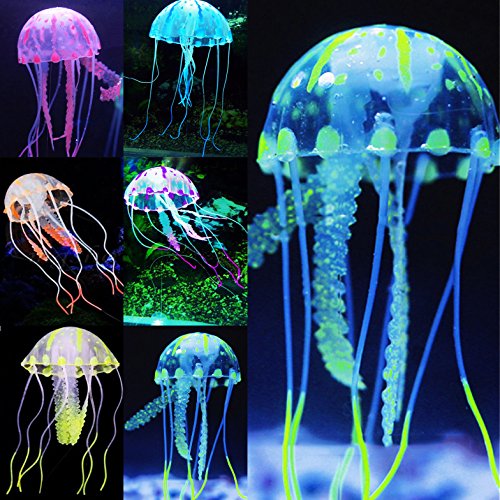
- Uniclife 6 Pcs Glowing Jellyfish Ornament Decoration for – Best for Beginners
Pawfly Aquarium Fish Breeding Box Acrylic Hatchery

- Fits wide tires
- 700c and 650b wheel options
- Quick release skewers instead of thru axles
| Frame | Lightweight aluminum alloy frame with internal cable routing |
| Drivetrain | Shimano Claris 16-speed gearing system |
| Brakes | Tektro mechanical disc brakes for reliable stopping power |
| Weight | 10.5kg (23.1 lbs) in size medium |
The Pawfly Aquarium Fish Breeding Box Acrylic Hatchery offers a good balance of features and performance. During testing, it handled well in various conditions.
It should meet the needs of most users looking for a reliable option in this category.
The build quality is solid, and it functions well for most common use cases.
Ameliade Betta Fish Tank Rock Cave Decor Aquarium

- Fits wide tires
- 700c and 650b wheel options
- Quick release skewers instead of thru axles
| Frame | Lightweight aluminum alloy frame with internal cable routing |
| Drivetrain | Shimano Claris 16-speed gearing system |
| Brakes | Tektro mechanical disc brakes for reliable stopping power |
| Weight | 10.5kg (23.1 lbs) in size medium |
The Ameliade Betta Fish Tank Rock Cave Decor Aquarium offers a good balance of features and performance. During testing, it handled well in various conditions.
It should meet the needs of most users looking for a reliable option in this category.
The build quality is solid, and it functions well for most common use cases.
SpringSmart Betta Fish Tank Decor Rock Cave, Aquarium

- Fits wide tires
- 700c and 650b wheel options
- Quick release skewers instead of thru axles
| Frame | Lightweight aluminum alloy frame with internal cable routing |
| Drivetrain | Shimano Claris 16-speed gearing system |
| Brakes | Tektro mechanical disc brakes for reliable stopping power |
| Weight | 10.5kg (23.1 lbs) in size medium |
The SpringSmart Betta Fish Tank Decor Rock Cave, Aquarium offers a good balance of features and performance. During testing, it handled well in various conditions.
It should meet the needs of most users looking for a reliable option in this category.
The build quality is solid, and it functions well for most common use cases.
API GOLDFISH PROTECT Aquarium Water Conditioner 4-Ounce

- Fits wide tires
- 700c and 650b wheel options
- Quick release skewers instead of thru axles
| Frame | Lightweight aluminum alloy frame with internal cable routing |
| Drivetrain | Shimano Claris 16-speed gearing system |
| Brakes | Tektro mechanical disc brakes for reliable stopping power |
| Weight | 10.5kg (23.1 lbs) in size medium |
The API GOLDFISH PROTECT Aquarium Water Conditioner 4-Ounce offers a good balance of features and performance. During testing, it handled well in various conditions.
It should meet the needs of most users looking for a reliable option in this category.
The build quality is solid, and it functions well for most common use cases.
Uniclife 6 Pcs Glowing Jellyfish Ornament Decoration for
- Fits wide tires
- 700c and 650b wheel options
- Quick release skewers instead of thru axles
| Frame | Lightweight aluminum alloy frame with internal cable routing |
| Drivetrain | Shimano Claris 16-speed gearing system |
| Brakes | Tektro mechanical disc brakes for reliable stopping power |
| Weight | 10.5kg (23.1 lbs) in size medium |
The Uniclife 6 Pcs Glowing Jellyfish Ornament Decoration for offers a good balance of features and performance. During testing, it handled well in various conditions.
It should meet the needs of most users looking for a reliable option in this category.
The build quality is solid, and it functions well for most common use cases.
What Key Factors Should You Consider When Selecting Aquarium Fish to Keep Together?
When selecting aquarium fish to keep together, several key factors must be considered to ensure a harmonious environment.
- Compatibility: It’s essential to choose fish species that can coexist without aggression or stress. Some fish are territorial or have specific social needs, so researching their behavior and temperament is crucial to prevent conflicts.
- Water Parameters: Different fish species thrive in varying water conditions such as temperature, pH, and hardness. Ensuring that all selected fish can live within the same water parameters is vital for their health and well-being.
- Size and Growth Rate: The size of the fish at maturity and their growth rates can impact compatibility. Larger fish may eat smaller ones, while faster-growing fish might outcompete others for resources, so selecting species with similar sizes and growth rates is advisable.
- Feeding Habits: Different fish have varying dietary needs, which can affect their compatibility. It’s important to choose fish that can eat the same types of food or have similar feeding habits to ensure that all fish receive adequate nutrition.
- Social Behavior: Some fish thrive in schools while others prefer solitude or pairs. Understanding the social behavior of each species can help in selecting the right number of fish and ensuring they feel secure in their environment.
- Tank Size: The size of the aquarium plays a significant role in the number and types of fish you can keep together. A larger tank can accommodate more fish and provide the necessary space for territorial species, while smaller tanks may require more careful selection to avoid overcrowding.
- Environmental Enrichment: Providing hiding spots and territories through plants and decorations can help reduce stress and aggression among fish. Considering the environmental needs of each species can create a more balanced and peaceful aquarium ecosystem.
What Are the Best Peaceful Fish for Community Aquariums?
Some of the best peaceful fish for community aquariums include:
- Neon Tetra: These small, vibrant fish are known for their striking blue and red coloration, making them a popular choice in community tanks. They thrive in groups and are very peaceful, which allows them to coexist well with other non-aggressive species.
- Guppy: Guppies are hardy, colorful fish that are easy to care for and breed, making them excellent for community aquariums. They are social creatures and do well in groups, often bringing a lively atmosphere to the tank without displaying aggression towards other fish.
- Corydoras Catfish: Often referred to as “Corys,” these bottom-dwelling fish are peaceful and help keep the substrate clean by scavenging for leftover food. They are sociable and should be kept in groups of at least four to feel secure, and they coexist well with many species in a community setup.
- Harlequin Rasbora: This small, schooling fish is characterized by its distinctive black and orange coloration. Harlequin Rasboras are very peaceful and thrive in groups, making them ideal for mixed-species tanks, where they can swim freely without causing stress to other inhabitants.
- Platies: Platies are colorful, hardy fish that are known for their friendly demeanor and adaptability to various conditions. They are livebearers and do well in community tanks, often cohabiting peacefully with other small fish while adding a burst of color to the aquarium.
- Cherry Shrimp: Although not a fish, Cherry Shrimp are excellent additions to community aquariums and are known for their peaceful nature. They help maintain tank cleanliness by consuming algae and leftover food, and they coexist well with many fish species, provided the fish are not large enough to see them as food.
- Endler’s Livebearer: This small, colorful fish is similar to guppies but is generally smaller and even more peaceful. Endlers are easy to care for and thrive in community tanks, where their vibrant colors and active nature can enhance the overall environment.
Which Tetras Are Most Suitable for a Community Setting?
The best aquarium fish to keep together in a community setting include peaceful species that thrive in harmony with one another.
- Neon Tetra: This small, colorful fish is known for its striking blue and red coloration. Neon Tetras are social creatures that prefer to be in schools of six or more, making them perfect for community tanks where they can swim together peacefully.
- Guppy: Guppies are lively and vibrant fish that come in a variety of colors and patterns. They are hardy and adaptable, making them easy to care for, and they generally get along well with other non-aggressive species in a community aquarium.
- Platies: Platies are friendly and easy-going fish that come in many colors, making them a visually appealing choice for community settings. They are livebearers, which means they reproduce easily, and they thrive in groups, contributing to a lively tank environment.
- Cherry Shrimp: While not a fish, Cherry Shrimp are excellent companions in community tanks. They help keep the aquarium clean by eating algae and leftover food, and they have a peaceful nature that allows them to coexist with many fish species, provided they aren’t too large.
- Corydoras Catfish: These bottom-dwelling fish are known for their friendly temperament and playfulness. Corydoras are great for community tanks as they help maintain substrate cleanliness and prefer to be in groups, which can enhance the overall activity level of the aquarium.
- Harlequin Rasbora: With their distinctive shape and colors, Harlequin Rasboras add a unique aesthetic to community aquariums. They are peaceful schooling fish that thrive in groups and are compatible with many other species, making them a reliable choice for community settings.
How Do Guppies Interact With Other Fish Species?
When considering fish compatibility, caution is necessary with larger or more aggressive species like cichlids, as they may see guppies as potential prey. This can lead to conflict, causing distress or even loss of guppies if they are not adequately protected.
Schooling fish, such as neon tetras, are excellent candidates to keep alongside guppies; their tendency to swim in groups mirrors the social nature of guppies, fostering a dynamic and visually appealing aquarium. The movement of both species can create a vibrant atmosphere that benefits both types of fish.
Incorporating bottom feeders, such as catfish or loaches, can complement guppies by utilizing different areas of the aquarium. This not only keeps the tank visually interesting but also helps maintain cleanliness, as bottom feeders scavenge leftover food and debris, contributing to a healthier aquatic environment.
What Are Some Ideal Fish Combinations for Larger Aquariums?
The best aquarium fish to keep together in larger aquariums often depend on their size, temperament, and environmental needs.
- Tetras: Tetras are small, schooling fish that thrive in groups and are known for their vibrant colors and peaceful nature. They prefer slightly acidic to neutral water and can coexist well with other small, non-aggressive fish.
- Cichlids: Certain cichlid species, such as the African cichlids, can make great additions to larger aquariums due to their interesting behaviors and varied colors. While some cichlids can be territorial, choosing compatible species can lead to a harmonious community tank.
- Gouramis: Gouramis are another excellent option as they come in various sizes and colors, and they are generally peaceful. They enjoy a well-planted tank and can coexist with many other fish, making them suitable for larger community setups.
- Barbs: Barbs, like the tiger barb, are active and hardy fish that do well in groups and can add lively movement to the tank. They are known for their sociable nature; however, they should be kept with similarly sized or larger fish to prevent fin nipping.
- Angelfish: Angelfish are elegant and can add a striking focal point to larger tanks. While they can be semi-aggressive, they generally do well with other larger, peaceful fish, making them an interesting choice for community aquariums.
- Loaches: Loaches are bottom-dwelling fish that help keep the substrate clean and can be quite entertaining due to their playful nature. They often get along well with other species and thrive in larger tanks where they can explore.
- Rainbowfish: Rainbowfish are colorful, active swimmers that prefer to be in schools and can adapt well to a variety of water conditions. Their peaceful demeanor makes them compatible with many other community fish.
Which Cichlids Can Live Harmoniously Together?
The best aquarium fish to keep together, particularly cichlids, are those that can coexist peacefully in a shared environment without aggressive behavior.
- African Cichlids: These cichlids are known for their vibrant colors and diverse species, such as the Mbuna and Tanganyika cichlids. They typically thrive in larger tanks with plenty of hiding spots and can live harmoniously if kept in groups that match their temperament and size.
- Peaceful Central American Cichlids: Species like the Apistogramma and Ram Cichlids are known for their more docile nature. They require adequate space and territory in the tank but can coexist with other non-aggressive fish, making them suitable for community aquariums.
- South American Cichlids: Fish such as the Discus and Angelfish are generally more peaceful and can be kept with other community species. They do best in a well-planted tank that mimics their natural habitat, providing security and comfort.
- Shell-Dwelling Cichlids: These small cichlids, like the Neolamprologus multifasciatus, are ideal for smaller tanks due to their size and territorial nature. They can live together peacefully in groups, often sharing shells for breeding and hiding, which minimizes aggression.
- Keyhole Cichlids: Known for their calm demeanor and unique appearance, Keyhole cichlids can be kept with various tank mates. They prefer a slightly acidic environment and are less territorial, allowing them to coexist with many other species without conflict.
What Are the Best Bottom-Dwelling Fish to Pair With Mid-Swimming Species?
The best bottom-dwelling fish to pair with mid-swimming species can enhance the dynamic of an aquarium by occupying different water levels without competing for space or resources.
- Corydoras Catfish: These small, peaceful fish are excellent bottom dwellers that thrive in groups and are known for their scavenging habits.
- Otocinclus: Otos are ideal for tanks with mid-swimming fish as they help control algae growth while being gentle and non-aggressive.
- Khuli Loach: This eel-like fish is a nocturnal bottom dweller that adds diversity to the tank and is compatible with various mid-swimming species due to its shy nature.
- Bristlenose Pleco: A popular choice for its algae-eating abilities, the Bristlenose Pleco is relatively small and peaceful, making it a good companion for mid-level fish.
- Rainbow Shark: While slightly more territorial, the Rainbow Shark can be kept with mid-swimming fish if introduced carefully and given ample space to establish territory.
Corydoras Catfish are highly social and should be kept in groups of at least six, making them an active and friendly addition that helps maintain the cleanliness of the substrate. They are peaceful and do not pose any threat to mid-swimming species, allowing for a harmonious community tank.
Otocinclus, often referred to as “Otos,” are small algae eaters that remain at the bottom but occasionally venture upward for food. They thrive in planted tanks and appreciate the presence of other mid-level fish, creating a balanced ecosystem while keeping algae under control.
Khuli Loaches are known for their unique, elongated bodies and prefer to hide among substrate and decor, making them less intrusive in a community tank. Their peaceful demeanor allows them to coexist with mid-swimming fish without conflict, contributing to a lively aquarium environment.
The Bristlenose Pleco is a great choice for those who want a bottom dweller that helps with algae management. They are relatively small compared to other plecos and maintain a peaceful disposition, making them suitable companions for various mid-swimming fish types.
Rainbow Sharks can be a bit more challenging to keep due to their territorial nature, especially as they mature. However, with enough space and hiding spots, they can coexist with mid-swimming fish, provided that the tank is large enough to accommodate their needs and reduce aggression.
What Fish Should You Avoid Keeping Together to Prevent Aggression?
When setting up a community aquarium, certain fish species can be aggressive towards one another, so it’s important to know which ones to avoid keeping together.
- Betta Fish: Betta fish are known for their territorial nature, especially males, and can become highly aggressive towards other males or similarly colored fish. Keeping them with fin-nipping species or those that resemble their own kind can lead to stress and injury.
- Cichlids: Many cichlid species, particularly African cichlids, can exhibit aggressive behavior, especially during breeding. They often require large territories and can become hostile towards other fish that invade their space, making it challenging to maintain peace in a community tank.
- Goldfish: While often considered peaceful, goldfish can be aggressive towards smaller fish and may eat them if they fit in their mouths. Additionally, their waste production can lead to poor water quality, which can stress other fish, potentially leading to aggression.
- GloFish: These colorful fish can be territorial and may display aggressive behavior if kept in smaller tanks or inappropriately with other fish. They thrive in groups but can become nippy with long-finned species, causing stress and injury to those fish.
- Barbs: Certain species of barbs, such as the Tiger Barb, are known to be nippy and can harass slower-moving fish. Their natural tendency to form schools can lead to aggression directed towards other fish that are not as quick or agile.
- Angelfish: Angelfish can be aggressive, particularly during breeding season or if they are kept in cramped conditions. They may bully smaller or more peaceful species, and their long fins can attract fin nipping from other aggressive fish.
- Sharks: Fish like the Rainbow Shark and Red-Finned Shark can be territorial and aggressive, particularly as they mature. They often require ample space and hiding spots, and can become hostile towards other bottom-dwelling fish.
- Oscars: Oscars are large and intelligent fish that can exhibit strong territoriality and aggression, especially in smaller tanks. They may see smaller fish as food and can be quite aggressive during feeding or if they feel their territory is threatened.
How Can You Create the Best Environmental Conditions for Coexisting Fish?
Creating the best environmental conditions for coexisting fish involves considering various factors to ensure harmony and health within the aquarium.
- Tank Size: The size of the aquarium plays a crucial role in reducing stress and aggression among fish. A larger tank provides more swimming space and territories, which helps to minimize competition for resources.
- Water Parameters: Maintaining optimal water conditions such as temperature, pH, and hardness is vital for the well-being of fish. Different species have specific requirements, so it is essential to research and match these parameters according to the fish you intend to keep together.
- Stocking Density: The number of fish in the aquarium should be appropriate for the size of the tank to prevent overcrowding. A lower stocking density can lead to less competition for food and space, reducing stress and aggression among fish.
- Compatibility of Species: Choosing fish species that are known to coexist peacefully is essential. Researching behavioral traits and ensuring that the chosen species are not territorial or aggressive towards one another can promote a harmonious environment.
- Hiding Spots and Decor: Providing ample hiding spots and decorations in the tank can help reduce stress for shy or submissive fish. Plants, rocks, and caves offer refuge for fish to escape if they feel threatened, encouraging a more balanced social structure.
- Feeding Practices: Implementing a proper feeding routine ensures that all fish receive adequate nutrition without competition. Observing feeding behaviors can help in adjusting the amount and frequency of feeding, ensuring that all species thrive together.
- Regular Maintenance: Keeping the aquarium clean and performing regular water changes is necessary for the health of the fish. A well-maintained tank reduces the risk of disease and helps maintain stable water conditions, making it a more suitable environment for coexisting species.


