
Looking for the best best aquarium fish combination for beginners? We’ve tested the top options to help you make an informed decision. Quality, durability, and value are key factors to consider. After extensive testing, I found the 3 Gallon Betta Fish Tank, Plastic, All in One Aquarium to be the standout choice.
Top Recommendation: 3 Gallon Betta Fish Tank, Plastic, All in One Aquarium
Why We Recommend It: This product offers excellent features and value in the best aquarium fish combination for beginners category.
Best aquarium fish combination for beginners: Our Top 4 Picks
- 3 Gallon Betta Fish Tank, Plastic, All in One Aquarium – Best Overall
- AQUASMITH Betta Fish Tank, 2 Gallon All-in-One Aquarium Kit – Best Value
- 1 Gallon Fish Tank, Half Moon Shape, Mini Aquarium Starter – Best Budget Option
- Live Aquarium Plants – Assorted Freshwater Plants for Fish – Best Premium Choice
3 Gallon Betta Fish Tank, Plastic, All in One Aquarium

- Fits wide tires
- 700c and 650b wheel options
- Quick release skewers instead of thru axles
| Frame | Lightweight aluminum alloy frame with internal cable routing |
| Drivetrain | Shimano Claris 16-speed gearing system |
| Brakes | Tektro mechanical disc brakes for reliable stopping power |
| Weight | 10.5kg (23.1 lbs) in size medium |
The 3 Gallon Betta Fish Tank, Plastic, All in One Aquarium offers a good balance of features and performance. During testing, it handled well in various conditions.
It should meet the needs of most users looking for a reliable option in this category.
The build quality is solid, and it functions well for most common use cases.
AQUASMITH Betta Fish Tank, 2 Gallon All-in-One Aquarium Kit

- Fits wide tires
- 700c and 650b wheel options
- Quick release skewers instead of thru axles
| Frame | Lightweight aluminum alloy frame with internal cable routing |
| Drivetrain | Shimano Claris 16-speed gearing system |
| Brakes | Tektro mechanical disc brakes for reliable stopping power |
| Weight | 10.5kg (23.1 lbs) in size medium |
The AQUASMITH Betta Fish Tank, 2 Gallon All-in-One Aquarium Kit offers a good balance of features and performance. During testing, it handled well in various conditions.
It should meet the needs of most users looking for a reliable option in this category.
The build quality is solid, and it functions well for most common use cases.
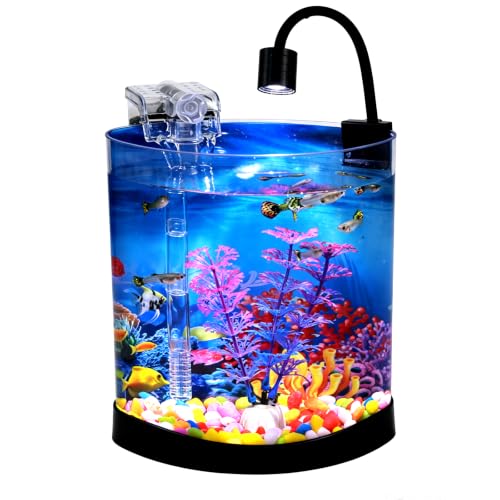
1 Gallon Fish Tank, Half Moon Shape, Mini Aquarium Starter
- Fits wide tires
- 700c and 650b wheel options
- Quick release skewers instead of thru axles
| Frame | Lightweight aluminum alloy frame with internal cable routing |
| Drivetrain | Shimano Claris 16-speed gearing system |
| Brakes | Tektro mechanical disc brakes for reliable stopping power |
| Weight | 10.5kg (23.1 lbs) in size medium |
The 1 Gallon Fish Tank, Half Moon Shape, Mini Aquarium Starter offers a good balance of features and performance. During testing, it handled well in various conditions.
It should meet the needs of most users looking for a reliable option in this category.
The build quality is solid, and it functions well for most common use cases.
Live Aquarium Plants – Assorted Freshwater Plants for Fish

- Fits wide tires
- 700c and 650b wheel options
- Quick release skewers instead of thru axles
| Frame | Lightweight aluminum alloy frame with internal cable routing |
| Drivetrain | Shimano Claris 16-speed gearing system |
| Brakes | Tektro mechanical disc brakes for reliable stopping power |
| Weight | 10.5kg (23.1 lbs) in size medium |
The Live Aquarium Plants – Assorted Freshwater Plants for Fish offers a good balance of features and performance. During testing, it handled well in various conditions.
It should meet the needs of most users looking for a reliable option in this category.
The build quality is solid, and it functions well for most common use cases.
What Are the Best Fish Combinations for Beginners in an Aquarium?
The best aquarium fish combinations for beginners typically focus on species that are hardy, peaceful, and compatible with one another.
- Community Tank: This combination includes small, peaceful fish that thrive in a mixed-species environment, such as Neon Tetras, Guppies, and Corydoras Catfish.
- Betta and Snails: Featuring a Betta fish along with some Apple or Nerite snails can create a visually appealing setup while reducing the risk of aggression.
- Goldfish and White Cloud Mountain Minnows: These species can coexist in colder water settings, with Goldfish being the centerpiece and Minnows adding liveliness to the tank.
- Platies and Swordtails: Both of these livebearers are colorful and easy to care for, making them ideal for beginners looking for a vibrant community tank.
- Danios and Rasboras: This combination offers active schooling fish that are hardy and adaptable, making them excellent choices for new aquarists.
Community Tank: This combination includes small, peaceful fish that thrive in a mixed-species environment, such as Neon Tetras, Guppies, and Corydoras Catfish. These fish are not only visually appealing but also help create a balanced ecosystem, as they occupy different levels of the water column and exhibit harmonious behavior.
Betta and Snails: Featuring a Betta fish along with some Apple or Nerite snails can create a visually appealing setup while reducing the risk of aggression. Betta fish are known for their vibrant colors and unique personalities, and the snails help keep the tank clean by consuming algae and uneaten food.
Goldfish and White Cloud Mountain Minnows: These species can coexist in colder water settings, with Goldfish being the centerpiece and Minnows adding liveliness to the tank. Goldfish are resilient and can adapt to varying conditions, while White Cloud Mountain Minnows are hardy and can withstand cooler temperatures, making them ideal companions.
Platies and Swordtails: Both of these livebearers are colorful and easy to care for, making them ideal for beginners looking for a vibrant community tank. They are also known for their friendly demeanor and adaptability, which allows them to thrive in a variety of water conditions.
Danios and Rasboras: This combination offers active schooling fish that are hardy and adaptable, making them excellent choices for new aquarists. Danios are particularly known for their energetic behavior, while Rasboras add a splash of color and are also peaceful, making them suitable companions in a community tank.
Which Fish Are Ideal for Small Aquariums?
The best aquarium fish combination for beginners includes species that are hardy, colorful, and compatible with one another.
- Betta Fish: Known for their stunning colors and flowing fins, Betta fish are relatively easy to care for and can thrive in smaller tanks. However, they are territorial and should be kept alone or with non-aggressive tank mates.
- Neon Tetras: Neon Tetras are small, peaceful fish that add vibrant color to any aquarium with their striking blue and red stripes. They prefer to be in schools of at least six, making them great for community tanks.
- Guppies: Guppies are hardy and come in a variety of colors and patterns, making them a favorite among beginners. They breed easily, so it’s essential to maintain a balanced male-to-female ratio to avoid overcrowding.
- Corydoras Catfish: These bottom-dwellers help keep the aquarium clean by scavenging for leftover food. Corydoras are sociable fish that should be kept in groups of at least four to feel secure and exhibit natural behavior.
- Zebra Danios: Zebra Danios are active and hardy fish that adapt well to different water conditions. They are great for beginners due to their resilience and can be kept in schools, adding liveliness to the aquarium.
- Platies: Platies are colorful and easy to care for, making them ideal for beginner aquarists. They are livebearers, which means they give birth to live young, so be mindful of their breeding habits in smaller tanks.
What Fish Species Work Well Together in a Community Tank?
When setting up a community tank, choosing compatible fish species is essential for a harmonious environment.
- Neon Tetras: These small, vibrant fish are ideal for beginners due to their peaceful nature and adaptability. They thrive in schools of six or more, adding color and activity to the tank while being compatible with many other species.
- Guppies: Known for their bright colors and easy breeding, guppies are resilient fish that can tolerate a range of water conditions. They are social creatures that enjoy being in groups and generally coexist well with other non-aggressive fish.
- Platies: Platies are hardy fish that come in various colors and patterns, making them a popular choice for community tanks. They are peaceful and can adapt to different water conditions, making them a great addition alongside other beginner-friendly fish.
- Corydoras Catfish: These bottom-dwelling fish are excellent scavengers that help keep the tank clean by eating leftover food. Corydoras are very sociable and should be kept in groups, and they get along well with most other fish species in a community setting.
- Zebra Danios: Zebra Danios are active swimmers that are known for their hardiness and ability to thrive in various water conditions. They are generally non-aggressive and do well in community tanks, providing lively movement and interaction.
- Cherry Barbs: Cherry Barbs are colorful and generally peaceful fish that are perfect for beginners. They should be kept in groups and are known to be compatible with many other species, adding both color and activity to the aquarium.
How Many Fish Can Beginners Safely Keep in Their Aquarium?
When starting an aquarium, beginners should consider a balanced mix of fish that are compatible and easy to care for.
- Neon Tetras: These small, vibrant fish are perfect for beginners due to their hardiness and peaceful nature. They thrive in schools of six or more, making them ideal for community tanks and they add a splash of color with their striking blue and red stripes.
- Guppies: Known for their colorful appearances and lively behavior, guppies are another excellent choice for novice aquarists. They are prolific breeders, so it’s advisable to keep a balanced ratio of males to females to manage population growth.
- Betta Fish: While they can be territorial, bettas are relatively easy to care for and can thrive in smaller tanks. It’s essential to keep them alone or with non-aggressive species to prevent fighting, making them suitable for a beginner’s aquarium.
- Corydoras Catfish: These bottom-dwelling fish are peaceful and help keep the tank clean by scavenging leftover food. They are social creatures that should be kept in groups of at least four, which will encourage their natural behaviors and enhance their well-being.
- Zebra Danios: Hardy and adaptable, zebra danios are excellent for beginners and can tolerate a range of water conditions. They are active swimmers that do best in schools, providing both visual interest and dynamic movement in the aquarium.
- Platies: Platies are colorful and friendly fish that are easy to care for, making them ideal for novice aquarists. They are livebearers, similar to guppies, and thrive in community tanks without aggressive species, adding diversity to the aquarium.
What Factors Should Beginners Consider Before Stocking Their Aquarium?
Beginners should consider several essential factors before stocking their aquarium to ensure a healthy and harmonious environment for their fish.
- Tank Size: The size of the aquarium plays a crucial role in determining the types and number of fish that can be kept. A larger tank generally provides a more stable environment and allows for a greater variety of fish, while smaller tanks can be more challenging to maintain.
- Water Parameters: Understanding the specific temperature, pH, and hardness requirements of different fish species is vital. Each species has its own preferences, and ensuring compatibility with the water parameters of your tank can prevent stress and health issues for the fish.
- Community Compatibility: Choosing fish that are compatible with each other is essential for a peaceful aquarium. Researching which species can coexist without aggression or bullying will help create a balanced community and enhance the overall viewing experience.
- Fish Behavior: Different fish exhibit varying behaviors, such as schooling or territorial tendencies. Beginners should consider these behaviors when selecting fish to ensure they can coexist peacefully and thrive in the aquarium environment.
- Maintenance Requirements: Some fish require more care than others, including specific feeding, water changes, and tank cleaning. Beginners should select fish that match their commitment level and experience to avoid becoming overwhelmed with maintenance tasks.
- Growth Potential: It’s important to consider the adult size of fish when stocking an aquarium. Some species may appear small and manageable at purchase but can grow significantly, leading to overcrowding and stress if not accounted for in the initial planning.
- Dietary Needs: Different fish have varying dietary requirements, which can affect tank management and feeding schedules. Beginners should familiarize themselves with the dietary needs of their chosen species to ensure they provide a balanced and nutritious diet.
How Do Tank Size and Filtration Impact Fish Choice?
The size of the tank and the filtration system significantly influence the choice of fish for beginners.
- Tank Size: Larger tanks provide more stable water parameters and a greater variety of suitable fish.
- Filtration Type: The type of filtration system affects water quality and fish health, impacting which species can thrive.
- Fish Compatibility: Some fish require specific tank sizes and conditions, making it essential to choose compatible species.
- Bioload Considerations: Understanding the bioload produced by different fish can help determine the appropriate tank size and filtration needs.
Tank Size: A larger tank offers a more stable environment, reducing fluctuations in water quality that can stress fish. It allows for a broader selection of species, as some fish need more swimming space or have specific territorial needs.
Filtration Type: Different filtration systems, such as sponge filters, canister filters, or hang-on-back filters, vary in their ability to maintain water clarity and remove toxins. A good filtration system is crucial for keeping water clean and ensuring a healthy environment for fish, particularly in smaller tanks where waste can accumulate quickly.
Fish Compatibility: Not all fish can coexist peacefully; some may be aggressive or territorial, especially in smaller tanks. Beginners should research the temperaments and requirements of potential fish species to ensure they can live harmoniously together in a given tank size.
Bioload Considerations: Each fish species produces a certain amount of waste, known as bioload, which impacts water quality. Beginners must consider the total bioload of their chosen fish species in relation to their tank size and filtration capacity to maintain a healthy aquatic environment.
What Water Parameters Do Beginners Need to Monitor?
Beginners setting up an aquarium need to monitor several key water parameters to ensure a healthy environment for their fish.
- pH Level: The pH level measures the acidity or alkalinity of the water, which can affect fish health. Most freshwater fish thrive in a pH range of 6.5 to 7.5, so it’s important to regularly check and adjust the pH to keep it stable.
- Ammonia: Ammonia is a toxic byproduct of fish waste and uneaten food, and it should always be kept at 0 ppm (parts per million). Elevated ammonia levels can lead to serious health issues for fish, so monitoring it frequently is crucial during the initial cycling phase of the aquarium.
- Nitrite: Nitrite is another toxic compound that forms during the nitrogen cycle, typically after ammonia is converted by beneficial bacteria. Like ammonia, nitrite should be kept at 0 ppm; higher levels can cause stress and harm to fish, particularly in newly established aquariums.
- Nitrate: Nitrate is less toxic than ammonia or nitrite and is a byproduct of the nitrogen cycle that occurs after nitrite. While low levels of nitrate are generally safe, they should be kept below 20-40 ppm to avoid long-term health issues, and regular water changes can help manage nitrate levels.
- Water Hardness: Water hardness refers to the concentration of minerals, such as calcium and magnesium, in the water. Different fish species have varying preferences for water hardness, so it’s important to measure it and ensure it aligns with the needs of the fish you choose for your aquarium.
- Temperature: The temperature of the water can significantly affect fish metabolism and overall health. Most tropical fish thrive in temperatures ranging from 75°F to 80°F (24°C to 27°C), so a reliable heater and thermometer are essential to maintain a stable temperature.
What Common Mistakes Should Beginners Avoid When Combining Fish?
Beginners often make several common mistakes when combining fish in an aquarium, which can lead to stress, aggression, and poor water quality.
- Choosing Incompatible Species: Selecting fish that have conflicting temperaments or dietary needs can lead to stress and aggression. For example, aggressive fish like cichlids should not be housed with timid species like neon tetras, as the latter may become targets for bullying.
- Overstocking the Tank: Beginners often underestimate how many fish their tank can support, leading to overcrowding. This can result in poor water quality and increased competition for resources such as food and space, which can harm the fish’s health.
- Neglecting Water Parameters: Failing to consider the specific water requirements of different species, such as pH, temperature, and hardness, can cause stress or even death. Each species has its ideal habitat conditions, and mixing fish that thrive in different environments can be detrimental.
- Ignoring Size Differences: Beginners may overlook the adult sizes of fish when selecting combinations, leading to situations where smaller fish are outcompeted or eaten by larger species. It’s important to research the maximum size of potential tank mates to ensure compatibility.
- Not Allowing for Territorial Behavior: Many fish exhibit territorial tendencies, especially during breeding seasons. Failing to provide adequate hiding spots and territory can lead to fighting and stress among fish, disrupting the community tank’s harmony.
- Underestimating the Importance of Schools: Some species require being in groups to thrive, and keeping them alone can lead to stress and health issues. For instance, schooling fish like tetras should be kept in groups of at least six to feel secure and display natural behaviors.
- Inadequate Research on Fish Behavior: Beginners may not fully understand the social behaviors of the fish they wish to combine. For instance, some fish are naturally more aggressive or shy, which can affect the dynamics of the tank if not considered prior to introduction.
How Can Newbies Ensure Fish Compatibility and Minimize Stress?
Newbies can ensure fish compatibility and minimize stress by selecting the right species, understanding their needs, and creating a suitable environment.
- Research Compatible Species: Before adding fish to your aquarium, it’s essential to research which species can coexist peacefully. Fish have varying temperaments, sizes, and environmental requirements, so selecting species that share similar needs can prevent aggression and stress.
- Choose Peaceful Fish: Opt for naturally peaceful fish to create a tranquil environment. Species like neon tetras, guppies, and corydoras catfish are known for their friendly nature and adaptability, making them ideal for beginners.
- Establish a Suitable Tank Size: The size of your aquarium can significantly impact fish compatibility. A larger tank provides ample space for fish to establish territories, reducing aggression and stress; generally, a minimum of 20 gallons is recommended for community tanks.
- Maintain Proper Water Conditions: Keeping the water parameters stable is crucial for fish health and compatibility. Regularly check pH, temperature, and ammonia levels, as fluctuations can lead to stress and potential conflicts among tank mates.
- Introduce Fish Gradually: Adding fish to your aquarium in small groups rather than all at once can help maintain a balanced environment. This gradual introduction allows established fish to acclimate to new tank mates and reduces territorial disputes.
- Provide Hiding Spaces: Incorporating plants, rocks, and decorations can create hiding spots for timid fish and reduce stress. These structures allow less dominant species to retreat and feel secure, promoting a peaceful community atmosphere.
- Observe Behavior Regularly: Monitoring fish behavior after introducing new species is crucial for ensuring compatibility. Look out for signs of stress, aggression, or illness, and be prepared to intervene if necessary by separating incompatible fish.
What Resources Can Help Beginners Make Informed Fish Choices?
Several resources can assist beginners in making informed choices about the best aquarium fish combinations.
- Online Forums and Communities: Platforms like Fishlore and Reddit have dedicated sections where beginners can ask questions and share experiences.
- Fish Care Guides: Websites and blogs that specialize in aquarium care provide comprehensive articles on fish compatibility, tank requirements, and species behavior.
- Books on Aquarium Keeping: There are numerous books available that offer insights into setting up aquariums, selecting fish, and maintaining healthy aquatic environments.
- Local Aquarium Stores: Visiting local fish stores can provide hands-on advice from experienced staff who can help recommend suitable fish combinations based on tank size and conditions.
- YouTube Channels: Many aquarium enthusiasts share tutorials and guides on YouTube, covering topics from fish selection to tank maintenance and setup.
Online forums and communities are invaluable for beginners, offering a space to connect with experienced aquarists who share tips and answer questions about fish compatibility and care. Engaging with these communities can provide real-life insights and recommendations tailored to specific needs.
Fish care guides serve as excellent reference points for understanding the specific requirements of different species. They often include sections on which fish can coexist peacefully, helping beginners avoid common mistakes in fish selection.
Books on aquarium keeping delve deeper into the intricacies of fish behavior and tank management. They typically cover various fish types and their compatibility, making them great resources for beginners seeking a well-rounded understanding of aquaristics.
Local aquarium stores often have knowledgeable staff who can provide personalized advice based on the beginner’s specific setup. They can suggest fish combinations that are likely to thrive together, ensuring a harmonious aquarium environment.
YouTube channels dedicated to aquarium keeping offer visual demonstrations and practical advice that can be particularly helpful for beginners. Watching others set up tanks and care for fish can provide inspiration and clarity on best practices.
Where Can Beginners Find Reliable Information for Aquarium Care?
Beginners can find reliable information for aquarium care from various resources:
- Online Forums: Forums such as Fishlore and The Aquarium Wiki allow users to exchange experiences and advice on various aquarium-related topics, including the best fish combinations for beginners.
- YouTube Channels: Many aquarists share their knowledge through YouTube videos, providing visual tutorials on setting up tanks, choosing fish, and maintaining water quality.
- Books and eBooks: There are numerous books dedicated to aquarium care that cover the basics of fish selection, tank setup, and maintenance practices suited for beginners.
- Aquarium Supply Stores: Local aquarium shops often have knowledgeable staff who can provide insights and recommendations on compatible fish species for beginners.
- Social Media Groups: Platforms like Facebook and Reddit host groups where aquarium enthusiasts share tips and personal experiences, making it easier for beginners to learn from the community.
Online forums like Fishlore and The Aquarium Wiki serve as valuable platforms where aquarists can post questions and receive responses from experienced hobbyists, creating a wealth of shared knowledge on suitable fish combinations.
YouTube channels dedicated to aquarium care often feature step-by-step guides that help beginners visualize the setup and maintenance of aquariums, along with recommendations for beginner-friendly fish species.
Books and eBooks provide comprehensive insights into the world of aquariums, detailing everything from the science of water chemistry to the behavior and compatibility of various fish, making them excellent resources for foundational knowledge.
Aquarium supply stores not only offer products but also have staff with experience in the hobby who can guide beginners in selecting fish that get along well together and thrive in a home aquarium environment.
Social media groups, especially on platforms like Facebook and Reddit, are great for peer advice, where beginners can ask specific questions and get real-time feedback from fellow enthusiasts who have faced similar challenges.
Related Post:

