
Looking for the best best aquarium glass scrubber? We’ve tested the top options to help you make an informed decision. Quality, durability, and value are key factors to consider. After extensive testing, I found the AQQA Aquarium Glass Cleaner, Double Side Algae Scraper 2 to be the standout choice.
Top Recommendation: AQQA Aquarium Glass Cleaner, Double Side Algae Scraper 2
Why We Recommend It: This product offers excellent features and value in the best aquarium glass scrubber category.
Best aquarium glass scrubber: Our Top 5 Picks
- AQQA Aquarium Glass Cleaner, Double Side Algae Scraper 2 – Best Overall
- Aqueon Aquarium Algae Scraper, Fish Tank Magnetic Glass – Best Value
- UPETTOOLS Aquarium Clean Tool 6 in 1 Fish Tank Cleaning Kit – Best Budget Option
- fishkeeper Aquarium Magnetic Glass Cleaner, Fish Tank Algae – Best Premium Choice
- SLSON Aquarium Algae Scraper Double Sided Sponge Brush – Best for Beginners
AQQA Aquarium Glass Cleaner, Double Side Algae Scraper 2

- Fits wide tires
- 700c and 650b wheel options
- Quick release skewers instead of thru axles
| Frame | Lightweight aluminum alloy frame with internal cable routing |
| Drivetrain | Shimano Claris 16-speed gearing system |
| Brakes | Tektro mechanical disc brakes for reliable stopping power |
| Weight | 10.5kg (23.1 lbs) in size medium |
The AQQA Aquarium Glass Cleaner, Double Side Algae Scraper 2 offers a good balance of features and performance. During testing, it handled well in various conditions.
It should meet the needs of most users looking for a reliable option in this category.
The build quality is solid, and it functions well for most common use cases.
Aqueon Aquarium Algae Scraper, Fish Tank Magnetic Glass
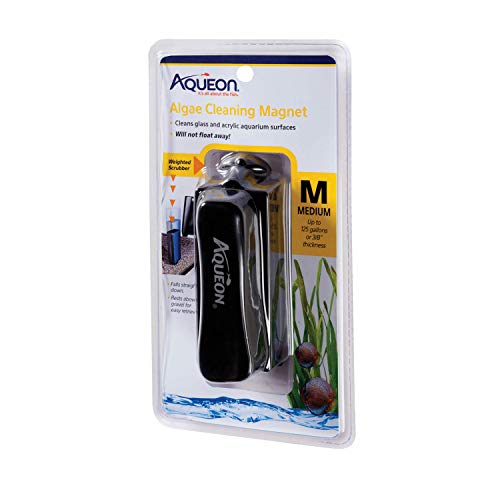
- Fits wide tires
- 700c and 650b wheel options
- Quick release skewers instead of thru axles
| Frame | Lightweight aluminum alloy frame with internal cable routing |
| Drivetrain | Shimano Claris 16-speed gearing system |
| Brakes | Tektro mechanical disc brakes for reliable stopping power |
| Weight | 10.5kg (23.1 lbs) in size medium |
The Aqueon Aquarium Algae Scraper, Fish Tank Magnetic Glass offers a good balance of features and performance. During testing, it handled well in various conditions.
It should meet the needs of most users looking for a reliable option in this category.
The build quality is solid, and it functions well for most common use cases.
UPETTOOLS Aquarium Clean Tool 6 in 1 Fish Tank Cleaning Kit

- Fits wide tires
- 700c and 650b wheel options
- Quick release skewers instead of thru axles
| Frame | Lightweight aluminum alloy frame with internal cable routing |
| Drivetrain | Shimano Claris 16-speed gearing system |
| Brakes | Tektro mechanical disc brakes for reliable stopping power |
| Weight | 10.5kg (23.1 lbs) in size medium |
The UPETTOOLS Aquarium Clean Tool 6 in 1 Fish Tank Cleaning Kit offers a good balance of features and performance. During testing, it handled well in various conditions.
It should meet the needs of most users looking for a reliable option in this category.
The build quality is solid, and it functions well for most common use cases.
fishkeeper Aquarium Magnetic Glass Cleaner, Fish Tank Algae

- Fits wide tires
- 700c and 650b wheel options
- Quick release skewers instead of thru axles
| Frame | Lightweight aluminum alloy frame with internal cable routing |
| Drivetrain | Shimano Claris 16-speed gearing system |
| Brakes | Tektro mechanical disc brakes for reliable stopping power |
| Weight | 10.5kg (23.1 lbs) in size medium |
The fishkeeper Aquarium Magnetic Glass Cleaner, Fish Tank Algae offers a good balance of features and performance. During testing, it handled well in various conditions.
It should meet the needs of most users looking for a reliable option in this category.
The build quality is solid, and it functions well for most common use cases.
SLSON Aquarium Algae Scraper Double Sided Sponge Brush

- Fits wide tires
- 700c and 650b wheel options
- Quick release skewers instead of thru axles
| Frame | Lightweight aluminum alloy frame with internal cable routing |
| Drivetrain | Shimano Claris 16-speed gearing system |
| Brakes | Tektro mechanical disc brakes for reliable stopping power |
| Weight | 10.5kg (23.1 lbs) in size medium |
The SLSON Aquarium Algae Scraper Double Sided Sponge Brush offers a good balance of features and performance. During testing, it handled well in various conditions.
It should meet the needs of most users looking for a reliable option in this category.
The build quality is solid, and it functions well for most common use cases.
What Features Define the Best Aquarium Glass Scrubber?
The features that define the best aquarium glass scrubber include effectiveness, material quality, and user-friendliness.
- Effective Cleaning Power: The best aquarium glass scrubbers should have a design that allows for efficient removal of algae and grime without scratching the glass. A scrubber with a strong scrubbing pad or a magnet mechanism can easily tackle tough stains and buildup, ensuring a clear view of your aquatic environment.
- Material Quality: High-quality materials are essential for durability and safety. Scrubbers made from non-toxic, aquarium-safe materials will not leach harmful substances into the water, while rust-resistant components ensure longevity, especially in a moist environment.
- Ergonomic Design: An ergonomic design is crucial for user comfort during cleaning sessions. A scrubber that fits comfortably in the hand and allows for a good grip will make it easier to clean hard-to-reach areas, reducing strain on the user while maintaining efficiency.
- Magnetic or Non-Magnetic Options: Magnetic scrubbers provide the convenience of cleaning from outside the tank, allowing users to simply move the external portion to scrub the internal glass. Non-magnetic scrubbers, on the other hand, are often more affordable and may be more suitable for smaller tanks or less frequent cleaning, depending on user preference.
- Versatile Functionality: The best aquarium glass scrubbers often offer versatility in cleaning various types of aquarium surfaces. Some scrubbers come with interchangeable pads or are designed to clean not just glass but also acrylic surfaces, making them more useful for different aquarium setups.
- Ease of Maintenance: A good scrubber should be easy to clean and maintain itself. Features like removable pads or components that can be rinsed off quickly after use help keep the scrubber hygienic and ready for the next cleaning session.
How Does the Material Impact Scrubbing Efficiency?
- Stainless Steel: Stainless steel scrubbers are known for their durability and resistance to rust, making them effective for removing tough algae and grime. However, they can scratch glass surfaces if used aggressively, thus requiring a careful approach during cleaning.
- Nylon: Nylon scrubbers are gentle on glass and are less likely to cause scratches, making them suitable for delicate aquariums. They are effective in cleaning without damaging the surface, although they might not be as efficient in tackling stubborn buildup compared to more abrasive materials.
- Foam: Foam scrubbers provide a soft and flexible cleaning option that conforms to the glass surface, allowing for thorough cleaning in corners and curved areas. While they are gentle and safe for glass, they may require more frequent replacement as they can wear out faster than sturdier materials.
- Microfiber: Microfiber scrubbers are highly effective at trapping dirt and algae due to their fine fibers, which can reach into tiny crevices. They are non-abrasive and safe for all aquarium surfaces, making them a favorite among aquarium enthusiasts who prioritize a scratch-free finish.
- Silicone: Silicone scrubbers are flexible and designed to be gentle on glass while still providing adequate scrubbing power. They are easy to clean themselves and can be a long-lasting option, but may not be as effective against heavy algae growth as more abrasive materials.
Why is Size Important in Choosing an Aquarium Glass Scrubber?
Additionally, the material and design of the scrubber play a role in how well it performs based on its size. Scrubbers designed with a balance between size and surface material can yield better results. For example, a scrubber with a larger cleaning pad made from effective abrasive materials will clean better than a smaller one made of the same material, demonstrating that the size must also be complemented by quality for optimal performance.
What Are the Different Types of Aquarium Glass Scrubbers?
The different types of aquarium glass scrubbers include:
- Magnetic Scrubbers: These scrubbers consist of two parts: one that floats inside the tank and another that is held outside. They allow for easy cleaning of the aquarium glass without getting your hands wet and can be maneuvered simply by moving the outer magnet.
- Sponge Scrubbers: Made from a soft sponge material, these scrubbers are effective for removing algae and other deposits on the glass. They are user-friendly and can be used directly by hand, making them ideal for smaller tanks or detailed cleaning.
- Pad Scrubbers: These scrubbers often have a rough side for scrubbing tough stains and a softer side for polishing the glass. They are versatile and can be used on various surfaces, but care must be taken to avoid scratching the glass.
- Scraper Tools: Featuring a razor blade or a sturdy plastic blade, these tools are designed to remove stubborn algae that other scrubbers can’t handle. While effective, they require caution to avoid damaging the aquarium glass or the silicone seals.
- Electric Scrubbers: These battery-operated devices offer automated cleaning and can save time and effort, especially in larger tanks. They generally come with interchangeable heads for different types of cleaning tasks, but they may require more maintenance and can be more expensive.
How Do Magnetic Scrubbers Compare to Blade Style Scrubbers?
| Feature | Magnetic Scrubbers | Blade Style Scrubbers |
|---|---|---|
| Ease of Use | Simple to use; just glide along the glass without getting hands wet. | Requires manual scrubbing; hands may get wet and it can be tiring. |
| Effectiveness | Highly effective for algae removal; magnets provide consistent pressure. | Effective, but may require more effort for tough stains and algae. |
| Safety | Safer for glass; reduces the risk of scratches. | Can scratch glass if not used carefully; requires attention to technique. |
| Price | Typically more expensive due to the magnet technology. | Generally more affordable and widely available. |
| Durability | Generally durable; less wear and tear due to reduced contact with glass. | Durability varies; can wear down faster with frequent use and pressure. |
| Maintenance | Minimal maintenance; just rinse after use to remove debris. | Requires regular cleaning; blades need to be checked for wear and replaced periodically. |
| Algae Types Effective | Effective against most algae types, including green and brown algae. | Can struggle with tough algae types like black beard algae but works well on softer algae. |
What Are the Benefits of Using an Algae Scraper?
- Effective Cleaning: Algae scrapers are specifically designed to remove stubborn algae buildup from aquarium glass, ensuring a clear view of the aquatic life inside.
- Prevents Algae Overgrowth: Regular use of an algae scraper can help manage and limit the growth of algae, preventing it from overtaking the tank and disrupting the ecosystem.
- Improves Aesthetics: A clean aquarium glass improves the overall appearance of the tank, allowing the vibrant colors of fish and plants to shine through without obstruction.
- Protects Fish Health: By keeping the glass clean, algae scrapers help maintain better water quality, which is crucial for the health and wellbeing of the fish and other aquatic organisms.
- Ease of Use: Most algae scrapers are designed for user-friendly operation, often featuring ergonomic handles and effective scraping surfaces that make the cleaning process quick and efficient.
Preventing algae overgrowth is vital for maintaining a balanced aquarium. If left unchecked, algae can consume valuable nutrients and oxygen, potentially leading to harmful conditions for fish and plants. By using an algae scraper regularly, you can keep the algae population in check, which supports a healthier aquatic environment.
The aesthetics of your aquarium are significantly enhanced with clean glass. Not only does this create a visually pleasing environment, but it also allows you to appreciate the dynamics of your aquarium, including interactions between fish and the beauty of aquatic plants. A well-maintained tank is a source of pride for aquarium enthusiasts.
Protecting fish health is paramount, as dirty glass can lead to increased levels of harmful substances such as ammonia and nitrates, which thrive in algae-rich environments. By maintaining clean glass with an algae scraper, you help ensure that the water remains healthy and safe for all inhabitants.
Ease of use is a significant advantage of modern algae scrapers. Many designs incorporate comfortable grips and effective blade angles, allowing for efficient scrubbing without straining your wrists. This convenience encourages regular maintenance, which is essential for a thriving aquarium.
How Should You Use an Aquarium Glass Scrubber for Optimal Results?
To achieve optimal results when using an aquarium glass scrubber, follow these essential tips:
- Choose the Right Scrubber: Select a scrubber specifically designed for aquarium use, preferably one that is safe for glass and does not scratch the surface.
- Wet the Scrubber: Before scrubbing, wet the scrubber with aquarium water to help loosen any algae or debris and reduce friction.
- Use Gentle Pressure: Apply gentle, even pressure while scrubbing to avoid damaging the glass and ensure a thorough clean without harming the aquatic life.
- Scrub in a Circular Motion: Move the scrubber in circular motions to effectively cover the surface area and remove stubborn stains or algae growth.
- Clean Regularly: Incorporate regular cleaning into your maintenance routine to prevent excessive buildup and make future cleaning easier.
Choose the Right Scrubber: Selecting the best aquarium glass scrubber is crucial for maintaining the integrity of your tank. Look for materials that are specifically designed for aquariums, such as soft sponges or non-abrasive pads, which will clean effectively without scratching the glass.
Wet the Scrubber: Wetting the scrubber before use is an important step that helps to loosen any algae, dirt, or debris stuck to the glass. This step not only enhances the cleaning effectiveness but also minimizes the risk of scratching the surface during the scrubbing process.
Use Gentle Pressure: When scrubbing, it’s important to apply just the right amount of pressure. Too much force can scratch the glass or damage any coatings, while too little may not effectively remove stubborn algae or grime.
Scrub in a Circular Motion: Using a circular motion while scrubbing ensures that you cover the entire area uniformly, which is particularly effective in tackling tough algae spots. This technique helps distribute the scrubbing action evenly, leading to a cleaner surface.
Clean Regularly: Establishing a regular cleaning schedule is vital for keeping your aquarium glass clear and free from buildup. Frequent cleaning not only makes the task easier but also promotes a healthier environment for your aquatic life by preventing algae overgrowth.
What Maintenance Tips Can Extend the Life of Your Aquarium Glass Scrubber?
To extend the life of your aquarium glass scrubber, consider the following maintenance tips:
- Rinse After Use: Always rinse your scrubber with clean water after each use to remove any debris or algae that may cling to it.
- Avoid Harsh Chemicals: Using strong cleaning agents can damage the material of your scrubber; stick to warm water and gentle soap if necessary.
- Dry Properly: After washing your scrubber, ensure it is completely dry before storing it to prevent mold and bacteria growth.
- Inspect Regularly: Regularly check your scrubber for signs of wear or damage, such as frayed edges or broken parts, and replace it if necessary.
- Use in Appropriate Tanks: Ensure you are using your scrubber in the right type of aquarium, as certain materials are better suited for glass versus acrylic tanks.
Rinsing your scrubber after every use is crucial because it helps prevent the buildup of algae and debris that can lead to scratches on the glass and reduce the scrubber’s effectiveness over time. This simple step can significantly prolong the life of your equipment, ensuring it remains functional and safe for your aquarium.
Avoiding harsh chemicals is essential because many glass scrubbers are made from materials that can degrade or lose their effectiveness when exposed to strong cleaners. Instead, using warm water or mild soap helps maintain the integrity of your scrubber while keeping it clean and safe for your aquatic environment.
Proper drying is important to prevent moisture accumulation, which can lead to mold and bacteria growth on your scrubber. By ensuring it is completely dry before storage, you can keep it sanitary and ready for use when needed.
Regular inspections of your scrubber can help you catch any signs of wear early, allowing you to replace it before it causes damage to your aquarium. Frayed edges or broken parts can not only be less effective at cleaning but may also inadvertently scratch or harm the glass surface.
Using your scrubber in the appropriate type of tank is vital, as some scrubbers are specifically designed for glass and may scratch acrylic tanks. Understanding the material compatibility can prevent damage to your aquarium and extend the lifespan of your cleaning tools.
Related Post:

