
Looking for the best best betta planted tank? We’ve tested the top options to help you make an informed decision. Quality, durability, and value are key factors to consider. After extensive testing, I found the 5 Gallon Vertical Rimless Fish Tank, Ultra-Clear Glass to be the standout choice.
Top Recommendation: 5 Gallon Vertical Rimless Fish Tank, Ultra-Clear Glass
Why We Recommend It: This product offers excellent features and value in the best betta planted tank category.
Best betta planted tank: Our Top 4 Picks
- 5 Gallon Vertical Rimless Fish Tank, Ultra-Clear Glass – Best Overall
- Vehipa Betta Fish Tank 1 Gal, Acrylic Nano Aquarium Kit – Best Value
- 9-Pcs Aquarium Decorations Silk Plants Driftwood Cave Betta – Best Budget Option
- AquarCraft 5.6 Gallon Rimless Aquarium, Tall Low Iron Glass – Best Premium Choice
5 Gallon Vertical Rimless Fish Tank, Ultra-Clear Glass

- Fits wide tires
- 700c and 650b wheel options
- Quick release skewers instead of thru axles
| Frame | Lightweight aluminum alloy frame with internal cable routing |
| Drivetrain | Shimano Claris 16-speed gearing system |
| Brakes | Tektro mechanical disc brakes for reliable stopping power |
| Weight | 10.5kg (23.1 lbs) in size medium |
The 5 Gallon Vertical Rimless Fish Tank, Ultra-Clear Glass offers a good balance of features and performance. During testing, it handled well in various conditions.
It should meet the needs of most users looking for a reliable option in this category.
The build quality is solid, and it functions well for most common use cases.
Vehipa Betta Fish Tank 1 Gal, Acrylic Nano Aquarium Kit
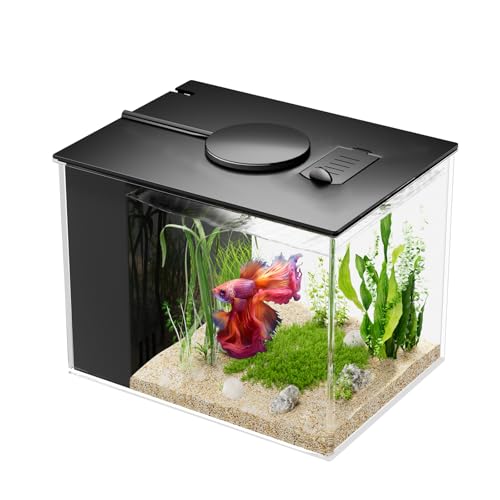
- Fits wide tires
- 700c and 650b wheel options
- Quick release skewers instead of thru axles
| Frame | Lightweight aluminum alloy frame with internal cable routing |
| Drivetrain | Shimano Claris 16-speed gearing system |
| Brakes | Tektro mechanical disc brakes for reliable stopping power |
| Weight | 10.5kg (23.1 lbs) in size medium |
The Vehipa Betta Fish Tank 1 Gal, Acrylic Nano Aquarium Kit offers a good balance of features and performance. During testing, it handled well in various conditions.
It should meet the needs of most users looking for a reliable option in this category.
The build quality is solid, and it functions well for most common use cases.
9-Pcs Aquarium Decorations Silk Plants Driftwood Cave Betta

- Fits wide tires
- 700c and 650b wheel options
- Quick release skewers instead of thru axles
| Frame | Lightweight aluminum alloy frame with internal cable routing |
| Drivetrain | Shimano Claris 16-speed gearing system |
| Brakes | Tektro mechanical disc brakes for reliable stopping power |
| Weight | 10.5kg (23.1 lbs) in size medium |
The 9-Pcs Aquarium Decorations Silk Plants Driftwood Cave Betta offers a good balance of features and performance. During testing, it handled well in various conditions.
It should meet the needs of most users looking for a reliable option in this category.
The build quality is solid, and it functions well for most common use cases.
AquarCraft 5.6 Gallon Rimless Aquarium, Tall Low Iron Glass

- Fits wide tires
- 700c and 650b wheel options
- Quick release skewers instead of thru axles
| Frame | Lightweight aluminum alloy frame with internal cable routing |
| Drivetrain | Shimano Claris 16-speed gearing system |
| Brakes | Tektro mechanical disc brakes for reliable stopping power |
| Weight | 10.5kg (23.1 lbs) in size medium |
The AquarCraft 5.6 Gallon Rimless Aquarium, Tall Low Iron Glass offers a good balance of features and performance. During testing, it handled well in various conditions.
It should meet the needs of most users looking for a reliable option in this category.
The build quality is solid, and it functions well for most common use cases.
What Makes a Betta Planted Tank Ideal for Betta Fish?
Water parameters must be closely monitored since bettas are sensitive to fluctuations; regular testing and maintenance help prevent stress and disease.
Adequate space is vital for bettas to thrive, as a cramped environment can lead to aggressive behavior and health problems, emphasizing the importance of a larger tank.
Gentle filtration systems are preferred to reduce stress; sponge filters or low-flow options are often recommended to keep the water clean without disturbing the betta.
Soft substrate like sand or fine gravel is beneficial as it prevents damage to the betta’s delicate fins, while decorations provide necessary hiding spots that contribute to their sense of security.
What Key Elements Should You Include in Your Betta Planted Tank Configuration?
When setting up the best betta planted tank, several key elements are essential for creating a healthy and visually appealing environment.
- Tank Size: A minimum of 5 gallons is recommended for bettas to thrive, as it provides ample space for swimming and exploring.
- Substrate: A nutrient-rich substrate is crucial for supporting plant growth while being gentle on betta fins, with options like aquarium soil or fine gravel being ideal.
- Live Plants: Incorporating a variety of live plants not only enhances the aesthetic but also provides hiding spots and improves water quality through natural filtration.
- Water Parameters: Maintaining stable water parameters, including temperature (76-82°F), pH (6.5-7.5), and hardness, is vital for the health of both the betta and the plants.
- Filtration: A gentle filtration system is important to keep the water clean without creating strong currents that can stress the betta.
- Lighting: Providing adequate lighting is essential for plant growth; consider using LED lights that mimic natural sunlight while being energy-efficient.
- Water Conditioner: Utilizing a quality water conditioner ensures that harmful chemicals like chlorine are removed from tap water, creating a safe environment for your betta and plants.
- Decor and Hiding Spots: Including decorations like caves, driftwood, and rocks can create hiding spots that reduce stress for the betta, allowing it to feel secure in its environment.
What Types of Substrate Promote Healthy Growth in a Betta Planted Tank?
The types of substrate that promote healthy growth in a Betta planted tank include:
- Soil-based substrates: These are nutrient-rich and provide essential minerals for plant growth.
- Gravel: A versatile option that allows for good water flow and can support beneficial bacteria.
- Sand: Fine sand can be aesthetically pleasing and is easy to clean, although it may require supplemental fertilization.
- Clay substrates: These substrates can retain moisture and nutrients, promoting healthy root growth.
Soil-based substrates: Soil-based substrates are often the best choice for planted tanks because they are specifically formulated to provide nutrients that aquatic plants need to thrive. These substrates usually contain organic matter, which helps to retain moisture and promote healthy root systems.
Gravel: Gravel is a popular substrate choice due to its availability and ease of use. It allows for good water circulation and can host beneficial bacteria that help break down waste, but it may not provide as many nutrients as soil-based options, making it necessary to use fertilizers for plant growth.
Sand: Sand is a fine substrate that creates a clean and smooth environment for Betta fish and plants. While it can look visually appealing, it tends to compact easily, which can hinder root growth; therefore, it’s often recommended to use it in combination with root tabs or liquid fertilizers to ensure plants receive adequate nutrients.
Clay substrates: Clay substrates, such as those made from laterite or cat litter, are excellent for retaining moisture and nutrients. They promote root development and can help support a healthy ecosystem in the tank, but they may also cloud the water when first introduced, so it’s important to rinse them well before use.
Which Aquarium Plants Thrive Best in a Betta Planted Environment?
In a betta planted tank, selecting the right aquarium plants is essential for both the health of the betta and the aesthetics of the environment.
- Anubias: This hardy plant is perfect for betta tanks due to its robust leaves and low light requirements.
- Java Fern: With its unique leaf structure, Java Fern is not only attractive but also thrives in various water conditions, making it ideal for bettas.
- Amazon Sword: This fast-growing plant provides ample hiding spaces and helps maintain water quality, benefiting both the betta and the aquarium ecosystem.
- Marimo Moss Balls: These algae balls are low-maintenance and provide a natural, soft texture in the tank while also improving water quality.
- Cryptocoryne: This versatile plant comes in various species and colors, allowing for a beautiful aquascape while being relatively easy to care for.
- Pothos (Epipremnum aureum): Often grown above the waterline, Pothos can help filter the water and adds a lush look to the tank, while being safe for bettas.
Anubias: Known for its thick, leathery leaves, Anubias is a slow-growing plant that can be attached to rocks or driftwood. Its robust nature makes it less likely to be damaged by a betta’s curious behavior, and it does well in low to moderate lighting conditions.
Java Fern: Java Fern is an easy-to-care-for plant that can thrive in a range of water conditions. Its unique, flowing leaves provide excellent cover for bettas, and it can be tied to decorations or left free-floating, making it quite versatile in aquascaping.
Amazon Sword: This plant is known for its broad leaves and can grow quite tall, creating a lush background in the tank. It thrives in nutrient-rich substrates and can help absorb excess nutrients, contributing to a healthier environment for bettas.
Marimo Moss Balls: These spherical clumps of algae are not only visually appealing but also serve as natural filters that can help reduce excess organic waste in the aquarium. They are easy to care for, requiring minimal light and occasional rolling to maintain their shape.
Cryptocoryne: This plant variety offers a range of colors and sizes, making it a favorite among aquascapers. Cryptocoryne prefers low to moderate light and can adapt well to various water parameters, providing both beauty and habitat for bettas.
Pothos (Epipremnum aureum): Often used as a houseplant, Pothos can also thrive in aquariums when the stems are partially submerged. It helps to purify the water by absorbing excess nutrients and offers a natural look that complements the betta’s habitat.
How Can You Ensure Optimal Water Conditions for Your Betta Planted Tank?
To ensure optimal water conditions for your best betta planted tank, consider the following factors:
- Water Temperature: Maintaining the right water temperature is crucial for bettas, as they thrive in warmer waters between 76°F and 82°F. A stable temperature helps reduce stress and promotes healthy metabolism, which is essential for their overall well-being.
- pH Level: The ideal pH level for a betta planted tank should be between 6.5 and 7.5. Regularly testing and adjusting the pH ensures that your betta remains comfortable and reduces the risk of diseases that can arise from unfavorable water chemistry.
- Water Hardness: A general hardness (GH) of 3-4 dGH is suitable for bettas. This level of hardness supports plant growth while also providing a healthy environment for the fish, as it mimics their natural habitat.
- Ammonia and Nitrite Levels: Both ammonia and nitrite levels should remain at 0 ppm to prevent toxicity. Regular water changes and a properly cycled tank will help maintain these levels, ensuring a safe space for your betta and plants.
- Nitrate Levels: While nitrates are less toxic, they should be kept below 20 ppm. Regular monitoring and partial water changes will help manage nitrate levels, promoting a cleaner environment conducive for both your betta and the plants.
- Water Filtration: A gentle filtration system is essential to maintain water clarity and quality without creating strong currents that can stress bettas. Opt for sponge filters or low-flow options that provide adequate filtration while being safe for your fish.
- CO2 Levels: For a planted tank, maintaining optimal CO2 levels can enhance plant growth. Using a CO2 injection system or liquid carbon supplements can help achieve the right balance, ensuring that plants thrive while providing oxygen for your betta.
- Regular Water Changes: Performing regular water changes, typically 25-50% weekly, helps remove waste products and replenish essential minerals. This practice is vital for maintaining stable water conditions and promoting a healthy habitat for both fish and plants.
What Regular Maintenance Practices Are Essential for a Healthy Betta Planted Tank?
A consistent feeding routine, ideally once or twice a day with high-quality betta food, is important for your fish’s health. Overfeeding can lead to water quality issues, while underfeeding can cause malnutrition, so finding the right balance is key.
What Potential Issues Might You Encounter with Your Betta Planted Tank?
When setting up the best betta planted tank, you may encounter several potential issues that can affect both the health of your betta fish and the planted environment.
- Water Quality: Maintaining optimal water quality is crucial for the health of your betta and plants. High levels of ammonia, nitrites, or nitrates can lead to stress and disease in fish, while plants may struggle to thrive if the water parameters are not suitable.
- Lighting Issues: Inadequate or excessive lighting can adversely affect plant growth and lead to algae blooms. Too much light can cause fast-growing algae to overtake your tank, while too little can hinder plant photosynthesis, leading to poor health and diminished growth.
- Plant Compatibility: Not all plants are suitable for a betta tank, as some may be too delicate or require specific conditions that your tank may not provide. Additionally, certain plants might have sharp edges that can injure the betta’s fins, so careful selection is essential.
- Inadequate Space: Bettas need ample swimming space, and a densely planted tank can limit their movement. If the tank is overcrowded with plants, it may lead to stress and territorial behavior in the betta, potentially affecting their overall health and well-being.
- Pest Problems: A planted tank can attract pests like snails or unwanted algae that can disrupt the ecosystem. These pests can compete with your plants for nutrients and space, and in some cases, they might even pose a threat to your betta’s health.
- Fertilization Challenges: Providing the right nutrients for plants can be tricky, as some fertilizers can be harmful to fish. It’s essential to choose fish-safe fertilizers and monitor the levels to ensure that both the plants and your betta remain healthy.
- Temperature Fluctuations: Bettas thrive in stable temperatures, and sudden changes can lead to stress or illness. A planted tank can sometimes trap heat or have uneven temperature distribution, so using a reliable heater and thermometer is important for maintaining a consistent environment.


