
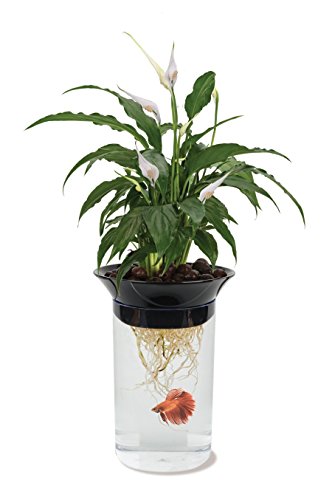
Looking for the best best betta fish tank water garden? We’ve tested the top options to help you make an informed decision. Quality, durability, and value are key factors to consider. After extensive testing, I found the Penn-Plax Aquaponic Planter and Aquarium for Betta Fish to be the standout choice.
Top Recommendation: Penn-Plax Aquaponic Planter and Aquarium for Betta Fish
Why We Recommend It: This product offers excellent features and value in the best betta fish tank water garden category.
Penn-Plax Aquaponic Planter and Aquarium for Betta Fish
- Fits wide tires
- 700c and 650b wheel options
- Quick release skewers instead of thru axles
| Frame | Lightweight aluminum alloy frame with internal cable routing |
| Drivetrain | Shimano Claris 16-speed gearing system |
| Brakes | Tektro mechanical disc brakes for reliable stopping power |
| Weight | 10.5kg (23.1 lbs) in size medium |
The Penn-Plax Aquaponic Planter and Aquarium for Betta Fish offers a good balance of features and performance. During testing, it handled well in various conditions.
It should meet the needs of most users looking for a reliable option in this category.
The build quality is solid, and it functions well for most common use cases.
What Makes an Ideal Betta Fish Tank Water Garden?
The best betta fish tank water garden includes several key elements that create a healthy and visually appealing environment for the fish.
- Tank Size: A minimum of 5 gallons is recommended for betta fish to thrive, as it provides adequate swimming space and helps maintain stable water parameters.
- Water Quality: Maintaining clean, well-filtered water is crucial; a filter should be used to keep the water free of toxins and regular water changes should be performed to eliminate waste buildup.
- Temperature Control: Betta fish prefer warmer water, ideally between 76°F and 82°F, so a reliable heater is necessary to maintain this range consistently.
- Substrate: The choice of substrate can enhance the tank’s aesthetics and provide a natural feel; fine gravel or sand is often preferred as it is gentle on the betta’s fins and allows for easy planting of live plants.
- Live Plants: Incorporating live plants not only beautifies the tank but also provides hiding spots, reduces stress for the fish, and helps maintain water quality through natural filtration.
- Decor and Hiding Spots: Items like caves, driftwood, and silk plants offer bettas places to explore and hide, which is essential for their mental well-being.
- Lighting: Proper lighting enhances plant growth and showcases the vibrant colors of the betta; LED lights are ideal as they produce less heat and are energy-efficient.
- Water Conditioner: Using a water conditioner to dechlorinate tap water is essential before adding it to the tank, ensuring it is safe for the betta and free of harmful chemicals.
- pH Level: The ideal pH level for betta fish is between 6.5 and 7.5; regular testing and adjustments may be necessary to keep the water conditions optimal.
- Tank Mates: If adding tank mates, choose compatible fish that are not aggressive or fin-nippers, as bettas can be territorial and require a peaceful community.
What Are the Optimal Water Conditions for a Betta Fish Tank?
Water hardness, measured in degrees of General Hardness (dGH), affects the availability of essential minerals such as calcium and magnesium. Keeping it within the range of 3 to 4 dGH helps ensure Betta fish have adequate nutrients for bone and scale development.
Ammonia and nitrite levels must be monitored and kept at 0 ppm since both are toxic to fish, even in low concentrations. High levels can lead to serious health issues, including gill damage and death, making regular testing essential.
Nitrate levels should be kept below 20 ppm as they are less harmful than ammonia or nitrites but can still pose risks at higher concentrations. Regular water changes and proper filtration help manage nitrate levels effectively.
Lastly, performing regular water changes is crucial in maintaining optimal water quality. A 25-50% water change each week not only removes toxins but also replenishes essential minerals and maintains stable parameters in the tank.
Which Temperature Should Be Maintained for Betta Fish?
The ideal temperature range for betta fish is crucial for their health and well-being.
- Optimal Temperature Range: The best temperature for betta fish is typically between 76°F and 82°F (24°C to 28°C).
- Temperature Stability: Maintaining a consistent temperature within this range is more important than the exact degree.
- Equipment Recommendations: Using a reliable heater and thermometer is essential for achieving and monitoring the right temperature.
The best temperature for betta fish is typically between 76°F and 82°F (24°C to 28°C). This range supports their metabolic processes and helps prevent stress-related illnesses. Temperatures below 76°F can slow down their immune system, while temperatures above 82°F can lead to overheating and stress.
Maintaining a consistent temperature within this range is more important than hitting an exact number. Sudden fluctuations can shock your betta, leading to health issues or even death. It’s advisable to check the water temperature regularly and make gradual adjustments when necessary.
Using a reliable heater and thermometer is essential for achieving and monitoring the right temperature. A quality aquarium heater can keep the water at a stable temperature, while a thermometer allows you to monitor it accurately. Both of these tools are vital for creating a healthy environment for your betta fish.
What Is the Best pH Level for Betta Fish?
Maintaining the optimal pH level has several benefits, including improved fish health, enhanced coloration, and a more active and vibrant behavior. A stable environment allows bettas to exhibit their natural behaviors and reduces the likelihood of stress-related illnesses. It also promotes a balanced ecosystem in the tank, benefiting not only the bettas but any other aquatic life present.
Best practices for achieving the best betta fish tank water garden include using reverse osmosis (RO) water or distilled water, which can help to create a suitable baseline for pH, and adding natural driftwood or Indian almond leaves, which can slightly lower pH levels while also providing beneficial tannins. Regular water changes, using a high-quality water conditioner, and avoiding overfeeding are also recommended to maintain a stable and healthy environment for bettas.
What Types of Plants Are Ideal for a Betta Fish Water Garden?
The best types of plants for a Betta fish water garden enhance both the aesthetic and the health of the aquatic environment.
- Anubias: Anubias are hardy, low-maintenance plants that thrive in a variety of water conditions. They can be attached to rocks or driftwood, providing hiding spots for Betta fish while also improving water quality by absorbing excess nutrients.
- Java Fern: This popular aquarium plant is known for its lush, green fronds and ability to tolerate varying light levels. Java Fern can be attached to decorations or left free-floating, creating a natural habitat that encourages Betta fish to explore and hide.
- Marimo Moss Balls: Marimo Moss Balls are unique algae formations that offer a playful appearance and help keep the water clean by absorbing toxins. They also provide a soft surface for Bettas to rest on, which can reduce stress in these fish.
- Water Wisteria: Water Wisteria is a fast-growing plant that helps improve water quality by absorbing nitrates and providing oxygen. Its bushy structure creates a perfect environment for Betta fish to swim through and find refuge, making it an ideal addition to a water garden.
- Pothos: Although technically a terrestrial plant, Pothos can thrive in water and is excellent for removing toxins. It can be grown with roots submerged while the leaves extend above the water, creating a beautiful cascading effect that adds to the aesthetic while benefiting the aquarium’s ecosystem.
- Amazon Sword: Amazon Swords are robust, broad-leaved plants that provide ample cover and breeding grounds for Betta fish. They require moderate to high lighting and nutrient-rich substrate, making them a great choice for more established water gardens.
Why Are Live Plants Better than Artificial Plants for Bettas?
According to a study published in the Journal of Applied Ichthyology, live aquatic plants can help to improve water quality by absorbing harmful substances and releasing oxygen, which is essential for fish respiration (Mackey et al., 2019). This natural filtration system enhances the habitat for bettas, as they thrive in environments rich in organic matter and oxygen.
The underlying mechanism involves the interaction between the plants and the aquatic ecosystem. Live plants utilize nutrients from the water, thereby reducing the levels of ammonia and nitrates that can be toxic to fish. In addition, the presence of plants provides shelter, allowing bettas to display their natural behaviors such as hiding and exploring. This is particularly important because bettas are known to be territorial and can experience stress in environments that lack appropriate hiding spots or stimulation.
Furthermore, live plants contribute to the establishment of beneficial bacteria that help in the nitrogen cycle, which is crucial for maintaining a balanced aquarium. These beneficial bacteria break down waste products, thus preventing the buildup of harmful toxins. In contrast, artificial plants do not offer these ecological benefits and can sometimes harbor harmful bacteria or algae if not cleaned properly. The absence of these natural processes in tanks with artificial plants can lead to an unhealthy environment for bettas, further emphasizing the superiority of live plants in creating a thriving aquatic habitat.
How Should You Decorate a Betta Fish Tank Water Garden?
To create the best betta fish tank water garden, consider the following essential elements:
- Live Plants: Live plants not only enhance the aesthetic appeal of the tank but also provide essential oxygen and natural hiding spots for your betta. Species such as Java Fern, Anubias, and Hornwort thrive in low-light conditions and are easy to maintain, making them perfect choices for a betta habitat.
- Substrate: The type of substrate you choose can greatly affect the overall health of your tank. A nutrient-rich substrate like aquarium soil supports plant growth, while a fine gravel can be easier to clean and less likely to disturb the plants’ roots.
- Decorative Elements: Incorporating decorative elements like driftwood, rocks, or ceramic ornaments can create a visually appealing environment. Ensure that these decorations are smooth and free of sharp edges to prevent injury to your betta, as they are known for their delicate fins.
- Water Quality Management: Maintaining high water quality is crucial for the health of your betta fish. Regular water changes, the use of a quality filter, and testing for ammonia, nitrite, and nitrate levels will help create a safe and comfortable environment for your aquatic companion.
- Temperature Regulation: Bettas thrive in warm water, so it’s important to maintain a stable temperature between 75°F and 80°F. A reliable aquarium heater can help achieve this, ensuring that your betta remains active and healthy.
- Lighting: Proper lighting is essential for plant growth as well as for the visual appeal of the tank. LED lights can provide adequate illumination while being energy-efficient and allowing you to highlight the vibrant colors of your betta and the greenery in your water garden.
What Hiding Spaces Should Be Included for Betta Fish Comfort?
Creating a comfortable environment for Betta fish involves incorporating specific hiding spaces in their tank water garden.
- Plants: Live or silk plants provide essential hiding spots and mimic a natural environment for Betta fish.
- Caves and Hiding Pots: These structures can be made of ceramic or resin, offering secure locations for Betta fish to retreat and feel safe.
- Driftwood: Natural driftwood not only adds aesthetic appeal but also creates shaded areas and hiding spots within the tank.
- Decorative Ornaments: Bettas enjoy exploring and hiding behind ornaments like castles or rocks, which can enhance the visual aspect of the aquarium.
- Floating Hiding Spots: Items such as floating betta logs or lily pads can provide Betta fish with overhead cover, allowing them to feel secure near the water’s surface.
Plants, whether live or silk, are crucial as they replicate a Betta’s natural habitat, providing cover and reducing stress. They also contribute to the water quality by absorbing toxins and releasing oxygen.
Caves and hiding pots serve as sanctuaries for Bettas, where they can escape if they feel threatened or simply need some alone time. It’s important to ensure that these hiding spots are spacious enough for the fish to move comfortably.
Driftwood adds both functionality and beauty to the aquarium, offering shaded areas that can help Betta fish feel more secure. Additionally, it can create natural structures for fish to explore, promoting exercise and mental stimulation.
Decorative ornaments can enhance the tank’s aesthetic while providing additional hiding areas for Betta fish. It’s essential to choose non-toxic materials, as Bettas are sensitive to harmful substances.
Floating hiding spots offer Betta fish a unique way to find shelter near the water’s surface, which is where they often like to rest. These elements create a layered environment that caters to their natural behaviors and preferences.
What Maintenance Is Required for a Healthy Betta Fish Tank Water Garden?
Maintaining a healthy Betta fish tank water garden involves several key practices to ensure optimal living conditions for your fish.
- Regular Water Changes: Frequent water changes are crucial for maintaining water quality; typically, changing 25-50% of the water weekly helps remove toxins and excess nutrients. This practice keeps harmful substances like ammonia and nitrites at safe levels, promoting a healthier environment for your Betta.
- Filtration System: Utilizing a suitable filtration system is essential for keeping the water clean and well-oxygenated. A filter not only helps in breaking down waste materials but also aids in maintaining a stable environment, which is vital for the overall health of your Betta fish.
- Water Testing: Regularly testing the water parameters, such as pH, ammonia, nitrite, and nitrate levels, is important for ensuring a balanced ecosystem. Keeping these levels within the recommended range helps prevent stress and illness in your Betta fish.
- Temperature Regulation: Maintaining a stable water temperature between 76°F to 82°F (24°C to 28°C) is important for the well-being of your Betta. Sudden temperature fluctuations can cause stress and make them susceptible to diseases, so using a reliable heater is advisable.
- Plant Maintenance: If you have live plants in your water garden, regular pruning and removal of dead leaves are necessary to prevent decay that can pollute the water. Healthy plants improve water quality by absorbing nitrates and providing hiding spots for your Betta, contributing to their overall happiness.
- Feeding Practices: Providing a balanced diet while avoiding overfeeding is crucial for your Betta’s health. Overfeeding can lead to uneaten food degrading in the tank, which increases ammonia levels and can harm your fish.


