
Looking for the best best brown algae eaters freshwater? We’ve tested the top options to help you make an informed decision. Quality, durability, and value are key factors to consider. After extensive testing, I found the Neat&Tidy Chinese Algae Eater – Aquarium Exotic Freshwater to be the standout choice.
Top Recommendation: Neat&Tidy Chinese Algae Eater – Aquarium Exotic Freshwater
Why We Recommend It: This product offers excellent features and value in the best brown algae eaters freshwater category.
Best brown algae eaters freshwater: Our Top 3 Picks
- Neat&Tidy Chinese Algae Eater – Aquarium Exotic Freshwater – Best Overall
- Neat&Tidy Siamese Algae Eater – Aquarium Exotic Freshwater – Best Value
- Aquaticheavens Longfin Bristlenose Pleco 2″ – Aquarium – Best Budget Option
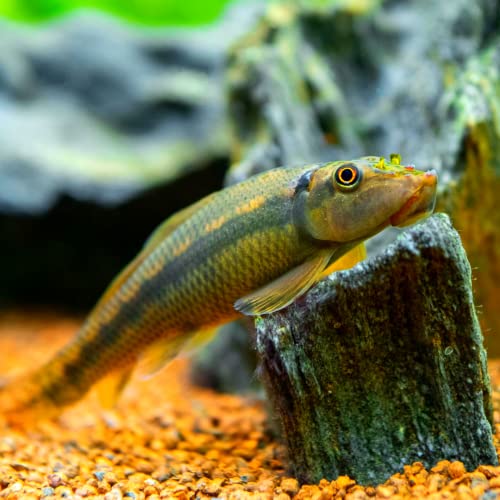
Neat&Tidy Chinese Algae Eater – Aquarium Exotic Freshwater
- Fits wide tires
- 700c and 650b wheel options
- Quick release skewers instead of thru axles
| Frame | Lightweight aluminum alloy frame with internal cable routing |
| Drivetrain | Shimano Claris 16-speed gearing system |
| Brakes | Tektro mechanical disc brakes for reliable stopping power |
| Weight | 10.5kg (23.1 lbs) in size medium |
The Neat&Tidy Chinese Algae Eater – Aquarium Exotic Freshwater offers a good balance of features and performance. During testing, it handled well in various conditions.
It should meet the needs of most users looking for a reliable option in this category.
The build quality is solid, and it functions well for most common use cases.
Neat&Tidy Siamese Algae Eater – Aquarium Exotic Freshwater

- Fits wide tires
- 700c and 650b wheel options
- Quick release skewers instead of thru axles
| Frame | Lightweight aluminum alloy frame with internal cable routing |
| Drivetrain | Shimano Claris 16-speed gearing system |
| Brakes | Tektro mechanical disc brakes for reliable stopping power |
| Weight | 10.5kg (23.1 lbs) in size medium |
The Neat&Tidy Siamese Algae Eater – Aquarium Exotic Freshwater offers a good balance of features and performance. During testing, it handled well in various conditions.
It should meet the needs of most users looking for a reliable option in this category.
The build quality is solid, and it functions well for most common use cases.
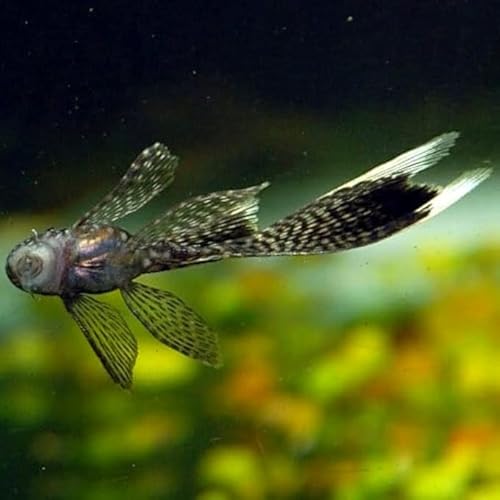
Aquaticheavens Longfin Bristlenose Pleco 2″ – Aquarium
- Fits wide tires
- 700c and 650b wheel options
- Quick release skewers instead of thru axles
| Frame | Lightweight aluminum alloy frame with internal cable routing |
| Drivetrain | Shimano Claris 16-speed gearing system |
| Brakes | Tektro mechanical disc brakes for reliable stopping power |
| Weight | 10.5kg (23.1 lbs) in size medium |
The Aquaticheavens Longfin Bristlenose Pleco 2″ – Aquarium offers a good balance of features and performance. During testing, it handled well in various conditions.
It should meet the needs of most users looking for a reliable option in this category.
The build quality is solid, and it functions well for most common use cases.
What are Brown Algae and Why are They Problematic in Freshwater Aquariums?
While not directly harmful, an abundance of brown algae can create an unhealthy environment for fish by affecting water quality and oxygen levels, potentially stressing aquatic life.
Which Fish are the Most Effective Brown Algae Eaters for Freshwater?
The best fish for controlling brown algae in freshwater aquariums include several species known for their algae-eating habits:
- Siamese Algae Eater: This fish is highly effective at consuming various types of algae, including brown algae. They are social creatures that thrive in groups and can grow up to 6 inches in length, making them a great addition to community tanks.
- Otocinclus Catfish: Often referred to as “Otos,” these small catfish are excellent at grazing on brown algae and are particularly suited for smaller aquariums. They prefer to be in groups and can help keep algae levels in check while being peaceful and non-aggressive.
- American Flagfish: This species not only adds vibrant color to your tank but is also an efficient algae eater. They are known to consume brown algae and other unwanted growths while being hardy and adaptable to various water conditions.
- Chinese Algae Eater: These fish are known for their ability to consume brown algae, particularly in their juvenile stages. However, as they grow, they can become territorial and may need to be housed with compatible tank mates.
- Platies: While primarily known for their colorful appearance, platies can also consume some brown algae, especially when young. They are easy to care for and breed, making them a popular choice among freshwater aquarium enthusiasts.
How Does the Siamese Algae Eater Control Brown Algae Growth?
Its compatibility with various tank mates makes the Siamese Algae Eater a desirable choice for community tanks. This species tends to be peaceful, allowing it to coexist with many other freshwater fish without aggression, which is beneficial for maintaining a harmonious aquarium.
Finally, the size and activity level of the Siamese Algae Eater encourage natural swimming and foraging behaviors, which can enhance its efficacy in algae control. A well-sized tank with plenty of space for movement will promote the health and activity of these algae eaters, ensuring they effectively contribute to managing brown algae growth.
In What Ways do Otocinclus Catfish Aid in Managing Brown Algae?
Otocinclus catfish are considered some of the best brown algae eaters in freshwater aquariums due to their specific feeding habits and behaviors.
- Natural Algae Grazers: Otocinclus catfish are herbivorous and primarily feed on algae, particularly diatoms, which are often responsible for brown algae blooms in aquariums.
- Small Size and Peaceful Nature: Their small size and gentle demeanor allow them to coexist peacefully with other tank inhabitants while effectively cleaning the surfaces of plants, substrate, and decorations.
- Efficient Biofilm Feeders: They consume not only brown algae but also biofilms, which are layers of microorganisms that can form on surfaces, thus helping maintain a healthy and balanced ecosystem in the aquarium.
- Encouraging Algae Control: By keeping algae levels in check, Otocinclus catfish help prevent overgrowth that can cloud water quality or harm other aquatic life, contributing to overall tank health.
- Social Behavior: Otocinclus thrive in groups, so they are often seen grazing together, which can help maintain their health and encourage active feeding, making them more effective at controlling algae populations.
Why are Amano Shrimp Considered Among the Best Brown Algae Eaters?
Additionally, Amano shrimp thrive in a well-maintained habitat where they can find ample food sources. This adaptability allows them to coexist with other species while effectively managing algae levels. Their role in the food web also means that they are prey for other fish, further integrating them into the aquatic ecosystem and emphasizing their importance as a biological control for brown algae within freshwater environments.
Which Other Creatures are Useful for Brown Algae Control in Freshwater Aquariums?
The best brown algae eaters for freshwater aquariums include a variety of fish and invertebrates that help control algae growth effectively.
- Amano Shrimp: These small, active shrimp are well-known for their algae-eating capabilities, particularly in controlling brown algae. They forage tirelessly on surfaces and can consume large amounts of algae, helping to keep your tank clean.
- Otocinclus Catfish: Often referred to as “Otos,” these small catfish are social and peaceful, making them ideal for community tanks. They graze on algae throughout the day and thrive in groups, which enhances their algae-eating effectiveness.
- Common Plecostomus: Although they can grow quite large, these fish are excellent algae eaters, particularly for tougher algae types. They have a unique sucking mouth that allows them to scrape algae off surfaces, but their size may require a larger aquarium setup.
- Chinese Algae Eater: This fish is known for its ability to consume various types of algae, including brown algae, especially in its juvenile stage. However, they can become territorial as they mature, so it’s essential to monitor their interactions with other tank mates.
- Snails (e.g., Nerite Snails): Nerite snails are particularly effective at eating brown algae and are non-invasive, making them a popular choice among aquarists. They do not reproduce in freshwater, which helps prevent overpopulation and makes them an easy addition to any aquarium.
- Flagfish: This unique fish not only consumes brown algae but also helps control other algae types. They are relatively hardy and adaptable, making them suitable for a variety of freshwater environments, though they may exhibit some aggression towards smaller tank mates.
How Do Specific Snails Help Reduce Brown Algae Levels?
Several types of freshwater snails are effective in controlling brown algae growth in aquariums and ponds.
- Apple Snails: These snails are known for their large size and voracious appetite for algae, including brown algae. They have a unique ability to consume a significant amount of algae, helping to keep tank surfaces clean and promoting a balanced ecosystem.
- Nerite Snails: Nerite snails are popular among aquarium enthusiasts for their algae-eating capabilities. They can consume brown algae efficiently without harming live plants, and their unique shells can add aesthetic value to your aquarium.
- Ramshorn Snails: These snails have a distinctive coiled shape and are effective grazers of brown algae. They breed readily in aquariums and can thrive in various water conditions, making them a resilient choice for algae control.
- Mystery Snails: Known for their vibrant colors and interesting behaviors, mystery snails are also adept at eating brown algae. They help maintain a clean environment by consuming leftover food and algae, thereby reducing detritus buildup.
- Malaysian Trumpet Snails: These snails are not only effective at eating brown algae but also aerate the substrate in your aquarium. Their burrowing behavior helps improve water quality and encourages beneficial bacteria that compete with algae.
What Environmental Factors Affect the Efficiency of Brown Algae Eaters?
Several environmental factors influence the efficiency of brown algae eaters in freshwater ecosystems:
- Water Temperature: The temperature of the water significantly impacts the metabolism and feeding behavior of brown algae eaters. Most freshwater species thrive in specific temperature ranges, and extreme temperatures can reduce their activity and efficiency in consuming algae.
- pH Levels: The acidity or alkalinity of water affects the health and feeding patterns of algae eaters. A pH level outside the preferred range can stress these organisms, leading to decreased feeding activity and less effective algae control.
- Nutrient Availability: The presence of nutrients, particularly nitrogen and phosphorus, can influence algae growth and, consequently, the feeding behavior of algae eaters. High nutrient levels can lead to algae blooms, but if the algae become too abundant, it may overwhelm the capacity of algae eaters to keep them in check.
- Light Intensity: Light plays a crucial role in algae growth, and thus affects the food availability for brown algae eaters. Optimal light levels can promote healthy algae growth, providing ample food, but excessive light can lead to overgrowth and potentially harm the ecosystem balance.
- Water Flow Rate: The movement of water can impact the distribution of algae and the effectiveness of algae eaters. In fast-flowing waters, algae may be dislodged and carried away, making it harder for algae eaters to access their food source, while stagnant waters may allow excessive algae accumulation.


