
Looking for the best best environment for betta fish? We’ve tested the top options to help you make an informed decision. Quality, durability, and value are key factors to consider. After extensive testing, I found the CousDUoBe 2 Pack Betta Fish Leaf Pad Improves Betta’s to be the standout choice.
Top Recommendation: CousDUoBe 2 Pack Betta Fish Leaf Pad Improves Betta’s
Why We Recommend It: This product offers excellent features and value in the best environment for betta fish category.
Best environment for betta fish: Our Top 5 Picks
- CousDUoBe 2 Pack Betta Fish Leaf Pad Improves Betta’s – Best Overall
- Crystalpro Betta Minerals – Creates Natural Beta Water – Best Value
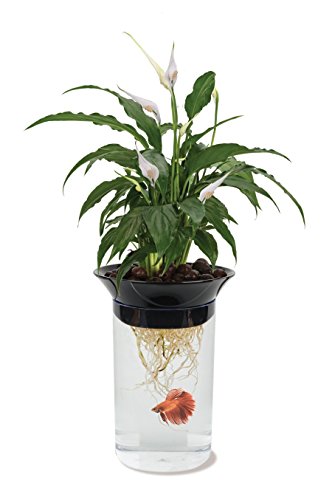
- Penn-Plax Aquaponic Planter and Aquarium for Betta Fish – Best Budget Option
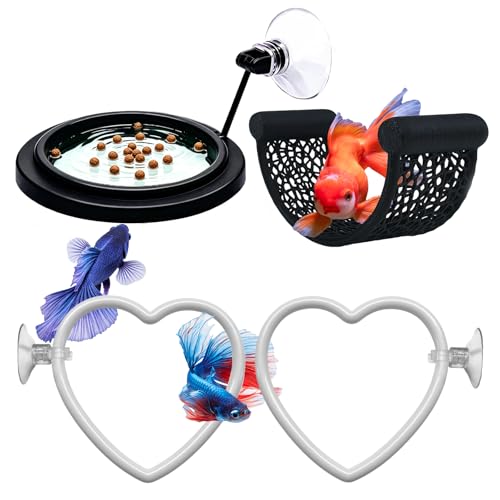
- 4Pcs Betta Fish Tank Accessories, Betta Hammock, 2 Betta – Best Premium Choice
- SunGrow 10 Indian Almond Leaves 4″-7″ for Betta Fish – – Best for Beginners
CousDUoBe 2 Pack Betta Fish Leaf Pad Improves Betta’s

- Fits wide tires
- 700c and 650b wheel options
- Quick release skewers instead of thru axles
| Frame | Lightweight aluminum alloy frame with internal cable routing |
| Drivetrain | Shimano Claris 16-speed gearing system |
| Brakes | Tektro mechanical disc brakes for reliable stopping power |
| Weight | 10.5kg (23.1 lbs) in size medium |
The CousDUoBe 2 Pack Betta Fish Leaf Pad Improves Betta’s offers a good balance of features and performance. During testing, it handled well in various conditions.
It should meet the needs of most users looking for a reliable option in this category.
The build quality is solid, and it functions well for most common use cases.
Crystalpro Betta Minerals – Creates Natural Beta Water

- Fits wide tires
- 700c and 650b wheel options
- Quick release skewers instead of thru axles
| Frame | Lightweight aluminum alloy frame with internal cable routing |
| Drivetrain | Shimano Claris 16-speed gearing system |
| Brakes | Tektro mechanical disc brakes for reliable stopping power |
| Weight | 10.5kg (23.1 lbs) in size medium |
The Crystalpro Betta Minerals – Creates Natural Beta Water offers a good balance of features and performance. During testing, it handled well in various conditions.
It should meet the needs of most users looking for a reliable option in this category.
The build quality is solid, and it functions well for most common use cases.
Penn-Plax Aquaponic Planter and Aquarium for Betta Fish
- Fits wide tires
- 700c and 650b wheel options
- Quick release skewers instead of thru axles
| Frame | Lightweight aluminum alloy frame with internal cable routing |
| Drivetrain | Shimano Claris 16-speed gearing system |
| Brakes | Tektro mechanical disc brakes for reliable stopping power |
| Weight | 10.5kg (23.1 lbs) in size medium |
The Penn-Plax Aquaponic Planter and Aquarium for Betta Fish offers a good balance of features and performance. During testing, it handled well in various conditions.
It should meet the needs of most users looking for a reliable option in this category.
The build quality is solid, and it functions well for most common use cases.
4Pcs Betta Fish Tank Accessories, Betta Hammock, 2 Betta
- Fits wide tires
- 700c and 650b wheel options
- Quick release skewers instead of thru axles
| Frame | Lightweight aluminum alloy frame with internal cable routing |
| Drivetrain | Shimano Claris 16-speed gearing system |
| Brakes | Tektro mechanical disc brakes for reliable stopping power |
| Weight | 10.5kg (23.1 lbs) in size medium |
The 4Pcs Betta Fish Tank Accessories, Betta Hammock, 2 Betta offers a good balance of features and performance. During testing, it handled well in various conditions.
It should meet the needs of most users looking for a reliable option in this category.
The build quality is solid, and it functions well for most common use cases.
SunGrow 10 Indian Almond Leaves 4″-7″ for Betta Fish –

- Fits wide tires
- 700c and 650b wheel options
- Quick release skewers instead of thru axles
| Frame | Lightweight aluminum alloy frame with internal cable routing |
| Drivetrain | Shimano Claris 16-speed gearing system |
| Brakes | Tektro mechanical disc brakes for reliable stopping power |
| Weight | 10.5kg (23.1 lbs) in size medium |
The SunGrow 10 Indian Almond Leaves 4″-7″ for Betta Fish – offers a good balance of features and performance. During testing, it handled well in various conditions.
It should meet the needs of most users looking for a reliable option in this category.
The build quality is solid, and it functions well for most common use cases.
What Water Conditions Are Ideal for Betta Fish?
Filtration is crucial for maintaining clean water, as bettas produce waste that can lead to toxic conditions if not properly managed. A filter that provides gentle water flow is ideal, as strong currents can overwhelm and stress out bettas.
Aeration is beneficial as it helps maintain oxygen levels in the water; however, bettas are labyrinth fish and can breathe atmospheric air. It’s essential to ensure that any aeration is gentle to avoid creating strong currents that may stress the fish.
Water quality is paramount for betta fish, as high levels of ammonia, nitrite, and nitrate can lead to serious health issues. Regular water changes, along with testing these parameters, ensures a safe environment and promotes a healthy life for the fish.
What Temperature is Best for Betta Fish?
Maintaining temperature stability is vital since rapid changes can shock the betta fish, increasing their stress levels and making them more vulnerable to illnesses. A consistent temperature creates a comforting environment that mimics their natural habitat in Southeast Asia.
Using a reliable aquarium heater helps achieve and maintain the ideal temperature for betta fish, particularly in rooms where temperatures fluctuate significantly. Heaters designed for aquariums provide better control and efficiency, ensuring that the water remains at a comfortable level for the fish.
Monitoring water conditions with a thermometer is an essential practice for any betta fish owner. Regular checks help ensure that the temperature stays within the optimal range, allowing for proactive measures if any deviations occur, thereby ensuring the health and well-being of the fish.
What pH Levels Should Be Maintained for Betta Fish?
A pH level below 6.5 can lead to stress and can negatively affect the betta’s gill function, making them more prone to infections and diseases. Additionally, low pH can disrupt the balance of beneficial bacteria in the aquarium, leading to further complications.
Conversely, a pH level above 7.5 can also cause stress, particularly as bettas may struggle to adapt to more alkaline environments. High pH levels can increase the likelihood of diseases and can affect the betta’s ability to absorb minerals effectively.
It’s essential to maintain stable pH levels, as sudden fluctuations can shock bettas, causing them to become lethargic or lose their appetite. Stability is key to keeping a healthy aquarium environment.
Regular testing of the water with pH test kits is highly recommended to ensure that the pH remains within the optimal range. This proactive approach helps in preventing any drastic changes and ensures the bettas thrive in their habitat.
What Size Tank is Best for Betta Fish?
The best environment for betta fish is largely determined by the size of the tank, which can significantly impact their health and behavior.
- 5 Gallon Tank: A minimum of 5 gallons is recommended for a single betta fish, providing ample swimming space and stable water conditions.
- 10 Gallon Tank: This size offers even more room for the betta to explore and allows for better water quality management, which is crucial for their well-being.
- 20 Gallon Tank: A larger tank not only accommodates a betta fish comfortably but also allows for additional tank mates and more complex aquascaping.
- Smaller Tanks (Below 5 Gallons): While they may seem convenient, smaller tanks can lead to rapid fluctuations in water quality and stress for the fish.
A 5-gallon tank is the absolute minimum size recommended for betta fish, as it provides enough space for swimming and helps maintain stable water parameters, which is essential for their health. In a tank this size, it is easier to manage temperature and filtration, which can be critical for preventing diseases.
A 10-gallon tank is even better for a betta fish because it offers more swimming space and a larger volume of water which helps dilute toxins more effectively. This size also allows for the addition of plants and decorations that can provide hiding spots and enrich the betta’s environment.
A 20-gallon tank provides the most room for a betta fish to thrive, as it not only allows for better water quality but also gives the option to introduce compatible tank mates, enhancing social interaction. Additionally, a larger tank can accommodate elaborate aquascaping, which can stimulate the betta’s natural behaviors.
While smaller tanks may seem like a good idea for convenience, they are not ideal for bettas. Tanks below 5 gallons can lead to poor water quality due to the limited space, which can cause stress and health issues for the fish. Maintaining stable conditions in such small environments can be very challenging.
What Should a Suitable Habitat for Betta Fish Include?
The best environment for betta fish should include specific elements that ensure their health and well-being.
- Water Quality: It is crucial to maintain high water quality for betta fish, which requires a pH level between 6.5 and 7.5 and a temperature range of 76°F to 82°F. Regular water changes and the use of a quality water conditioner can help eliminate harmful toxins and provide a safe habitat.
- Tank Size: A minimum tank size of 5 gallons is recommended for betta fish to thrive, which allows them ample space to swim and explore. Smaller tanks can lead to stress and poor water quality, making it harder to maintain a stable environment.
- Filtration: A reliable filtration system is essential to keep the water clean and oxygenated, as betta fish are sensitive to poor water conditions. It is important to choose a filter with gentle flow to avoid stressing the fish, as they prefer calm waters.
- Heating: Bettas are tropical fish and require a stable water temperature, so an aquarium heater is necessary to maintain the ideal warmth. Fluctuations in temperature can lead to stress and health issues, so monitoring the temperature regularly is important.
- Plants and Decorations: Including live or silk plants and various decorations in the tank provides hiding spots and enrichment for betta fish. They enjoy exploring and resting among plants, which can help reduce stress and mimic their natural habitat.
- Lighting: Adequate lighting is vital for the well-being of bettas, as it supports their natural circadian rhythm. A regular day-night cycle of about 10-12 hours of light can help keep them active and healthy, while avoiding excessive light that can cause algae growth.
- Companions: Bettas may not always coexist peacefully with other fish, so it is best to choose tank mates carefully. Compatible species should be non-aggressive and not have long, flowing fins that might provoke the betta’s territorial instincts.
What Types of Decorations and Plants Are Suitable for Betta Fish?
The best environment for betta fish includes various decorations and plants that enhance their habitat while ensuring their health and well-being.
- Live Plants: Live plants such as Java Fern and Anubias provide hiding spots and improve water quality.
- Silk Plants: Silk plants are a safe alternative to plastic plants as they have softer edges, reducing the risk of fin tears.
- Caves and Hiding Spots: Caves made of ceramic or natural materials offer bettas a place to retreat, which can reduce stress.
- Floating Decorations: Floating decorations like lily pads allow bettas to rest near the surface, mimicking their natural habitat.
- Substrate Choices: Use soft substrates like sand or fine gravel to avoid injury to the betta’s delicate fins and to allow for plant rooting.
Live plants such as Java Fern and Anubias not only beautify the aquarium but also help maintain water quality by absorbing nitrates and providing oxygen. They serve as natural hiding spots that can reduce stress for the betta fish, promoting a more comfortable environment.
Silk plants are an excellent choice for betta tanks as they mimic the gentle sway of real plants without the sharp edges found in many plastic varieties. This reduces the risk of injury to the fish, making silk plants a safer option for bettas who are known for their flowing fins.
Caves and hiding spots, made of materials like ceramic or natural stones, are essential in creating a secure environment for betta fish. These structures help the betta feel safe and secure, allowing them to retreat and hide, which is crucial for their mental well-being.
Floating decorations, such as lily pads, replicate the natural surface vegetation found in their native habitats. These surfaces provide a resting area for bettas, allowing them to surface for air while feeling protected beneath the leaves.
Choosing the right substrate is also important; soft substrates like sand or fine gravel are ideal as they prevent injury to a betta’s delicate fins and provide a natural environment for rooting plants. This helps maintain a clean and healthy aquarium while promoting a comfortable living space for the fish.
How Does Lighting Affect Betta Fish Health?
Lighting plays a crucial role in creating the best environment for betta fish, impacting their health and behavior in various ways.
- Natural Light Cycles: Betta fish thrive in environments that mimic their natural habitat, which includes regular light and dark cycles. Providing a consistent light schedule helps regulate their circadian rhythms, promoting healthy behaviors such as feeding and rest.
- Intensity of Light: The intensity of light in the aquarium can affect betta fish’s stress levels. Too much bright light can cause stress and anxiety, while dim lighting can create a more calming environment, allowing bettas to feel secure and less threatened.
- Color Spectrum: The color of the lighting can influence the appearance and coloration of betta fish. Using lights that enhance blues and reds can help showcase their vibrant colors, while also encouraging healthy activity levels as they feel more at ease in an environment that complements their natural hues.
- Light Duration: The duration of light exposure is critical; generally, 10 to 12 hours of light per day is ideal for bettas. This duration helps simulate day and night cycles, which can reduce stress and promote natural behaviors like spawning and foraging.
- Type of Lighting: Different types of aquarium lighting, such as LED or fluorescent, can impact water temperature and algae growth. LED lights are often preferred for their energy efficiency and lower heat output, which helps maintain stable water conditions that are crucial for betta fish health.
What Tank Mates are Compatible with Betta Fish?
When considering tank mates for betta fish, it’s crucial to select species that can coexist peacefully and thrive in the same environment.
- Neon Tetras: Neon tetras are small, colorful fish that generally stay in the middle to upper levels of the tank, making them less likely to provoke a betta’s territorial instincts. They thrive in schools of six or more, providing a lively atmosphere without overwhelming the betta.
- Corydoras Catfish: Corydoras are bottom-dwelling fish that are peaceful and non-aggressive. They help keep the tank clean by scavenging for leftover food and are social creatures that do best in groups, which can complement the betta’s more solitary nature.
- Harlequin Rasboras: Harlequin rasboras are another peaceful species that inhabit the upper levels of the tank, allowing them to avoid direct competition with the betta. Their calm demeanor and schooling behavior make them a suitable match for bettas, as they can help reduce stress in the tank.
- Snails: Certain snail species, like Nerite or Mystery snails, can be excellent companions for bettas. They are low-maintenance, help with algae control, and generally do not provoke aggression, making them an ideal choice for a betta tank.
- Ghost Shrimp: Ghost shrimp are small, translucent creatures that can add diversity to the tank environment. They are generally harmless and can coexist with bettas, though it’s important to ensure that the betta does not see them as prey.
- African Dwarf Frogs: African dwarf frogs can be compatible with bettas as they inhabit different areas of the tank. They are peaceful and do not compete for food aggressively, but care must be taken to ensure that the betta does not become overly aggressive towards them.
How Can I Ensure Optimal Feeding for My Betta Fish?
- Quality Fish Food: Providing high-quality fish food is crucial for the health of your Betta. Look for a diet specifically formulated for Betta fish, which typically includes a mix of protein-rich pellets or flakes, as well as occasional treats like freeze-dried or frozen foods.
- Feeding Schedule: Establishing a consistent feeding schedule helps regulate your Betta’s diet and digestive system. Feeding them once or twice a day, with small portions that they can consume within 2-3 minutes, prevents overfeeding and maintains water quality.
- Water Temperature: Maintaining the right water temperature is vital for Betta fish feeding. They thrive in warmer waters, ideally between 76°F to 82°F (24°C to 28°C), as this range promotes their metabolism and encourages a healthy appetite.
- Tank Size and Environment: The size and environment of the tank can influence the feeding habits of your Betta. A tank of at least 5 gallons with appropriate hiding spots and plants not only provides a stress-free habitat but also encourages natural foraging behaviors that can stimulate their interest in food.
- Observation of Feeding Behavior: Observing your Betta’s feeding behavior can help you gauge their health and appetite. If your Betta shows disinterest in food or exhibits lethargy, it might indicate stress or health issues, necessitating a review of their environment and care.


