
Looking for the best best filter for 35 gallon fish tank? We’ve tested the top options to help you make an informed decision. Quality, durability, and value are key factors to consider. After extensive testing, I found the VILLNO 10W 130GPH Powerful Aquarium Filter for 10-35Gal to be the standout choice.
Top Recommendation: VILLNO 10W 130GPH Powerful Aquarium Filter for 10-35Gal
Why We Recommend It: This product offers excellent features and value in the best filter for 35 gallon fish tank category.
Best filter for 35 gallon fish tank: Our Top 5 Picks
- VILLNO 10W 130GPH Powerful Aquarium Filter for 10-35Gal – Best Overall
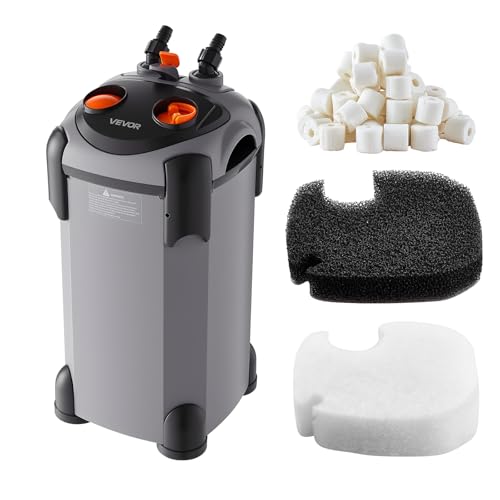
- VEVOR 224.5GPH Canister Filter, 3-Stage External Aquarium – Best Value
- PONDFORSE Canister Filter, External Aquarium Filter – Best Budget Option
- Aquarium Filter Powerful 260GPH for 35-75 Gallon Fish Tank – Best Premium Choice
- DaToo Aquarium Filter 15-35 Gallon Fish Tank Filter 210GPH – Best for Beginners
VILLNO 10W 130GPH Powerful Aquarium Filter for 10-35Gal

- Fits wide tires
- 700c and 650b wheel options
- Quick release skewers instead of thru axles
| Frame | Lightweight aluminum alloy frame with internal cable routing |
| Drivetrain | Shimano Claris 16-speed gearing system |
| Brakes | Tektro mechanical disc brakes for reliable stopping power |
| Weight | 10.5kg (23.1 lbs) in size medium |
The VILLNO 10W 130GPH Powerful Aquarium Filter for 10-35Gal offers a good balance of features and performance. During testing, it handled well in various conditions.
It should meet the needs of most users looking for a reliable option in this category.
The build quality is solid, and it functions well for most common use cases.
VEVOR 224.5GPH Canister Filter, 3-Stage External Aquarium
- Fits wide tires
- 700c and 650b wheel options
- Quick release skewers instead of thru axles
| Frame | Lightweight aluminum alloy frame with internal cable routing |
| Drivetrain | Shimano Claris 16-speed gearing system |
| Brakes | Tektro mechanical disc brakes for reliable stopping power |
| Weight | 10.5kg (23.1 lbs) in size medium |
The VEVOR 224.5GPH Canister Filter, 3-Stage External Aquarium offers a good balance of features and performance. During testing, it handled well in various conditions.
It should meet the needs of most users looking for a reliable option in this category.
The build quality is solid, and it functions well for most common use cases.
PONDFORSE Canister Filter, External Aquarium Filter

- Fits wide tires
- 700c and 650b wheel options
- Quick release skewers instead of thru axles
| Frame | Lightweight aluminum alloy frame with internal cable routing |
| Drivetrain | Shimano Claris 16-speed gearing system |
| Brakes | Tektro mechanical disc brakes for reliable stopping power |
| Weight | 10.5kg (23.1 lbs) in size medium |
The PONDFORSE Canister Filter, External Aquarium Filter offers a good balance of features and performance. During testing, it handled well in various conditions.
It should meet the needs of most users looking for a reliable option in this category.
The build quality is solid, and it functions well for most common use cases.
Aquarium Filter Powerful 260GPH for 35-75 Gallon Fish Tank

- Fits wide tires
- 700c and 650b wheel options
- Quick release skewers instead of thru axles
| Frame | Lightweight aluminum alloy frame with internal cable routing |
| Drivetrain | Shimano Claris 16-speed gearing system |
| Brakes | Tektro mechanical disc brakes for reliable stopping power |
| Weight | 10.5kg (23.1 lbs) in size medium |
The Aquarium Filter Powerful 260GPH for 35-75 Gallon Fish Tank offers a good balance of features and performance. During testing, it handled well in various conditions.
It should meet the needs of most users looking for a reliable option in this category.
The build quality is solid, and it functions well for most common use cases.
DaToo Aquarium Filter 15-35 Gallon Fish Tank Filter 210GPH

- Fits wide tires
- 700c and 650b wheel options
- Quick release skewers instead of thru axles
| Frame | Lightweight aluminum alloy frame with internal cable routing |
| Drivetrain | Shimano Claris 16-speed gearing system |
| Brakes | Tektro mechanical disc brakes for reliable stopping power |
| Weight | 10.5kg (23.1 lbs) in size medium |
The DaToo Aquarium Filter 15-35 Gallon Fish Tank Filter 210GPH offers a good balance of features and performance. During testing, it handled well in various conditions.
It should meet the needs of most users looking for a reliable option in this category.
The build quality is solid, and it functions well for most common use cases.
What Types of Filters Are Best for a 35 Gallon Fish Tank?
When selecting the best filter for a 35-gallon fish tank, consider the following types:
- Canister Filters: These filters are powerful and efficient, suitable for larger tanks like a 35-gallon setup. They provide excellent mechanical, biological, and chemical filtration, ensuring clean water and a healthy environment for fish.
- Hang-on-Back (HOB) Filters: HOB filters are user-friendly and easy to maintain, making them a popular choice for many aquarists. They provide adequate filtration for a 35-gallon tank and can be adjusted to accommodate varying flow rates, which is beneficial for different types of fish.
- Internal Filters: Internal filters are compact options that sit inside the aquarium, making them ideal for tanks with limited space. They can efficiently provide filtration and water circulation, although they may require more frequent maintenance than external filters.
- Sponge Filters: Sponge filters are excellent for breeding tanks and smaller fish due to their gentle filtration and aeration capabilities. They provide biological filtration and are easy to clean, making them a low-maintenance option for a 35-gallon tank.
- Submersible Filters: These filters work underwater and are effective for both filtration and water movement within the tank. They are versatile and can be adjusted to various flow rates, making them suitable for different types of aquatic environments.
How Do Hang-On-Back Filters Compare to Canister Filters for a 35 Gallon Tank?
| Aspect | Hang-On-Back Filters | Canister Filters |
|---|---|---|
| Filtration Efficiency | Good for mechanical and biological filtration; often includes carbon for chemical filtration. | Excellent filtration capabilities; can handle larger volumes of water and more filtration media. |
| Maintenance | Easy to access for cleaning; typically requires frequent filter media changes. | More complex to maintain; requires periodic cleaning and media replacement but less frequent than HOB. |
| Cost | Generally lower upfront cost; economical for beginners. | Higher initial investment; offers long-term savings due to effective filtration. |
| Space Requirements | Compact design; attaches to the back of the tank, saving space. | Takes up more space; typically placed under the tank or in a cabinet. |
| Flow Rate | Moderate flow rate; suitable for smaller fish and plants. | High flow rate; may not be suitable for delicate fish or plants. |
| Noise Level | Generally quieter; minimal operational noise. | Can be noisier; may require sound dampening measures. |
| Suitability for Aquascaping | Good for beginner aquascaping; provides sufficient filtration without disrupting plants. | Excellent for advanced aquascaping; allows for more filtration options and customization. |
| Best Fish Types | Ideal for small to medium-sized fish; suitable for community tanks. | Suitable for larger fish and more bioload; better for larger or specialized tanks. |
What Are the Advantages of Using Internal Filters in a 35 Gallon Setup?
- Space Efficiency: Internal filters take up minimal space within the tank, making them ideal for smaller setups.
- Ease of Installation: These filters are generally easy to install and maintain, allowing for a hassle-free setup.
- Cost-Effectiveness: Internal filters are often more affordable than external options, making them accessible for budget-conscious aquarists.
- Effective Filtration: They provide effective mechanical, chemical, and biological filtration, ensuring a clean and healthy environment for fish.
- Quiet Operation: Many internal filters operate quietly, which is beneficial for those who want to maintain a peaceful atmosphere.
Space Efficiency: Internal filters are designed to be compact and can easily fit inside the tank without taking up significant space. This is particularly advantageous in a 35-gallon setup, where maximizing swimming area for fish is essential.
Ease of Installation: These filters typically come with straightforward installation instructions and require little technical knowledge to set up. This user-friendly nature allows even novice aquarists to quickly get their tanks running smoothly.
Cost-Effectiveness: Internal filters are usually less expensive than external filtration systems, making them a practical choice for those looking to maintain a 35-gallon tank on a budget. They offer a good balance between performance and price, ensuring that aquarists can keep their tanks clean without breaking the bank.
Effective Filtration: Internal filters provide a multi-stage filtration process, combining mechanical, chemical, and biological filtration. This comprehensive approach helps to remove debris, toxins, and harmful bacteria from the water, promoting a healthier environment for fish and plants.
Quiet Operation: Many modern internal filters are designed for quiet operation, which helps to maintain a serene atmosphere in your home. This is particularly important if the tank is located in a living space where noise can be a distraction.
What Key Factors Should You Consider When Choosing a Filter?
When choosing the best filter for a 35-gallon fish tank, several key factors should be considered to ensure optimal water quality and fish health.
- Filter Type: The main types of filters are canister, hang-on-back (HOB), and sponge filters, each offering unique advantages.
- Flow Rate: The flow rate, measured in gallons per hour (GPH), determines how quickly the filter can cycle the tank water, which is crucial for maintaining a healthy environment.
- Filtration Stages: Effective filtration typically involves mechanical, biological, and chemical stages, ensuring that debris, toxins, and harmful bacteria are adequately removed.
- Ease of Maintenance: Consider how simple it is to clean and replace filter media, as regular maintenance is essential for the longevity of the filter and the health of the fish.
- Size and Compatibility: Ensure that the filter is appropriately sized for a 35-gallon tank and is compatible with the tank’s setup and inhabitants.
- Noise Level: Some filters operate more quietly than others, which can be an important consideration for indoor setups or quiet environments.
- Price and Warranty: Evaluate the filter’s cost against its features and quality, as well as the warranty options available for potential future issues.
Filter Type: Canister filters are often preferred for larger tanks due to their powerful filtration capabilities and versatility in media options. Hang-on-back filters are easier to install and maintain, making them suitable for beginners, while sponge filters provide gentle filtration for delicate species and breeding tanks.
Flow Rate: A general guideline is to look for a filter that can cycle the entire tank volume at least 4 to 5 times per hour. For a 35-gallon tank, this means a filter with a flow rate of 140 to 175 GPH is ideal to ensure proper water circulation and oxygenation.
Filtration Stages: Mechanical filtration traps solid particles, biological filtration promotes beneficial bacteria growth to break down waste, and chemical filtration removes toxins and impurities. A multi-stage filter will provide a comprehensive approach to maintaining water quality.
Ease of Maintenance: Filters that come with easy access to filter media and simple cleaning processes can save time and effort. Look for filters with removable parts or self-cleaning features that reduce the frequency and complexity of maintenance tasks.
Size and Compatibility: Make sure the filter you choose fits well in your tank space and does not overpower smaller fish. Additionally, consider if the filter can accommodate any future tank upgrades or changes in fish species.
Noise Level: If you are sensitive to noise, look for filters that specifically advertise quiet operation. Many modern filters have features that minimize vibrations and noise, making them suitable for living spaces.
Price and Warranty: Compare prices of different filters to find one that balances quality and cost. A good warranty can provide peace of mind and protect your investment against manufacturing defects.
How Do Fish Species and Tank Size Influence Filter Selection?
Selecting the best filter for a 35-gallon fish tank depends on the species of fish and the tank size, as these factors influence the filter’s capacity and type needed for optimal water quality.
- Fish Species: Different fish species have varying bioloads, which is the amount of waste produced. For example, goldfish produce more waste compared to guppies, necessitating a more robust filtration system for tanks housing heavier waste producers.
- Filter Type: The main types of filters include hang-on-back (HOB), canister, and sponge filters. HOB filters are generally easier to install and maintain, making them a popular choice for beginners, while canister filters provide superior filtration and are better suited for larger bioloads.
- Filter Flow Rate: The flow rate of the filter should ideally be 4-5 times the tank volume per hour. For a 35-gallon tank, this means a filter with a flow rate of 140 to 175 gallons per hour, ensuring adequate circulation and keeping the water clean and oxygenated.
- Filtration Stages: A good filter should provide mechanical, biological, and chemical filtration. Mechanical filtration removes debris, biological filtration supports beneficial bacteria to break down waste, and chemical filtration eliminates toxins, making it essential for maintaining a healthy aquatic environment.
- Maintenance Requirements: Consider the ease of maintenance when selecting a filter. Some filters require more frequent cleaning or media replacement, which can be a drawback for some aquarium owners who prefer low-maintenance setups.
What is the Ideal Filtration Rate and GPH for a 35 Gallon Tank?
The benefits of using the best filter for a 35-gallon fish tank include improved water clarity, enhanced oxygenation, and a stable environment for fish and plants. Filters that meet or exceed the recommended GPH can help maintain ideal water parameters, which is essential for fish health and vitality. Additionally, a good filtration system can minimize the frequency of water changes, saving time and resources for the aquarist.
Solutions or best practices for selecting a filter for a 35-gallon tank include choosing a filter rated for at least 175 GPH, considering the type of fish and plants in the tank, and ensuring that the filter provides all three forms of filtration. Additionally, regular maintenance of the filter, such as cleaning or replacing filter media, is crucial for sustaining optimal performance and longevity of the system.
What Are the Benefits of a Quality Filter for Your Fish Tank?
The benefits of a quality filter for your fish tank are numerous and crucial for maintaining a healthy aquatic environment.
- Biological Filtration: A quality filter supports beneficial bacteria that break down harmful ammonia and nitrites produced by fish waste and uneaten food. This process, known as biological filtration, is essential in maintaining water quality and preventing toxic buildup in the tank.
- Mechanical Filtration: Mechanical filtration removes particulate matter such as debris, uneaten food, and fish waste from the water, ensuring clarity and cleanliness. This not only improves the aesthetics of your tank but also helps prevent health issues for your fish caused by excess waste.
- Chemical Filtration: Many high-quality filters come with the ability to utilize chemical media, such as activated carbon, which can remove impurities, odors, and discolorations from the water. This aspect of filtration helps in maintaining a stable and pleasant environment for both fish and aquascaping elements.
- Water Circulation: A good filter promotes proper water circulation in the tank, which is vital for oxygen distribution and prevents stagnation. Adequate water movement helps to evenly distribute heat and nutrients, creating a more balanced ecosystem for the fish and plants.
- Convenience and Maintenance: Quality filters often come with user-friendly designs that make maintenance easier, reducing the frequency and complexity of cleaning. This convenience allows fish keepers to focus more on enjoying their aquarium rather than struggling with upkeep.
How Does Effective Filtration Improve Water Quality?
Effective filtration is crucial in maintaining a healthy aquatic environment, especially in a 35-gallon fish tank. Here’s how filtration contributes to improved water quality:
-
Physical Filtration: Filters remove debris, uneaten food, and waste materials, preventing harmful buildup that can lead to poor water quality and unwanted algae growth.
-
Chemical Filtration: Activated carbon in filters can adsorb impurities and toxins such as chlorine, medications, and volatile organic compounds. This process helps ensure that pollutants are kept at bay, making the water safer for fish.
-
Biological Filtration: Beneficial bacteria thrive within filter media, aiding in the breakdown of ammonia and nitrites, which are toxic to fish. By converting these substances into less harmful nitrates, the filter supports a balanced nitrogen cycle essential for fish health.
-
Oxygenation: Many filters agitate the water surface, promoting gas exchange. This increases oxygen levels in the tank, which is vital for fish and beneficial bacteria survival.
Investing in a quality filter tailored for a 35-gallon tank not only enhances water clarity but significantly contributes to a stable ecosystem, promoting the well-being of aquatic life.
Why is Filter Maintenance Crucial for Fish Health?
Filter maintenance is crucial for fish health because a clean and functioning filter ensures the removal of harmful toxins and debris from the water, which can otherwise lead to stress, disease, and even death in aquatic life.
According to research published in the Journal of Fish Biology, poor water quality significantly increases the risk of disease in fish populations. Fish are highly sensitive to changes in their environment, and an effective filter system helps maintain stable conditions by promoting beneficial bacteria that break down waste products like ammonia and nitrite, which are toxic to fish.
The underlying mechanism involves the biological filtration process, wherein beneficial bacteria colonize the filter media and convert harmful substances into less toxic forms. When a filter is not properly maintained, these bacteria can be wiped out due to a lack of oxygen or buildup of waste, resulting in spikes of ammonia and nitrite levels. Such spikes can cause fish stress and potentially lead to health issues like gill disease and fin rot, highlighting the importance of regular filter cleaning and media replacement.
Which Filters Are Highly Recommended for a 35 Gallon Fish Tank?
For a 35-gallon fish tank, several filter options are highly recommended to ensure optimal water quality and fish health.
- Canister Filters: Canister filters are highly efficient and provide excellent filtration for larger tanks like a 35-gallon aquarium.
- Hang-On-Back (HOB) Filters: HOB filters are popular due to their ease of installation and maintenance, making them a great choice for beginners.
- Internal Filters: Internal filters are compact and versatile, suitable for various tank setups and providing good mechanical and biological filtration.
- Power Filters: Power filters offer a combination of filtration types and are effective in maintaining water clarity and quality.
Canister Filters: These filters are placed outside the tank and use a pump to draw water through various filtration media. They typically offer multiple filtration stages, including mechanical, chemical, and biological, making them ideal for managing high bioloads in a 35-gallon tank.
Hang-On-Back (HOB) Filters: HOB filters are mounted on the back of the aquarium and are easy to set up and replace filter media. They provide good water circulation and are effective at removing debris while offering both mechanical and biological filtration, suitable for many freshwater and saltwater setups.
Internal Filters: Internal filters are submerged within the tank and are great for smaller spaces. They are easy to install and maintain, providing adequate filtration for 35-gallon tanks, especially in setups with less bioload or as supplemental filtration.
Power Filters: These filters utilize a motorized pump to circulate water and typically combine mechanical, chemical, and biological filtration. They are effective for maintaining water clarity and quality in a 35-gallon tank, particularly for aquariums with active fish or plant growth.
What Features Should You Look for in a High-Performance Filter?
When selecting the best filter for a 35-gallon fish tank, several key features should be considered to ensure optimal water quality and a healthy environment for aquatic life.
- Flow Rate: The flow rate, measured in gallons per hour (GPH), indicates how quickly the filter can process the tank’s water. For a 35-gallon tank, look for a filter with a flow rate of at least 200-300 GPH to ensure effective water circulation and filtration.
- Filtration Type: High-performance filters typically employ a combination of mechanical, biological, and chemical filtration. This multi-stage approach helps remove debris, break down harmful toxins, and eliminate odors, providing a cleaner and healthier environment for fish.
- Ease of Maintenance: A filter that is easy to clean and maintain can save time and effort. Look for features like removable filter cartridges and simple access to the filter media, as these will make routine maintenance much more manageable.
- Noise Level: Some filters can be quite noisy, which may be disruptive in a home setting. Opt for filters specifically designed for quiet operation, as these will help maintain a peaceful aquarium environment.
- Energy Efficiency: Energy-efficient filters can help reduce electricity costs over time. Look for models that are rated for low power consumption while still providing excellent filtration performance.
- Size and Design: The physical dimensions of the filter should fit comfortably in or around your tank. A compact design will save space, while ensuring that it does not detract from the aesthetic appeal of your aquarium.
- Adjustability: Features that allow for flow rate adjustments can be beneficial, especially if you have sensitive fish species. Adjustable filters let you customize the water movement to suit the needs of different aquatic life.
How Can You Maintain Your Fish Tank Filter Effectively?
Maintaining your fish tank filter effectively is crucial for the health of your aquatic environment.
- Regular Cleaning: It is essential to clean your filter on a regular basis to prevent clogging and ensure optimal performance. Depending on the filter type, this may involve rinsing sponge pads in tank water or replacing filter media to avoid disrupting beneficial bacteria.
- Monitor Water Quality: Regularly testing water parameters such as ammonia, nitrite, and nitrate levels can help you gauge the filter’s efficiency. If these levels are high, it may indicate that the filter is not functioning properly or requires maintenance.
- Replace Filter Media: Most filters use media that require replacement periodically, such as activated carbon or sponge filters. Following the manufacturer’s recommendations for media replacement helps maintain effective filtration and water clarity.
- Adequate Flow Rate: Ensuring that the filter has an appropriate flow rate for your 35-gallon tank is vital. A filter that is too powerful can stress fish, while one that is too weak may not adequately circulate water and remove waste.
- Check for Blockages: Inspect the filter intake and output regularly for debris or blockages that could impede water flow. Clearing any obstructions will help maintain the filter’s effectiveness and prolong its lifespan.
- Use the Right Filter Type: Choosing the best filter for a 35-gallon fish tank involves considering types such as canister, hang-on-back, or internal filters. Each has its own benefits, so selecting the one that fits your tank size and fish species is crucial for optimal filtration.
What Maintenance Routine Will Keep Your Filter Operating Smoothly?
A regular maintenance routine is essential for ensuring your filter operates smoothly in a 35-gallon fish tank.
- Regular Cleaning: Clean your filter media and components every 4-6 weeks to prevent the buildup of debris and algae.
- Check Water Flow: Monitor the water flow rate periodically to ensure your filter is functioning effectively and adjust as necessary.
- Replace Filter Media: Replace or rinse filter cartridges as per the manufacturer’s recommendations to maintain optimal filtration efficiency.
- Inspect for Wear and Tear: Regularly check for any signs of wear or damage in the filter components and replace them if necessary.
- Test Water Parameters: Regularly test the water parameters, including ammonia and nitrate levels, to ensure the filter is adequately maintaining a healthy environment.
Regular cleaning of the filter media and components prevents the accumulation of waste and toxins, which could harm your fish and disrupt the ecosystem in your tank. Use a soft brush or sponge to gently remove debris without damaging the media.
Checking the water flow is crucial because a decrease in flow rate can indicate a clogged filter or that maintenance is needed. Adjust the flow as necessary, and if it’s significantly reduced, consider cleaning or replacing the filter media.
Replacing or rinsing filter cartridges according to the manufacturer’s guidelines is important to ensure that the filter continues to effectively remove toxins and particulates from the water. Over time, the filter media becomes saturated and less effective, so regular replacement is necessary.
Inspecting the filter for wear and tear helps catch issues early before they lead to filter failure. Look for cracks, loose fittings, or any unusual noises that could indicate a problem.
Finally, testing water parameters is an essential aspect of maintenance since it helps you understand if the filter is effectively performing its job. High levels of ammonia or nitrates can indicate that the filter is not adequately processing waste, prompting a need for immediate maintenance or adjustments.
How Can You Recognize When Your Filter Needs Attention?
Recognizing when your filter needs attention is crucial for maintaining a healthy environment in your 35-gallon fish tank.
- Decreased Water Flow: A significant reduction in water flow from the filter can indicate that it is clogged or dirty. Regularly cleaning or replacing filter media can help restore optimal flow and ensure effective filtration.
- Increased Noise Levels: If your filter starts making unusual sounds, such as grinding or rattling, it may signify that something is wrong. This could be due to air trapped in the system or worn-out components that need maintenance or replacement.
- Cloudy or Dirty Water: If the water in your tank appears cloudy despite regular maintenance, it may mean the filter is not doing its job effectively. This could be due to a saturated filter media that needs replacing or insufficient filtration for the bioload in the tank.
- Frequent Algae Growth: An increase in algae growth in your aquarium can indicate that the filter is not adequately removing nutrients that contribute to algae blooms. Ensuring that your filter is functioning correctly can help maintain water quality and reduce algae proliferation.
- Fish Behavior Changes: If your fish exhibit signs of stress, such as gasping at the surface or hiding more than usual, it might be related to poor water quality caused by insufficient filtration. Monitoring the filter’s performance can help ensure a stable and safe environment for your aquatic pets.


