
Looking for the best best filter for quarantine tank? We’ve tested the top options to help you make an informed decision. Quality, durability, and value are key factors to consider. After extensive testing, I found the hygger Triple Filtration Aquarium Sponge Filter Bio Ceramic to be the standout choice.
Top Recommendation: hygger Triple Filtration Aquarium Sponge Filter Bio Ceramic
Why We Recommend It: This product offers excellent features and value in the best filter for quarantine tank category.
Best filter for quarantine tank: Our Top 4 Picks
- hygger Triple Filtration Aquarium Sponge Filter Bio Ceramic – Best Overall
- Tetra Whisper 200 GPH Internal Power Aquarium Filter | – Best Value
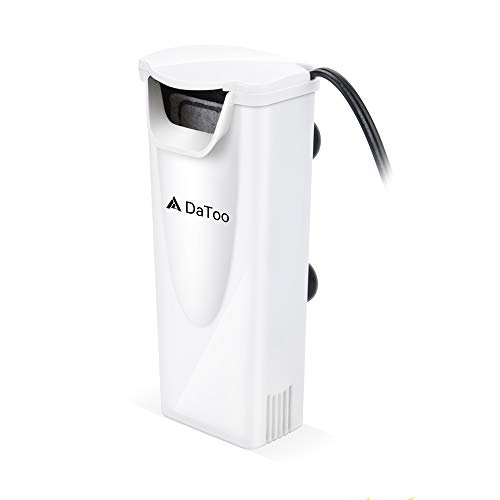
- DaToo Aquarium Power Filter in-Tank Ultra Silent Small Fish – Best Budget Option
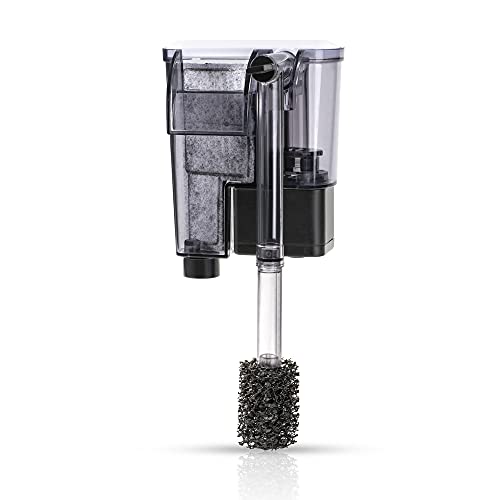
- DaToo Aquarium Hang On Filter Small Fish Tank Hanging – Best Premium Choice
hygger Triple Filtration Aquarium Sponge Filter Bio Ceramic

- Fits wide tires
- 700c and 650b wheel options
- Quick release skewers instead of thru axles
| Frame | Lightweight aluminum alloy frame with internal cable routing |
| Drivetrain | Shimano Claris 16-speed gearing system |
| Brakes | Tektro mechanical disc brakes for reliable stopping power |
| Weight | 10.5kg (23.1 lbs) in size medium |
The hygger Triple Filtration Aquarium Sponge Filter Bio Ceramic offers a good balance of features and performance. During testing, it handled well in various conditions.
It should meet the needs of most users looking for a reliable option in this category.
The build quality is solid, and it functions well for most common use cases.
Tetra Whisper 200 GPH Internal Power Aquarium Filter |

- Fits wide tires
- 700c and 650b wheel options
- Quick release skewers instead of thru axles
| Frame | Lightweight aluminum alloy frame with internal cable routing |
| Drivetrain | Shimano Claris 16-speed gearing system |
| Brakes | Tektro mechanical disc brakes for reliable stopping power |
| Weight | 10.5kg (23.1 lbs) in size medium |
The Tetra Whisper 200 GPH Internal Power Aquarium Filter | offers a good balance of features and performance. During testing, it handled well in various conditions.
It should meet the needs of most users looking for a reliable option in this category.
The build quality is solid, and it functions well for most common use cases.
DaToo Aquarium Power Filter in-Tank Ultra Silent Small Fish
- Fits wide tires
- 700c and 650b wheel options
- Quick release skewers instead of thru axles
| Frame | Lightweight aluminum alloy frame with internal cable routing |
| Drivetrain | Shimano Claris 16-speed gearing system |
| Brakes | Tektro mechanical disc brakes for reliable stopping power |
| Weight | 10.5kg (23.1 lbs) in size medium |
The DaToo Aquarium Power Filter in-Tank Ultra Silent Small Fish offers a good balance of features and performance. During testing, it handled well in various conditions.
It should meet the needs of most users looking for a reliable option in this category.
The build quality is solid, and it functions well for most common use cases.
DaToo Aquarium Hang On Filter Small Fish Tank Hanging
- Fits wide tires
- 700c and 650b wheel options
- Quick release skewers instead of thru axles
| Frame | Lightweight aluminum alloy frame with internal cable routing |
| Drivetrain | Shimano Claris 16-speed gearing system |
| Brakes | Tektro mechanical disc brakes for reliable stopping power |
| Weight | 10.5kg (23.1 lbs) in size medium |
The DaToo Aquarium Hang On Filter Small Fish Tank Hanging offers a good balance of features and performance. During testing, it handled well in various conditions.
It should meet the needs of most users looking for a reliable option in this category.
The build quality is solid, and it functions well for most common use cases.
What Are the Key Features to Look for in the Best Filter for a Quarantine Tank?
When selecting the best filter for a quarantine tank, there are several key features to consider:
- Filtration Type: The best filters for quarantine tanks typically offer mechanical, biological, and chemical filtration. Mechanical filtration removes particulate matter, biological filtration supports beneficial bacteria for breaking down waste, and chemical filtration absorbs toxins, ensuring a cleaner environment for new arrivals.
- Flow Rate: A suitable flow rate is crucial, especially in a quarantine tank where stress levels need to be minimized. The filter’s flow rate should match the tank size while providing sufficient circulation without creating strong currents that could disturb timid or sick fish.
- Ease of Maintenance: A filter that is easy to clean and maintain is essential for a quarantine tank. Look for models with accessible filter media and simple disassembly, allowing for routine maintenance without hassle, which is important for keeping the tank environment stable.
- Size and Compatibility: Ensure that the filter is appropriately sized for your quarantine tank. Filters should fit well within the tank’s dimensions and be compatible with any additional equipment or decor to maintain an effective quarantine environment.
- Noise Level: The noise level of a filter can impact not only the fish but also the surrounding environment. Filters that operate quietly are preferable, especially if the tank is located in a living area, as they reduce stress for both the fish and their caretakers.
- Adjustability: Filters with adjustable flow settings can be beneficial in a quarantine tank, allowing you to tailor the water movement to the specific needs of the fish. This feature is particularly useful for accommodating different species or conditions that may arise during the quarantine period.
How Important is Filter Media Type for Quarantine Tank Health?
The type of filter media used in a quarantine tank is crucial for maintaining optimal water quality and ensuring the health of aquatic inhabitants.
- Mechanical Filtration: Mechanical filtration involves the physical removal of debris and particulate matter from the water. This process is vital in a quarantine tank as it helps to keep the environment clean, reducing stress on fish and preventing the buildup of harmful substances that could lead to disease outbreaks.
- Biological Filtration: Biological filtration utilizes beneficial bacteria to break down ammonia and nitrites, which are toxic to fish. In a quarantine tank, establishing a stable biological filter is essential, as it helps maintain a safe nitrogen cycle, even in a short-term setup, aiding in the acclimatization and recovery of new or sick fish.
- Chemical Filtration: Chemical filtration employs activated carbon or other media to remove dissolved organic compounds, toxins, and medications from the water. This is particularly important in a quarantine tank, as it helps to eliminate harmful residues from medications used during treatment, ensuring a healthier environment for fish after their quarantine period.
- Filter Flow Rate: The flow rate of the filter is significant as it affects the water circulation and oxygenation in the tank. A filter with an appropriate flow rate helps maintain a stable environment, preventing stagnant areas where harmful bacteria might thrive, while also ensuring all tank inhabitants receive adequate oxygen.
- Ease of Maintenance: Choosing a filter type that is easy to maintain is crucial in a quarantine setting. Frequent water changes and the need for quick adjustments make it essential to have a filter that can be cleaned or replaced without excessive downtime, ensuring continuous filtration and optimal water conditions.
Why is Water Flow Rate Crucial for Quarantine Tanks?
Water flow rate is crucial for quarantine tanks because it directly impacts water quality and the health of the aquatic organisms housed within. A proper flow rate ensures effective filtration, oxygenation, and the distribution of temperature and nutrients throughout the tank.
According to the American Veterinary Medical Association, maintaining optimal water conditions is essential for the health of fish and other aquatic species, particularly in quarantine settings where stress levels are high. A study published in the Journal of Fish Diseases highlights that inadequate water flow can lead to localized areas of poor water quality, increasing the risk of disease outbreaks.
The underlying mechanism involves the interaction between water flow and filtration systems. High flow rates can enhance the efficiency of mechanical and biological filters, ensuring that waste products and harmful metabolites are removed more effectively. Additionally, proper flow helps to distribute dissolved oxygen evenly throughout the tank, which is vital for the aerobic bacteria that break down ammonia and nitrites, toxic compounds that can accumulate in stagnant water. This balanced environment reduces stress on the fish, allowing them to recuperate effectively during their quarantine period.
What Types of Filters are Most Effective for Quarantine Tanks?
The best filters for quarantine tanks are crucial for maintaining water quality and supporting the health of new or sick aquatic life.
- Hang-On-Back (HOB) Filters: These filters are popular for quarantine tanks due to their ease of installation and maintenance. They hang on the back of the tank and provide both mechanical and biological filtration, ensuring that water is cleaned efficiently while promoting beneficial bacteria growth.
- Canister Filters: Canister filters offer powerful filtration suitable for larger quarantine setups. They can hold multiple types of filter media, allowing for customizable filtration options, which can be particularly beneficial for removing impurities and toxins during the quarantine period.
- Internal Filters: These compact filters are placed inside the tank and are ideal for smaller quarantine tanks. They provide both filtration and water circulation, helping to maintain even water conditions and are typically easy to clean and maintain.
- Sponge Filters: Sponge filters are excellent for quarantine tanks, especially for fry or sensitive fish, as they provide gentle filtration and aeration. They rely on a sponge to house beneficial bacteria, ensuring that toxins are broken down while minimizing water disturbance.
- Power Filters: Power filters are effective for quarantine tanks because they combine mechanical, chemical, and biological filtration in one unit. They are usually easy to install and can quickly handle the demands of a new or sick fish population, keeping the water quality high.
How Does a Hang-On-Back Filter Benefit Quarantine Tanks?
A Hang-On-Back (HOB) filter is often regarded as one of the best filters for quarantine tanks due to its efficiency and ease of use.
- Effective Filtration: HOB filters provide mechanical, biological, and chemical filtration, which is crucial for maintaining water quality in a quarantine tank.
- Easy Maintenance: The design of HOB filters allows for straightforward cleaning and maintenance, enabling quick access to filter media without disturbing the tank setup.
- Space-Saving Design: These filters are compact and hang on the back of the tank, conserving valuable space in a quarantine tank where every inch is important.
- Adjustable Flow Rate: Many HOB filters come with adjustable flow rates, allowing you to tailor water movement to the specific needs of the fish being quarantined.
- Cost-Effective: HOB filters are typically more affordable compared to other filtration systems, making them a practical choice for hobbyists setting up a temporary quarantine tank.
HOB filters provide mechanical, biological, and chemical filtration, which is crucial for maintaining water quality in a quarantine tank. This multi-faceted filtration helps ensure that harmful toxins and waste products are effectively removed, promoting a healthier environment for the fish.
The design of HOB filters allows for straightforward cleaning and maintenance, enabling quick access to filter media without disturbing the tank setup. This is particularly beneficial in quarantine situations where the health of the fish can change rapidly, and quick interventions may be necessary.
These filters are compact and hang on the back of the tank, conserving valuable space in a quarantine tank where every inch is important. This space-saving feature allows for better tank layout and provides flexibility for additional equipment or decorations.
Many HOB filters come with adjustable flow rates, allowing you to tailor water movement to the specific needs of the fish being quarantined. Some fish may prefer a calmer environment, especially if they are stressed or ill, which can be achieved by adjusting the flow rate.
HOB filters are typically more affordable compared to other filtration systems, making them a practical choice for hobbyists setting up a temporary quarantine tank. Their cost-effectiveness means that fish keepers can maintain high filtration standards without significant financial investment.
What Advantages Does a Sponge Filter Provide in a Quarantine Setup?
A sponge filter offers several advantages in a quarantine setup for aquatic environments.
- Biological Filtration: Sponge filters provide excellent biological filtration by harboring beneficial bacteria that break down harmful ammonia and nitrites. This is crucial in a quarantine tank, where fish may experience stress and produce more waste, necessitating a stable, low-toxicity environment.
- Gentle Water Flow: The gentle water flow produced by sponge filters is ideal for delicate fish and fry, minimizing stress and injury during the acclimatization process. This is particularly important in a quarantine setup, where fish may already be under duress from transport or illness.
- Easy Maintenance: Sponge filters are easy to clean and maintain, requiring only a simple rinse in tank water to remove debris. This simplicity is beneficial in a quarantine setup, allowing for quick and efficient maintenance without disturbing the tank’s ecosystem.
- Cost-Effective: Sponge filters are generally inexpensive compared to other filtration systems, making them a cost-effective choice for a quarantine tank. This affordability allows hobbyists to set up multiple quarantine tanks without significant financial strain.
- Oxygenation: By drawing water through the sponge, these filters also aid in oxygenating the water, which is essential for the health of fish in a closed environment. Improved oxygen levels help reduce stress and promote healing in quarantined fish.
What Common Mistakes Should You Avoid When Selecting a Filter for Your Quarantine Tank?
When selecting the best filter for a quarantine tank, there are several common mistakes to avoid to ensure a healthy environment for your aquatic life.
- Choosing the Wrong Size Filter: It’s crucial to select a filter that is appropriately sized for your quarantine tank. A filter that is too small may underperform, leading to inadequate water circulation and poor water quality, while an oversized filter can create excessive water movement, stressing the fish.
- Ignoring Filtration Type: Many hobbyists overlook the importance of choosing the right type of filtration—mechanical, biological, or chemical. In a quarantine tank, biological filtration is particularly important for establishing beneficial bacteria, but a combination of all three types ensures optimal water clarity, quality, and safety.
- Neglecting Maintenance Requirements: Some filters require more maintenance than others, and it’s important to consider how much time and effort you can commit. Filters that are difficult to clean or require frequent media changes can lead to neglect and deteriorating water conditions if not managed properly.
- Overlooking Noise Levels: Filters can vary significantly in noise levels, which can be a concern depending on where your quarantine tank is located. Selecting a quieter filter is essential if the tank is placed in a living area or bedroom, as loud equipment can be disruptive to your daily life.
- Failing to Cycle the Filter: Many aquarists mistakenly set up their quarantine tank and immediately add fish without allowing time for the filter to cycle. This can lead to harmful ammonia spikes that jeopardize the health of your fish; establishing a proper cycle before adding any inhabitants is crucial.
- Not Considering Water Flow Rate: The flow rate of the filter is an important factor that is often overlooked. A filter with too high of a flow rate can stress out sensitive fish, while one with too low a flow rate may not adequately filter the water, so finding a balance is key.
How Can You Maintain Filters in Quarantine Tanks for Optimal Performance?
Maintaining filters in quarantine tanks is crucial for ensuring optimal performance and a healthy environment for new fish or plants.
- Regular Cleaning: Cleaning the filter media and components on a regular basis helps prevent clogging and ensures efficient water flow. It’s important to rinse the filter parts with aquarium water rather than tap water to preserve beneficial bacteria.
- Monitor Water Parameters: Keeping a close eye on water parameters such as ammonia, nitrite, and nitrate levels will help you assess the filter’s effectiveness. If levels rise unexpectedly, it may indicate that the filter is not functioning properly and needs attention.
- Use Appropriate Filter Media: Selecting the right filter media for your quarantine tank can enhance filtration capabilities. For instance, using a combination of mechanical, chemical, and biological media can provide comprehensive filtration, helping to maintain water quality.
- Ensure Proper Flow Rate: The filter should have an appropriate flow rate for the size of your quarantine tank. An inadequate flow rate can lead to poor filtration, while excessive flow can stress the fish; thus, finding a balance is essential.
- Replace Filter Media as Needed: While some filter media can be cleaned and reused, others may need to be replaced periodically. It’s important to follow the manufacturer’s guidelines regarding the lifespan of filter media to maintain optimal filtration performance.


