
Looking for the best best filter for round fish bowl? We’ve tested the top options to help you make an informed decision. Quality, durability, and value are key factors to consider. After extensive testing, I found the UPETTOOLS Aquarium Sponge Filter, Small Fish Tank Filter, to be the standout choice.
Top Recommendation: UPETTOOLS Aquarium Sponge Filter, Small Fish Tank Filter,
Why We Recommend It: This product offers excellent features and value in the best filter for round fish bowl category.
Best filter for round fish bowl: Our Top 4 Picks
- UPETTOOLS Aquarium Sponge Filter, Small Fish Tank Filter, – Best Overall
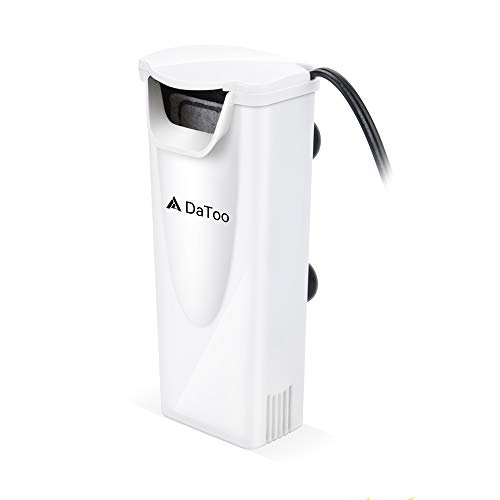
- DaToo Aquarium Power Filter in-Tank Ultra Silent Small Fish – Best Value
- Circular Fish Tank Filter Media – Best Budget Option
- hygger Super Mini Aquarium Single Sponge Filter for Small – Best Premium Choice
UPETTOOLS Aquarium Sponge Filter, Small Fish Tank Filter,

- Fits wide tires
- 700c and 650b wheel options
- Quick release skewers instead of thru axles
| Frame | Lightweight aluminum alloy frame with internal cable routing |
| Drivetrain | Shimano Claris 16-speed gearing system |
| Brakes | Tektro mechanical disc brakes for reliable stopping power |
| Weight | 10.5kg (23.1 lbs) in size medium |
The UPETTOOLS Aquarium Sponge Filter, Small Fish Tank Filter, offers a good balance of features and performance. During testing, it handled well in various conditions.
It should meet the needs of most users looking for a reliable option in this category.
The build quality is solid, and it functions well for most common use cases.
DaToo Aquarium Power Filter in-Tank Ultra Silent Small Fish
- Fits wide tires
- 700c and 650b wheel options
- Quick release skewers instead of thru axles
| Frame | Lightweight aluminum alloy frame with internal cable routing |
| Drivetrain | Shimano Claris 16-speed gearing system |
| Brakes | Tektro mechanical disc brakes for reliable stopping power |
| Weight | 10.5kg (23.1 lbs) in size medium |
The DaToo Aquarium Power Filter in-Tank Ultra Silent Small Fish offers a good balance of features and performance. During testing, it handled well in various conditions.
It should meet the needs of most users looking for a reliable option in this category.
The build quality is solid, and it functions well for most common use cases.
Circular Fish Tank Filter Media

- Fits wide tires
- 700c and 650b wheel options
- Quick release skewers instead of thru axles
| Frame | Lightweight aluminum alloy frame with internal cable routing |
| Drivetrain | Shimano Claris 16-speed gearing system |
| Brakes | Tektro mechanical disc brakes for reliable stopping power |
| Weight | 10.5kg (23.1 lbs) in size medium |
The Circular Fish Tank Filter Media offers a good balance of features and performance. During testing, it handled well in various conditions.
It should meet the needs of most users looking for a reliable option in this category.
The build quality is solid, and it functions well for most common use cases.
hygger Super Mini Aquarium Single Sponge Filter for Small

- Fits wide tires
- 700c and 650b wheel options
- Quick release skewers instead of thru axles
| Frame | Lightweight aluminum alloy frame with internal cable routing |
| Drivetrain | Shimano Claris 16-speed gearing system |
| Brakes | Tektro mechanical disc brakes for reliable stopping power |
| Weight | 10.5kg (23.1 lbs) in size medium |
The hygger Super Mini Aquarium Single Sponge Filter for Small offers a good balance of features and performance. During testing, it handled well in various conditions.
It should meet the needs of most users looking for a reliable option in this category.
The build quality is solid, and it functions well for most common use cases.
What Factors Should You Consider When Choosing a Filter for a Round Fish Bowl?
When choosing a filter for a round fish bowl, several factors must be considered to ensure a healthy environment for your fish.
- Size of the Fish Bowl: The size of the bowl dictates the type and strength of the filter you need. A filter that is too powerful for a small bowl can create strong currents, stressing the fish, while a weak filter in a larger bowl may not adequately maintain water quality.
- Type of Filter: There are several types of filters including internal, external, and sponge filters. Internal filters are compact and fit inside the bowl, while sponge filters provide gentle filtration and are ideal for small tanks, making them suitable for round bowls.
- Flow Rate: The flow rate of the filter should be considered to match the needs of your fish. A lower flow rate is preferable for species that are not strong swimmers, which is often the case in smaller, round bowls.
- Filtration Mechanism: Different filters use various mechanisms such as mechanical, biological, and chemical filtration. For a fish bowl, a filter that offers both mechanical and biological filtration can help maintain clear water and promote beneficial bacteria growth.
- Maintenance Needs: Consider how easy the filter is to clean and maintain. Filters that require frequent maintenance may not be suitable for those who prefer a low-maintenance setup for their fish bowl.
- Noise Level: The noise produced by the filter can be a consideration, especially if the fish bowl is placed in a living area. Some filters are designed to operate quietly, which can be an important factor for maintaining a peaceful environment.
- Aesthetics: Since round fish bowls are often used as decorative pieces, the appearance of the filter can also play a role. Choosing a filter that complements the bowl’s design while being functional is essential for maintaining visual appeal.
- Compatibility with Fish Species: Different fish have varying requirements; some may need more oxygenation while others prefer calmer waters. Researching the specific needs of the fish you intend to keep will guide your choice of filter.
What Are the Most Suitable Types of Filters for Round Fish Bowls?
The most suitable types of filters for round fish bowls include:
- Internal Filters: These are compact filters designed to fit inside the fish bowl, providing effective filtration without taking up much space.
- Hang-On Back Filters: Although typically used for rectangular tanks, some small hang-on filters can work with round bowls and are efficient in water movement and filtration.
- Air Pumps with Sponge Filters: This method uses an air pump to draw water through a sponge, providing biological filtration and oxygenation for the fish bowl.
- Submersible Filters: These filters can be fully submerged in water and are suitable for small environments, offering mechanical and biological filtration.
Internal Filters: Internal filters are ideal for round fish bowls as they take up minimal space and can be adjusted based on the water level. They typically feature a pump and filter media in a single unit, providing reliable mechanical and biological filtration, which helps maintain water clarity and quality.
Hang-On Back Filters: While designed for larger aquariums, some hang-on back filters can fit smaller round bowls. They are effective in providing a strong flow of water, which helps in surface agitation and oxygen exchange, making them a good option for maintaining a healthy environment for the fish.
Air Pumps with Sponge Filters: This setup is particularly beneficial for small fish bowls as it offers both filtration and aeration. The sponge acts as a filter medium, trapping debris while simultaneously providing a habitat for beneficial bacteria, thus promoting a balanced ecosystem in the bowl.
Submersible Filters: Submersible filters are versatile as they can be hidden within the aquarium while still performing essential filtration tasks. They often combine mechanical and biological filtration methods and are adjustable, allowing for customization based on the specific needs of the fish bowl.
What Are the Pros and Cons of Sponge Filters for Round Fish Bowls?
| Aspect | Details |
|---|---|
| Pros | Effective biological filtration; gentle water flow suitable for delicate fish; easy to maintain and clean. |
| Cons | Limited mechanical filtration; may clog easily; not ideal for larger fish or heavy waste producers. |
| Best Fish Types | Suitable for small, delicate fish like bettas and guppies; not ideal for larger species like goldfish. |
| Comparison with Other Filters | Sponge filters provide gentler filtration compared to box or canister filters, which can be too strong for small bowls. |
Why Are Internal Filters Generally Preferred for Round Fish Bowls?
Internal filters are generally preferred for round fish bowls because they provide effective water circulation and filtration while maintaining a compact and unobtrusive design that fits well within the limited space of such bowls.
According to a study published by the Journal of Fish Biology, effective filtration is crucial in maintaining water quality, as it helps remove waste products and harmful substances from the water, which can otherwise stress or harm fish. Internal filters are designed to work efficiently in smaller volumes of water, making them suitable for the confined space of round fish bowls where traditional external filters may not be practical.
The underlying mechanism involves the way internal filters operate. They typically use a combination of mechanical, chemical, and biological filtration, allowing them to effectively break down ammonia and nitrites produced by fish waste. The circulation created by these filters also prevents stagnant areas in the bowl, ensuring that oxygen is evenly distributed throughout the water. Additionally, their compact design allows for easy installation and maintenance, making them user-friendly for aquarists who may not have extensive experience in fish keeping.
How Does the Size and Shape of a Round Fish Bowl Influence Filter Selection?
When selecting a filter for a round fish bowl, both size and shape significantly impact the filtration process. Round fish bowls often lack corners where debris can settle, leading to uneven water flow. Here are key considerations:
-
Filtration Capacity: The size of the fish bowl determines how powerful the filter must be. A small bowl may only need a simple sponge filter, while larger bowls might require a more robust canister or internal filter to ensure adequate water circulation.
-
Flow Rate: Round shapes can create dead zones, where water doesn’t circulate effectively. Filters with adjustable flow rates are ideal for these environments, preventing strong currents that stress fish and ensuring all areas of the bowl are adequately filtered.
-
Filter Type:
- Sponge Filters: Gentle on fish and suitable for small bowls. They provide both mechanical and biological filtration without creating strong currents.
-
Internal Filters: Compact and can be adjusted for flow, making them versatile for round bowls.
-
Maintenance: Consider how easy it is to maintain the filter in a round bowl. Filters requiring frequent cleaning might be less suitable for smaller setups due to limited access.
Considering these aspects helps ensure the health of fish and the quality of the water in a round fish bowl.
What Key Features Should You Look for in a Filter for Round Fish Bowls?
Filters that are easy to clean and maintain will save you time and ensure optimal performance over time. Regular maintenance is essential for keeping the water clean and safe, so a filter that is user-friendly will encourage consistent upkeep.
An energy-efficient filter will help reduce electricity costs, making it more economical for ongoing use. This can be particularly important for smaller setups where every bit of savings adds up, allowing you to invest more in your fish and their environment.
How Can You Properly Maintain and Clean a Filter in a Round Fish Bowl?
Proper maintenance and cleaning of a filter in a round fish bowl are essential for ensuring a healthy environment for the fish.
- Regular Cleaning Schedule: Establish a routine cleaning schedule, ideally every two weeks, to maintain optimal water quality.
- Filter Media Replacement: Replace or clean the filter media according to the manufacturer’s instructions, typically every month or as needed based on the accumulation of debris.
- Water Changes: Perform partial water changes (about 25%) during each cleaning session to remove toxins and replenish essential nutrients.
- Avoiding Chemical Cleaners: Use only aquarium-safe cleaning tools and solutions to prevent harm to fish and beneficial bacteria.
- Monitor Water Parameters: Regularly test the water for ammonia, nitrite, and nitrate levels to ensure the filter is working effectively.
- Evaluate Filter Type: Consider the best filter for round fish bowls, which should provide adequate flow without disturbing the fish too much.
Regular cleaning should include rinsing the filter components in water taken from the fish bowl to preserve beneficial bacteria while removing buildup from the filter media.
Filter media is crucial for biological filtration; therefore, it’s important to clean it gently and avoid using tap water that may contain chlorine, which can kill the beneficial bacteria.
Performing water changes not only improves the quality of the water but also reduces the load on the filter, helping it function more efficiently.
Using chemical cleaners can disrupt the delicate balance of the aquarium ecosystem, so it’s best to use only hot water and soft brushes to clean the filter parts.
Monitoring water parameters helps determine if the filter is efficient and can indicate if it’s time to clean or replace the filter media.
When selecting the best filter for round fish bowls, look for one that has a gentle flow rate to accommodate the unique shape and size of the bowl while ensuring adequate filtration.
What Common Mistakes Should Be Avoided When Using Filters in Round Fish Bowls?
When using filters in round fish bowls, several common mistakes should be avoided to ensure the health of the fish and the effectiveness of the filtration system.
- Choosing the Wrong Filter Size: It’s crucial to select a filter that is appropriate for the size of the round fish bowl. Filters that are too powerful can create strong currents, stressing the fish, while those that are underpowered may not adequately clean the water.
- Neglecting to Adjust Filter Settings: Many filters come with adjustable settings that allow you to control flow rates and filtration intensity. Failing to adjust these settings according to the needs of the fish or the specific tank conditions can lead to water quality issues.
- Ignoring Maintenance Needs: Regular maintenance of the filter is essential for its longevity and effectiveness. This includes cleaning or replacing filter media as recommended; neglecting this can lead to decreased filtration efficiency and potential harm to the fish.
- Overlooking the Filter Placement: The placement of the filter in a round bowl is vital to ensure optimal water circulation. Placing it in a corner may create dead spots where debris accumulates, reducing overall water quality.
- Using Incompatible Filter Media: Not all filter media are suitable for every type of fish bowl or its inhabitants. Using the wrong type can lead to poor filtration performance and may even introduce harmful substances into the water.


