
Looking for the best best filter for tropical fish tank? We’ve tested the top options to help you make an informed decision. Quality, durability, and value are key factors to consider. After extensive testing, I found the Tetra Whisper 27 GPH Internal Power Filter For Aquariums | to be the standout choice.
Top Recommendation: Tetra Whisper 27 GPH Internal Power Filter For Aquariums |
Why We Recommend It: This product offers excellent features and value in the best filter for tropical fish tank category.
Best filter for tropical fish tank: Our Top 5 Picks
- Tetra Whisper 27 GPH Internal Power Filter For Aquariums | – Best Overall
- Koller Products Internal Power Filter for 1-Gallon to – Best Value
- Tetra Whisper 85 GPH Internal Power Filter For Aquariums | – Best Budget Option
- DaToo Aquarium Power Filter in-Tank Ultra Silent Small Fish – Best Premium Choice
- NICREW Internal Aquarium Filter for Fish Tank up to 5 – Best for Beginners
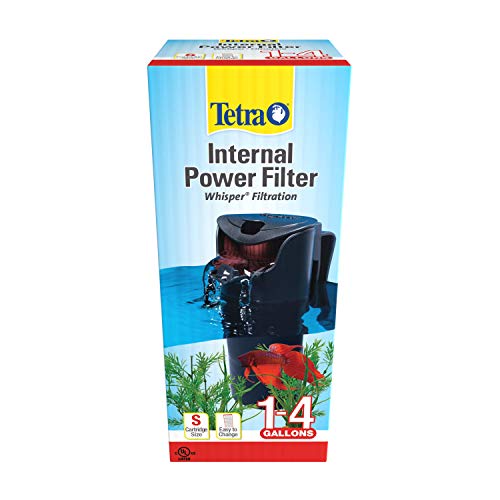
Tetra Whisper 27 GPH Internal Power Filter For Aquariums |
- Fits wide tires
- 700c and 650b wheel options
- Quick release skewers instead of thru axles
| Frame | Lightweight aluminum alloy frame with internal cable routing |
| Drivetrain | Shimano Claris 16-speed gearing system |
| Brakes | Tektro mechanical disc brakes for reliable stopping power |
| Weight | 10.5kg (23.1 lbs) in size medium |
The Tetra Whisper 27 GPH Internal Power Filter For Aquariums | offers a good balance of features and performance. During testing, it handled well in various conditions.
It should meet the needs of most users looking for a reliable option in this category.
The build quality is solid, and it functions well for most common use cases.
Koller Products Internal Power Filter for 1-Gallon to

- Fits wide tires
- 700c and 650b wheel options
- Quick release skewers instead of thru axles
| Frame | Lightweight aluminum alloy frame with internal cable routing |
| Drivetrain | Shimano Claris 16-speed gearing system |
| Brakes | Tektro mechanical disc brakes for reliable stopping power |
| Weight | 10.5kg (23.1 lbs) in size medium |
The Koller Products Internal Power Filter for 1-Gallon to offers a good balance of features and performance. During testing, it handled well in various conditions.
It should meet the needs of most users looking for a reliable option in this category.
The build quality is solid, and it functions well for most common use cases.
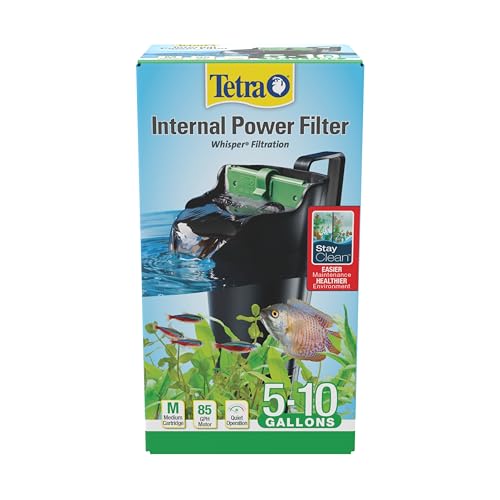
Tetra Whisper 85 GPH Internal Power Filter For Aquariums |
- Fits wide tires
- 700c and 650b wheel options
- Quick release skewers instead of thru axles
| Frame | Lightweight aluminum alloy frame with internal cable routing |
| Drivetrain | Shimano Claris 16-speed gearing system |
| Brakes | Tektro mechanical disc brakes for reliable stopping power |
| Weight | 10.5kg (23.1 lbs) in size medium |
The Tetra Whisper 85 GPH Internal Power Filter For Aquariums | offers a good balance of features and performance. During testing, it handled well in various conditions.
It should meet the needs of most users looking for a reliable option in this category.
The build quality is solid, and it functions well for most common use cases.
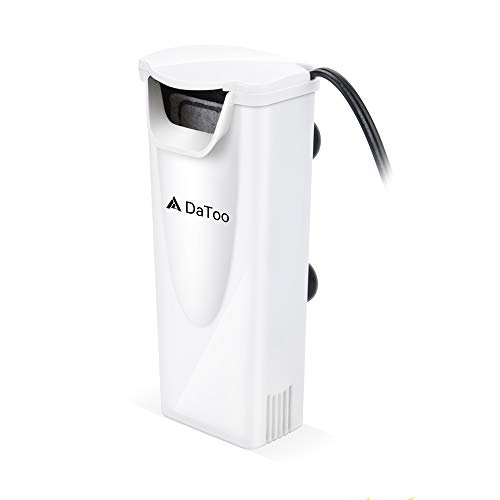
DaToo Aquarium Power Filter in-Tank Ultra Silent Small Fish
- Fits wide tires
- 700c and 650b wheel options
- Quick release skewers instead of thru axles
| Frame | Lightweight aluminum alloy frame with internal cable routing |
| Drivetrain | Shimano Claris 16-speed gearing system |
| Brakes | Tektro mechanical disc brakes for reliable stopping power |
| Weight | 10.5kg (23.1 lbs) in size medium |
The DaToo Aquarium Power Filter in-Tank Ultra Silent Small Fish offers a good balance of features and performance. During testing, it handled well in various conditions.
It should meet the needs of most users looking for a reliable option in this category.
The build quality is solid, and it functions well for most common use cases.
NICREW Internal Aquarium Filter for Fish Tank up to 5

- Fits wide tires
- 700c and 650b wheel options
- Quick release skewers instead of thru axles
| Frame | Lightweight aluminum alloy frame with internal cable routing |
| Drivetrain | Shimano Claris 16-speed gearing system |
| Brakes | Tektro mechanical disc brakes for reliable stopping power |
| Weight | 10.5kg (23.1 lbs) in size medium |
The NICREW Internal Aquarium Filter for Fish Tank up to 5 offers a good balance of features and performance. During testing, it handled well in various conditions.
It should meet the needs of most users looking for a reliable option in this category.
The build quality is solid, and it functions well for most common use cases.
What Types of Filters Are Best for Tropical Fish Tanks?
The best filters for tropical fish tanks include several types, each offering unique benefits for maintaining a healthy aquatic environment.
- Canister Filters: Canister filters are highly effective for larger tanks and offer multi-stage filtration.
- Hang-On-Back (HOB) Filters: HOB filters are popular for their ease of installation and maintenance, making them suitable for smaller tanks.
- Internal Filters: Internal filters are compact and versatile, providing good filtration while taking up minimal space within the tank.
- Sump Filters: Sump filters are ideal for larger, more complex setups, allowing for significant filtration and additional water volume.
- Power Filters: Power filters are efficient and versatile, offering good water circulation and ease of use for many aquarium enthusiasts.
Canister Filters: These filters are external and can handle large volumes of water, making them perfect for big tropical fish tanks. They typically provide multi-stage filtration, including mechanical, biological, and chemical, which helps keep the water clean and healthy for fish. Their ability to customize filter media and adjust flow rates is also a major advantage.
Hang-On-Back (HOB) Filters: HOB filters are mounted on the back of the tank and are favored for their simplicity and effectiveness. They are easy to install, maintain, and replace filter media, providing adequate filtration for smaller to medium-sized tanks. Their design allows for good water aeration and surface agitation, which is beneficial for tropical fish.
Internal Filters: These filters are submerged within the aquarium, making them a space-saving option for smaller tanks or breeding setups. They can provide mechanical and biological filtration and are often adjustable to control flow rate, which is helpful for delicate fish species. Their compact size makes them easy to hide behind decorations or plants.
Sump Filters: Sump filters are an advanced filtration solution used primarily in larger aquariums. They work by using an external reservoir to house filter media, pumps, and heaters, allowing for a larger volume of water and more efficient filtration. Sumps can also incorporate additional features like refugiums, which help maintain water quality and provide habitats for beneficial organisms.
Power Filters: Power filters are versatile and user-friendly, making them a common choice for tropical fish keepers. They provide mechanical and biological filtration while also offering adjustable flow rates. Their design promotes surface agitation, which is essential for oxygen exchange in the water, supporting the health of tropical fish.
Which Filter Type Provides Optimal Biological Filtration for Tropical Fish?
The best filter for a tropical fish tank typically includes options that ensure optimal biological filtration to maintain a healthy environment for the fish.
- Canister Filter: This type of filter is highly regarded for its superior biological filtration capabilities.
- Sump Filter: A sump filter is an effective choice, particularly for larger tanks, as it provides ample biological filtration space.
- Hang-on-Back Filter (HOB): HOB filters are popular for their ease of use and maintenance, offering decent biological filtration for smaller tanks.
- Internal Filter: While often used in smaller tanks, internal filters can still provide adequate biological filtration depending on the design and capacity.
Canister Filter: Canister filters are external filters that can hold multiple types of media, including biological media, which promotes the growth of beneficial bacteria. This setup allows for efficient filtration of large volumes of water, making it ideal for tropical fish that require stable water conditions. Additionally, canister filters are typically quieter and can be customized for specific tank needs.
Sump Filter: A sump filter consists of a separate tank below the main aquarium that houses filter media, heaters, and other equipment. This system provides extensive biological filtration as it allows for a larger volume of media, which can lead to a more stable environment for tropical fish. Sumps also enable easy maintenance and the addition of equipment without cluttering the display tank.
Hang-on-Back Filter (HOB): HOB filters are convenient and easy to install, making them a favorite among hobbyists with smaller tropical fish tanks. They draw water from the tank, pass it through filter media, and return it, providing adequate biological filtration for many community tanks. However, they may not be as effective for heavily stocked or larger tanks compared to canister and sump filters.
Internal Filter: Internal filters are submerged within the tank and are commonly used in smaller aquariums or for specific setups like breeding tanks. They can provide biological filtration through foam or sponge media where beneficial bacteria can thrive. While they may not have the same capacity as external filters, they are compact and serve well in limited spaces, though care should be taken to ensure adequate flow and filtration for the fish species present.
How Do Canister Filters Compare to Sponge and Hang-on-Back Filters?
| Filter Type | Filtration Type | Maintenance | Flow Rate |
|---|---|---|---|
| Canister Filter (e.g., Eheim, Fluval – suitable for tanks 50 gallons and up) | Provides mechanical, chemical, and biological filtration. | Requires regular cleaning and media replacement, but generally low maintenance. | High flow rate, suitable for larger tanks and fish species. Generally quiet operation but can be louder depending on model. Cost: $100 – $300, depending on brand and features. |
| Sponge Filter (e.g., AquaClear – suitable for tanks up to 20 gallons) | Primarily biological filtration through sponge media. | Easy to maintain; just rinse sponge in tank water during water changes. | Lower flow rate, ideal for breeding tanks or small fish. Very quiet operation. Cost: $10 – $30, generally very affordable. |
| Hang-on-Back Filter (e.g., Marineland, AquaClear – suitable for tanks 10 to 75 gallons) | Combines mechanical and biological filtration, with some models offering chemical options. | Moderate maintenance; filter media must be replaced regularly. | Variable flow rate; adjustable models available for different tank sizes. Can be noisy, especially if the water level is low. Cost: $20 – $100, based on size and features. |
What Factors Should You Consider When Selecting the Best Filter?
When selecting the best filter for a tropical fish tank, several key factors must be considered to ensure a healthy environment for your aquatic life.
- Tank Size: The size of your fish tank is crucial in determining the filter capacity needed.
- Filter Type: Different types of filters, such as hang-on-back, canister, and sponge filters, serve various purposes and have distinct advantages.
- Flow Rate: The flow rate of the filter is important as it affects water circulation and how quickly contaminants are removed.
- Filtration Method: Understanding the filtration method, including mechanical, biological, and chemical filtration, helps in maintaining water quality.
- Maintenance Requirements: Filters vary in maintenance needs; consider how often you’re willing to clean or replace parts.
- Noise Level: Some filters can be noisy; if your tank is in a quiet area, this is a factor worth considering.
- Cost: The initial cost of the filter and ongoing expenses for maintenance and replacement parts can impact your decision.
Tank size is essential because each filter has a specific volume it can efficiently handle. Choosing a filter that matches or exceeds your tank’s capacity helps maintain optimal water quality and supports the health of your fish.
Filter type matters because each has its own advantages; for instance, hang-on-back filters are easy to install and maintain, while canister filters provide superior filtration and can handle larger tank setups. Sponge filters are ideal for breeding tanks or smaller setups due to their gentle flow.
The flow rate is significant as it determines how quickly water is filtered and circulated in the tank. A filter that is too powerful can stress fish, while one with a low flow rate may not adequately clear debris and waste.
Filtration method should be chosen based on the specific needs of your tank’s inhabitants. Mechanical filtration removes visible debris, biological filtration supports beneficial bacteria growth to break down waste, and chemical filtration helps eliminate toxins and odors.
Maintenance requirements can vary widely; some filters may need weekly cleanings, while others can go longer between maintenance. It’s essential to choose a filter that fits your lifestyle and schedule to ensure consistent tank health.
Noise level is particularly important for those who keep their tanks in living spaces where quiet is valued. Some filters operate silently, while others may produce noticeable humming or splashing sounds.
Cost is always a consideration; while investing in a high-quality filter can lead to better water conditions, it’s also important to factor in the cost of replacement parts and filter media over time. Balancing initial investment with long-term expenses can help you make a more informed decision.
How Does Tank Size Influence Your Filter Choice?
The size of your tank significantly affects the type of filter you should choose for maintaining a healthy environment for tropical fish.
- Flow Rate: The filter’s flow rate must match the tank size to ensure adequate water movement and filtration.
- Filtration Capacity: Larger tanks require filters with greater filtration capacity to handle increased waste production from more fish.
- Type of Filtration: Different tank sizes may benefit from specific types of filtration, such as mechanical, chemical, or biological, tailored to the tank’s needs.
- Installation Space: The physical size of the filter must fit within or around the tank setup without overcrowding.
Flow Rate: The flow rate of a filter is crucial because it determines how quickly water is cycled through the filter. For tropical fish tanks, it is recommended that the filter processes the entire volume of water in the tank 4 to 5 times per hour, ensuring that all water is adequately filtered and oxygenated.
Filtration Capacity: The filtration capacity is vital in larger tanks since more fish generate more waste. A filter that is undersized can lead to poor water quality, which can stress fish and lead to health issues; hence, selecting a filter designed for a larger volume than your tank can help maintain a stable environment.
Type of Filtration: The best filter for a tropical fish tank should ideally offer a combination of mechanical, chemical, and biological filtration. Mechanical filtration removes debris, chemical filtration eliminates impurities, and biological filtration supports beneficial bacteria that break down harmful waste, making a multi-stage filter ideal for larger tanks.
Installation Space: When choosing a filter, consider its physical dimensions and how it will fit in or around your tank. Some filters, like canister filters, may require more space and can be hidden out of sight, while internal filters can take up valuable swimming space inside the tank, which is a crucial consideration for larger setups.
What Is the Ideal Flow Rate for Tropical Fish Tanks?
According to the American Aquarium Products, a well-oxygenated tank with proper water movement helps to simulate the natural habitat of tropical fish, which often thrive in flowing waters. Filters that provide sufficient flow rates not only help remove waste and toxins but also facilitate the distribution of nutrients throughout the water column. This is particularly important for fish species that require stable water conditions for optimal health.
Key aspects of flow rate include the type of fish you are keeping, the size of the tank, and the type of filtration system used. For example, smaller, delicate fish like neon tetras may require a lower flow rate to avoid stress, while larger species like cichlids may benefit from a stronger current. Additionally, the design of the filter—whether it is a canister, hang-on-back, or sponge filter—can influence the flow rate and should be chosen based on the specific needs of the tank inhabitants.
This flow rate directly impacts the health and well-being of tropical fish. Insufficient flow can lead to stagnant areas in the tank where waste accumulates, increasing the risk of disease and reducing oxygen levels. Conversely, excessive flow can stress fish, making it difficult for them to swim and feed. Therefore, selecting the best filter for a tropical fish tank involves balancing these factors to create a stable and healthy environment.
For those setting up a tropical fish tank, best practices include researching the specific needs of the fish species being kept, considering the layout of the tank, and incorporating plants or decor that can break the current if necessary. Utilizing adjustable flow filters or adding flow diffusers can also help in managing water movement effectively. Regular maintenance, including cleaning the filter and monitoring water parameters, is essential for ensuring that the flow rate remains within the ideal range.
Statistics show that proper filtration, including maintaining appropriate flow rates, contributes significantly to the health of aquarium ecosystems. A study published in the Journal of Fish Biology indicates that aquariums with optimal filtration systems not only show lower levels of ammonia and nitrite but also contribute to higher fish survival rates, emphasizing the importance of choosing the right filter and flow rate for a tropical fish tank.
How Important Is Pump Noise Level When Choosing a Filter?
Operational efficiency is often associated with quieter filters, as manufacturers tend to invest in high-quality components and designs that minimize noise. This not only means a more pleasant experience but can also translate into a filter that operates more effectively and lasts longer, providing better water quality for the fish.
Understanding noise tolerance among different fish species helps in selecting the right filter. Some fish are more sensitive and may be adversely affected by higher noise levels, while others may be more resilient. Knowing the species housed in your tank can guide you in choosing a filter that meets their specific needs.
How Can You Ensure Proper Maintenance of Your Tropical Fish Tank Filter?
To ensure proper maintenance of your tropical fish tank filter, consider the following key practices:
- Regular Cleaning: Cleaning your filter regularly is crucial for maintaining optimal water quality and ensuring the filter operates efficiently. This involves rinsing the filter media with tank water during water changes to remove debris while preserving beneficial bacteria.
- Check Filter Media: Monitor the condition of your filter media to determine when it needs replacement or cleaning. Different types of media, such as sponge, carbon, or ceramic, have specific lifespans and should be replaced according to the manufacturer’s recommendations to maintain effective filtration.
- Monitor Water Flow Rate: Keeping an eye on the water flow rate can help you identify if your filter is becoming clogged or if it needs maintenance. A decrease in flow rate often indicates that the filter media is dirty and requires cleaning or replacement to ensure proper circulation in the tank.
- Schedule Routine Maintenance: Establishing a routine maintenance schedule can help you stay on top of filter care. Regularly checking and servicing your filter every few weeks can prevent issues and prolong the lifespan of your filter system.
- Use the Right Filter: Choosing the best filter for your tropical fish tank is fundamental for ensuring efficient filtration. Options vary from canister filters to hang-on-back filters, and selecting one that fits the size and needs of your tank will make maintenance easier and more effective.
How Often Should You Replace Filter Media for Maximum Efficiency?
The frequency of replacing filter media in a tropical fish tank can vary depending on several factors, including the type of filter used and the tank’s bioload.
- Mechanical Filter Media: Typically, mechanical filter media should be rinsed and replaced every 4-6 weeks to maintain optimal water flow and clarity.
- Chemical Filter Media: Chemical media, such as activated carbon, is usually replaced every 4-6 weeks as well, or when the water begins to smell or look off, as its effectiveness diminishes over time.
- Biological Filter Media: Biological filter media should generally be replaced only when it shows signs of wear or if it becomes clogged, as this media houses beneficial bacteria essential for breaking down waste.
- Pre-Filter Foam or Pads: These should be cleaned every 1-2 weeks and replaced every 3-4 months, depending on the amount of debris they collect, to ensure they do not become a hindrance to water flow.
- Filter Cartridge Replacement: If using a filter cartridge, it’s best to replace it every 4-6 weeks, but it’s crucial to maintain some of the old cartridge to preserve beneficial bacteria during the transition.
Mechanical filter media is crucial for removing solid waste and debris from the water, and when it becomes clogged, it can hinder the effectiveness of the filter. Regular replacement ensures that the water remains clear and reduces the workload on the filter system.
Chemical filter media, like activated carbon, absorbs impurities and odors, and its capacity to do so decreases over time, making timely replacement essential for maintaining water quality. Monitoring the smell and clarity of water can help determine the right time for replacement.
Biological filter media plays an integral role in the nitrogen cycle, hosting beneficial bacteria that convert toxic ammonia into less harmful substances. Unlike mechanical and chemical media, this type should be preserved as much as possible to avoid disrupting the delicate balance of the tank’s ecosystem.
Pre-filter foams or pads capture larger debris before it reaches the main filter, extending the life of the filter and enhancing its efficiency. Regular cleaning and timely replacement of these components are vital to prevent clogging and maintain optimal water flow.
Filter cartridges are designed for specific filters and provide a combination of mechanical and biological filtration. While they need regular replacement to ensure effective filtration, it’s important to maintain some of the old media during the process to avoid losing beneficial bacteria and to minimize stress on the tank’s ecosystem.
What Are the Top Recommended Brands for Tropical Fish Tank Filters?
The top recommended brands for tropical fish tank filters include:
- Fluval: Known for its high-quality and reliable filtration systems, Fluval offers various models that cater to different tank sizes and types. Their filters are designed to provide excellent mechanical, chemical, and biological filtration, ensuring a healthy environment for tropical fish.
- Marineland: Marineland filters are popular for their innovative features and efficiency. They are equipped with multi-stage filtration and adjustable flow rates, making them suitable for both beginner and advanced aquarists.
- AquaClear: AquaClear filters stand out for their versatility and affordability. They are designed with customizable filtration options, allowing aquarists to tailor the filter media to their specific tank needs, which is crucial for maintaining optimal water quality.
- API: API is a trusted brand known for its user-friendly filters that provide effective filtration for tropical fish tanks. Their filters often come with a built-in bio wheel, which promotes beneficial bacteria growth and enhances biological filtration.
- Eheim: Eheim filters are renowned for their durability and quiet operation. They are engineered for optimal performance and come in various models, making them suitable for different tank sizes and types, and are especially favored by serious hobbyists.
Are There Any Affordable Options That Don’t Compromise Quality?
When looking for an affordable filter for a tropical fish tank that doesn’t compromise on quality, there are several excellent options available:
- Aqueon QuietFlow Internal Power Filter: This filter is known for its reliable performance and quiet operation. It features a multi-stage filtration process that effectively removes debris and toxins, ensuring a clean and healthy environment for tropical fish.
- Fluval C4 Power Filter: The Fluval C4 offers a five-stage filtration system that ensures optimal water quality. It’s designed for larger tanks but remains affordable, delivering excellent water circulation and oxygenation while being easy to maintain.
- Marina S10 Power Filter: Ideal for smaller tanks, the Marina S10 provides efficient filtration in a compact design. Its adjustable flow rate allows for customization based on the needs of your fish, and its easy-to-replace cartridge system makes maintenance a breeze.
- Penguin 200 Bio-Wheel Power Filter: This filter combines mechanical, chemical, and biological filtration in one unit, which is crucial for maintaining a stable environment in tropical tanks. The Bio-Wheel technology provides excellent oxygenation while being budget-friendly and low-maintenance.
- SunSun HW-302 External Canister Filter: Although slightly higher in price, the SunSun HW-302 is still an affordable choice for larger tanks, offering superior filtration capabilities. Its canister design allows for a high flow rate and customizable media options, ensuring a thorough cleaning process for your aquatic habitat.


