
Looking for the best best filter to keep fish tank clean? We’ve tested the top options to help you make an informed decision. Quality, durability, and value are key factors to consider. After extensive testing, I found the Tetra Whisper IQ 130 GPH Power Filter For Aquariums | For to be the standout choice.
Top Recommendation: Tetra Whisper IQ 130 GPH Power Filter For Aquariums | For
Why We Recommend It: This product offers excellent features and value in the best filter to keep fish tank clean category.
Best filter to keep fish tank clean: Our Top 5 Picks
- Tetra Whisper IQ 130 GPH Power Filter For Aquariums | For – Best Overall
- Tetra Whisper IQ 300 GPH Power Filter For Aquariums | For – Best Value
- Tetra Whisper IQ 175 GPH Power Filter for Aquariums | For – Best Budget Option
- Tetra Whisper IQ 215 GPH Power Filter For Aquariums | For – Best Premium Choice
- Tetra Whisper 200 GPH Internal Power Aquarium Filter | – Best for Beginners
Tetra Whisper IQ 130 GPH Power Filter For Aquariums | For

- Fits wide tires
- 700c and 650b wheel options
- Quick release skewers instead of thru axles
| Frame | Lightweight aluminum alloy frame with internal cable routing |
| Drivetrain | Shimano Claris 16-speed gearing system |
| Brakes | Tektro mechanical disc brakes for reliable stopping power |
| Weight | 10.5kg (23.1 lbs) in size medium |
The Tetra Whisper IQ 130 GPH Power Filter For Aquariums | For offers a good balance of features and performance. During testing, it handled well in various conditions.
It should meet the needs of most users looking for a reliable option in this category.
The build quality is solid, and it functions well for most common use cases.
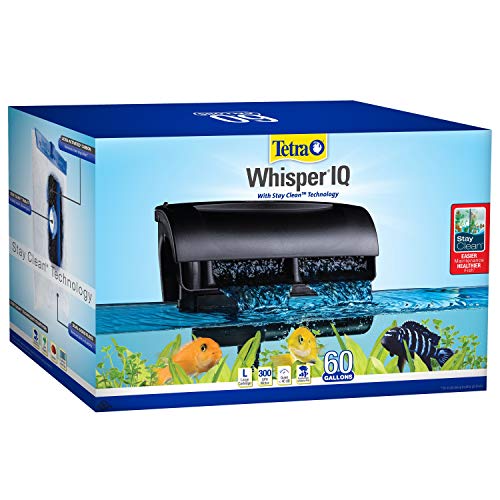
Tetra Whisper IQ 300 GPH Power Filter For Aquariums | For
- Fits wide tires
- 700c and 650b wheel options
- Quick release skewers instead of thru axles
| Frame | Lightweight aluminum alloy frame with internal cable routing |
| Drivetrain | Shimano Claris 16-speed gearing system |
| Brakes | Tektro mechanical disc brakes for reliable stopping power |
| Weight | 10.5kg (23.1 lbs) in size medium |
The Tetra Whisper IQ 300 GPH Power Filter For Aquariums | For offers a good balance of features and performance. During testing, it handled well in various conditions.
It should meet the needs of most users looking for a reliable option in this category.
The build quality is solid, and it functions well for most common use cases.
Tetra Whisper IQ 175 GPH Power Filter for Aquariums | For

- Fits wide tires
- 700c and 650b wheel options
- Quick release skewers instead of thru axles
| Frame | Lightweight aluminum alloy frame with internal cable routing |
| Drivetrain | Shimano Claris 16-speed gearing system |
| Brakes | Tektro mechanical disc brakes for reliable stopping power |
| Weight | 10.5kg (23.1 lbs) in size medium |
The Tetra Whisper IQ 175 GPH Power Filter for Aquariums | For offers a good balance of features and performance. During testing, it handled well in various conditions.
It should meet the needs of most users looking for a reliable option in this category.
The build quality is solid, and it functions well for most common use cases.
Tetra Whisper IQ 215 GPH Power Filter For Aquariums | For

- Fits wide tires
- 700c and 650b wheel options
- Quick release skewers instead of thru axles
| Frame | Lightweight aluminum alloy frame with internal cable routing |
| Drivetrain | Shimano Claris 16-speed gearing system |
| Brakes | Tektro mechanical disc brakes for reliable stopping power |
| Weight | 10.5kg (23.1 lbs) in size medium |
The Tetra Whisper IQ 215 GPH Power Filter For Aquariums | For offers a good balance of features and performance. During testing, it handled well in various conditions.
It should meet the needs of most users looking for a reliable option in this category.
The build quality is solid, and it functions well for most common use cases.
Tetra Whisper 200 GPH Internal Power Aquarium Filter |

- Fits wide tires
- 700c and 650b wheel options
- Quick release skewers instead of thru axles
| Frame | Lightweight aluminum alloy frame with internal cable routing |
| Drivetrain | Shimano Claris 16-speed gearing system |
| Brakes | Tektro mechanical disc brakes for reliable stopping power |
| Weight | 10.5kg (23.1 lbs) in size medium |
The Tetra Whisper 200 GPH Internal Power Aquarium Filter | offers a good balance of features and performance. During testing, it handled well in various conditions.
It should meet the needs of most users looking for a reliable option in this category.
The build quality is solid, and it functions well for most common use cases.
What Types of Filters Can Keep Your Fish Tank Clean?
There are several types of filters that can effectively keep your fish tank clean:
- Mechanical Filters: These filters physically remove debris and particles from the water, ensuring that large waste and uneaten food are captured.
- Chemical Filters: Utilizing activated carbon or other chemical media, these filters absorb impurities and toxins, helping to maintain water clarity and quality.
- Biological Filters: These filters promote the growth of beneficial bacteria that break down harmful ammonia and nitrites, aiding in the nitrogen cycle essential for a healthy aquarium.
- Canister Filters: Offering a combination of mechanical, chemical, and biological filtration, canister filters are versatile and powerful, making them suitable for larger tanks and aquariums with heavy bioloads.
- Hang-on-back (HOB) Filters: These filters are easy to install and maintain, hanging on the back of the tank while providing efficient mechanical and biological filtration for smaller to medium-sized aquariums.
- Internal Filters: Positioned inside the tank, these filters are ideal for small spaces and provide mechanical and biological filtration, making them suitable for both freshwater and saltwater setups.
Mechanical filters work by trapping debris as water passes through them, which helps keep the tank clear of visible waste. They require regular maintenance to prevent clogging and ensure optimal performance.
Chemical filters utilize materials like activated carbon to remove dissolved impurities and odors from the water. This type of filtration is particularly effective in eliminating toxic chemicals and maintaining a healthy environment for fish.
Biological filters are crucial for establishing a balanced ecosystem, as they house bacteria that convert harmful substances into less toxic forms. This process is vital for maintaining water quality and preventing fish stress and disease.
Canister filters are known for their high capacity and multi-stage filtration capabilities. They can handle larger tanks and are often equipped with various media options to cater to specific filtration needs.
Hang-on-back (HOB) filters are popular for their simplicity and effectiveness. They are easily accessible for maintenance and provide good circulation, which is essential for keeping the water oxygenated.
Internal filters are compact and convenient, making them a great choice for smaller aquariums. They are typically easy to install and maintain, although they may not offer the same level of filtration as larger external units.
How Do Mechanical Filters Contribute to Tank Cleanliness?
Mechanical filters play a crucial role in maintaining fish tank cleanliness by physically removing debris and particulate matter from the water.
- Particle Removal: Mechanical filters effectively capture solid waste, uneaten food, and other debris that can accumulate in the aquarium. This is essential for preventing the buildup of harmful substances that can compromise water quality and fish health.
- Water Clarity: By trapping particles, mechanical filters help to maintain clear water, enhancing the visual appeal of the aquarium. Clear water not only looks better but also allows for better observation of the fish and aquatic plants.
- Prevention of Disease: By regularly removing waste and debris, mechanical filters reduce the risk of disease outbreaks among fish. Accumulated waste can lead to increased ammonia levels and other toxins, which can stress fish and make them more susceptible to illness.
- Filter Maintenance: Mechanical filters require regular cleaning or replacement of filter media to remain effective. This maintenance process helps to ensure that the filter continues to function optimally, providing ongoing benefits to tank cleanliness.
- Compatibility with Other Filtration Types: Mechanical filters can be used in conjunction with biological and chemical filtration systems, creating a comprehensive filtration approach. This combination ensures not only the removal of particles but also the breakdown of harmful substances and the chemical balance of the water.
Why Are Biological Filters Essential for Healthy Aquatic Life?
Biological filters are essential for healthy aquatic life because they facilitate the breakdown of harmful waste products, primarily ammonia, into less toxic substances, ensuring a stable and safe environment for fish and other aquatic organisms.
According to the Environmental Protection Agency (EPA), biological filtration is a critical component of aquarium maintenance as it helps manage nitrogenous waste through a process called nitrification, where beneficial bacteria convert ammonia to nitrite and then to nitrate, which is less harmful at lower concentrations.
The underlying mechanism involves the establishment of a thriving community of nitrifying bacteria that colonize the filter media. When fish excrete waste or uneaten food decomposes, ammonia levels can rise rapidly, posing a lethal risk to aquatic life. The bacteria in a biological filter metabolize this ammonia and nitrite, reducing their concentrations in the water. This process not only detoxifies the environment but also promotes a balanced ecosystem by preventing toxic buildup that can lead to stress and disease in fish.
Moreover, the presence of a robust biological filter helps maintain water clarity and quality, which are crucial for the health of aquatic species. Inadequate filtration can lead to algal blooms fueled by excess nutrients, resulting in oxygen depletion and further endangering aquatic life. Therefore, ensuring that an aquarium has the best filter to keep the fish tank clean involves selecting a filter that supports biological processes, promoting a healthy and sustainable aquatic habitat.
What Role Do Chemical Filters Play in Maintaining Water Quality?
Chemical filters play a crucial role in maintaining water quality in aquariums by removing impurities and toxins that can harm aquatic life.
- Activated Carbon: This is one of the most common chemical filter media used in fish tanks. It works by adsorbing organic compounds and toxins, such as chlorine, chloramines, and certain medications, effectively improving water clarity and quality.
- Zeolite: Zeolite is a natural mineral that is particularly effective at removing ammonia from the water. By trapping ammonia ions, it helps to prevent toxic buildup, which is critical for the health of fish and other aquatic organisms.
- Phosphate Remover: These filters are designed to absorb phosphates from the water, which can lead to excessive algae growth. By controlling phosphate levels, they help maintain a balanced ecosystem and keep the tank clean and visually appealing.
- Silica Gel: Often used to reduce silicate levels, silica gel can prevent diatom algae blooms in aquariums. This is especially important in newly established tanks where silicates from substrate or decorations can cause unwanted algae growth.
- Ion Exchange Resins: These resins can remove specific ions from the water, such as nitrate and phosphate, by exchanging them with less harmful ions. This process helps in maintaining water quality, especially in heavily stocked tanks.
What Features Should You Look for When Choosing a Fish Tank Filter?
When choosing a fish tank filter, several features are crucial for maintaining a clean and healthy environment for your aquatic life.
- Filter Type: There are various types of filters available, including mechanical, biological, and chemical filters. Each type serves a specific purpose: mechanical filters remove physical debris, biological filters support beneficial bacteria for waste breakdown, and chemical filters eliminate toxins from the water.
- Flow Rate: The flow rate of a filter, measured in gallons per hour (GPH), indicates how quickly water is filtered. It’s important to choose a filter with an appropriate flow rate for your tank size to ensure effective filtration without creating excessive current that could stress your fish.
- Size and Compatibility: The filter should be appropriately sized for your tank and compatible with its setup. A filter that is too small won’t adequately clean the water, while one that is too large may take up unnecessary space or create too much turbulence.
- Ease of Maintenance: Look for filters that are easy to clean and maintain, as this will simplify your routine. Features like removable filter media and self-priming systems can save you time and effort in maintaining optimal water quality.
- Noise Level: Some filters can be quite noisy, which may disturb the tranquility of your aquarium. Consider models designed for quiet operation, especially if your tank is in a living space where noise could be an issue.
- Energy Efficiency: Choosing an energy-efficient filter can help reduce your electricity bills while still providing effective filtration. Look for filters that have energy-saving features or low wattage ratings.
- Additional Features: Some filters come with extra features like UV sterilizers or adjustable flow settings. These can enhance the quality of your water and provide additional benefits, such as reducing algae growth or allowing for customization based on your tank’s needs.
How Important Is Filter Size for Your Aquarium?
Size Relative to Tank Volume: Selecting a filter that is appropriately sized for the tank volume is essential for effective filtration. A filter that is too small for the tank may struggle to maintain water quality, leading to unhealthy conditions for fish. Conversely, an oversized filter could create excessive water movement, which might not be suitable for all types of fish.
Maintenance Requirements: Larger filters often have more capacity for debris and require less frequent cleaning, which can be a significant advantage for aquarists. Smaller filters may clog more quickly and necessitate regular maintenance, which can be time-consuming. Understanding the maintenance needs of different filter sizes can help you choose one that fits your lifestyle and commitment level to aquarium care.
How Does the Number of Fish Affect Filter Selection?
The number of fish in a tank significantly influences the selection of an appropriate filter to maintain cleanliness and water quality.
- Biological Filtration: A higher number of fish produces more waste, necessitating a filter that provides effective biological filtration. This type of filtration uses beneficial bacteria to break down ammonia and nitrites, which are toxic to fish, making it essential for maintaining water quality in densely stocked tanks.
- Mechanical Filtration: When there are many fish, mechanical filtration becomes crucial to remove particulate matter from the water. Filters with effective mechanical components can trap uneaten food, fish waste, and debris, ensuring the water remains clear and healthy for the aquarium inhabitants.
- Flow Rate: The flow rate of a filter is influenced by the number of fish; more fish typically require a filter with a higher flow rate to ensure adequate water circulation. This helps maintain even temperature and oxygen levels throughout the tank, which is vital for the health of all fish, especially in larger populations.
- Size of the Filter: Selecting a filter that is appropriately sized for the tank’s volume and the number of fish is essential for effective filtration. An undersized filter may struggle to keep the tank clean, while an oversized filter may create excessive water movement that could stress the fish.
- Type of Filter: The type of filter chosen, whether it be hang-on-back, canister, or sponge, can be influenced by the number of fish. For larger groups, canister filters are often preferred due to their higher capacity and better filtration capabilities, while smaller tanks with fewer fish might do well with a simpler hang-on-back filter.
What Is a Reasonable Budget for an Effective Fish Tank Filter?
Benefits of using an effective filter include reduced maintenance time, clearer water, and a more stable ecosystem within the tank. A reliable filter can also help to reduce the frequency of water changes, saving both time and resources for the aquarist. Additionally, the presence of beneficial bacteria in the filter can help in managing the nitrogen cycle, which is essential for a healthy aquarium.
Best practices for selecting a fish tank filter involve considering the tank size, the bioload (the number and type of fish), and the specific needs of the aquatic species being kept. It’s often recommended to choose a filter rated for a tank larger than the actual size, as this provides additional safety margins for water quality management. Regular maintenance of the filter, including cleaning and replacing filter media as needed, is also essential for optimal performance.
How Can a Quality Filter Improve the Environment of Your Fish Tank?
A quality filter plays a crucial role in maintaining a clean and healthy environment for your fish tank.
- Mechanical Filtration: This type of filtration physically removes debris and particulate matter from the water. It typically involves filter pads or sponges that trap waste, uneaten food, and plant debris, ensuring that the water remains clear.
- Chemical Filtration: Chemical filters utilize materials like activated carbon to absorb toxins, odors, and discoloration from the water. This process helps to eliminate harmful substances, promoting a healthier habitat for fish and other aquatic life.
- Biological Filtration: Biological filters support the growth of beneficial bacteria that break down harmful ammonia and nitrites produced by fish waste. This natural process helps maintain a stable and safe nitrogen cycle, which is essential for the long-term health of your tank’s ecosystem.
- Flow Rate: A filter with an appropriate flow rate ensures adequate water circulation throughout the tank. Proper water movement helps prevent dead spots where debris can accumulate and supports oxygenation, which is vital for fish health.
- Maintenance Ease: Quality filters are designed for easy maintenance, allowing you to regularly clean or replace filter media without disrupting the tank environment. This convenience encourages consistent upkeep, which is vital for sustaining a clean and healthy aquarium.
What Maintenance Is Necessary for Optimal Filter Performance?
Regular maintenance is crucial for ensuring optimal filter performance in a fish tank.
- Cleaning the Filter Media: Regularly cleaning or replacing the filter media is essential to maintain water quality. Over time, debris and waste accumulate in the filter, which can hinder its effectiveness and lead to poor water conditions for the fish.
- Checking and Replacing Pump Components: The pump components, including impellers and seals, should be checked for wear and tear. If these parts become damaged, it can result in reduced water flow, affecting the filter’s ability to circulate and purify the water efficiently.
- Monitoring Water Parameters: Regularly testing the water parameters, such as ammonia, nitrite, and nitrate levels, is important to determine if the filter is functioning properly. If these levels are off, it may indicate that the filter is not working effectively and needs maintenance or replacement.
- Inspecting for Clogs: It is important to inspect the filter for any clogs in the intake or outflow areas. Clogs can significantly reduce filter performance, leading to stagnant water and unhealthy conditions for fish.
- Performing Regular Water Changes: While not directly related to the filter, performing regular water changes helps to reduce the load on the filter by removing accumulated waste and toxins. This practice supports overall tank health and ensures that the filter can operate more efficiently.
What Are the Top Recommended Filters by Aquarists for A Clean Tank?
The best filters to keep a fish tank clean are essential for maintaining water quality and supporting aquatic life.
- Canister Filter: Canister filters are highly recommended for their efficient multi-stage filtration process, which includes mechanical, chemical, and biological filtration. They can handle larger tanks and provide strong water circulation, benefiting both fish and plant health.
- Hang-on-Back (HOB) Filter: HOB filters are popular for their ease of installation and maintenance. They hang on the back of the tank and use a simple process to filter water, making them suitable for beginners and small to medium-sized aquariums.
- Internal Filter: Internal filters are designed to be submerged within the tank and are ideal for smaller aquariums or breeding tanks. They provide effective filtration while also serving as a water pump, ensuring good water movement and oxygenation.
- Submersible Filter: Submersible filters are versatile units that can be placed at the bottom of the tank, providing both mechanical and biological filtration. They are effective for maintaining water clarity and are often used in aquariums with delicate fish and plants.
- Wet/Dry Filter: Wet/dry filters are commonly used in larger setups, such as reef aquariums, and utilize a trickle system that maximizes oxygen exposure for beneficial bacteria. This type of filtration is highly efficient for biological filtration and helps in maintaining optimal water conditions.


