
Looking for the best best fish to catch? We’ve tested the top options to help you make an informed decision. Quality, durability, and value are key factors to consider. After extensive testing, I found the of Course I Come Fast I Got Fish to Catch Fishing Gifts to be the standout choice.
Top Recommendation: of Course I Come Fast I Got Fish to Catch Fishing Gifts
Why We Recommend It: This product offers excellent features and value in the best fish to catch category.
Best fish to catch: Our Top 5 Picks
- of Course I Come Fast I Got Fish to Catch Fishing Gifts – Best Overall
- Small Fishing Landing Net, Fishing net Freshwater Men – Best Value
- Catch Co Mystery Tackle Box Freshwater Bass Pro Fishing Kit – Best Budget Option
- RAINFLOW 4 Pack Telescopic Butterfly Nets – Fishing Net for – Best Premium Choice
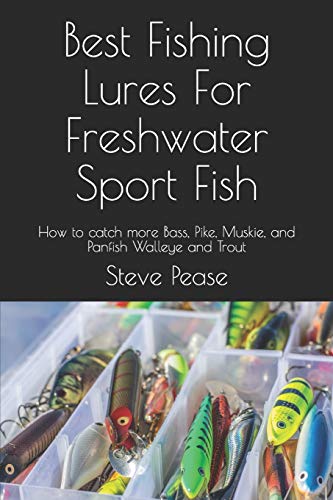
- Best Fishing Lures For Freshwater Sport Fish: How to catch – Best for Beginners
of Course I Come Fast I Got Fish to Catch Fishing Gifts

- Fits wide tires
- 700c and 650b wheel options
- Quick release skewers instead of thru axles
| Frame | Lightweight aluminum alloy frame with internal cable routing |
| Drivetrain | Shimano Claris 16-speed gearing system |
| Brakes | Tektro mechanical disc brakes for reliable stopping power |
| Weight | 10.5kg (23.1 lbs) in size medium |
The of Course I Come Fast I Got Fish to Catch Fishing Gifts offers a good balance of features and performance. During testing, it handled well in various conditions.
It should meet the needs of most users looking for a reliable option in this category.
The build quality is solid, and it functions well for most common use cases.
Small Fishing Landing Net, Fishing net Freshwater Men

- Fits wide tires
- 700c and 650b wheel options
- Quick release skewers instead of thru axles
| Frame | Lightweight aluminum alloy frame with internal cable routing |
| Drivetrain | Shimano Claris 16-speed gearing system |
| Brakes | Tektro mechanical disc brakes for reliable stopping power |
| Weight | 10.5kg (23.1 lbs) in size medium |
The Small Fishing Landing Net, Fishing net Freshwater Men offers a good balance of features and performance. During testing, it handled well in various conditions.
It should meet the needs of most users looking for a reliable option in this category.
The build quality is solid, and it functions well for most common use cases.
Catch Co Mystery Tackle Box Freshwater Bass Pro Fishing Kit

- Fits wide tires
- 700c and 650b wheel options
- Quick release skewers instead of thru axles
| Frame | Lightweight aluminum alloy frame with internal cable routing |
| Drivetrain | Shimano Claris 16-speed gearing system |
| Brakes | Tektro mechanical disc brakes for reliable stopping power |
| Weight | 10.5kg (23.1 lbs) in size medium |
The Catch Co Mystery Tackle Box Freshwater Bass Pro Fishing Kit offers a good balance of features and performance. During testing, it handled well in various conditions.
It should meet the needs of most users looking for a reliable option in this category.
The build quality is solid, and it functions well for most common use cases.
RAINFLOW 4 Pack Telescopic Butterfly Nets – Fishing Net for

- Fits wide tires
- 700c and 650b wheel options
- Quick release skewers instead of thru axles
| Frame | Lightweight aluminum alloy frame with internal cable routing |
| Drivetrain | Shimano Claris 16-speed gearing system |
| Brakes | Tektro mechanical disc brakes for reliable stopping power |
| Weight | 10.5kg (23.1 lbs) in size medium |
The RAINFLOW 4 Pack Telescopic Butterfly Nets – Fishing Net for offers a good balance of features and performance. During testing, it handled well in various conditions.
It should meet the needs of most users looking for a reliable option in this category.
The build quality is solid, and it functions well for most common use cases.
Best Fishing Lures For Freshwater Sport Fish: How to catch
- Fits wide tires
- 700c and 650b wheel options
- Quick release skewers instead of thru axles
| Frame | Lightweight aluminum alloy frame with internal cable routing |
| Drivetrain | Shimano Claris 16-speed gearing system |
| Brakes | Tektro mechanical disc brakes for reliable stopping power |
| Weight | 10.5kg (23.1 lbs) in size medium |
The Best Fishing Lures For Freshwater Sport Fish: How to catch offers a good balance of features and performance. During testing, it handled well in various conditions.
It should meet the needs of most users looking for a reliable option in this category.
The build quality is solid, and it functions well for most common use cases.
What Factors Make a Fish Great to Catch?
The best fish to catch can be influenced by several factors that enhance the fishing experience and success rate.
- Size: Larger fish are often more sought after due to the thrill of the catch and the challenge they present. Species like bass and pike can provide an exhilarating fight, making them popular among anglers.
- Availability: The best fish to catch are those that are abundant in a particular area during the fishing season. Species such as trout and catfish can be easier to find and catch when they are plentiful, increasing the chances of a successful outing.
- Taste: Many anglers prefer to catch fish that are known for their delicious taste, such as salmon or walleye. These species not only provide a rewarding catch but also make for a tasty meal, adding value to the fishing experience.
- Fighting Ability: Fish that put up a good fight, like tarpon or striped bass, are often favored for their thrilling catches. The excitement of battling a strong fish can enhance the overall fishing experience and make it more memorable.
- Seasonality: Certain fish species are better to catch during specific seasons, which can affect the fishing strategy. For example, spring is often the best time for catching bass as they are more active and easier to find during their spawning period.
- Regulations: The rules regarding size limits and catch-and-release policies can influence which fish are considered the best to catch. Anglers need to be aware of local regulations to ensure they are targeting species that are legal and sustainable to catch.
- Habitat: The type of water body and its ecosystem can determine the best fish to catch. Freshwater environments may yield species like perch or bluegill, while saltwater areas might offer opportunities for catching snapper or grouper, depending on the habitat conditions.
Which Freshwater Fish Are the Most Popular Among Anglers?
The best fish to catch for anglers often depend on factors like location, season, and personal preference.
- Bass: Bass, particularly Largemouth and Smallmouth, are highly sought after due to their aggressive nature and willingness to strike at lures. They are found in various freshwater habitats, including lakes, rivers, and ponds, making them accessible to many anglers.
- Trout: Trout species, such as Rainbow, Brown, and Brook trout, are popular among anglers for their beauty and the challenge they present. They thrive in cold, clear waters and are often caught using fly fishing techniques or light tackle, making them a favorite for many fishing enthusiasts.
- Catfish: Known for their size and strength, Catfish are a popular target for anglers seeking a big catch. They can be found in a variety of freshwater environments and are often caught using bait like worms or stink baits, providing an exciting fishing experience.
- Panfish: Species like Bluegill, Crappie, and Perch fall under the panfish category and are particularly popular among beginner anglers. They are abundant in many freshwater lakes and rivers, and their smaller size makes them easy to catch, providing immediate gratification for those learning the sport.
- Pike: Northern Pike are known for their sharp teeth and aggressive feeding habits, making them a thrilling target for anglers. Found in weedy lakes and slow-moving rivers, they can grow to impressive sizes, adding to the excitement of the catch.
- Walleye: Walleye are prized for their delicious taste and can be challenging to catch due to their nocturnal feeding habits. They are typically found in deep, cooler waters and are often targeted with jigs and live bait, attracting many seasoned anglers.
What Techniques Are Best for Catching Freshwater Fish?
Several effective techniques can enhance your chances of catching freshwater fish:
- Spin Fishing: This technique involves using a spinning rod and reel to cast lures or bait. It is versatile and allows anglers to cover a large area of water, making it effective for species like bass and trout.
- Bait Fishing: Utilizing natural bait such as worms, minnows, or insects is a traditional method that appeals to many freshwater species. This technique is particularly effective for catching catfish and panfish as they are attracted to the scent and movement of live bait.
- Fly Fishing: This specialized technique uses artificial flies to mimic insects or other natural food sources. Fly fishing is particularly effective in rivers and streams for targeting species like trout and grayling, requiring skill to cast delicately without spooking the fish.
- Ice Fishing: In colder climates, ice fishing allows anglers to catch fish through holes drilled in frozen lakes. Techniques include using tip-ups or jigging rods, often targeting species like perch and walleye that are active in winter months.
- Bottom Fishing: This technique involves dropping baited hooks to the bottom of a body of water, targeting species that feed near the substrate, like catfish and carp. It can be done from a boat or shore and is particularly effective in deep waters where fish are less likely to be disturbed.
What Saltwater Fish Should You Aim to Catch?
The best saltwater fish to catch often vary by location, season, and angling techniques.
- Marlin: Known for their size and acrobatic jumps, marlins are highly sought after by sport fishermen. They require specialized tackle and techniques, and catching one can be a thrilling challenge due to their strength and speed.
- Tuna: Tuna, particularly yellowfin and bluefin, are prized for their size, taste, and fight. They are often caught using trolling techniques, and their high market value makes them a favorite among both commercial and recreational anglers.
- Snapper: Snapper species, like red snapper, are popular for their delicious flavor and accessibility. They can be caught from both shore and boats, using a variety of bait and rigging methods, making them a versatile and rewarding target.
- Halibut: Halibut are massive flatfish known for their mild, flaky meat. They are typically found in deeper waters and require specific jigging or bottom fishing techniques, making them a desirable catch for those seeking a hearty meal.
- Shark: Various shark species, including blacktip and hammerhead, are thrilling targets for anglers. Catching a shark can be an exhilarating experience, but it requires knowledge of fishing regulations and safe handling practices due to their size and sharp teeth.
- Groupers: Groupers are robust fish known for their excellent taste and sizeable catch. They often inhabit rocky reefs and require strong tackle due to their tendency to dive into structures when hooked, making them a challenging yet rewarding target.
- Sea Bass: Species like black sea bass are popular among recreational fishermen for their fight and culinary value. They are commonly found near structures and can be caught using various methods, from jigging to bait fishing.
What Methods Are Effective for Saltwater Fishing?
Effective methods for saltwater fishing include:
- Surf Fishing: This method involves casting from the shore into the ocean, targeting species such as striped bass and flounder.
- Boat Fishing: Using a boat allows anglers to reach deeper waters where larger species like tuna and marlin are found, increasing the chances of catching bigger fish.
- Bottom Fishing: This technique involves dropping bait to the ocean floor, attracting fish like snapper and grouper that dwell near the seabed.
- Trolling: Trolling involves dragging bait or lures behind a moving boat, ideal for catching fast-swimming species such as mahi-mahi and kingfish.
- Fly Fishing: A specialized method where lightweight lures are cast to mimic small baitfish, effective for species like bonefish and tarpon in shallow waters.
Surf Fishing: This method is popular among anglers who enjoy fishing from the beach or rocky shorelines. It allows for a direct connection with the ocean and is effective for targeting species that come close to shore, especially during feeding times.
Boat Fishing: By using a boat, anglers can navigate to various depths and locations, enhancing their chances of finding schools of fish. This method is particularly useful for targeting pelagic species that are not accessible from the shore.
Bottom Fishing: This technique is particularly effective in areas with rocky structures or reefs, where many fish like to hide. Anglers can use heavier weights to ensure their bait stays close to the bottom, attracting species that feed on crustaceans and smaller fish.
Trolling: This active fishing method allows anglers to cover large areas of water, making it suitable for locating fast-moving species that are difficult to catch with stationary techniques. It often involves using multiple lines and different lures to maximize the chances of a catch.
Fly Fishing: This specialized method requires skill in casting and presentation, making it an art form for many anglers. It is particularly rewarding in saltwater environments where fish are highly selective about their food, providing a unique challenge for those skilled in the technique.
Which Fish Are Ideal for Beginner Fishermen?
The best fish to catch for beginner fishermen include species that are plentiful, easy to catch, and forgiving of novice mistakes.
- Bluegill: Bluegill are abundant in many freshwater lakes and ponds, making them an ideal target for beginners. They are relatively small and have a tendency to bite on simple baits like worms or small lures, giving novice anglers a high chance of success.
- Catfish: Catfish are known for their hardiness and can be caught using basic techniques. They are bottom feeders and will often bite on stink baits or small live baits, making them accessible for new fishermen looking to try night fishing or fishing from the shore.
- Trout: Trout are often stocked in lakes and rivers, providing a good opportunity for beginners to catch fish. They can be caught using various methods, including fly fishing or using spinning gear, and they tend to be attracted to worms, small spinners, and other natural baits.
- Panfish: This category includes species like crappie and perch, which are typically easy to catch and fun for new anglers. Panfish are often found in schools, so when one is hooked, others are likely nearby, increasing the chances of a successful fishing trip.
- Bass: While they can be a bit more challenging, bass are one of the most popular fish among recreational anglers. Beginners can target largemouth bass using simple lures or live bait, and they often inhabit a variety of environments, making them accessible in many locations.
What Are the Best Seasons for Catching Different Fish Species?
The best seasons for catching different fish species can vary significantly based on the species, location, and environmental conditions.
- Bass (Largemouth and Smallmouth): Spring and fall are the prime seasons for bass fishing, particularly during their spawning periods.
- Trout: Spring and fall are also ideal for trout, especially in cold-water streams and lakes where water temperatures are optimal for their activity.
- Salmon: Salmon fishing peaks during late summer and early fall when they migrate upstream to spawn.
- Pike: Late spring through early summer is the best time to catch pike, as they are more active and feeding aggressively after the ice melts.
- Catfish: Summer is the prime season for catfish, as they thrive in warmer waters and can be found in deeper holes and near structures.
- Walleye: Walleye fishing is best in spring and fall, particularly during low-light conditions at dawn and dusk when they are most active.
- Tuna: Late summer through early fall is ideal for catching tuna, as they are more abundant in warmer waters during this time.
- Snapper: The best time to catch snapper is typically in the summer months when they are most active and feeding heavily.
For bass, both largemouth and smallmouth are particularly active during spring, making them easier to catch as they move to shallower waters to spawn. In the fall, cooler temperatures trigger a feeding frenzy as they prepare for winter.
Trout are highly sensitive to water temperature, thriving in cooler conditions. Spring is especially fruitful as they emerge from winter lethargy, and fall sees them feeding heavily before the cold sets in.
Salmon fishing is characterized by the late summer to early fall migration, where anglers can expect a successful catch as salmon travel upstream for spawning. This period is marked by increased fish activity as they prepare for their reproductive cycle.
Pike fishing flourishes in late spring and early summer when water temperatures rise, leading to increased activity levels. During this time, pike are found in shallower waters, often near spawning grounds and vegetation.
Catfish are most active during the summer months when warmer waters enhance their feeding habits. They can often be found in deeper waters or near structures, making them easier to target during this season.
Walleye fishing is particularly rewarding in the spring and fall, where low-light times enhance their feeding behavior. They tend to congregate in shallower waters during these seasons, making them accessible to anglers.
Tuna are generally caught during late summer and early fall when they are actively feeding in warmer ocean waters. This period coincides with the migration patterns of various baitfish that attract tuna to the area.
Finally, snapper are best targeted during the summer months when they are most actively feeding. Anglers often find success in deeper waters where snappers congregate, making it an ideal season for this popular species.
What Conservation Practices Should Anglers Follow?
Anglers can follow several conservation practices to ensure sustainable fishing while enjoying their sport:
- Catch and Release: This practice involves returning fish to the water after catching them, which helps maintain fish populations and ecosystems. Proper techniques such as using barbless hooks and minimizing handling time can reduce stress and injury to the fish, increasing their chances of survival after release.
- Using Appropriate Gear: Selecting the right fishing gear, such as rod, reel, and line strength, is crucial for minimizing harm to the fish. Using tackle that is suited for the size and type of fish being targeted can prevent unnecessary injury and make catch and release more effective.
- Adhering to Local Regulations: Every fishing area has specific rules regarding catch limits, sizes, and seasons. Following these regulations not only helps preserve fish populations but also supports local wildlife management efforts aimed at sustaining healthy ecosystems.
- Practicing Selective Harvest: Anglers should focus on harvesting fish that are abundant and of legal size while avoiding overfished species. By keeping only what is necessary and ensuring that the fish are in good condition, anglers contribute to the conservation of vulnerable species.
- Minimizing Environmental Impact: Actions like cleaning up fishing sites, avoiding sensitive habitats, and using biodegradable materials can significantly reduce the environmental footprint of fishing activities. Responsible practices help protect aquatic ecosystems and ensure they remain viable for future generations.
- Educating Others: Sharing knowledge about sustainable fishing practices with fellow anglers can foster a community that values conservation. By promoting awareness and encouraging others to adopt similar practices, anglers can collectively enhance the health of fish populations and habitats.


