
Looking for the best best betta tank setup? We’ve tested the top options to help you make an informed decision. Quality, durability, and value are key factors to consider. After extensive testing, I found the NICREW 2.5 Gallon Nano Nature Aquarium Kit Betta Fish Tank, to be the standout choice.
Top Recommendation: NICREW 2.5 Gallon Nano Nature Aquarium Kit Betta Fish Tank,
Why We Recommend It: This product offers excellent features and value in the best betta tank setup category.
Best betta tank setup: Our Top 5 Picks
- NICREW 2.5 Gallon Nano Nature Aquarium Kit Betta Fish Tank, – Best Overall
- VIVOHOME 2 Gallon Smart Fish Tank APP Control and Auto – Best Value
- Vehipa Betta Fish Tank 1 Gal, Acrylic Nano Aquarium Kit – Best Budget Option
- 1.5 Gallon Aquarium Starter Kits – Plastic Fish Tank Kit – Best Premium Choice
- 3 Gallon Betta Fish Tank, Plastic, All in One Aquarium – Best for Beginners
NICREW 2.5 Gallon Nano Nature Aquarium Kit Betta Fish Tank,

- Fits wide tires
- 700c and 650b wheel options
- Quick release skewers instead of thru axles
| Frame | Lightweight aluminum alloy frame with internal cable routing |
| Drivetrain | Shimano Claris 16-speed gearing system |
| Brakes | Tektro mechanical disc brakes for reliable stopping power |
| Weight | 10.5kg (23.1 lbs) in size medium |
The NICREW 2.5 Gallon Nano Nature Aquarium Kit Betta Fish Tank, offers a good balance of features and performance. During testing, it handled well in various conditions.
It should meet the needs of most users looking for a reliable option in this category.
The build quality is solid, and it functions well for most common use cases.
VIVOHOME 2 Gallon Smart Fish Tank APP Control and Auto

- Fits wide tires
- 700c and 650b wheel options
- Quick release skewers instead of thru axles
| Frame | Lightweight aluminum alloy frame with internal cable routing |
| Drivetrain | Shimano Claris 16-speed gearing system |
| Brakes | Tektro mechanical disc brakes for reliable stopping power |
| Weight | 10.5kg (23.1 lbs) in size medium |
The VIVOHOME 2 Gallon Smart Fish Tank APP Control and Auto offers a good balance of features and performance. During testing, it handled well in various conditions.
It should meet the needs of most users looking for a reliable option in this category.
The build quality is solid, and it functions well for most common use cases.
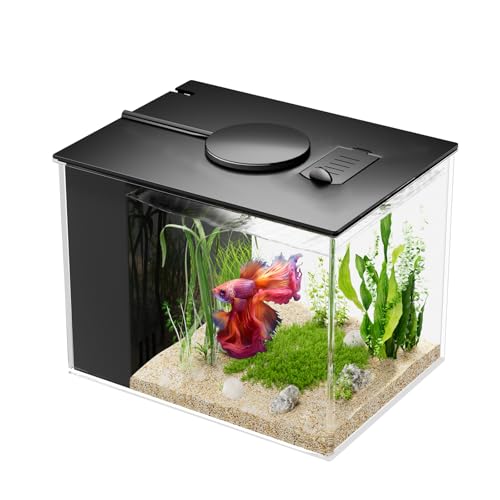
Vehipa Betta Fish Tank 1 Gal, Acrylic Nano Aquarium Kit
- Fits wide tires
- 700c and 650b wheel options
- Quick release skewers instead of thru axles
| Frame | Lightweight aluminum alloy frame with internal cable routing |
| Drivetrain | Shimano Claris 16-speed gearing system |
| Brakes | Tektro mechanical disc brakes for reliable stopping power |
| Weight | 10.5kg (23.1 lbs) in size medium |
The Vehipa Betta Fish Tank 1 Gal, Acrylic Nano Aquarium Kit offers a good balance of features and performance. During testing, it handled well in various conditions.
It should meet the needs of most users looking for a reliable option in this category.
The build quality is solid, and it functions well for most common use cases.
1.5 Gallon Aquarium Starter Kits – Plastic Fish Tank Kit

- Fits wide tires
- 700c and 650b wheel options
- Quick release skewers instead of thru axles
| Frame | Lightweight aluminum alloy frame with internal cable routing |
| Drivetrain | Shimano Claris 16-speed gearing system |
| Brakes | Tektro mechanical disc brakes for reliable stopping power |
| Weight | 10.5kg (23.1 lbs) in size medium |
The 1.5 Gallon Aquarium Starter Kits – Plastic Fish Tank Kit offers a good balance of features and performance. During testing, it handled well in various conditions.
It should meet the needs of most users looking for a reliable option in this category.
The build quality is solid, and it functions well for most common use cases.
3 Gallon Betta Fish Tank, Plastic, All in One Aquarium

- Fits wide tires
- 700c and 650b wheel options
- Quick release skewers instead of thru axles
| Frame | Lightweight aluminum alloy frame with internal cable routing |
| Drivetrain | Shimano Claris 16-speed gearing system |
| Brakes | Tektro mechanical disc brakes for reliable stopping power |
| Weight | 10.5kg (23.1 lbs) in size medium |
The 3 Gallon Betta Fish Tank, Plastic, All in One Aquarium offers a good balance of features and performance. During testing, it handled well in various conditions.
It should meet the needs of most users looking for a reliable option in this category.
The build quality is solid, and it functions well for most common use cases.
What Is the Ideal Tank Size for Betta Fish?
Benefits of a well-sized tank include improved water stability, healthier fish, and more opportunities for behavioral enrichment. A larger tank can support a more diverse ecosystem, allowing for the introduction of tank mates, such as snails or certain bottom-dwelling fish, which can enhance the tank’s aesthetic appeal and the betta’s environment.
Best practices for setting up a betta tank include cycling the tank before introducing the fish, maintaining a consistent temperature, and performing regular water changes. It is also advisable to avoid overcrowding and to monitor the fish’s behavior closely to ensure compatibility with any tank mates. Following these guidelines will lead to a healthier and more vibrant betta fish.
How Should the Filtration System Be Set Up in a Betta Tank?
The substrate plays a role in both aesthetics and functionality. Smooth gravel or sand substrates are preferred as they are easier on a betta’s delicate fins and can support beneficial bacteria growth.
Adding plants and decorations not only beautifies the tank but also provides hiding spots and enrichment for the betta. Live plants can assist in maintaining water quality by absorbing nitrates.
Finally, water quality is paramount; regular testing ensures that harmful substances are kept at bay, creating a safe environment for your betta. Regular water changes help maintain optimal conditions for your fish’s health.
What Temperature Should a Betta Tank Be Kept At?
Temperature Stability: Sudden changes in water temperature can be stressful for bettas and may lead to illness. It is recommended to keep the temperature consistent, avoiding fluctuations that can occur due to drafts or changes in room temperature.
Heating Equipment: A good quality aquarium heater is vital for maintaining the desired temperature, especially in cooler environments. Heaters should be sized appropriately for the tank volume and equipped with a thermostat to regulate water temperature effectively.
Temperature Monitoring: Using an accurate thermometer, preferably a digital one, allows for precise monitoring of the tank’s temperature. Regular checks help ensure that the heater is functioning properly and that the tank environment remains suitable for your betta fish’s health.
Which Substrate Works Best for Betta Fish?
The best substrate options for a betta fish tank setup are:
- Gravel: A popular choice due to its availability and variety of colors.
- Sand: A fine substrate that is gentle on bettas and allows for easy digging.
- Planted substrate: Specifically designed for aquascaping, ideal for live plants.
- Eco-Complete: A nutrient-rich substrate that promotes healthy plant growth while being safe for fish.
Gravel: Gravel is a widely used substrate that comes in many colors and sizes, allowing for customization of the betta’s environment. Its larger particles help prevent debris from getting trapped, making it easier to maintain water quality, though care must be taken to avoid sharp edges that could injure the fish.
Sand: Sand is another excellent option, particularly for bettas as it provides a soft surface that is gentle on their fins. It can create a natural look in the aquarium and allows for easy digging, which some bettas enjoy, but it may require more frequent cleaning to prevent anaerobic pockets from forming.
Planted substrate: Planted substrates are specially formulated to support live plants, making them ideal for aquarists who want to create a lush, green environment for their bettas. These substrates often contain nutrients that help plants thrive, but they can sometimes increase the complexity of tank maintenance and may require specific water parameters to ensure both fish and plants are healthy.
Eco-Complete: Eco-Complete is a volcanic-based substrate that offers excellent nutrient content for plants while being safe for fish, making it a great choice for a betta aquarium. Its dark color can enhance the betta’s vibrant colors and it provides a natural environment that supports both plant and fish health effectively.
What Types of Plants and Decorations are Best in a Betta Tank?
The best betta tank setup includes a combination of plants and decorations that create a suitable environment for these vibrant fish.
- Live Plants: Live plants such as Java Fern and Anubias are excellent choices as they provide hiding spots and help maintain water quality.
- Silk Plants: Silk plants are a safe alternative to plastic ones, as they are soft and won’t tear the betta’s delicate fins.
- Driftwood: Driftwood not only adds natural aesthetics but also serves as a perch for bettas and helps create territories within the tank.
- Hiding Spots: Cave-like decorations or ceramic pots are essential, offering bettas a place to retreat and feel secure, which reduces stress.
- Substrate: A soft, fine substrate like sand or gravel can enhance the tank’s appearance and make it easier for planting and maintenance.
Live plants such as Java Fern and Anubias are excellent choices as they provide hiding spots and help maintain water quality. These plants can absorb harmful nitrates in the water, creating a healthier living environment for the betta.
Silk plants are a safe alternative to plastic ones, as they are soft and won’t tear the betta’s delicate fins. They come in various shapes and sizes, allowing for creative tank designs while ensuring the betta’s comfort.
Driftwood not only adds natural aesthetics but also serves as a perch for bettas and helps create territories within the tank. Additionally, driftwood can release tannins into the water, which can benefit bettas by mimicking their natural habitat.
Cave-like decorations or ceramic pots are essential, offering bettas a place to retreat and feel secure, which reduces stress. These hiding spots can also help prevent aggression if multiple fish are housed in the same tank.
A soft, fine substrate like sand or gravel can enhance the tank’s appearance and make it easier for planting and maintenance. The right substrate also allows beneficial bacteria to thrive, contributing to a balanced ecosystem in the tank.
How Do I Maintain Proper Water Parameters for Betta Fish?
To maintain proper water parameters for Betta fish, ensure that you focus on several key factors that contribute to their health and well-being.
- Temperature: Bettas thrive in warmer waters, ideally between 76°F to 82°F (24°C to 28°C). Maintaining this temperature range is crucial as it affects their metabolism, immune system, and overall activity levels.
- pH Levels: The ideal pH level for Betta fish is between 6.5 and 7.5. Regular testing of the water is necessary, as extreme pH levels can stress the fish and make them susceptible to diseases.
- Ammonia and Nitrite Levels: Both ammonia and nitrite should be kept at 0 ppm (parts per million) as they are toxic to fish. Regular water changes and a properly cycled tank can help maintain these levels effectively.
- Nitrate Levels: Nitrate should be kept below 20 ppm for optimal betta health. While less toxic than ammonia and nitrite, high nitrate levels can still lead to health issues; hence, regular water changes are recommended.
- Water Hardness: The water hardness should ideally be between 5 to 20 dGH (degrees of general hardness). This parameter affects the overall water quality and can influence the fish’s ability to absorb nutrients and maintain osmotic balance.
- Filtration: A gentle filtration system is essential to maintain clean water without creating strong currents that could stress Betta fish. Look for filters specifically designed for Betta tanks, to ensure the flow is suitable for their needs.
- Aging Water: Always age water before adding it to the tank to let chlorine and chloramine dissipate. This practice ensures that the water is safe for your Betta fish, preventing harmful chemical exposure.
What Should I Consider When Choosing Tank Mates for Betta Fish?
When choosing tank mates for Betta fish, several key factors must be considered to ensure a harmonious aquarium environment.
- Temperament: Bettas are known for their aggressive behavior, especially males, which can lead to territorial disputes. It’s essential to select tank mates that are peaceful and non-aggressive to reduce the risk of stress and fighting.
- Size of Tank: The size of the aquarium plays a crucial role in determining the number and type of tank mates. A larger tank allows for more space to establish territories, which can help minimize conflicts among fish.
- Compatibility: Certain species are more compatible with Betta fish than others. Choosing fish that occupy different levels of the tank or have different temperaments can help prevent confrontations and create a balanced ecosystem.
- Water Parameters: Betta fish thrive in specific water conditions, including temperature, pH, and hardness. Ensure that any potential tank mates can also tolerate the same water parameters to maintain a healthy environment for all fish.
- Fin Nipping Behavior: Some fish are known to nip at fins, which can be particularly problematic for Betta fish due to their long, flowing fins. Avoid species that have a reputation for fin nipping, such as certain tetras and barbs.
- Hiding Spaces: Providing plenty of hiding spaces and decorations in the aquarium can help reduce stress and allow fish to escape if they feel threatened. Plants, caves, and driftwood can create natural barriers and territories for both the Betta and its tank mates.


