
Looking for the best best fish to remove algae? We’ve tested the top options to help you make an informed decision. Quality, durability, and value are key factors to consider. After extensive testing, I found the Tetra No More Algae Tablets for Aquariums, 8 Count | to be the standout choice.
Top Recommendation: Tetra No More Algae Tablets for Aquariums, 8 Count |
Why We Recommend It: This product offers excellent features and value in the best fish to remove algae category.
Best fish to remove algae: Our Top 5 Picks
- Tetra No More Algae Tablets for Aquariums, 8 Count | – Best Overall
- MICROBE-LIFT Algaway 5.4 Algae Remover for Aquariums, – Best Value
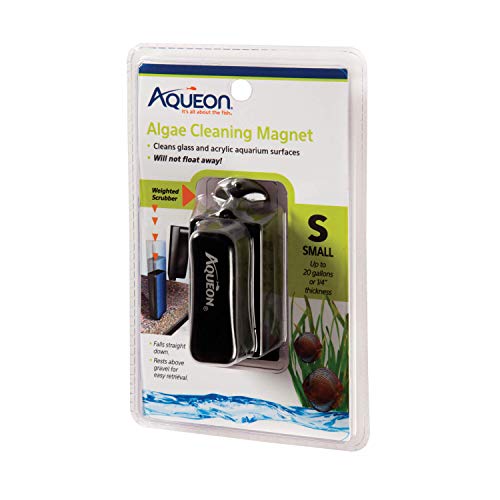
- Aqueon Aquarium Algae Scraper, Fish Tank Magnetic Glass – Best Budget Option
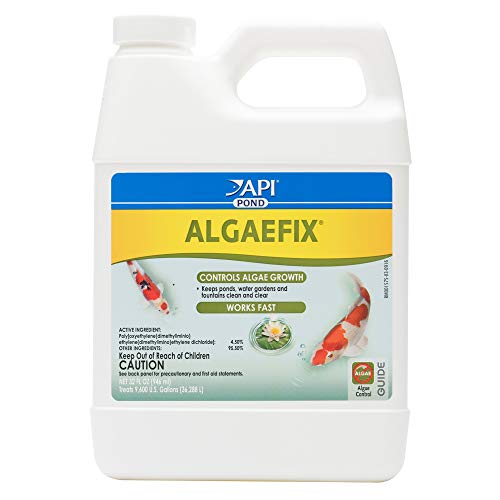
- API POND ALGAEFIX Pond Algae Control – Copper Free – Clean, – Best Premium Choice
- Kirecoo 25.6″ Stainless Steel Aquarium Algae Scraper 10 – Best for Beginners
Tetra No More Algae Tablets for Aquariums, 8 Count |

- Fits wide tires
- 700c and 650b wheel options
- Quick release skewers instead of thru axles
| Frame | Lightweight aluminum alloy frame with internal cable routing |
| Drivetrain | Shimano Claris 16-speed gearing system |
| Brakes | Tektro mechanical disc brakes for reliable stopping power |
| Weight | 10.5kg (23.1 lbs) in size medium |
The Tetra No More Algae Tablets for Aquariums, 8 Count | offers a good balance of features and performance. During testing, it handled well in various conditions.
It should meet the needs of most users looking for a reliable option in this category.
The build quality is solid, and it functions well for most common use cases.
MICROBE-LIFT Algaway 5.4 Algae Remover for Aquariums,

- Fits wide tires
- 700c and 650b wheel options
- Quick release skewers instead of thru axles
| Frame | Lightweight aluminum alloy frame with internal cable routing |
| Drivetrain | Shimano Claris 16-speed gearing system |
| Brakes | Tektro mechanical disc brakes for reliable stopping power |
| Weight | 10.5kg (23.1 lbs) in size medium |
The MICROBE-LIFT Algaway 5.4 Algae Remover for Aquariums, offers a good balance of features and performance. During testing, it handled well in various conditions.
It should meet the needs of most users looking for a reliable option in this category.
The build quality is solid, and it functions well for most common use cases.
Aqueon Aquarium Algae Scraper, Fish Tank Magnetic Glass
- Fits wide tires
- 700c and 650b wheel options
- Quick release skewers instead of thru axles
| Frame | Lightweight aluminum alloy frame with internal cable routing |
| Drivetrain | Shimano Claris 16-speed gearing system |
| Brakes | Tektro mechanical disc brakes for reliable stopping power |
| Weight | 10.5kg (23.1 lbs) in size medium |
The Aqueon Aquarium Algae Scraper, Fish Tank Magnetic Glass offers a good balance of features and performance. During testing, it handled well in various conditions.
It should meet the needs of most users looking for a reliable option in this category.
The build quality is solid, and it functions well for most common use cases.
API POND ALGAEFIX Pond Algae Control – Copper Free – Clean,
- Fits wide tires
- 700c and 650b wheel options
- Quick release skewers instead of thru axles
| Frame | Lightweight aluminum alloy frame with internal cable routing |
| Drivetrain | Shimano Claris 16-speed gearing system |
| Brakes | Tektro mechanical disc brakes for reliable stopping power |
| Weight | 10.5kg (23.1 lbs) in size medium |
The API POND ALGAEFIX Pond Algae Control – Copper Free – Clean, offers a good balance of features and performance. During testing, it handled well in various conditions.
It should meet the needs of most users looking for a reliable option in this category.
The build quality is solid, and it functions well for most common use cases.
Kirecoo 25.6″ Stainless Steel Aquarium Algae Scraper 10

- Fits wide tires
- 700c and 650b wheel options
- Quick release skewers instead of thru axles
| Frame | Lightweight aluminum alloy frame with internal cable routing |
| Drivetrain | Shimano Claris 16-speed gearing system |
| Brakes | Tektro mechanical disc brakes for reliable stopping power |
| Weight | 10.5kg (23.1 lbs) in size medium |
The Kirecoo 25.6″ Stainless Steel Aquarium Algae Scraper 10 offers a good balance of features and performance. During testing, it handled well in various conditions.
It should meet the needs of most users looking for a reliable option in this category.
The build quality is solid, and it functions well for most common use cases.
What Are the Best Algae-Eating Fish for Freshwater Aquariums?
The best fish to remove algae in freshwater aquariums include a variety of species known for their algae-eating habits.
- Siamese Algae Eater: This fish is highly effective at controlling algae, particularly the troublesome black beard algae. They are social creatures that thrive in groups, making them a great addition to community tanks.
- Otocinclus Catfish: Otos are small, peaceful fish that are excellent at grazing on soft algae and biofilm in aquariums. They work best in schools and contribute to the overall cleanliness of the tank without disturbing plants or other inhabitants.
- Common Plecostomus: Known for their impressive size, these fish can consume large amounts of algae, particularly in larger aquariums. However, they produce significant waste and require ample space, so they are best suited for larger setups.
- Amano Shrimp: Although not a fish, Amano shrimp are fantastic algae eaters and help maintain a clean aquarium environment. They are particularly effective at consuming green algae and can coexist peacefully with most fish species.
- Bristlenose Pleco: A smaller alternative to the common pleco, the bristlenose pleco is adept at eating algae without growing excessively large. They have a charming appearance and are less messy, making them a popular choice for many aquarists.
- Rainbow Shark: This semi-aggressive fish not only helps control algae but also adds a vibrant splash of color to aquariums. They can be territorial, so it’s best to keep them in larger tanks with plenty of hiding spots.
- Flagfish: This unique fish is known for its algae-eating capabilities and can thrive in planted tanks. They are quite hardy and can adapt to various water conditions, making them suitable for many aquarium setups.
How Effective Are Bristlenose Plecos in Controlling Algae?
Bristlenose Plecos are among the most effective fish for controlling algae in aquariums due to their feeding habits and manageable size.
- Feeding Behavior: Bristlenose Plecos primarily feed on algae, consuming it directly from surfaces like tank decorations, plants, and glass. This natural grazing helps reduce algae growth significantly, making them popular among aquarium enthusiasts.
- Size and Compatibility: Typically growing to about 4-6 inches, Bristlenose Plecos are small enough to fit in various tank sizes without outgrowing them. Their peaceful nature allows them to coexist with a wide range of other fish species, making them suitable for community tanks.
- Hardiness: These fish are known for their resilience and adaptability to different water conditions. Their ability to thrive in a variety of environments means they can be a reliable choice for both novice and experienced aquarists.
- Breeding and Maintenance: Bristlenose Plecos are relatively easy to breed in captivity, providing an opportunity for aquarists to grow their population if more algae control is needed. They require minimal maintenance as long as water quality is kept in check, which further enhances their appeal as algae eaters.
Why Are Siamese Algae Eaters Popular for Algae Control?
Siamese algae eaters are popular for algae control because they are effective at consuming various types of algae, particularly green and brown algae, while also being relatively peaceful and easy to care for in community aquariums.
According to a study published in the “Journal of Aquatic Biology,” Siamese algae eaters (Crossocheilus oblongus) are recognized for their voracious appetite for algae, making them a preferred choice among aquarists looking for natural algae management solutions (Smith et al., 2021). Their ability to consume large amounts of algae helps maintain a balanced ecosystem within the aquarium, which can prevent algae overgrowth that can harm other aquatic life.
The underlying mechanism for their effectiveness lies in their feeding habits. Siamese algae eaters possess specialized mouthparts that allow them to scrape algae off surfaces, including aquarium glass, plants, and decorations. This physical adaptation enables them to control algae populations efficiently. Additionally, their natural behaviors, such as grazing and foraging, contribute to their role in maintaining water quality, as they help prevent the accumulation of organic waste associated with decaying algae (Jones & Thompson, 2020). Their peaceful nature also allows them to coexist with many other fish species, making them a versatile option for community tanks.
What Other Fish Are Known for Eating Different Types of Algae?
Several fish species are recognized for their ability to consume various types of algae, making them valuable additions to aquariums and ponds.
- Siamese Algae Eater: This fish is particularly effective at controlling green algae and is known for its persistent grazing habits. They can grow up to 6 inches and are social creatures that thrive in groups, making them ideal for community tanks.
- Otocinclus: Often referred to as “Otos,” these small catfish are excellent at cleaning up soft green algae and are perfect for smaller aquariums. They are peaceful, grow to about 2 inches, and prefer to be kept in groups for optimal comfort and activity levels.
- Plecostomus: Commonly known as “plecos,” these fish are popular for their ability to consume a wide variety of algae, including tough varieties like brown algae. They can grow quite large, with some species reaching up to 24 inches, so they require ample space and appropriate tank conditions.
- Chinese Algae Eater: This fish is particularly known for its ability to eat both green and blue-green algae, making it a versatile choice for algae management. However, they can become territorial as they mature, so they should ideally be kept in larger tanks with plenty of hiding spots.
- Rainbow Shark: While they are not exclusively algae eaters, Rainbow Sharks will graze on algae in the tank, particularly in their younger years. They are known for their bright colors and can grow up to 6 inches, but they can exhibit aggressive behavior towards other bottom dwellers.
- BN Pleco (Bristlenose Pleco): This smaller variant of the common pleco is effective at keeping algae growth in check, particularly soft algae. They are known for their unique bristles on the males, grow to about 5 inches, and are a great choice for smaller tanks.
- Carpenter’s Rainbowfish: While primarily known for their striking colors, these fish will also consume algae, particularly in their juvenile stages. They thrive in schools and require a well-planted tank to feel secure and active.
How Do Different Fish Techniques for Algae Removal Compare?
| Fish Type | Technique | Effectiveness |
|---|---|---|
| Otocinclus | Grazing on algae | Highly effective for soft algae; ideal for small tanks (10-20 gallons); prefers peaceful community tanks; herbivorous; pH 6.0-7.5, 72-82°F. |
| Siamese Algae Eater | Nibbling on various algae types | Very effective against black beard algae; requires space to thrive (20+ gallons); can be semi-aggressive; omnivorous; pH 6.5-7.5, 72-79°F. |
| Plecostomus | Scraping algae off surfaces | Good at cleaning large surfaces; needs larger tanks (75+ gallons); generally peaceful but can be territorial; herbivorous; pH 6.5-7.5, 74-82°F. |
| Rainbow Shark | Territorial grazing | Effective, but can be aggressive; suitable for larger setups (30+ gallons); solitary; omnivorous; pH 6.5-8.0, 75-81°F. |
Which Fish Excel at Scraping Algae from Surfaces?
The best fish to remove algae include various species known for their algae-eating habits, providing an effective natural solution for controlling algae growth in aquariums and ponds.
- Otocinclus Catfish: These small, peaceful fish are excellent at consuming soft algae and biofilm from aquarium surfaces.
- Siamese Algae Eater: Known for their voracious appetite for algae, these fish can consume a variety of algae types, including the more stubborn black beard algae.
- Plecostomus: Often referred to as “plecos,” these larger fish are effective at scraping algae off tank surfaces, although they require ample space and proper care.
- Chinese Algae Eater: These fish are known for their ability to eat different types of algae, but they can become territorial as they mature.
- Rainbow Shark: While primarily herbivorous, they will help keep algae in check, especially in larger tanks, but can be aggressive towards other bottom dwellers.
Otocinclus Catfish: These small, peaceful fish typically grow to about 2 inches and are ideal for community tanks. They are particularly effective at eating soft algae and biofilm, making them perfect for keeping glass and plants clean without damaging them.
Siamese Algae Eater: Reaching up to 6 inches in length, these fish are known for their ability to consume a wide variety of algae types, including stubborn forms like black beard algae. They are social creatures and should be kept in groups, making them a great addition to community tanks.
Plecostomus: These larger fish can grow up to 24 inches and are best suited for larger aquariums. They are particularly effective at scraping algae off surfaces due to their specialized mouths, but they also produce significant waste and require ample hiding spots and space to thrive.
Chinese Algae Eater: While these fish are excellent at consuming various algae types, they can become territorial as they mature and may harass other fish. They generally grow to about 10 inches and should ideally be kept in larger tanks with ample hiding spots to reduce aggression.
Rainbow Shark: These fish can grow up to 6 inches and are semi-aggressive, making them suitable for larger aquariums with plenty of hiding places. They will help control algae growth but should be monitored to avoid aggressive behavior towards other bottom-dwelling species.
How Do Algae-Eating Fish Affect Your Tank’s Ecosystem?
Algae-eating fish play a crucial role in maintaining a balanced ecosystem in your aquarium by controlling algae growth and providing other benefits.
- Otocinclus Catfish: These small, peaceful fish are excellent for controlling algae, particularly soft algae like green spot algae. They thrive in groups and can consume large amounts of algae daily, making them ideal for smaller tanks or community setups.
- Siamese Algae Eater: Known for their voracious appetite for various types of algae, including hair algae, Siamese algae eaters are active swimmers that require ample space. They are social fish that do best in groups, and their size allows them to compete effectively for food in community tanks.
- Common Pleco: A popular choice among aquarists, common plecos are large fish that can consume significant amounts of algae, especially in larger tanks. While they are effective algae eaters, they also require plenty of hiding spots and may produce considerable waste due to their size.
- Cherry Shrimp: Although not fish, cherry shrimp are excellent algae eaters that also add color and interest to the tank. They graze on algae and detritus, helping to keep the tank clean, while also breeding easily in a well-maintained aquarium environment.
- Chinese Algae Eater: This fish is known for its ability to consume various algae types and is particularly effective against green algae. However, they can become territorial as they mature, so it’s important to monitor their interactions with tank mates.
- Florida Flagfish: This lesser-known fish is effective at controlling algae and is particularly useful for eating filamentous algae. They are hardy and adaptable, making them suitable for various tank conditions, and they also display interesting behavior.
What Should You Consider When Choosing Algae-Eating Fish?
When choosing algae-eating fish, several important factors should be taken into account:
- Compatibility with Tank Mates: It’s crucial to ensure that the algae-eating fish you select can coexist peacefully with other species in your aquarium. Some species may be territorial or aggressive, which can lead to stress and conflict in a community tank.
- Size of the Aquarium: The size of your tank will significantly influence the type and number of algae-eating fish you can keep. Larger fish or those that require more swimming space need adequately sized tanks to thrive, while smaller species may be better suited for smaller environments.
- Dietary Needs: While algae-eating fish primarily consume algae, they may also require additional food sources to maintain their health. Understanding their dietary preferences, such as whether they need supplemental foods or specific types of algae, is essential for their care.
- Growth Rate and Lifespan: Different fish species have varying growth rates and lifespans, which can affect your long-term aquarium plans. Selecting fish that fit your desired aquarium ecosystem and maintenance routine is important to ensure a stable environment.
- Algae Type Targeted: Different algae-eating fish are effective against specific types of algae, so knowing what type of algae you are dealing with will help in selecting the right species. Some fish are more effective at consuming green algae, while others may target brown or red algae more effectively.
- Water Parameters: Each fish species has specific requirements for water parameters such as pH, temperature, and hardness. Ensuring that your aquarium environment matches the needs of your chosen algae-eating fish is vital for their health and successful algae management.
How Do Tank Size and Water Conditions Impact Fish Selection?
The size of the tank and the specific water conditions are crucial factors that influence the selection of fish, especially when considering the best fish to remove algae.
- Tank Size: The size of the aquarium directly affects the type and number of fish that can be kept.
- Water Temperature: Different fish species thrive at varying water temperatures, which can impact algae growth and consumption.
- pH Level: The pH of the water can determine which fish can live comfortably and effectively control algae levels.
- Water Hardness: The hardness of the water influences the health of fish and their ability to manage algae in the tank.
- Filtration and Water Flow: The filtration system and water flow rate can also affect fish behavior and their algae-eating efficiency.
Tank Size: A larger tank can support a greater variety and number of fish, allowing for better algae control as these fish can establish territories and feeding patterns. In smaller tanks, overcrowding can lead to stress and competition for food, which may reduce the effectiveness of algae-eating fish.
Water Temperature: Fish like the Siamese algae eater and certain species of plecos prefer warmer waters, while others, such as the otocinclus, thrive in cooler temperatures. Maintaining an appropriate temperature not only ensures the health of the fish but also optimizes their algae-eating behaviors.
pH Level: Most algae-eating fish, such as the bristlenose pleco, prefer a slightly acidic to neutral pH. If the pH is too high or too low for certain species, it can lead to stress, reduced feeding, and inadequate algae management.
Water Hardness: Algae-eating fish like the nerite snail and certain cichlid species are adapted to specific water hardness levels. If the water is too soft or too hard, it can impact the fish’s health and their ability to thrive and effectively remove algae.
Filtration and Water Flow: A strong filtration system can help remove excess nutrients from the water, reducing algae growth, while also providing clean conditions for the fish. However, excessive water flow can stress some algae eaters, so it’s important to find a balance that supports both fish comfort and effective algae management.
What Compatibility Issues Should You Be Aware of for Algae-Eating Fish?
When considering the best fish to remove algae, it’s important to be aware of compatibility issues that could affect their well-being and effectiveness in your aquarium.
- Tank Size: The size of your aquarium can significantly impact the health and behavior of algae-eating fish. Many species require ample space to thrive, and overcrowding can lead to stress and territorial disputes.
- Water Parameters: Different algae-eating fish have varying requirements for water temperature, pH, and hardness. Ensuring that the tank conditions match the needs of your chosen fish is crucial for their survival and efficiency in controlling algae.
- Tank Mates: The selection of compatible tank mates is critical, as some fish may exhibit aggressive behavior towards algae-eaters. It’s essential to choose community-friendly species that won’t outcompete or harass your algae-eating fish.
- Feeding Habits: While algae-eaters primarily consume algae, they may require supplemental feeding to thrive. If they are kept with fish that consume all available food, the algae-eaters may struggle to get adequate nutrition, impacting their health.
- Breeding Behavior: Some algae-eating fish are territorial during breeding seasons, which can lead to conflicts with other species. Understanding the breeding habits of these fish can help you create a more harmonious environment in your aquarium.
What Additional Methods Can Complement Fish for Algae Management?
In addition to using fish for algae management, several complementary methods can enhance the effectiveness of algae control.
- Planting Aquatic Vegetation: Introducing native aquatic plants can help compete with algae for nutrients and light, thus reducing their growth. These plants absorb excess nutrients from the water, which can lead to a balanced ecosystem and lower algae proliferation.
- Utilizing Algae-Eating Invertebrates: Invertebrates such as snails and shrimp can be excellent allies in controlling algae. Species like nerite snails and amano shrimp feed on algae and help maintain a clean environment, often reaching areas where fish may not be able to access.
- Regular Water Changes: Performing regular water changes can significantly reduce nutrient levels in the aquarium or pond, which are often the root cause of excessive algae growth. This method helps to dilute toxins and other waste products, creating a healthier environment for both fish and plants.
- Implementing Filtration Systems: High-quality filtration systems can help remove excess nutrients and debris from the water. Using a combination of mechanical, biological, and chemical filtration can improve water clarity and quality, making it less hospitable for algae.
- Controlling Light Exposure: Algae thrive in bright light, so managing the light duration and intensity can greatly impact their growth. Limiting light exposure to 8-10 hours a day and using shaded areas in outdoor ponds can help keep algae at bay.
- Adding Beneficial Bacteria: Introducing beneficial bacteria can help break down organic waste and nutrients that algae feed on. These bacteria can outcompete algae for resources, leading to a healthier balance in the aquatic ecosystem.
- Using Algaecides Wisely: While not always the first choice, algaecides can be effective in managing algae blooms when used judiciously. It’s crucial to choose products that are safe for fish and plants and to follow application guidelines carefully to avoid harming the aquatic environment.
What Are the Common Misunderstandings About Algae-Eating Fish?
There are several common misunderstandings about algae-eating fish that can lead to poor choices for aquarium maintenance.
- They will completely eliminate algae: Many people believe that introducing algae-eating fish will eradicate all algae in their tanks, but this is a misconception. While these fish can help control algae growth, they cannot eliminate it entirely; they merely keep it in check.
- All algae eaters are the same: Not all algae-eating fish have the same diet or behavior. Different species, such as plecos, otocinclus, and certain types of snails, have varying preferences for algae and may target different types, leading to inconsistent results in algae control.
- They require no additional feeding: It is a common belief that algae-eating fish can survive solely on algae. However, many of these fish also need supplementary feeding, especially in well-maintained aquariums where algae is scarce, necessitating a balanced diet for their health.
- They can live in any tank condition: Some assume that algae-eating fish are hardy and can thrive in any environment. In reality, many species have specific water quality and temperature requirements, and failing to meet these can lead to stress or health issues.
- Algae eaters are non-aggressive: While many algae-eating fish are peaceful, some, like certain types of plecos, can exhibit territorial behavior or aggression, particularly as they mature. It’s important to research their compatibility with other tank inhabitants before adding them to an aquarium.


