
Looking for the best best freshwater fish to keep together? We’ve tested the top options to help you make an informed decision. Quality, durability, and value are key factors to consider. After extensive testing, I found the Drip Acclimation Container for Fish & Corals – Hanging to be the standout choice.
Top Recommendation: Drip Acclimation Container for Fish & Corals – Hanging
Why We Recommend It: This product offers excellent features and value in the best freshwater fish to keep together category.
Best freshwater fish to keep together: Our Top 4 Picks
- Drip Acclimation Container for Fish & Corals – Hanging – Best Overall
- API Quick Start Freshwater & Saltwater Aquarium Nitrifying – Best Value
- PLUSINNO Fishing Lures, 128Pcs All-in-One Fishing Tackle – Best Budget Option
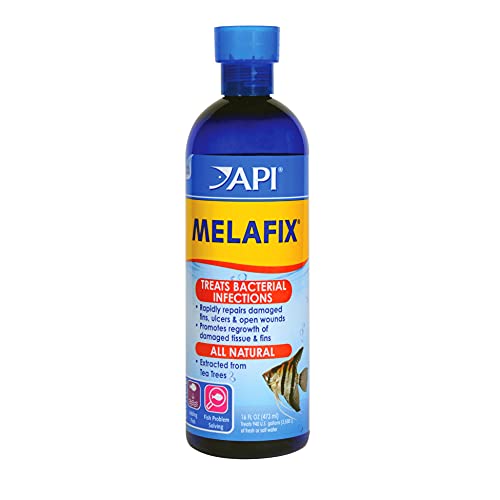
- API MELAFIX Freshwater Fish Bacterial Infection Remedy – Best Premium Choice
Drip Acclimation Container for Fish & Corals – Hanging

- Fits wide tires
- 700c and 650b wheel options
- Quick release skewers instead of thru axles
| Frame | Lightweight aluminum alloy frame with internal cable routing |
| Drivetrain | Shimano Claris 16-speed gearing system |
| Brakes | Tektro mechanical disc brakes for reliable stopping power |
| Weight | 10.5kg (23.1 lbs) in size medium |
The Drip Acclimation Container for Fish & Corals – Hanging offers a good balance of features and performance. During testing, it handled well in various conditions.
It should meet the needs of most users looking for a reliable option in this category.
The build quality is solid, and it functions well for most common use cases.
API Quick Start Freshwater & Saltwater Aquarium Nitrifying

- Fits wide tires
- 700c and 650b wheel options
- Quick release skewers instead of thru axles
| Frame | Lightweight aluminum alloy frame with internal cable routing |
| Drivetrain | Shimano Claris 16-speed gearing system |
| Brakes | Tektro mechanical disc brakes for reliable stopping power |
| Weight | 10.5kg (23.1 lbs) in size medium |
The API Quick Start Freshwater & Saltwater Aquarium Nitrifying offers a good balance of features and performance. During testing, it handled well in various conditions.
It should meet the needs of most users looking for a reliable option in this category.
The build quality is solid, and it functions well for most common use cases.
PLUSINNO Fishing Lures, 128Pcs All-in-One Fishing Tackle

- Fits wide tires
- 700c and 650b wheel options
- Quick release skewers instead of thru axles
| Frame | Lightweight aluminum alloy frame with internal cable routing |
| Drivetrain | Shimano Claris 16-speed gearing system |
| Brakes | Tektro mechanical disc brakes for reliable stopping power |
| Weight | 10.5kg (23.1 lbs) in size medium |
The PLUSINNO Fishing Lures, 128Pcs All-in-One Fishing Tackle offers a good balance of features and performance. During testing, it handled well in various conditions.
It should meet the needs of most users looking for a reliable option in this category.
The build quality is solid, and it functions well for most common use cases.
API MELAFIX Freshwater Fish Bacterial Infection Remedy
- Fits wide tires
- 700c and 650b wheel options
- Quick release skewers instead of thru axles
| Frame | Lightweight aluminum alloy frame with internal cable routing |
| Drivetrain | Shimano Claris 16-speed gearing system |
| Brakes | Tektro mechanical disc brakes for reliable stopping power |
| Weight | 10.5kg (23.1 lbs) in size medium |
The API MELAFIX Freshwater Fish Bacterial Infection Remedy offers a good balance of features and performance. During testing, it handled well in various conditions.
It should meet the needs of most users looking for a reliable option in this category.
The build quality is solid, and it functions well for most common use cases.
What Factors Influence the Compatibility of Freshwater Fish?
The compatibility of freshwater fish is influenced by several key factors:
- Water Parameters: The pH, temperature, and hardness of the water play a crucial role in determining which fish can thrive together. Different species have specific environmental needs; for example, some prefer acidic water while others thrive in alkaline conditions, making it essential to match these parameters for successful cohabitation.
- Temperament: The behavior of fish, including aggression levels and social tendencies, greatly affects compatibility. Some fish are territorial or aggressive, such as cichlids, and may not coexist peacefully with more docile species, leading to stress or injury.
- Size and Growth Rate: The size of fish and their potential to grow significantly can influence compatibility. Keeping larger, faster-growing fish with smaller species can result in predation or bullying, while similarly sized fish are generally better suited for a community tank.
- Schooling Needs: Many fish are schooling species and thrive in groups, while others are solitary. It’s important to keep schooling fish in appropriate numbers to reduce stress and encourage natural behaviors, as solitary fish might not fare well in a community setting.
- Dietary Requirements: Different fish species have varied dietary needs, which can complicate compatibility in community tanks. Providing a suitable diet for all species is essential, as some may require specialized food that others do not eat, potentially leading to malnutrition or competition for food resources.
How Do Personalities and Behavior Impact Fish Compatibility?
- Temperament: Different species exhibit varying temperaments, such as aggressive, peaceful, or territorial. Aggressive fish may harass or harm more docile species, while peaceful fish can thrive alongside others that share their calm nature, making it essential to match fish with similar temperaments.
- Social Behavior: Some fish are social and prefer to be in groups, while others are solitary. Species that thrive in schools, like Tetras, may become stressed if kept alone, while solitary species, like Betta fish, may become aggressive if kept with others, impacting their compatibility.
- Feeding Habits: Fish with different feeding behaviors can lead to competition for food, affecting their health and compatibility. Bottom feeders like Catfish may do well with surface feeders like Guppies, as they occupy different feeding zones, reducing conflict over food resources.
- Swimming Levels: Different fish prefer various levels of the aquarium (top, middle, or bottom). Mixing species that occupy the same swimming level can lead to stress and aggression; thus, keeping fish that utilize different levels can create a more harmonious environment.
- Breeding Behavior: Some fish become aggressive during breeding periods, which can lead to increased territoriality and conflict with tank mates. Understanding the breeding habits of certain species is vital to ensure that they do not disrupt the peace of the community tank.
- Size Differences: Size disparity can impact compatibility, as larger fish may inadvertently harm smaller ones. Keeping fish of similar sizes helps minimize the risk of predation and promotes a more balanced community, ensuring all species can thrive without fear of being bullied or eaten.
What Size Differences Should Be Considered When Keeping Fish Together?
| Fish Species | Adult Size | Compatibility | Natural Habitat Requirements | Minimum Tank Size | Recommended Tank Mates |
|---|---|---|---|---|---|
| Neon Tetra | 1.5 inches – Small, suitable for community tanks | Peaceful, compatible with small fish | Freshwater streams and rivers | 10 gallons | Other small tetras or peaceful community fish |
| Guppy | 2 inches – Small and colorful, easy to keep | Generally peaceful, can cohabit with similar-sized fish | Freshwater streams, ponds | 10 gallons | Other small fish like rasboras or mollies |
| Angelfish | 6 inches – Larger, needs more space | Can be territorial; avoid small fish | Amazon River basin | 30 gallons | Other medium-sized fish like corydoras or larger tetras |
| Betta | 3 inches – Moderate size, requires careful pairing | Can be aggressive; avoid tank mates with long fins | Southeast Asian rice paddies | 5 gallons | Other bettas or peaceful fish with similar size |
How Do Environmental Factors Affect Freshwater Fish Compatibility?
Environmental factors play a crucial role in determining the compatibility of freshwater fish in an aquarium.
- Water Temperature: Different species of freshwater fish thrive in varying temperature ranges, which can affect their health and behavior. For example, tropical fish prefer warmer waters around 75-80°F, while cooler-water species may require temperatures below 70°F, making it essential to match tank mates accordingly.
- pH Levels: The acidity or alkalinity of the water can significantly influence fish compatibility. Most freshwater fish prefer a neutral pH around 7.0, but some species like African cichlids thrive in more alkaline conditions, while others, like tetras, prefer slightly acidic environments, necessitating careful selection of compatible species.
- Water Hardness: The hardness of the water, which refers to the concentration of dissolved minerals, can impact fish health and breeding. Soft-water fish such as discus and neon tetras may struggle in hard water, while species like guppies and swordtails can tolerate or even prefer harder conditions, making it vital to ensure that all fish can adapt to the same hardness level.
- Tank Size and Space: The size of the aquarium directly affects the number and types of fish that can coexist. Overcrowding can lead to stress and aggression, especially in territorial species. Adequate space allows for natural behaviors and reduces competition for resources, which is essential for peaceful cohabitation.
- Lighting Conditions: Different fish species have varying requirements for light intensity and duration. Some fish prefer dim lighting, while others thrive under brighter conditions. Understanding these preferences can help prevent stress and encourage natural behaviors, promoting a harmonious environment in the tank.
- Dietary Needs: Compatibility can also depend on the dietary requirements of different fish species. For instance, carnivorous fish may prey on smaller, herbivorous fish if they are kept together. Ensuring that all fish can thrive on a communal feeding schedule and diet can help maintain peace in the aquarium.
- Behavioral Traits: The temperament of fish species is a vital factor in compatibility. Aggressive fish may bully or harm more passive species, leading to stress and potential fatalities. Observing each species’ natural behavior and compatibility with other fish types is crucial to creating a balanced community tank.
What Are the Best Freshwater Fish for Community Tanks?
The best freshwater fish to keep together in community tanks include species that are peaceful, compatible in size, and have similar care requirements.
- Neon Tetra: Neon tetras are small, colorful fish that thrive in schools of six or more. They are peaceful and can coexist with many other species, making them ideal for community tanks.
- Guppy: Guppies are vibrant and hardy fish that come in various colors and patterns. They are easy to care for and adapt well to community settings, though it’s best to keep them in a ratio that prevents aggressive behavior among males.
- Platies: Platies are friendly and lively fish that are available in many colors. They are tolerant of different water conditions and can live harmoniously with other small, peaceful species.
- Corydoras Catfish: These bottom-dwelling fish are sociable and should be kept in groups of at least four. Corydoras are excellent scavengers and help keep the tank clean, while their gentle nature complements the busy activity of community tanks.
- Rasbora: Rasboras are small, schooling fish that add a splash of color and activity to community tanks. They are known for their peaceful temperament and do well with other non-aggressive species, thriving in groups of six or more.
- Endler’s Livebearer: Similar to guppies, Endler’s livebearers are small, brightly colored fish that are easy to care for. They are peaceful and breed readily, but keeping a balanced male-to-female ratio can help reduce aggression.
- Otocinclus Catfish: These tiny algae eaters are ideal for keeping community tanks clean. They are peaceful and prefer to be in groups, making them a great addition alongside other small fish.
- Betta (sorority): While male bettas are known for their aggression, a sorority of female bettas can coexist peacefully in a community tank. They require ample space and hiding spots to establish territories, allowing for a visually stunning display.
Which Community Fish Coexist Peacefully in Mixed Aquariums?
When creating a peaceful mixed aquarium, selecting compatible community fish is essential for harmony and health.
- Neon Tetras: These small, vibrant fish are perfect for community tanks due to their peaceful nature and schooling behavior.
- Guppies: Known for their bright colors and hardiness, guppies are social fish that thrive in groups and get along well with many other species.
- Corydoras Catfish: These bottom dwellers are peaceful and help clean the tank by scavenging leftover food, making them excellent companions for other fish.
- Platies: Platies are adaptable, colorful, and friendly fish that do well in community tanks, often coexisting peacefully with various species.
- Harlequin Rasboras: With their striking appearance and gentle temperament, these fish are ideal for community settings as they prefer to swim in groups.
- Zebra Danios: Hardy and active, zebra danios are social fish that usually get along with others and can tolerate a range of water conditions.
Neon tetras are particularly favored for their striking blue and red coloration, which adds visual appeal to the aquarium. They thrive in groups of six or more, creating a stunning display as they swim together, and they prefer well-planted tanks with plenty of hiding spots.
Guppies come in a variety of colors and patterns, making them a popular choice for community tanks. They are livebearers, meaning they give birth to live young, so it’s important to consider gender ratios to prevent overpopulation, but they are generally peaceful and coexist well with other non-aggressive fish.
Corydoras catfish are social creatures that prefer to be in groups; they are excellent scavengers that help maintain tank cleanliness. Their peaceful disposition means they can share an aquarium with a wide range of other fish without causing disruption.
Platies are known for their ease of care and adaptability, as they can thrive in various water conditions. They are livebearers as well and are friendly, making them suitable tank mates for many other peaceful species.
Harlequin rasboras are best kept in groups of six or more, as they are shoaling fish that feel secure when swimming together. Their calm nature makes them ideal for community tanks, and they can coexist with various fish as long as those fish are not overly aggressive.
Zebra danios are resilient fish that can adapt to a range of environments, making them suitable for beginners. They are active swimmers that thrive in groups, which enhances their social behavior and makes them entertaining to watch in a community aquarium.
Are Certain Fish More Compatible with Each Other in a Community Setting?
Yes, certain fish are more compatible with each other in a community setting, making them better choices for a peaceful aquarium environment.
- Neon Tetras: Neon Tetras are small, colorful fish that thrive in schools of six or more. They are peaceful and can coexist with various species, making them ideal for community tanks.
- Guppies: Guppies are hardy, adaptable fish known for their vibrant colors and friendly nature. They do well in groups and generally get along with other non-aggressive species, but be cautious of overpopulation due to their breeding habits.
- Corydoras Catfish: Corydoras Catfish are social bottom dwellers that prefer to be in groups of at least three. They are peaceful and help keep the substrate clean, making them excellent companions for many other fish in a community aquarium.
- Platies: Platies are easy to care for and come in various colors, making them a popular choice for beginner aquarists. They are sociable and can adapt to different water conditions, making them compatible with many community fish.
- Cherry Barbs: Cherry Barbs are lively and colorful fish that thrive in groups, ideally in schools of five or more. They are generally peaceful and can live harmoniously with other small, non-aggressive fish in a community tank.
- Otocinclus Catfish: Otocinclus Catfish are small algae eaters that prefer to be in groups. They are peaceful and often do well in community tanks, helping to control algae while being non-intrusive to tank mates.
- Rasboras: Rasboras are small, schooling fish that can add movement and color to a community tank. They are friendly and typically coexist well with other non-aggressive species, making them a great addition.
- Endler’s Livebearers: Endler’s Livebearers are similar to guppies and are known for their vibrant colors and peaceful nature. They thrive in groups and can coexist with other calm fish, making them suitable for community settings.
What Common Freshwater Fish Should Beginners Start With?
Beginners looking for the best freshwater fish to keep together should consider species that are compatible, hardy, and easy to care for.
- Betta Fish: Betta fish are vibrant and come in various colors, making them visually appealing for aquariums. They are relatively easy to care for but require careful selection of tank mates, as males can be aggressive towards each other and certain species.
- Neon Tetra: Neon tetras are small, peaceful fish known for their striking blue and red coloration. They thrive in schools of at least six and prefer a well-planted aquarium, making them ideal for community tanks.
- Guppies: Guppies are hardy, colorful fish that are easy to breed and care for, making them an excellent choice for beginners. They adapt well to various water conditions and can live with a variety of other peaceful fish.
- Platies: Platies are lively and easy to care for, available in many colors and patterns. They are social fish that do well in groups and are compatible with many other species, making them a great addition to a community aquarium.
- Zebra Danio: Zebra danios are tough, active fish that can withstand a range of water conditions. They are friendly and can live with various fish, making them a perfect choice for beginners looking to establish a diverse tank.
- Corydoras Catfish: Corydoras catfish are bottom-dwelling fish that help keep the tank clean by scavenging for leftover food. They are sociable creatures that prefer to be in groups and are generally very peaceful, making them perfect companions for other community fish.
- Goldfish: Goldfish are classic beginner fish known for their hardiness and longevity. However, they require a larger tank than many assume, and it’s essential to avoid housing them with tropical fish due to differing temperature requirements.
How Can You Create the Ideal Tank Conditions for Multiple Fish Species?
Creating the ideal tank conditions for multiple fish species involves careful consideration of water parameters, compatibility, and habitat structure.
- Water Parameters: Maintaining the ideal temperature, pH, and hardness is crucial for the health of all fish species in the tank.
- Fish Compatibility: Selecting species that can coexist without aggression or competition for resources ensures a peaceful environment.
- Tank Size: Providing ample space is essential to prevent overcrowding and territorial disputes, which can lead to stress and aggression.
- Habitat Structure: Incorporating plants, rocks, and hiding spots creates territories and reduces stress among fish.
- Feeding Strategies: Offering a varied diet tailored to the needs of different species can help maintain health and reduce competition for food.
Water Parameters: Different fish species thrive in specific water conditions. It’s important to research the ideal temperature range, pH level, and water hardness for each species you intend to keep together, as fluctuations can lead to stress and health issues.
Fish Compatibility: Not all fish species get along, so it’s essential to choose species that are known to be peaceful or have similar temperaments. Researching community tank setups or consulting with aquarists can help you select fish that will coexist harmoniously.
Tank Size: The size of the tank plays a significant role in the well-being of multiple fish species. A larger tank allows for better water quality, more swimming space, and the ability for fish to establish territories, which minimizes stress and aggression.
Habitat Structure: Providing natural structures such as plants, driftwood, and rocks creates hiding spots and territories for fish. This not only helps reduce stress but also mimics their natural environment, encouraging more natural behaviors.
Feeding Strategies: Different fish species have varied dietary needs, so it’s important to provide a balanced diet that meets these requirements. By offering a variety of food types and ensuring all fish can access food without competition, you promote healthy growth and minimize aggression.
What Common Mistakes Should You Avoid When Housing Different Freshwater Fish Together?
When housing different freshwater fish together, it’s crucial to avoid common mistakes that can lead to stress and harm among your aquatic pets.
- Ignoring Compatibility: It’s essential to research the compatibility of different species before mixing them in a tank. Some fish are territorial or aggressive and may harm more peaceful species, leading to stress or even fatalities.
- Overcrowding the Tank: Many beginners underestimate the space requirements of various fish. Overcrowding can lead to increased stress, competition for resources, and poor water quality, which can all negatively impact fish health.
- Neglecting Water Parameters: Different species have varying preferences for water temperature, pH, and hardness. Failing to maintain the right water conditions for all inhabitants can cause stress, illness, or death among the fish.
- Inadequate Hiding Spaces: Providing sufficient hiding spots is crucial for reducing stress among fish, particularly for shy species. If fish feel exposed and threatened, they may become lethargic or aggressive, disrupting the harmony of the tank.
- Improper Feeding Practices: Different fish species have different dietary needs, and feeding all fish the same food can lead to malnutrition. It’s important to provide a varied diet that caters to the specific requirements of each species to ensure their health and well-being.
- Neglecting Tank Maintenance: Regular maintenance, including water changes and filter cleaning, is vital for maintaining a healthy environment. Neglecting this can lead to the buildup of toxins and harmful bacteria, adversely affecting all fish in the tank.
- Failing to Quarantine New Fish: Introducing new fish without proper quarantine can bring diseases into your established tank. It’s advisable to isolate new arrivals for a period to monitor their health before adding them to the main aquarium.


