
Looking for the best best planted tank? We’ve tested the top options to help you make an informed decision. Quality, durability, and value are key factors to consider. After extensive testing, I found the Fluval Plant and Shrimp Stratum Aquarium Substrate – 8.8 lb to be the standout choice.
Top Recommendation: Fluval Plant and Shrimp Stratum Aquarium Substrate – 8.8 lb
Why We Recommend It: This product offers excellent features and value in the best planted tank category.
Best planted tank: Our Top 5 Picks
- Fluval Plant and Shrimp Stratum Aquarium Substrate – 8.8 lb – Best Overall
- Fluval 12695 Plant and Shrimp Stratum for Freshwater Fish – Best Value
- Thrive Planted Aquarium Fertilizer -All in One Planted Tank – Best Budget Option
- hygger Auto On Off LED Aquarium Light 48-55 Inches Dimmable – Best Premium Choice
- Korvuli Dragon Stone Aquascaping Rocks, 1 lb, Aquarium – Best for Beginners
Fluval Plant and Shrimp Stratum Aquarium Substrate – 8.8 lb

- Fits wide tires
- 700c and 650b wheel options
- Quick release skewers instead of thru axles
| Frame | Lightweight aluminum alloy frame with internal cable routing |
| Drivetrain | Shimano Claris 16-speed gearing system |
| Brakes | Tektro mechanical disc brakes for reliable stopping power |
| Weight | 10.5kg (23.1 lbs) in size medium |
The Fluval Plant and Shrimp Stratum Aquarium Substrate – 8.8 lb offers a good balance of features and performance. During testing, it handled well in various conditions.
It should meet the needs of most users looking for a reliable option in this category.
The build quality is solid, and it functions well for most common use cases.
Fluval 12695 Plant and Shrimp Stratum for Freshwater Fish

- Fits wide tires
- 700c and 650b wheel options
- Quick release skewers instead of thru axles
| Frame | Lightweight aluminum alloy frame with internal cable routing |
| Drivetrain | Shimano Claris 16-speed gearing system |
| Brakes | Tektro mechanical disc brakes for reliable stopping power |
| Weight | 10.5kg (23.1 lbs) in size medium |
The Fluval 12695 Plant and Shrimp Stratum for Freshwater Fish offers a good balance of features and performance. During testing, it handled well in various conditions.
It should meet the needs of most users looking for a reliable option in this category.
The build quality is solid, and it functions well for most common use cases.
Thrive Planted Aquarium Fertilizer -All in One Planted Tank

- Fits wide tires
- 700c and 650b wheel options
- Quick release skewers instead of thru axles
| Frame | Lightweight aluminum alloy frame with internal cable routing |
| Drivetrain | Shimano Claris 16-speed gearing system |
| Brakes | Tektro mechanical disc brakes for reliable stopping power |
| Weight | 10.5kg (23.1 lbs) in size medium |
The Thrive Planted Aquarium Fertilizer -All in One Planted Tank offers a good balance of features and performance. During testing, it handled well in various conditions.
It should meet the needs of most users looking for a reliable option in this category.
The build quality is solid, and it functions well for most common use cases.
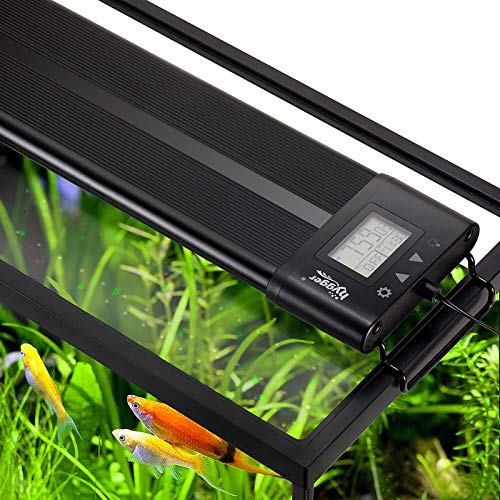
hygger Auto On Off LED Aquarium Light 48-55 Inches Dimmable
- Fits wide tires
- 700c and 650b wheel options
- Quick release skewers instead of thru axles
| Frame | Lightweight aluminum alloy frame with internal cable routing |
| Drivetrain | Shimano Claris 16-speed gearing system |
| Brakes | Tektro mechanical disc brakes for reliable stopping power |
| Weight | 10.5kg (23.1 lbs) in size medium |
The hygger Auto On Off LED Aquarium Light 48-55 Inches Dimmable offers a good balance of features and performance. During testing, it handled well in various conditions.
It should meet the needs of most users looking for a reliable option in this category.
The build quality is solid, and it functions well for most common use cases.
Korvuli Dragon Stone Aquascaping Rocks, 1 lb, Aquarium

- Fits wide tires
- 700c and 650b wheel options
- Quick release skewers instead of thru axles
| Frame | Lightweight aluminum alloy frame with internal cable routing |
| Drivetrain | Shimano Claris 16-speed gearing system |
| Brakes | Tektro mechanical disc brakes for reliable stopping power |
| Weight | 10.5kg (23.1 lbs) in size medium |
The Korvuli Dragon Stone Aquascaping Rocks, 1 lb, Aquarium offers a good balance of features and performance. During testing, it handled well in various conditions.
It should meet the needs of most users looking for a reliable option in this category.
The build quality is solid, and it functions well for most common use cases.
What Exactly is a Planted Tank and Why Choose One?
A planted tank is a type of aquarium that incorporates live aquatic plants, creating a vibrant ecosystem while enhancing the aesthetic appeal of the tank.
- Natural Environment: A planted tank mimics a natural aquatic habitat, providing fish and other aquatic creatures with a more comfortable living space. The plants help to replicate a balanced ecosystem, contributing to the overall health of the tank.
- Aesthetic Appeal: Live plants add color, texture, and depth to an aquarium, making it visually striking. A well-designed planted tank can serve as a stunning focal point in any room, showcasing the beauty of both the plants and the fish.
- Water Quality Improvement: Plants play a crucial role in maintaining water quality by absorbing carbon dioxide and releasing oxygen. They also help in reducing harmful nitrates and other toxins, leading to a healthier environment for aquatic life.
- Biological Filtration: The roots of live plants provide additional surfaces for beneficial bacteria to colonize, enhancing the biological filtration process. This helps in breaking down waste products and maintaining stable water parameters.
- Reduced Algae Growth: A well-planted tank can help control algae growth by competing for nutrients and light. Healthy plants can outcompete algae, leading to a cleaner, more balanced aquarium ecosystem.
- Behavioral Enrichment: Aquatic plants offer hiding spots and breeding grounds for fish, making them feel secure and reducing stress. This enrichment can lead to more natural behaviors, improving the overall well-being of the fish.
- Customization and Creativity: A planted tank allows for personal expression through the selection of different plant species, layouts, and aquascaping techniques. Enthusiasts can create unique designs that reflect their style and preferences.
What Are the Essential Components for a Thriving Planted Tank?
The essential components for a thriving planted tank include:
- Lighting: Appropriate lighting is crucial for photosynthesis in plants. The best planted tank requires a light spectrum that supports plant growth, typically ranging from 6500K to 10000K, with a duration of 8 to 12 hours daily to promote healthy growth and minimize algae issues.
- Substrate: The substrate serves as the foundation for plant roots and should be nutrient-rich to support growth. A good planted tank often utilizes a specialized substrate designed for aquatic plants, which provides essential nutrients and holds them in place while allowing for proper drainage and aeration.
- CO2 Injection: Carbon dioxide is a vital element for plant photosynthesis. In a planted tank, CO2 injection systems can significantly enhance plant growth and health, especially in densely planted aquariums, by maintaining optimal CO2 levels that promote vigorous growth.
- Nutrients and Fertilizers: Plants require a variety of macro and micronutrients to thrive. Regularly adding fertilizers tailored for aquariums ensures that plants receive necessary elements like nitrogen, phosphorus, potassium, iron, and trace minerals, which are crucial for growth and vibrant coloration.
- Water Quality: Maintaining high water quality is essential for both plants and fish. Parameters such as pH, hardness, and temperature should be regularly monitored, and performing routine water changes helps remove toxins while replenishing essential minerals, ensuring a stable environment for plant health.
- Plant Selection: Choosing the right species of plants is vital for a balanced ecosystem. The best planted tank features a mix of fast-growing and slow-growing plants that complement each other, with considerations for lighting, CO2 availability, and compatibility with tank inhabitants to create a harmonious environment.
- Filtration: A good filtration system helps maintain water clarity and quality while providing necessary water movement. In a planted tank, it is essential to select a filter that minimizes water turbulence to avoid damaging delicate plants while still effectively removing waste and impurities.
How Does Lighting Impact Photosynthesis in a Planted Tank?
- Light Intensity: The intensity of light affects the rate of photosynthesis; too low can limit plant growth, while too high can cause algae blooms.
- Light Spectrum: Different wavelengths of light are absorbed by plants for photosynthesis; red and blue light are particularly important for promoting growth.
- Photoperiod: The duration of light exposure each day influences plant health; an appropriate photoperiod can support optimal growth and flowering.
- Light Positioning: The placement of lights can affect how evenly light is distributed throughout the tank, ensuring all plants receive adequate illumination.
- Light Quality: Good quality light sources, such as LED or fluorescent bulbs specifically designed for plant growth, can enhance photosynthesis compared to ordinary lighting.
What Type of Substrate Supports Plant Growth Best?
The main options for substrates that support plant growth in the best planted tank are:
- Aquasoil: A nutrient-rich substrate designed specifically for aquatic plants.
- Gravel: A common substrate that provides good drainage but may require additional fertilization.
- Sand: Fine particles that can create an aesthetically pleasing look but may pose challenges for rooting plants.
- Clay-based substrates: These offer excellent nutrient retention and are suitable for heavy root systems.
- Eco-Complete: A volcanic soil product that provides nutrients and a natural appearance.
Aquasoil: This substrate is composed of volcanic soil and is rich in organic matter, which promotes healthy root development. It helps to maintain stable pH levels and provides essential nutrients over time, making it ideal for a thriving planted tank. Additionally, its porous structure enhances water retention while allowing for good aeration.
Gravel: Gravel is widely used due to its availability and ease of maintenance. While it allows for excellent water flow and prevents compaction, it may not supply necessary nutrients for plant growth on its own, often requiring the addition of liquid fertilizers or root tabs. Its neutral pH can be beneficial for a variety of plant species.
Sand: Sand creates a smooth and clean appearance in aquascapes but can hinder water circulation and root growth if not managed properly. It can compact easily, leading to anaerobic conditions that may suffocate plant roots. However, certain plants like crypts and swords thrive in sandy environments when paired with proper fertilization.
Clay-based substrates: These substrates are highly effective in holding nutrients and moisture, which is vital for plant health. Their structure allows roots to penetrate easily, promoting robust growth. They are often used in aquariums with larger and more demanding plant species that require stable anchorage and nutrient access.
Eco-Complete: Eco-Complete is an all-in-one substrate that provides a mixture of nutrients, trace elements, and beneficial bacteria. Its natural appearance mimics real soil, helping create a biotope environment for aquatic plants. It also supports healthy microbial life that assists in breaking down organic waste, further enhancing plant growth.
Why is CO2 Injection Critical for Healthy Aquatic Plants?
The underlying mechanism of CO2 injection involves the dissolution of carbon dioxide in water, forming carbonic acid, which subsequently dissociates into bicarbonate and carbonate ions. These forms of carbon are readily available for uptake by aquatic plants. When CO2 levels are elevated, plants can optimize their photosynthesis rates, leading to increased biomass production, improved nutrient uptake, and enhanced resilience against algae, which can thrive in environments where plant growth is stunted due to low CO2 levels.
Furthermore, the relationship between CO2 availability and plant health is exacerbated by light intensity and nutrient levels in the tank. Higher light conditions can increase the demand for CO2, which means that without adequate injection, plants may struggle to utilize the available light effectively. This could lead to deficiencies, poor growth, and increased competition with algae, further complicating the tank’s ecosystem dynamics.
What Are the Best Plants to Include in a Planted Tank?
The best plants to include in a planted tank enhance the aquarium’s beauty and provide essential benefits for aquatic life.
- Anubias: Anubias is a hardy, low-light plant that thrives in various water conditions. Its broad leaves provide excellent hiding spots for fish and it can be attached to rocks or driftwood, making it versatile in aquascaping.
- Java Fern: Java Fern is another popular choice for beginners due to its resilience and adaptability. It does not require substrate planting and can grow in low to moderate light, making it ideal for low-maintenance tanks.
- Cryptocoryne: Cryptocoryne species offer a variety of shapes and colors, adding diversity to your tank. They prefer stable water conditions and moderate lighting, making them suitable for a variety of setups.
- Amazon Sword: Amazon Sword is a larger plant that can serve as a centerpiece in a planted tank. It requires nutrient-rich substrate and moderate to high light, growing tall and providing ample cover for smaller fish.
- Marimo Moss Ball: This unique algae formation is not only decorative but also serves to improve water quality by absorbing toxins. Marimo Moss Balls are low-maintenance and can be placed anywhere in the tank, making them a fun addition.
- Water Wisteria: Water Wisteria is an easy-to-grow plant that can rapidly grow and provide excellent coverage in the tank. It thrives in a variety of lighting and helps absorb excess nutrients, thus reducing algae growth.
- Pogostemon Helferi: Known for its unique, bushy appearance, Pogostemon Helferi adds texture to your aquascape. It prefers moderate light and requires a nutrient-rich substrate to thrive, but its striking look makes the effort worth it.
- Vallisneria: Vallisneria is a fast-growing, grass-like plant that creates a natural habitat for fish. It can grow tall and provides a great backdrop for smaller plants, thriving in a range of lighting conditions and providing excellent cover.
Which Plants Are Low-Maintenance for Beginners?
The best low-maintenance plants for beginners in a planted tank setting include:
- Java Fern: This hardy plant thrives in low light and does not require substrate to grow, making it ideal for beginners. It can be attached to rocks or driftwood, and its unique leaf structure adds aesthetic appeal to any aquarium.
- Anubias: Known for its resilience, Anubias can grow in various conditions and can also be attached to hardscapes. This slow-growing plant is tolerant of a range of water parameters, making it a reliable choice for novice aquarists.
- Cryptocoryne: Cryptocoryne plants are easy to care for and adapt well to different tank conditions. They come in various colors and sizes, providing visual diversity without demanding high light or CO2 levels.
- Amazon Sword: This robust plant is well-suited for beginners, as it grows quickly and provides excellent cover for fish. With proper lighting and occasional fertilization, the Amazon Sword can flourish, enhancing the overall tank environment.
- Marimo Moss Ball: Marimo moss balls are not only low-maintenance but also fun to care for, as they require minimal attention and can help maintain water quality by absorbing excess nutrients. They can be placed anywhere in the tank and do not need planting in substrate.
- Pothos: While often considered a terrestrial plant, Pothos can thrive in a tank with its roots submerged. It’s incredibly forgiving and helps filter water while adding a lush, green look to your aquarium.
How Do You Select Compatible Fish for Your Planted Tank?
Selecting compatible fish for your planted tank is crucial for maintaining a healthy ecosystem and ensuring the well-being of both the fish and the plants.
- Size Compatibility: It’s important to choose fish that are appropriate in size for your tank and won’t outgrow their environment. Larger species can uproot plants or create stress among smaller fish, leading to potential harm.
- Temperament: Consider the temperament of the fish species you intend to introduce. Peaceful community fish, such as tetras or guppies, are generally better suited for a planted tank, while aggressive species can disrupt the harmony and potentially damage plants.
- Water Parameter Preferences: Different fish have varying preferences for water temperature, pH, and hardness. Researching and selecting species that thrive in similar conditions to your plants will ensure that all inhabitants can flourish together.
- Feeding Habits: Some fish may nibble on plants, so it’s best to choose species that are herbivores or omnivores with a diet that doesn’t include plant matter. This will help maintain the integrity of your aquatic plants while ensuring the fish receive adequate nutrition.
- Schooling Behaviors: Many fish thrive in schools, so it’s essential to keep them in groups of their kind. This not only makes them feel secure but also enhances their natural behaviors, which adds to the overall visual appeal of your planted tank.
What Regular Maintenance Tasks Are Necessary for a Planted Tank?
Regular maintenance tasks are essential to keep a planted tank thriving and healthy.
- Water Changes: Regular water changes are crucial for removing excess nutrients and waste products that can build up over time. Typically, changing 10-20% of the water weekly helps maintain water quality and supports plant health.
- Trimming Plants: Regular trimming of aquatic plants prevents overgrowth and encourages bushier, healthier growth. This task involves cutting back dead or overextended leaves and stems, which helps in maintaining the aesthetic appeal of the tank and allows light to reach lower plants.
- Checking Water Parameters: Monitoring water parameters such as pH, ammonia, nitrites, and nitrates ensures that the aquatic environment remains stable and safe for both plants and fish. Regular testing allows for timely adjustments to keep the tank balanced and healthy.
- Fertilizing: Providing appropriate fertilizers is essential for the growth of aquatic plants, as they require different nutrients to thrive. Liquid fertilizers or root tabs can be used depending on the plants in the tank, and the frequency of application should match the nutrient uptake of the plants.
- Cleaning Substrate: Regularly vacuuming the substrate helps remove detritus and uneaten food, which can lead to algae growth and poor water quality. This process should be done carefully to avoid disturbing plant roots while ensuring the tank remains clean.
- Algae Control: Managing algae growth is vital for a healthy planted tank, which can involve adjusting lighting, reducing nutrient levels, or introducing algae-eating fish or invertebrates. Regular inspection and manual removal of algae can help maintain the visual appeal of the tank.
- Inspecting Equipment: Regularly checking equipment such as filters, heaters, and lights ensures that everything is functioning correctly and efficiently. This maintenance helps prevent equipment failures that can harm both plants and aquatic life.
How Can You Perform Water Changes Effectively?
Performing effective water changes is crucial for maintaining a healthy environment in the best planted tank.
- Frequency of Water Changes: Regular water changes are essential for removing toxins and replenishing nutrients. For a planted tank, a weekly change of 10-20% is often recommended to maintain optimal water quality without disturbing the ecosystem too much.
- Use of Dechlorinated Water: It’s important to use water that has been treated to remove chlorine and chloramines, which can harm fish and plants. You can use a water conditioner or let tap water sit for 24 hours to allow chlorine to evaporate before adding it to your tank.
- Temperature Matching: When adding new water, ensure it matches the tank’s temperature to prevent shocking the aquatic life. Using a thermometer can help you achieve the right balance, ideally keeping the new water within a few degrees of the tank’s temperature.
- Proper Equipment: Utilizing the right tools, such as a siphon or gravel vacuum, can help effectively remove debris and waste from the substrate. This equipment also allows for more efficient and thorough water changes.
- Nutrient Supplementation: After performing a water change, consider adding back any essential nutrients that might have been diluted. This is particularly important in a planted tank where plants rely on certain nutrients for growth and health.
- Monitoring Water Parameters: Regularly testing water parameters such as pH, ammonia, nitrites, and nitrates helps you understand how water changes affect your tank. This ongoing monitoring can guide you in adjusting the frequency and amount of water changed to keep the environment stable.
What Common Challenges Do Planted Tank Owners Face and How to Overcome Them?
- Algae Growth: Algae can quickly become a nuisance in planted tanks, often thriving due to excess nutrients, light, or poor water circulation. To combat this, owners should maintain a balanced nutrient regime, ensure proper lighting durations, and consider introducing algae-eating fish or invertebrates to help manage algae levels.
- Nutrient Deficiencies: Plants in aquariums require a specific balance of nutrients, and deficiencies can lead to poor growth or undesirable plant health. Regular testing of water parameters and the use of fertilizers tailored for aquatic plants can help ensure that plants receive the necessary macro and micronutrients for optimal growth.
- Lighting Issues: Providing the right intensity and spectrum of light is crucial for plant growth, but too much or too little light can lead to problems like algae blooms or stunted growth. It’s important to research the specific light requirements for the plants in your tank and adjust the lighting duration and intensity accordingly.
- CO2 Levels: Carbon dioxide is essential for photosynthesis in aquatic plants, and low CO2 levels can hinder plant growth. Implementing a CO2 injection system or using liquid carbon supplements can help maintain adequate CO2 levels in the tank, promoting healthier plant growth.
- Water Quality: Maintaining optimal water quality is vital for both fish and plants, as parameters like pH, hardness, and ammonia levels can affect the entire ecosystem. Regular water changes, monitoring water parameters with test kits, and utilizing appropriate filtration systems can help ensure a healthy environment for both plants and aquatic life.
- Plant Selection and Compatibility: Choosing the right plants that are compatible with each other and the tank environment can be challenging, especially for beginners. Researching plant requirements and compatibility, as well as considering the tank’s lighting and nutrient conditions, can help in selecting the best plants for a successful planted tank.


