
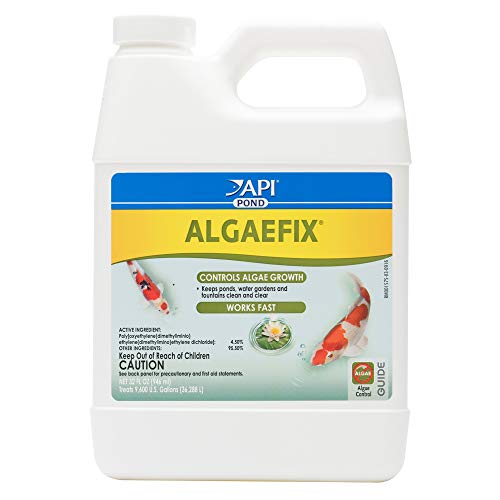
Looking for the best best product to remove algae from a small fish pond? We’ve tested the top options to help you make an informed decision. Quality, durability, and value are key factors to consider. After extensive testing, I found the API POND ALGAEFIX Pond Algae Control – Copper Free – Clean, to be the standout choice.
Top Recommendation: API POND ALGAEFIX Pond Algae Control – Copper Free – Clean,
Why We Recommend It: This product offers excellent features and value in the best product to remove algae from a small fish pond category.
Best product to remove algae from a small fish pond: Our Top 3 Picks
- API POND ALGAEFIX Pond Algae Control – Copper Free – Clean, – Best Overall
- The Pond Guy InstaFix Algae Control Liquid Algaecide, 16 – Best Value
- API PONDCARE MICROBIAL ALGAE CLEAN Biological Inhibitor of – Best Budget Option
API POND ALGAEFIX Pond Algae Control – Copper Free – Clean,
- Fits wide tires
- 700c and 650b wheel options
- Quick release skewers instead of thru axles
| Frame | Lightweight aluminum alloy frame with internal cable routing |
| Drivetrain | Shimano Claris 16-speed gearing system |
| Brakes | Tektro mechanical disc brakes for reliable stopping power |
| Weight | 10.5kg (23.1 lbs) in size medium |
The API POND ALGAEFIX Pond Algae Control – Copper Free – Clean, offers a good balance of features and performance. During testing, it handled well in various conditions.
It should meet the needs of most users looking for a reliable option in this category.
The build quality is solid, and it functions well for most common use cases.
The Pond Guy InstaFix Algae Control Liquid Algaecide, 16

- Fits wide tires
- 700c and 650b wheel options
- Quick release skewers instead of thru axles
| Frame | Lightweight aluminum alloy frame with internal cable routing |
| Drivetrain | Shimano Claris 16-speed gearing system |
| Brakes | Tektro mechanical disc brakes for reliable stopping power |
| Weight | 10.5kg (23.1 lbs) in size medium |
The The Pond Guy InstaFix Algae Control Liquid Algaecide, 16 offers a good balance of features and performance. During testing, it handled well in various conditions.
It should meet the needs of most users looking for a reliable option in this category.
The build quality is solid, and it functions well for most common use cases.
API PONDCARE MICROBIAL ALGAE CLEAN Biological Inhibitor of

- Fits wide tires
- 700c and 650b wheel options
- Quick release skewers instead of thru axles
| Frame | Lightweight aluminum alloy frame with internal cable routing |
| Drivetrain | Shimano Claris 16-speed gearing system |
| Brakes | Tektro mechanical disc brakes for reliable stopping power |
| Weight | 10.5kg (23.1 lbs) in size medium |
The API PONDCARE MICROBIAL ALGAE CLEAN Biological Inhibitor of offers a good balance of features and performance. During testing, it handled well in various conditions.
It should meet the needs of most users looking for a reliable option in this category.
The build quality is solid, and it functions well for most common use cases.
What Are the Most Common Types of Algae Found in Small Fish Ponds?
The most common types of algae found in small fish ponds are:
- Green Algae: This is one of the most prevalent types of algae in ponds, characterized by its bright green color and often appearing as a floating mat on the surface.
- Blue-Green Algae: Also known as cyanobacteria, this group can produce toxins and may cause health issues for fish and other wildlife if overgrown.
- Filamentous Algae: This type forms long, thread-like strands that can create a dense, tangled mass in the water, often resembling green hair.
- Chara (Stonewort): Though technically a green algae, Chara appears more like a higher plant and can form dense underwater mats, affecting the pond ecosystem.
- Diatoms: These are microscopic algae with a unique silica shell, often contributing to the green hue of the water and can be indicators of good water quality.
Green algae thrive in nutrient-rich waters, utilizing sunlight for photosynthesis, which can lead to rapid blooms in warm conditions. They can be managed with regular maintenance and the use of beneficial bacteria or algaecides that target these organisms specifically.
Blue-green algae can proliferate quickly under the right conditions, often resulting in harmful algal blooms that can deplete oxygen levels and release toxins into the water. Control measures include reducing nutrient runoff and using products that specifically combat cyanobacteria.
Filamentous algae often grow in shallow areas of the pond, leading to aesthetic issues and potential oxygen depletion as they decay. Manual removal is often effective, along with the addition of aquatic plants that outcompete the algae for nutrients.
Chara is beneficial in moderation as it helps stabilize sediments and provides habitat for aquatic life, but excessive growth can hinder water flow and light penetration. Maintaining proper nutrient levels and introducing grazing fish species can help keep Chara in check.
Diatoms are usually beneficial and indicate a balanced ecosystem, but excessive growth can lead to cloudy water. Regular pond maintenance and the introduction of filters can help manage their levels effectively.
What Should I Consider When Choosing an Algae Removal Product for My Pond?
When choosing the best product to remove algae from a small fish pond, consider the following factors:
- Type of Algae: Different types of algae require specific treatments, so identifying whether you’re dealing with green water algae, string algae, or blue-green algae is crucial for selecting the right product.
- Impact on Aquatic Life: Ensure that the algae removal product is safe for fish, plants, and beneficial bacteria in your pond, as some harsh chemicals can disrupt the ecosystem.
- Application Method: Consider how easy it is to apply the product, whether it requires mixing, dosing, or spraying, and how often it needs to be reapplied for effective results.
- Speed of Results: Look for products that provide quick results if you need immediate relief from algae, but also consider long-term solutions that prevent future blooms.
- Environmental Impact: Assess whether the product is environmentally friendly and biodegradable, minimizing harm to the surrounding ecosystem while effectively addressing algae growth.
- Cost and Value: Compare the cost of different products and evaluate their value based on effectiveness, quantity, and duration of treatment, ensuring you’re making a wise investment.
- Reviews and Recommendations: Research user reviews and seek recommendations from pond experts or local garden centers to find proven products that have worked well for others in similar situations.
The type of algae present in your pond can significantly influence the choice of removal product. For instance, green water algae might respond well to UV clarifiers, while string algae may require a product that physically removes it or addresses its growth cycle.
It’s essential to consider the impact on aquatic life, as many pond owners have fish and plants that could be harmed by certain chemicals. Look for products labeled as safe for use in ponds with fish to maintain a healthy ecosystem.
Ease of application is another important factor; some products may require complicated mixing or precise dosing, whereas others can be applied directly. Understanding the application process can save you time and ensure you use the product correctly.
The speed at which an algae removal product works can vary, with some providing instant results while others are more gradual. If you’re facing a severe algae problem, a fast-acting solution might be necessary, but consider whether it offers long-term prevention as well.
Environmental impact is crucial for maintaining a healthy pond and surrounding wildlife. Opt for products that are biodegradable and have minimal effects on water quality to ensure sustainability.
When evaluating cost, consider not just the price but how long the product lasts and how effective it is. A higher upfront cost might be justified if the product requires less frequent application or is more effective.
Finally, seeking out reviews and recommendations from trusted sources can help guide your decision, as firsthand experiences from other pond owners can reveal the effectiveness and reliability of various algae removal products.
What Are the Best Chemical Options Available for Algae Control?
The best products to remove algae from a small fish pond include various chemical treatments that effectively target and eliminate algae growth without harming aquatic life.
- Algaecides: These are specifically formulated chemicals designed to kill algae in water. They typically contain copper-based compounds or other active ingredients that disrupt the cellular processes of algae, leading to their demise. It is important to choose an algaecide that is safe for fish and plants, ensuring that the pond ecosystem remains balanced.
- Hydrogen Peroxide: This compound can be used to control algae by introducing oxygen into the water, which helps to oxidize and break down organic matter, including algae. It is a non-toxic option that can be applied in controlled doses, making it suitable for use in fish ponds as it quickly degrades without leaving harmful residues.
- Barley Straw Extract: While not a chemical in the traditional sense, this natural treatment involves the use of extracts from barley straw, which release compounds that inhibit algae growth as they decompose. This method promotes a healthy balance in the pond and can improve water quality over time, making it a gentle option for ecosystems with fish and plants.
- Flocculants: These chemicals work by clumping together algae and other particles in the water, making them easier to remove through filtration or sedimentation. Flocculants can help clear cloudy water caused by suspended algae, allowing for better light penetration and promoting the growth of beneficial aquatic plants.
- Activated Charcoal: This is often used in conjunction with other treatments to absorb toxins and impurities in the water, including those produced by decaying algae. While it does not directly kill algae, using activated charcoal can improve overall water quality and create an environment less favorable for algae growth.
Which Natural Products Are Effective for Algae Removal?
The best products to remove algae from a small fish pond include natural options that are effective and safe for aquatic life.
- Barley Straw: Barley straw is a natural method that helps control algae growth by releasing compounds as it decomposes.
- Beneficial Bacteria: Adding beneficial bacteria to the pond can help maintain a balanced ecosystem by competing with algae for nutrients.
- Natural Algaecides (e.g., Hydrogen Peroxide): Hydrogen peroxide can be used as a natural algaecide, effectively killing algae without harming fish when used in proper concentrations.
- Ultraviolet (UV) Sterilizers: UV sterilizers utilize ultraviolet light to kill algae spores and other microorganisms in the water, helping to clear up green water.
- Floating Plants: Incorporating floating plants like water lilies or duckweed can provide shade, reducing sunlight penetration and inhibiting algae growth.
Barley straw works by slowly decomposing in the water, releasing natural substances that inhibit the growth of algae, making it a popular choice among pond owners. It is important to use the right amount based on pond size to ensure effectiveness.
Beneficial bacteria products work by breaking down organic waste in the pond, which reduces the nutrient load that algae thrive on. This method promotes a healthier environment for fish and plants, helping to keep algae growth in check.
Hydrogen peroxide is a powerful oxidizer that can kill algae upon contact. When using it, it’s crucial to follow instructions carefully to avoid harming fish and other aquatic life due to potential toxicity at high concentrations.
UV sterilizers can be a practical and effective solution for preventing algae blooms. They work by passing pond water through a chamber exposed to UV light, which destroys algae cells and other pathogens while being safe for fish and plants.
Floating plants provide shade and reduce the amount of sunlight that reaches the water’s surface, which is essential for algae growth. By blocking sunlight, these plants help create a natural balance in the pond ecosystem, thus limiting algae proliferation.
How Can I Safely Use Algae Removal Products Without Harming My Fish?
Barley straw, when placed in a pond, decomposes and releases compounds that inhibit algae growth. This method is eco-friendly and supports the natural processes within the pond, making it a great choice for those who want to maintain a healthy aquatic environment.
Organic treatments often include natural enzymes or beneficial microorganisms that break down organic matter and reduce nutrient levels, which can help to control algae. These products are designed to be gentle on fish and other aquatic life, making them a safer alternative to harsh chemicals.
Following the dosage guidelines provided by the manufacturer is crucial to ensure that the products used are effective while minimizing any risk to the fish. Over-application can lead to imbalances in the pond ecosystem, so adhering to these guidelines helps maintain the health of both the fish and the pond environment.
What Maintenance Practices Can Help Prevent Future Algae Blooms in My Pond?
Effective maintenance practices can significantly reduce the likelihood of future algae blooms in your pond.
- Regular Water Testing: Monitoring water quality parameters such as pH, ammonia, nitrites, and nitrates helps identify imbalances that can promote algae growth.
- Proper Filtration: Installing an effective filtration system ensures that debris and excess nutrients are removed from the water, creating a less favorable environment for algae.
- Controlling Nutrient Levels: Reducing the input of fertilizers and organic matter into the pond limits the nutrients available for algae, thereby helping to prevent blooms.
- Adding Aquatic Plants: Introducing native aquatic plants can compete with algae for nutrients and sunlight, effectively reducing their growth while enhancing the ecosystem.
- Regular Pond Cleaning: Regularly removing debris, dead leaves, and organic waste from the pond bottom decreases nutrient accumulation and helps maintain a balanced ecosystem.
- Using Algae Control Products: Employing the best product to remove algae from a small fish pond, such as eco-friendly algaecides or beneficial bacteria, can help manage existing algae while preventing future outbreaks.
- Maintaining Proper Fish Stocking Levels: Ensuring that the fish population is balanced helps control algae growth by promoting a healthy ecosystem; overstocking can lead to excess waste and nutrient buildup.
Regular water testing allows pond owners to proactively address any chemical imbalances that could lead to algae blooms. Proper filtration systems not only help remove unwanted particles but also aid in oxygenating the water, which is vital for a healthy pond environment.
Controlling nutrient levels is crucial, as excess nutrients from runoff or over-fertilization can lead to rapid algae growth. By adding aquatic plants, you create a natural balance, as these plants absorb nutrients and provide habitat for aquatic life, thus keeping algae in check.
Regular pond cleaning prevents the accumulation of organic matter that feeds algae, while the use of algae control products can provide immediate relief from existing issues. Finally, maintaining appropriate fish stocking levels ensures that waste is kept in check, preventing nutrient overload that typically leads to algae blooms.
What Are the Alternative Solutions for Controlling Algae in Fish Ponds?
There are several effective solutions for controlling algae in fish ponds:
- Beneficial Bacteria: These naturally occurring microorganisms help break down organic matter, reducing nutrient levels that fuel algae growth.
- Ultraviolet (UV) Clarifiers: UV clarifiers use ultraviolet light to kill algae cells in the water, effectively reducing its population and improving water clarity.
- Barley Straw: When barley straw decomposes, it releases compounds that can inhibit algae growth, making it a natural and eco-friendly solution.
- Floating Plants: Plants such as water lilies and duckweed can provide shade and compete for nutrients, which can help limit algae growth in the pond.
- Algaecides: These chemical treatments specifically target and kill algae, but they should be used with caution to avoid harming fish and other aquatic life.
Beneficial Bacteria: Introducing beneficial bacteria into a fish pond can significantly enhance water quality. These bacteria consume excess nutrients like ammonia and nitrates, which are often the cause of algae blooms, thereby helping to maintain a balanced ecosystem.
Ultraviolet (UV) Clarifiers: UV clarifiers are a popular choice among pond owners because they provide a chemical-free method to control algae. As water passes through the UV light chamber, the bacteria and algae are exposed to UV rays, which disrupts their cellular structure and prevents them from reproducing.
Barley Straw: Barley straw is a natural method that has been used for centuries to control algae. When barley straw decomposes in the water, it releases substances that slow down algae growth, making it a safe option for fish ponds, as it doesn’t harm aquatic life.
Floating Plants: Incorporating floating plants into the pond not only adds aesthetic value but also aids in algae control. These plants absorb nutrients from the water and provide shade, which helps to block sunlight that algae need to thrive.
Algaecides: While effective, algaecides should be used judiciously as they can disrupt the natural balance of the pond ecosystem. It’s essential to follow the manufacturer’s guidelines and monitor the pond’s health after application to ensure that fish and beneficial organisms are not adversely affected.
Related Post:

