
Looking for the best best reef filter? We’ve tested the top options to help you make an informed decision. Quality, durability, and value are key factors to consider. After extensive testing, I found the Red Sea ReefMat 500 Filter Roller for Saltwater Aquariums to be the standout choice.
Top Recommendation: Red Sea ReefMat 500 Filter Roller for Saltwater Aquariums
Why We Recommend It: This product offers excellent features and value in the best reef filter category.
Best reef filter: Our Top 5 Picks
- Red Sea ReefMat 500 Filter Roller for Saltwater Aquariums – Best Overall
- Red Sea ReefMat 1200 Filter Roller for Saltwater Aquariums – Best Value
- Red Sea ReefMat 250 Filter Roller for Saltwater Aquariums – Best Budget Option
- Aquarium RODI Water System 4-Stage Reverse Osmosis, – Best Premium Choice
- Reef Diaper Disposable Filter Sock Replacement Elements, 4” – Best for Beginners
Red Sea ReefMat 500 Filter Roller for Saltwater Aquariums

- Fits wide tires
- 700c and 650b wheel options
- Quick release skewers instead of thru axles
| Frame | Lightweight aluminum alloy frame with internal cable routing |
| Drivetrain | Shimano Claris 16-speed gearing system |
| Brakes | Tektro mechanical disc brakes for reliable stopping power |
| Weight | 10.5kg (23.1 lbs) in size medium |
The Red Sea ReefMat 500 Filter Roller for Saltwater Aquariums offers a good balance of features and performance. During testing, it handled well in various conditions.
It should meet the needs of most users looking for a reliable option in this category.
The build quality is solid, and it functions well for most common use cases.
Red Sea ReefMat 1200 Filter Roller for Saltwater Aquariums

- Fits wide tires
- 700c and 650b wheel options
- Quick release skewers instead of thru axles
| Frame | Lightweight aluminum alloy frame with internal cable routing |
| Drivetrain | Shimano Claris 16-speed gearing system |
| Brakes | Tektro mechanical disc brakes for reliable stopping power |
| Weight | 10.5kg (23.1 lbs) in size medium |
The Red Sea ReefMat 1200 Filter Roller for Saltwater Aquariums offers a good balance of features and performance. During testing, it handled well in various conditions.
It should meet the needs of most users looking for a reliable option in this category.
The build quality is solid, and it functions well for most common use cases.
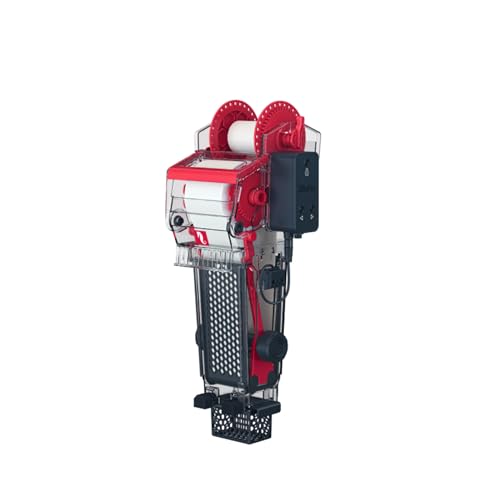
Red Sea ReefMat 250 Filter Roller for Saltwater Aquariums
- Fits wide tires
- 700c and 650b wheel options
- Quick release skewers instead of thru axles
| Frame | Lightweight aluminum alloy frame with internal cable routing |
| Drivetrain | Shimano Claris 16-speed gearing system |
| Brakes | Tektro mechanical disc brakes for reliable stopping power |
| Weight | 10.5kg (23.1 lbs) in size medium |
The Red Sea ReefMat 250 Filter Roller for Saltwater Aquariums offers a good balance of features and performance. During testing, it handled well in various conditions.
It should meet the needs of most users looking for a reliable option in this category.
The build quality is solid, and it functions well for most common use cases.
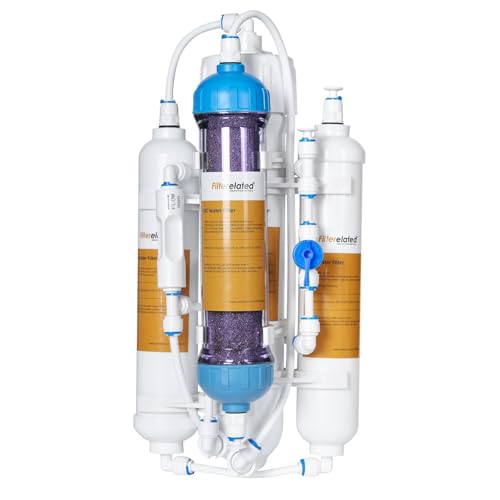
Aquarium RODI Water System 4-Stage Reverse Osmosis,
- Fits wide tires
- 700c and 650b wheel options
- Quick release skewers instead of thru axles
| Frame | Lightweight aluminum alloy frame with internal cable routing |
| Drivetrain | Shimano Claris 16-speed gearing system |
| Brakes | Tektro mechanical disc brakes for reliable stopping power |
| Weight | 10.5kg (23.1 lbs) in size medium |
The Aquarium RODI Water System 4-Stage Reverse Osmosis, offers a good balance of features and performance. During testing, it handled well in various conditions.
It should meet the needs of most users looking for a reliable option in this category.
The build quality is solid, and it functions well for most common use cases.
Reef Diaper Disposable Filter Sock Replacement Elements, 4”

- Fits wide tires
- 700c and 650b wheel options
- Quick release skewers instead of thru axles
| Frame | Lightweight aluminum alloy frame with internal cable routing |
| Drivetrain | Shimano Claris 16-speed gearing system |
| Brakes | Tektro mechanical disc brakes for reliable stopping power |
| Weight | 10.5kg (23.1 lbs) in size medium |
The Reef Diaper Disposable Filter Sock Replacement Elements, 4” offers a good balance of features and performance. During testing, it handled well in various conditions.
It should meet the needs of most users looking for a reliable option in this category.
The build quality is solid, and it functions well for most common use cases.
What Is a Reef Filter and How Does It Work?
Best practices for maintaining a reef filter involve regular cleaning and monitoring of water parameters, such as pH, ammonia, nitrite, and nitrate levels. It is also advisable to replace filter media as needed and to ensure that the filtration system is adequately sized for the volume of water in the aquarium. Utilizing high-quality components and following a consistent maintenance schedule can maximize the effectiveness of a reef filter, ensuring a thriving aquatic environment.
What Are the Different Types of Reef Filters Available?
The different types of reef filters available can significantly impact the health of your aquarium ecosystem.
- Hang-On Back (HOB) Filters: These filters are popular for their ease of installation and maintenance. They hang on the back of the aquarium and draw water through a filter media, providing mechanical and biological filtration while also offering a surface skimmer.
- Cannister Filters: Cannister filters are external units that provide powerful filtration capabilities, suitable for larger tanks. They can handle multiple types of filter media, allowing for customized filtration and are known for their efficiency in maintaining water clarity and quality.
- Reef-Specific Filters: These filters are designed explicitly for reef tanks, incorporating features like protein skimmers and activated carbon. They ensure optimal water parameters for sensitive corals and invertebrates by effectively removing organic waste and toxins.
- Filter Socks: Often used in conjunction with other filtration systems, filter socks are excellent for mechanical filtration. They trap debris and particles in the water, preventing them from entering the main filtration system and ensuring cleaner water in the tank.
- Wet/Dry Filters: These systems are designed to provide maximum biological filtration by combining mechanical and biological processes. Water trickles over filter media, allowing beneficial bacteria to thrive, which helps in breaking down harmful ammonia and nitrites.
How Do I Choose the Right Reef Filter for My Tank Size?
Choosing the right reef filter for your tank size involves considering several factors, including the type of filter, tank volume, and specific filtering needs.
- Canister Filters: These filters are versatile and can handle large volumes of water, making them great for big reef tanks. They provide mechanical, chemical, and biological filtration, allowing you to customize media to suit your tank’s specific needs.
- Hang-on Back (HOB) Filters: Ideal for smaller tanks, HOB filters are easy to install and maintain. They provide good mechanical and chemical filtration but may have limited biological filtration capacity compared to canister filters.
- Internal Filters: Suitable for smaller setups or as additional support in larger tanks, internal filters are compact and can be placed anywhere in the tank. They often have adjustable flow rates, allowing you to customize water movement and filtration efficiency.
- Reef-Specific Filters: These filters are designed specifically for reef tanks and often include specialized media for coral and sensitive marine life. They may come with features like built-in protein skimmers or UV sterilizers, enhancing water quality and clarity.
- Refugium Filters: A refugium acts as a separate ecosystem within your main tank, utilizing live plants and beneficial organisms to naturally filter water. This type of filtration is excellent for nutrient export and promotes overall tank health.
What Factors Should I Consider When Evaluating Reef Filter Performance?
When evaluating reef filter performance, several key factors should be considered to ensure optimal water quality and health for the reef aquarium.
- Filtration Type: The type of filtration method employed (mechanical, biological, or chemical) plays a crucial role in maintaining water quality. Mechanical filters remove physical debris, biological filters promote beneficial bacteria to break down waste, and chemical filters remove toxins, thus a combination is often best for a balanced ecosystem.
- Flow Rate: The flow rate of the filter is essential for ensuring proper circulation of water throughout the tank. A suitable flow rate helps in effective filtration and gas exchange, while also preventing dead spots where waste can accumulate.
- Media Quality: The quality and type of filter media used directly impact the filtration efficiency. High-quality media can provide better surface area for beneficial bacteria or effective absorption of harmful substances, which is crucial for maintaining a healthy reef environment.
- Ease of Maintenance: A filter that is easy to clean and maintain will ensure that the system remains efficient over time. Regular maintenance is vital for optimal performance, so filters designed for easy access and cleaning will save time and effort for the aquarist.
- Size and Compatibility: The size of the filter should be appropriate for the aquarium volume and the types of inhabitants. A filter that is too small may not provide adequate filtration, while an oversized filter can lead to excessive water movement that might stress sensitive reef species.
- Noise Level: The noise produced by the filter can impact the overall enjoyment of the aquarium. Filters that operate quietly are preferable in home environments, especially in living areas where noise can be a concern.
- Cost and Value: While considering the cost of a reef filter, it’s important to evaluate the long-term value it offers. Investing in a high-quality filter may have a higher upfront cost but can lead to lower maintenance costs and better performance over time.
How Important Is Flow Rate in a Reef Filter?
Flow rate is a crucial factor to consider when selecting the best reef filter, as it directly affects the health and stability of the aquarium ecosystem.
- Water Circulation: Adequate flow rate ensures proper water circulation throughout the aquarium, which helps to distribute nutrients and oxygen evenly. This circulation is vital for the well-being of corals and other reef inhabitants as it prevents stagnant areas where harmful bacteria could thrive.
- Filtration Efficiency: The right flow rate enhances the efficiency of mechanical, biological, and chemical filtration processes. If the flow rate is too low, waste can accumulate, leading to poor water quality, whereas an excessively high flow rate may hinder the filter’s ability to effectively remove debris.
- Coral Health: Many reef species, especially corals, depend on specific flow conditions to thrive. A flow rate that matches the needs of the coral species in the tank can promote growth and enhance feeding opportunities, while inappropriate flow can stress them or lead to tissue damage.
- Preventing Algae Growth: Proper flow rates can help minimize algae blooms by keeping nutrients in suspension, allowing for better uptake by filter media and reducing nutrient availability for algae. This balance is essential for maintaining a healthy reef environment.
- Compatibility with Tank Size: The flow rate should be appropriate for the size of the aquarium to ensure that all areas receive sufficient water movement. Larger tanks typically require higher flow rates to achieve the same level of water quality and circulation as smaller tanks.
What Role Do Media and Maintenance Play in Filtration Efficiency?
Regular Maintenance: Regular maintenance, such as cleaning or replacing filter media, is vital to preventing clogging and ensuring optimal water flow. Neglecting maintenance can lead to reduced efficiency, increased nitrate levels, and ultimately harm the delicate balance of a reef ecosystem.
Water Flow Rate: The flow rate must be carefully managed to ensure that water passes through the filter media adequately, allowing for proper filtration. If the flow is too fast, the media may not effectively remove contaminants; if it’s too slow, it could lead to stagnation and buildup of harmful substances.
Biological Filtration: Biological filtration relies on a thriving population of beneficial bacteria that convert harmful ammonia and nitrites into less toxic nitrates. The efficiency of this process is heavily influenced by the type of media used, as different media provide varying surface areas and conditions for bacterial colonization.
What Are the Benefits of Using a High-Quality Reef Filter?
The benefits of using a high-quality reef filter are numerous and essential for maintaining a healthy marine ecosystem.
- Improved Water Clarity: A high-quality reef filter enhances water clarity by effectively removing suspended particles and impurities. This clarity is crucial for the health of corals and marine life as it allows for better light penetration, promoting photosynthesis and reducing stress on aquatic organisms.
- Enhanced Biological Filtration: Many reef filters incorporate advanced biological filtration techniques that cultivate beneficial bacteria. These bacteria break down harmful ammonia and nitrites, converting them into less harmful nitrates, thereby creating a more stable and healthy environment for marine inhabitants.
- Reduced Algae Growth: High-quality reef filters help control nutrient levels in the aquarium, which can significantly reduce algae growth. By efficiently removing excess nutrients, these filters prevent algal blooms that can otherwise suffocate corals and disrupt the balance of the reef ecosystem.
- Increased Oxygenation: Many reef filters also promote better water circulation and oxygenation. This is vital for the respiration of fish and other marine organisms, ensuring that they have sufficient oxygen to thrive in the reef environment.
- Ease of Maintenance: A well-designed reef filter often features user-friendly systems that simplify maintenance. High-quality filters typically have easy access for cleaning and replacing media, making it convenient for aquarium owners to keep their systems running efficiently.
Which Brands Offer the Best Reef Filters on the Market?
The best reef filters on the market are offered by several reputable brands known for their quality and performance.
- Red Sea: Renowned for its high-quality marine products, Red Sea offers the Reefer series, which includes a built-in filtration system that provides excellent mechanical, biological, and chemical filtration. These filters are designed to create a stable environment for reef tanks, ensuring optimal water quality and clarity.
- Neptune Systems: The Apex Fusion system by Neptune Systems integrates advanced filtration with smart technology, allowing for real-time monitoring of water parameters. This brand is well-regarded for its versatility, as it can be customized to suit various reef setups and includes features like automated water changes and dosing control.
- MarineLand: MarineLand’s Magnifica series is popular for its user-friendly design and effective multi-stage filtration. These filters provide excellent water flow and clarity, making them a great choice for beginners and experienced aquarists alike, as they are easy to maintain and set up.
- Fluval: Fluval’s Sea line is designed specifically for saltwater aquariums, incorporating advanced filtration technologies that cater to the needs of reef environments. Their filters are praised for their quiet operation and energy efficiency, while also offering customizable media options to enhance filtration performance.
- Coralife: The Coralife BioCube series includes built-in filtration that promotes a healthy ecosystem for reef tanks. These all-in-one systems are compact and convenient, providing excellent filtration while being designed to fit neatly in smaller spaces, making them ideal for hobbyists with limited room.


