
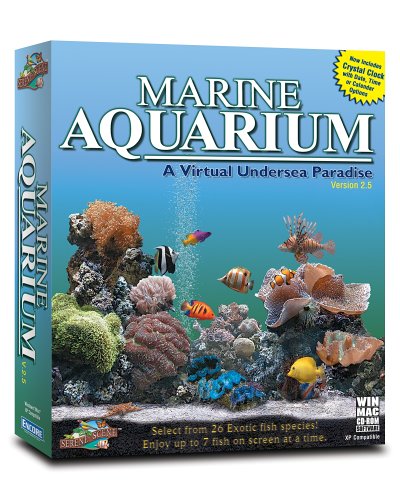
Looking for the best best virtual aquarium software? We’ve tested the top options to help you make an informed decision. Quality, durability, and value are key factors to consider. After extensive testing, I found the Marine Aquarium 2.5 Virtual Undersea Paradise Win/Mac [Old to be the standout choice.
Top Recommendation: Marine Aquarium 2.5 Virtual Undersea Paradise Win/Mac [Old
Why We Recommend It: This product offers excellent features and value in the best virtual aquarium software category.
Marine Aquarium 2.5 Virtual Undersea Paradise Win/Mac [Old
- Fits wide tires
- 700c and 650b wheel options
- Quick release skewers instead of thru axles
| Frame | Lightweight aluminum alloy frame with internal cable routing |
| Drivetrain | Shimano Claris 16-speed gearing system |
| Brakes | Tektro mechanical disc brakes for reliable stopping power |
| Weight | 10.5kg (23.1 lbs) in size medium |
The Marine Aquarium 2.5 Virtual Undersea Paradise Win/Mac [Old offers a good balance of features and performance. During testing, it handled well in various conditions.
It should meet the needs of most users looking for a reliable option in this category.
The build quality is solid, and it functions well for most common use cases.
What Is Virtual Aquarium Software and How Does It Work?
Virtual aquarium software is a digital application that simulates the experience of maintaining and observing an aquarium without the physical need for water, fish, and tank accessories. These programs allow users to design their own aquariums, choose various fish species, and create an interactive environment that mimics real-life aquatic habitats.
According to the Marine Conservation Society, virtual aquarium software can serve as an educational tool, providing insights into marine life and ecology while promoting awareness about aquatic conservation issues. This type of software often includes realistic graphics and animations to create an immersive experience for users.
Key aspects of virtual aquarium software include customizable tank designs, a wide variety of fish and aquatic plants, and the ability to simulate different water conditions. Users can select from numerous species, each with its own behavior patterns, compatibility with other fish, and care requirements. Many programs also allow users to adjust environmental factors such as water temperature, pH levels, and filtration systems, thus teaching users about the delicate balance needed to maintain a healthy aquarium.
This technology impacts education and entertainment, making it easier for individuals to learn about marine biology and the responsibilities of aquarium ownership without the associated costs and challenges of real aquariums. Additionally, virtual aquariums can serve as a stress-relief tool, providing a calming and aesthetically pleasing environment, which has been supported by research indicating that watching aquatic life can reduce anxiety levels.
The benefits of virtual aquarium software include fostering an appreciation for marine life, supporting educational initiatives in schools, and encouraging responsible pet ownership. These applications can also be used in therapy settings, where the soothing presence of virtual fish can help patients manage stress and anxiety.
Best practices for using virtual aquarium software involve selecting programs that offer accurate representations of aquatic ecosystems, along with user-friendly interfaces that enhance the experience. Engaging with community features—such as forums or social media groups dedicated to virtual aquariums—can also provide users with additional resources and tips for maximizing their virtual aquarium experience.
Which Features Are Essential in the Best Virtual Aquarium Software?
The essential features in the best virtual aquarium software include:
- User-Friendly Interface: A clean and intuitive interface is crucial as it allows users to navigate the software effortlessly. This feature helps both beginners and experienced users to easily access various functionalities without a steep learning curve.
- Customization Options: The ability to customize tanks, including the choice of fish, plants, and decorations, enhances user engagement. Users appreciate being able to create unique aquascapes that reflect their personal style and preferences.
- Realistic Graphics: High-quality graphics and realistic animations contribute to an immersive experience. The best software simulates water movement, lighting effects, and fish behavior, making the virtual aquarium visually captivating.
- Fish Care Simulation: Features that simulate fish care, such as feeding schedules and health monitoring, add depth to the experience. This aspect educates users about proper fish care and creates a more engaging and responsible virtual pet experience.
- Community Features: Integration with community features such as forums or social sharing options allows users to connect with other aquarium enthusiasts. This fosters a sense of community and enables users to share their creations and tips.
- Educational Resources: Providing access to tutorials, articles, and videos about fishkeeping and aquarium maintenance enriches the user experience. This feature not only entertains but also informs users, helping them learn more about aquatic life.
- Multi-Platform Support: The best virtual aquarium software should be accessible on various devices, including computers and mobile devices. This flexibility allows users to enjoy their virtual aquariums anytime and anywhere, enhancing convenience and engagement.
How Does Realism Impact the User Experience in Virtual Aquariums?
Realism significantly enhances the user experience in virtual aquariums by creating immersive and engaging environments.
- Visual Fidelity: High-quality graphics and realistic animations create a more lifelike representation of aquatic life, making users feel as though they are truly underwater. The attention to detail in textures, colors, and lighting effects can evoke emotions similar to those experienced in a real aquarium.
- Sound Design: Authentic soundscapes, including bubbles, water flow, and the sounds of marine life, contribute to the immersive experience. This auditory realism can transport users into a serene underwater world, enhancing their overall interaction with the software.
- Interactive Features: The incorporation of interactive elements, such as feeding fish or rearranging aquarium decor, allows users to engage actively with their virtual environment. This interactivity promotes a sense of ownership and connection to the aquarium, increasing user satisfaction.
- Real-Time Ecosystem Simulation: Software that simulates real-life ecosystems, including the behavior of fish and the growth of plants, provides a dynamic experience. Users can observe how different species interact, which mirrors the complexities of a natural aquarium and encourages exploration and learning.
- Customization Options: Allowing users to customize their virtual aquariums, from choosing fish species to decorating with plants and rocks, enhances personal investment in the experience. This level of personalization caters to individual preferences, making the software more appealing to a broader audience.
What Customization Options Enhance Your Virtual Aquarium Experience?
Interactive features provide a more engaging experience, allowing users to partake in the care of their virtual fish and environment. Lastly, themed environments cater to specific interests, letting users express their personality through the design of their virtual aquarium.
What Are the Top Virtual Aquarium Software Options Available?
The top virtual aquarium software options available offer unique features for users who want to create and manage digital aquariums.
- Aquarium Design Software: This type of software allows users to design and visualize their aquariums before setting them up in real life. It often includes tools for choosing tank sizes, layouts, and even selecting fish species and plants, giving users a comprehensive understanding of their potential aquarium environment.
- Aquarium Simulator: These simulators enable users to experience the management of an aquarium virtually, often including tasks such as feeding fish, maintaining water quality, and managing tank inhabitants. Users can gain insights into the complexities of aquarium care without the commitment of a real tank.
- Fish Tank Builder: This software focuses on the construction aspect, allowing users to build custom fish tanks with specific dimensions, materials, and decorations. It often includes features for visualizing how different fish and plants will look in the tank, helping users to create a personalized aquatic environment.
- 3D Aquarium Apps: These applications provide a three-dimensional virtual environment where users can interact with their digital fish and aquatic landscapes. They often include features for customizing the look of the tank, adding realistic water movements, and even simulating day-night cycles to enhance the experience.
- Fish Identification and Care Software: This type of software is designed to help users identify different fish species and provide care guidelines. It often includes a database of fish, plants, and invertebrates along with their specific needs, making it a valuable tool for both beginners and experienced aquarists.
How Does Each Software Differ from One Another?
The best virtual aquarium software varies in features, usability, and customization options.
- Aquarium Designer: This software focuses on creating realistic aquarium layouts with detailed 3D graphics and a user-friendly interface.
- Fish Tycoon: A simulation game that combines aquarium management with breeding and selling fish, making it entertaining as well as educational.
- Aquarium Lab: Primarily designed for aquarium enthusiasts, this software helps track water parameters, fish health, and maintenance schedules.
- Marine Aquarium 3: Known for its stunning visual effects and realistic marine life simulation, it offers a serene experience for users without the upkeep of a real aquarium.
- Virtual Aquarium: This application provides an interactive experience where users can customize their tanks, choose fish species, and simulate feeding and care.
Aquarium Designer: This software is particularly useful for hobbyists looking to plan and visualize their aquarium setups. It features drag-and-drop functionality for placing decorations and plants, as well as tools for selecting various fish species based on compatibility and tank size.
Fish Tycoon: This engaging simulation game allows users to manage an aquarium, focusing on breeding unique fish and selling them for profit. The game’s dynamic environment includes challenges such as disease management and market fluctuations, providing a fun yet educational experience.
Aquarium Lab: Aimed at serious aquarium keepers, this software helps users maintain optimal water quality by tracking parameters such as pH levels and ammonia. It also includes reminders for water changes and other maintenance tasks, making it a valuable tool for keeping a healthy aquarium.
Marine Aquarium 3: This software excels in visual fidelity, offering realistic animations and environments that mimic natural marine habitats. Users can enjoy a calming virtual aquarium experience, complete with sound effects and the ability to interact with the marine life, all without the responsibilities of real fish care.
Virtual Aquarium: This interactive program allows for extensive customization, enabling users to select tank decorations, fish types, and even create feeding schedules. It aims to replicate the joy of caring for an aquarium while providing an engaging platform for users to experiment with different aquatic setups.
How Can Virtual Aquarium Software Improve Your Aquascaping Skills?
Virtual aquarium software can significantly enhance your aquascaping skills by providing tools for design, planning, and experimentation.
- 3D Design Simulation: This feature allows users to create realistic 3D models of their aquariums, including plants, rocks, and aquatic life.
- Plant and Fish Database: Extensive databases with detailed information on various aquatic plants and fish species enable users to make informed decisions.
- Water Parameter Management: Software often includes tools to monitor and simulate water conditions, helping users understand the needs of different species.
- Experimentation Tools: Users can experiment with different layouts and configurations without the cost or risk associated with physical setups.
- Community Sharing: Many programs allow users to share their designs and get feedback from a community of aquascapers, fostering learning and improvement.
The 3D design simulation feature provides a user-friendly interface where you can visualize how various elements will look in your aquarium, allowing for adjustments before any real-life implementation. This helps in achieving an aesthetically pleasing and functional design.
Access to a comprehensive plant and fish database means you can research species compatibility, growth patterns, and care requirements, which is crucial for creating a thriving aquatic environment. This knowledge ensures that you select the right combinations for your setup.
Water parameter management tools help you simulate different scenarios regarding temperature, pH, and hardness, giving insights into how changes can affect the health of your aquatic life. This understanding is vital for maintaining a balanced ecosystem in your aquarium.
Experimentation tools allow you to easily rearrange elements in your virtual setup, facilitating creative exploration without the need to dismantle a physical aquarium. This flexibility encourages innovation and can lead to discovering unique aquascaping styles.
Community sharing features enable users to showcase their designs, receive constructive criticism, and gain inspiration from others. Engaging with a community of fellow aquascapers can accelerate your learning curve and improve your skills over time.
What Benefits Can Users Expect from Using Virtual Aquarium Software?
Users can expect a variety of benefits from utilizing the best virtual aquarium software.
- Realistic Simulation: Virtual aquarium software often provides lifelike graphics and animations that create an immersive experience. Users can interact with a realistic aquatic environment, observing the behavior of various fish and aquatic plants as if they were in a physical aquarium.
- Customization Options: Many software options offer extensive customization features, allowing users to choose different species of fish, plants, and decorations. This enables users to create a unique aquarium layout that reflects their personal preferences and creativity.
- Educational Value: Virtual aquariums can serve as a valuable educational tool, teaching users about marine biology and ecology. Users can learn about different species, their habitats, and the importance of aquatic ecosystems while enjoying the interactive experience.
- Stress Relief: The calming visuals and sounds of a virtual aquarium can provide a soothing effect, making it an excellent tool for relaxation and stress reduction. Users can take a break from their hectic lives by simply observing their virtual fish swim peacefully.
- No Maintenance Required: Unlike real aquariums that require regular cleaning, water changes, and feeding, virtual aquariums eliminate the need for physical upkeep. Users can enjoy the beauty of aquatic life without the associated responsibilities, making it a hassle-free option.
- Accessibility: Virtual aquarium software can be accessed on various devices, including computers, tablets, and smartphones. This portability allows users to engage with their virtual aquariums anywhere and anytime, making it convenient for those with busy lifestyles.
- Community Features: Many virtual aquarium platforms include social features where users can share their creations and interact with others. This fosters a sense of community among aquarium enthusiasts who can exchange tips, advice, and showcase their unique setups.
How Do User Reviews Compare Across Different Virtual Aquarium Software?
| Software | User Rating | Key Features | User Feedback | Price | Platform Compatibility | Customer Support | Frequency of Updates |
|---|---|---|---|---|---|---|---|
| Aquarium Live | 4.5/5 – Highly rated for realism | 3D graphics, customizable tanks | Users love the realistic fish behavior | $9.99 | Windows, Mac | Email support | Frequent updates |
| Marine Aquarium | 4.0/5 – Good but with some bugs | Live updates, diverse fish species | Great visuals, but some experience crashes | $19.99 | Windows | Forum support | Occasional updates |
| Aquarium Designer | 4.2/5 – Solid choice for planning | Design tools, fish encyclopedia | Helpful for designing aquariums, intuitive interface | $14.99 | Windows, Mac | Email support | Regular updates |
| Fish Tycoon | 3.8/5 – Mixed reviews | Simulation, breeding mechanics | Fun gameplay but limited customization options | $4.99 | Windows, Mobile | No support | Rare updates |


