
Looking for the best best fish to start nitrogen cycle? We’ve tested the top options to help you make an informed decision. Quality, durability, and value are key factors to consider. After extensive testing, I found the Fritz Fishless Fuel Ammonia Solution for Fishless Aquarium to be the standout choice.
Top Recommendation: Fritz Fishless Fuel Ammonia Solution for Fishless Aquarium
Why We Recommend It: This product offers excellent features and value in the best fish to start nitrogen cycle category.
Best fish to start nitrogen cycle: Our Top 5 Picks
- Fritz Fishless Fuel Ammonia Solution for Fishless Aquarium – Best Overall
- API Quick Start Freshwater & Saltwater Aquarium Nitrifying – Best Value
- MICROBE-LIFT Nite-Out II Aquarium Bacteria for Start-up, – Best Budget Option
- AquaBoost CycleFeed Ammonia for Fishless Cycling, Ammonium – Best Premium Choice
- Tetra SafeStart Plus for New Freshwater Aquariums, 3.38 oz – Best for Beginners
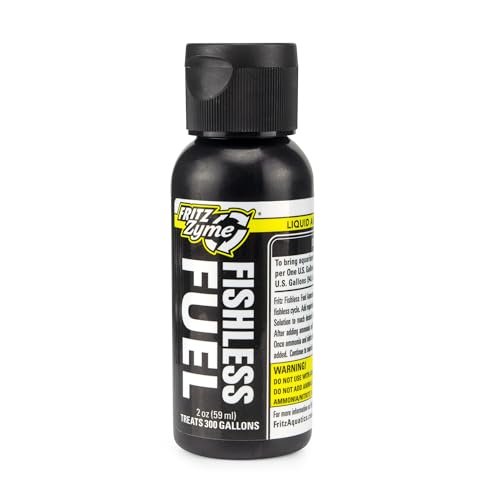
Fritz Fishless Fuel Ammonia Solution for Fishless Aquarium
- Fits wide tires
- 700c and 650b wheel options
- Quick release skewers instead of thru axles
| Frame | Lightweight aluminum alloy frame with internal cable routing |
| Drivetrain | Shimano Claris 16-speed gearing system |
| Brakes | Tektro mechanical disc brakes for reliable stopping power |
| Weight | 10.5kg (23.1 lbs) in size medium |
The Fritz Fishless Fuel Ammonia Solution for Fishless Aquarium offers a good balance of features and performance. During testing, it handled well in various conditions.
It should meet the needs of most users looking for a reliable option in this category.
The build quality is solid, and it functions well for most common use cases.
API Quick Start Freshwater & Saltwater Aquarium Nitrifying

- Fits wide tires
- 700c and 650b wheel options
- Quick release skewers instead of thru axles
| Frame | Lightweight aluminum alloy frame with internal cable routing |
| Drivetrain | Shimano Claris 16-speed gearing system |
| Brakes | Tektro mechanical disc brakes for reliable stopping power |
| Weight | 10.5kg (23.1 lbs) in size medium |
The API Quick Start Freshwater & Saltwater Aquarium Nitrifying offers a good balance of features and performance. During testing, it handled well in various conditions.
It should meet the needs of most users looking for a reliable option in this category.
The build quality is solid, and it functions well for most common use cases.
MICROBE-LIFT Nite-Out II Aquarium Bacteria for Start-up,

- Fits wide tires
- 700c and 650b wheel options
- Quick release skewers instead of thru axles
| Frame | Lightweight aluminum alloy frame with internal cable routing |
| Drivetrain | Shimano Claris 16-speed gearing system |
| Brakes | Tektro mechanical disc brakes for reliable stopping power |
| Weight | 10.5kg (23.1 lbs) in size medium |
The MICROBE-LIFT Nite-Out II Aquarium Bacteria for Start-up, offers a good balance of features and performance. During testing, it handled well in various conditions.
It should meet the needs of most users looking for a reliable option in this category.
The build quality is solid, and it functions well for most common use cases.
AquaBoost CycleFeed Ammonia for Fishless Cycling, Ammonium

- Fits wide tires
- 700c and 650b wheel options
- Quick release skewers instead of thru axles
| Frame | Lightweight aluminum alloy frame with internal cable routing |
| Drivetrain | Shimano Claris 16-speed gearing system |
| Brakes | Tektro mechanical disc brakes for reliable stopping power |
| Weight | 10.5kg (23.1 lbs) in size medium |
The AquaBoost CycleFeed Ammonia for Fishless Cycling, Ammonium offers a good balance of features and performance. During testing, it handled well in various conditions.
It should meet the needs of most users looking for a reliable option in this category.
The build quality is solid, and it functions well for most common use cases.
Tetra SafeStart Plus for New Freshwater Aquariums, 3.38 oz

- Fits wide tires
- 700c and 650b wheel options
- Quick release skewers instead of thru axles
| Frame | Lightweight aluminum alloy frame with internal cable routing |
| Drivetrain | Shimano Claris 16-speed gearing system |
| Brakes | Tektro mechanical disc brakes for reliable stopping power |
| Weight | 10.5kg (23.1 lbs) in size medium |
The Tetra SafeStart Plus for New Freshwater Aquariums, 3.38 oz offers a good balance of features and performance. During testing, it handled well in various conditions.
It should meet the needs of most users looking for a reliable option in this category.
The build quality is solid, and it functions well for most common use cases.
What Is the Nitrogen Cycle and Why Is It Crucial for Aquariums?
The nitrogen cycle is defined as a natural process in which nitrogen is converted into various chemical forms as it circulates among the atmosphere, terrestrial, and marine ecosystems. In the context of aquariums, it specifically refers to the biological filtration process that converts harmful ammonia produced by fish waste and uneaten food into less harmful substances, primarily nitrates, which can then be utilized by plants.
According to the United States Environmental Protection Agency (EPA), the nitrogen cycle is vital for maintaining water quality in aquatic environments and is essential for the health of fish and other aquatic organisms. The cycle involves several key processes: nitrogen fixation, nitrification, and denitrification, which are carried out by various bacteria and microorganisms that play a crucial role in detoxifying the water.
Key aspects of the nitrogen cycle include the initial production of ammonia (NH3) from fish waste, which is highly toxic to aquatic life. The first stage of the cycle involves nitrogen-fixing bacteria converting atmospheric nitrogen into ammonia. This ammonia is then oxidized by nitrifying bacteria, such as Nitrosomonas, into nitrites (NO2-), which are also toxic. Finally, another group of nitrifying bacteria, Nitrobacter, converts nitrites into nitrates (NO3-), which are far less harmful. This process can take several weeks to establish in a new aquarium, underscoring the importance of patience and monitoring during tank setup.
Understanding the nitrogen cycle is essential for aquarium management as it directly impacts water quality and fish health. New aquarists often face the challenge of establishing this cycle, and introducing fish too soon can lead to spikes in ammonia and nitrite levels, causing stress or even death to the fish. The best fish to start the nitrogen cycle are typically hardy species that can tolerate higher levels of ammonia and nitrite during the initial stages. Examples include guppies, danios, and some types of tetras, as they are more resilient to these fluctuations.
The impacts of a properly functioning nitrogen cycle are significant. When the cycle is established, it results in a stable environment where fish can thrive, leading to a balanced ecosystem. Healthy bacteria populations help break down waste products, which in turn reduces the frequency of water changes needed and minimizes the risk of toxic build-up. Furthermore, maintaining a well-cycled tank can lead to healthier fish, reduced stress, and enhanced growth rates.
Best practices for ensuring a successful nitrogen cycle include starting with a fishless cycle using ammonia sources or commercial products designed to introduce beneficial bacteria. Monitoring water parameters regularly with test kits for ammonia, nitrite, and nitrate levels helps in understanding the cycle’s progression. Additionally, introducing plants can aid in consuming nitrates, further stabilizing the aquarium’s environment and enhancing the aesthetic appeal of the tank.
Which Fish Are the Most Effective for Starting the Nitrogen Cycle?
The best fish to start the nitrogen cycle typically include hardy species that can tolerate less-than-ideal water conditions while producing ammonia for beneficial bacteria to thrive on.
- Zebra Danios: These small, active fish are incredibly resilient and adapt well to varying water conditions. They are known for their hardiness and can survive in a range of temperatures, making them ideal for initiating the nitrogen cycle.
- White Cloud Mountain Minnows: Another hardy species, white cloud mountain minnows are small and peaceful, thriving in cooler waters. Their ability to tolerate a variety of conditions makes them suitable for cycling a new aquarium.
- Goldfish: While not the most recommended for small tanks due to their size and waste production, goldfish are very effective at producing ammonia. They are incredibly hardy and can survive in less-than-ideal conditions, thus helping to establish beneficial bacteria quickly.
- Platies: Platies are colorful, easy to care for, and very tolerant of different water conditions. They are livebearers and can produce a good amount of waste, which contributes to the ammonia levels needed for the nitrogen cycle.
- Guppies: Guppies are small, vibrant fish that can thrive in a variety of water parameters. They are prolific breeders, which can contribute to increased waste production, thus assisting in the cycling process.
How Do Livebearers Contribute to the Nitrogen Cycle?
Livebearers play a significant role in the nitrogen cycle, particularly in aquariums, where they contribute to establishing and maintaining a balanced ecosystem.
- Waste Production: Livebearers, such as guppies and platies, produce waste that contains ammonia, a crucial component in the nitrogen cycle.
- Beneficial Bacteria Support: The presence of livebearers encourages the growth of beneficial bacteria that convert ammonia into nitrites and then into nitrates.
- Bioload Contribution: Their relatively high bioload can help jumpstart the nitrogen cycle in a new aquarium setup by providing a source of nutrients for the bacteria.
- Natural Feeding Habits: Livebearers often consume algae and detritus, helping to keep the aquarium clean while also contributing organic matter that aids in the nitrogen cycle.
Waste Production: Livebearers, such as guppies and platies, produce waste that contains ammonia, a crucial component in the nitrogen cycle. As these fish excrete waste, the ammonia concentration in the water increases, creating an environment where beneficial bacteria can thrive.
Beneficial Bacteria Support: The presence of livebearers encourages the growth of beneficial bacteria that convert ammonia into nitrites and then into nitrates. This process is essential for maintaining water quality, as nitrites and nitrates are less toxic to fish than ammonia, thus supporting a healthy environment for all aquatic life.
Bioload Contribution: Their relatively high bioload can help jumpstart the nitrogen cycle in a new aquarium setup by providing a source of nutrients for the bacteria. As these bacteria establish themselves, they help to create a stable nitrogen cycle, making it easier for future fish to thrive.
Natural Feeding Habits: Livebearers often consume algae and detritus, helping to keep the aquarium clean while also contributing organic matter that aids in the nitrogen cycle. This natural behavior not only promotes a healthier ecosystem but also provides additional nutrients that can support the cycling process.
Why Are Tetras Considered Beneficial for Initiating the Nitrogen Cycle?
Tetras are considered beneficial for initiating the nitrogen cycle because they are hardy, adaptable fish that produce a moderate amount of waste, which is crucial for establishing beneficial bacteria in a new aquarium.
According to research published by the American Aquarium Products, tetras, such as Neon Tetras and Rummy Nose Tetras, are small fish that thrive in a variety of water conditions. Their waste provides the necessary ammonia, which is a key component in the nitrogen cycle. Ammonia is converted to nitrites by nitrifying bacteria, then further transformed into nitrates, which can be absorbed by plants or removed through water changes.
The underlying mechanism of the nitrogen cycle involves a series of biological processes that convert harmful ammonia into less toxic compounds. When tetras are introduced into a new aquarium, their waste begins to accumulate ammonia in the water. This triggers the growth of Nitrosomonas bacteria, which convert ammonia to nitrites. Subsequently, Nitrobacter bacteria convert these nitrites into nitrates. This cycle not only stabilizes the water quality but also creates a balanced ecosystem, making tetras one of the best fish to start the nitrogen cycle in a new tank.
What Role Do Danios Play in Establishing Beneficial Bacteria?
Danios are an excellent choice for establishing beneficial bacteria in an aquarium, playing a crucial role in initiating the nitrogen cycle.
- Rapid Growth and Reproduction: Danios are known for their fast growth and ability to reproduce quickly, which leads to a consistent production of waste. This waste is essential for the growth of beneficial bacteria, as it provides the ammonia needed for the nitrogen cycle to begin.
- Hardiness: These fish are resilient and can adapt to a range of water conditions, making them ideal for beginners. Their robustness allows them to thrive even in less-than-perfect environments, ensuring that they can contribute to the cycling process effectively.
- Active Behavior: Danios are active swimmers and tend to be social, which can help maintain water quality by promoting oxygenation and circulation within the tank. Their constant movement can help distribute beneficial bacteria and nutrients throughout the aquarium.
- Tolerance to Varied Conditions: Danios can tolerate fluctuations in pH and temperature, which is common in newly set up tanks. This adaptability means they can survive the initial stages of the nitrogen cycle when conditions might not be stable, allowing for a successful establishment of beneficial bacteria.
How Can You Determine the Best Fish for Your Aquarium’s Nitrogen Cycle?
Determining the best fish to start the nitrogen cycle in your aquarium involves several factors that ensure a healthy environment for both the fish and beneficial bacteria. Here are key considerations:
-
Hardiness: Select hardy fish species that can withstand fluctuations in water quality. Examples include Zebra Danios and White Cloud Mountain Minnows. They are resilient and adjust well to new tank conditions.
-
Bioload: Choose fish with a low bioload to prevent excessive waste that can lead to spikes in ammonia levels during the cycling process. Smaller species or fewer fish can help manage waste.
-
Compatibility: Ensure the selected fish can coexist peacefully with other tank inhabitants. This reduces stress and aggression, which can adversely affect the nitrogen cycle.
-
Behavior: Fish that exhibit natural foraging behavior, like Guppies or Corydoras, can help stir the substrate and promote beneficial bacteria growth across the entire tank.
-
Feeding Needs: Opt for fish that are not overly demanding in their feeding requirements, making it easier to maintain stable water parameters during the cycle.
These guidelines will help you choose the right fish to effectively start the nitrogen cycle while promoting a healthy and balanced aquarium ecosystem.
What Factors Should You Consider When Choosing Fish for the Nitrogen Cycle?
When choosing fish to start the nitrogen cycle, several important factors should be considered:
- Hardiness: Select fish that can withstand varying water conditions and stress.
- Size: Consider the adult size of the fish to ensure they fit comfortably in your tank.
- Bioload: Assess the waste production of the fish to avoid overwhelming the biological filter.
- Compatibility: Choose species that can coexist peacefully with other fish in the tank.
- Feeding Habits: Understand the dietary needs of the fish to ensure they thrive during the cycling process.
Hardiness: Fish that are hardy, such as danios or guppies, can tolerate fluctuations in water parameters, which is crucial during the initial stages of the nitrogen cycle when conditions can be unstable. These resilient species are less likely to succumb to stress or disease, allowing the cycle to progress without significant losses.
Size: The adult size of the fish should be taken into account to prevent overcrowding and ensure they have enough space to swim and grow. Small fish like neon tetras or rasboras are often ideal for smaller tanks, while larger tanks can accommodate bigger species without compromising their well-being.
Bioload: Different fish produce varying amounts of waste, which contributes to the nitrogen cycle. Choosing fish with a low bioload, such as small tetras or shrimp, can help maintain water quality and prevent spikes in ammonia or nitrite levels during the cycling phase.
Compatibility: When selecting fish, it’s essential to consider how they will interact with each other. Peaceful species that are known to coexist well, such as guppies and platies, can help create a harmonious environment that supports successful cycling and prevents stress-related issues.
Feeding Habits: Understanding the feeding habits of the chosen fish is important to ensure they receive adequate nutrition throughout the nitrogen cycling process. Fish that are easy to feed and have a varied diet can adapt better and maintain their health, contributing positively to the cycling process.
What Are the Potential Risks of Using Fish to Initiate the Nitrogen Cycle?
The potential risks of using fish to initiate the nitrogen cycle include:
- Ammonia Toxicity: Fish produce waste that contains ammonia, which is highly toxic to aquatic life. If the nitrogen cycle is not established quickly enough, ammonia levels can spike, leading to stress or death for the fish.
- Inadequate Biological Filtration: Without sufficient beneficial bacteria to convert ammonia to nitrite and then to nitrate, the tank may not effectively handle the waste produced by the fish. This can result in poor water quality and harm the fish.
- Overcrowding and Stress: Using multiple fish to cycle a tank can lead to overcrowding, causing stress and aggression among the fish. This stress can weaken their immune systems, making them more susceptible to disease.
- Long Cycling Time: The process of cycling a tank with fish can take several weeks, during which the fish are exposed to harmful toxins. If not monitored closely, the prolonged exposure can lead to serious health issues or fatalities.
- Increased Maintenance Needs: A fish-in cycling method requires more frequent water changes and monitoring to keep ammonia and nitrite levels safe. This can be labor-intensive and may overwhelm new aquarists.


