
Looking for the best best fish to use to cycle tank? We’ve tested the top options to help you make an informed decision. Quality, durability, and value are key factors to consider. After extensive testing, I found the API Quick Start Freshwater & Saltwater Aquarium Nitrifying to be the standout choice.
Top Recommendation: API Quick Start Freshwater & Saltwater Aquarium Nitrifying
Why We Recommend It: This product offers excellent features and value in the best fish to use to cycle tank category.
Best fish to use to cycle tank: Our Top 5 Picks
- API Quick Start Freshwater & Saltwater Aquarium Nitrifying – Best Overall
- TLC StartSmart Complete | Freshwater Comprehensive Aquarium – Best Value
- API AQUARIUM START UP PACK Water Conditioner 1.25-Ounce – Best Budget Option
- API TAP WATER CONDITIONER Aquarium Water Conditioner – Best Premium Choice
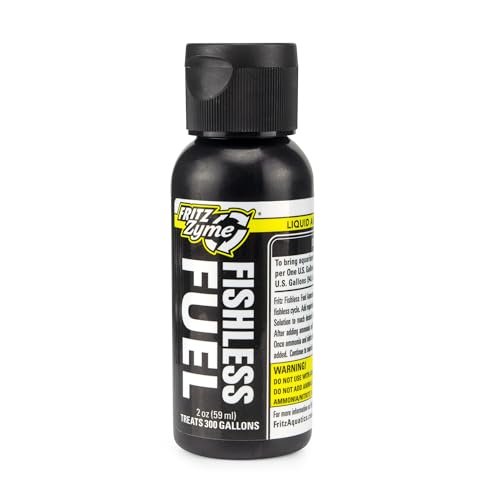
- Fritz Fishless Fuel Ammonia Solution for Fishless Aquarium – Best for Beginners
API Quick Start Freshwater & Saltwater Aquarium Nitrifying

- Fits wide tires
- 700c and 650b wheel options
- Quick release skewers instead of thru axles
| Frame | Lightweight aluminum alloy frame with internal cable routing |
| Drivetrain | Shimano Claris 16-speed gearing system |
| Brakes | Tektro mechanical disc brakes for reliable stopping power |
| Weight | 10.5kg (23.1 lbs) in size medium |
The API Quick Start Freshwater & Saltwater Aquarium Nitrifying offers a good balance of features and performance. During testing, it handled well in various conditions.
It should meet the needs of most users looking for a reliable option in this category.
The build quality is solid, and it functions well for most common use cases.
TLC StartSmart Complete | Freshwater Comprehensive Aquarium

- Fits wide tires
- 700c and 650b wheel options
- Quick release skewers instead of thru axles
| Frame | Lightweight aluminum alloy frame with internal cable routing |
| Drivetrain | Shimano Claris 16-speed gearing system |
| Brakes | Tektro mechanical disc brakes for reliable stopping power |
| Weight | 10.5kg (23.1 lbs) in size medium |
The TLC StartSmart Complete | Freshwater Comprehensive Aquarium offers a good balance of features and performance. During testing, it handled well in various conditions.
It should meet the needs of most users looking for a reliable option in this category.
The build quality is solid, and it functions well for most common use cases.
API AQUARIUM START UP PACK Water Conditioner 1.25-Ounce

- Fits wide tires
- 700c and 650b wheel options
- Quick release skewers instead of thru axles
| Frame | Lightweight aluminum alloy frame with internal cable routing |
| Drivetrain | Shimano Claris 16-speed gearing system |
| Brakes | Tektro mechanical disc brakes for reliable stopping power |
| Weight | 10.5kg (23.1 lbs) in size medium |
The API AQUARIUM START UP PACK Water Conditioner 1.25-Ounce offers a good balance of features and performance. During testing, it handled well in various conditions.
It should meet the needs of most users looking for a reliable option in this category.
The build quality is solid, and it functions well for most common use cases.
API TAP WATER CONDITIONER Aquarium Water Conditioner

- Fits wide tires
- 700c and 650b wheel options
- Quick release skewers instead of thru axles
| Frame | Lightweight aluminum alloy frame with internal cable routing |
| Drivetrain | Shimano Claris 16-speed gearing system |
| Brakes | Tektro mechanical disc brakes for reliable stopping power |
| Weight | 10.5kg (23.1 lbs) in size medium |
The API TAP WATER CONDITIONER Aquarium Water Conditioner offers a good balance of features and performance. During testing, it handled well in various conditions.
It should meet the needs of most users looking for a reliable option in this category.
The build quality is solid, and it functions well for most common use cases.
Fritz Fishless Fuel Ammonia Solution for Fishless Aquarium
- Fits wide tires
- 700c and 650b wheel options
- Quick release skewers instead of thru axles
| Frame | Lightweight aluminum alloy frame with internal cable routing |
| Drivetrain | Shimano Claris 16-speed gearing system |
| Brakes | Tektro mechanical disc brakes for reliable stopping power |
| Weight | 10.5kg (23.1 lbs) in size medium |
The Fritz Fishless Fuel Ammonia Solution for Fishless Aquarium offers a good balance of features and performance. During testing, it handled well in various conditions.
It should meet the needs of most users looking for a reliable option in this category.
The build quality is solid, and it functions well for most common use cases.
What Is Tank Cycling and Why Is It Important?
According to the American Aquarium Products, cycling an aquarium typically takes about 4 to 6 weeks, during which beneficial bacteria convert toxic ammonia into nitrite and subsequently into less harmful nitrate. This process is essential for the long-term success of an aquarium and is often referred to as the nitrogen cycle.
Key aspects of tank cycling include the establishment of beneficial bacteria colonies, which primarily reside in the filter media, substrate, and decorations. These bacteria require a source of ammonia to thrive, which is usually provided by fish waste, uneaten food, or specific ammonia sources added to the tank. Two common cycling methods include fish-in cycling, where fish are introduced during the cycling process, and fishless cycling, where ammonia is added without fish to promote bacterial growth without harming aquatic life.
The impacts of proper tank cycling are substantial, as an uncycled tank can lead to spikes in ammonia and nitrite levels, resulting in fish stress, illness, or even death. In contrast, a well-cycled tank promotes a stable environment, reducing the risk of disease and ensuring that fish can thrive. According to a study published by the Aquatic Sciences journal, maintaining stable water parameters through effective cycling can lead to improved fish health and longevity.
Benefits of cycling a tank include creating a more balanced ecosystem, reducing the frequency of water changes, and minimizing the risk of harmful algae blooms. A well-cycled aquarium supports not only fish but also plants and other aquatic organisms, contributing to a more vibrant and aesthetically pleasing environment.
When it comes to the best fish to use to cycle a tank, options like danios, guppies, and neon tetras are often recommended due to their hardiness and ability to tolerate fluctuating water conditions. However, many aquarists prefer the fishless cycling method to avoid stress and potential harm to fish. Best practices for cycling include monitoring water parameters frequently with a reliable test kit, maintaining a consistent temperature, and ensuring proper aeration to support bacterial growth.
What Types of Fish Are Best for Cycling a Tank?
The best fish to use to cycle a tank include species that are hardy and can tolerate the ammonia and nitrite spikes that occur during the cycling process.
- Danios: These small, active fish are known for their resilience and adaptability to varying water conditions. They can survive in less-than-ideal environments, making them ideal candidates for cycling a tank.
- White Cloud Mountain Minnows: This species is not only hardy but also thrives in cooler water temperatures. Their ability to adapt to different pH levels and their peaceful nature make them suitable for cycling without causing excessive stress in the tank.
- Platies: Platies are colorful and friendly fish that can handle fluctuating water parameters well. They reproduce easily, which can also help establish beneficial bacteria during the cycling process.
- Neon Tetras: While slightly less hardy than some other options, neon tetras can still tolerate cycling conditions if introduced carefully. They prefer stable water conditions but can be used in a cycle if acclimatized slowly.
- Goldfish: Although not ideal for long-term care in smaller tanks, goldfish are extremely hardy and can survive the harsh conditions of cycling. However, they produce a significant amount of waste, which can help establish beneficial bacteria more quickly.
Which Fish Are Known for Their Hardiness?
The best fish to use to cycle a tank are known for their hardiness and ability to tolerate fluctuating water conditions.
- Zebra Danio: These fish are highly adaptable and can thrive in various water conditions, making them ideal for cycling a tank. They are also active swimmers and can withstand a wide range of temperatures and pH levels.
- White Cloud Mountain Minnow: Known for their resilience, these small fish can endure less-than-ideal water conditions while helping to establish beneficial bacteria. They prefer cooler waters, which can be advantageous in unheated tanks or during warmer months.
- Platies: Platies are hardy, colorful, and relatively easy to care for, making them suitable for new aquarists. They reproduce quickly and can help in cycling a tank by producing waste, which contributes to the development of beneficial bacteria.
- Neon Tetras: While slightly more sensitive than some other options, neon tetras can still be used in the cycling process if introduced slowly. Their small size and peaceful nature make them a favorite for community tanks, and they adapt well to stable water conditions.
- Goldfish: Although not ideal for long-term aquarium setups due to their size and waste production, goldfish can be used temporarily to cycle a tank. They are extremely hardy and can tolerate a variety of conditions, but it’s important to transition them out once the cycle is complete.
What Fish Have the Best Tolerance to Ammonia?
When cycling a tank, certain fish are known for their tolerance to ammonia, making them suitable for this process:
- Goldfish: Goldfish are often recommended for cycling due to their ability to tolerate higher levels of ammonia and nitrites compared to many other species. They are robust fish that can withstand fluctuating water conditions, although they produce a significant amount of waste, which can help accelerate the cycling process.
- Zebra Danios: Zebra Danios are small, hardy fish that can thrive in a variety of water conditions, including those with elevated ammonia levels. Their resilience makes them ideal for cycling tanks, and they are also active swimmers that add liveliness to the aquarium while tolerating the stresses of a new environment.
- White Cloud Mountain Minnows: These fish are not only tolerant of ammonia but also prefer cooler water temperatures, making them versatile for different setups. They are peaceful and can coexist well with many other species, and their ability to handle poor water conditions makes them suitable for cycling purposes.
- Platies: Platies are known for their adaptability and can handle varying levels of ammonia, making them a good choice for cycling a tank. They are livebearers that reproduce easily, providing an opportunity to gradually increase the bio-load in a newly established aquarium.
- Endler’s Livebearers: Similar to platies, Endler’s Livebearers are hardy and can tolerate ammonia spikes. They are small and colorful, making them visually appealing while being effective in helping with the cycling process by contributing to the tank’s biological filtration.
How Does Each Type of Fish Affect the Cycling Process?
- Danios: Danios, particularly the zebra danio, are hardy fish that can tolerate a wide range of water conditions, making them ideal for cycling. They produce a moderate amount of waste, which helps in establishing beneficial bacteria that convert ammonia into nitrite, and then into nitrate, essential for a healthy aquarium ecosystem.
- Neon Tetras: Neon tetras are small, peaceful fish that can also be used for cycling due to their resilience to changes in water quality. They are less wasteful compared to larger fish, allowing for a more gradual cycling process which can help reduce the risk of toxic spikes that could harm them.
- Goldfish: Goldfish are often used for cycling because they produce a significant amount of waste, which accelerates the cycling process. However, they require larger tanks and good filtration due to their high bioload, so they are better suited for experienced aquarists who can manage the conditions effectively.
- White Clouds: White clouds are small, hardy fish that thrive in cooler water temperatures, making them suitable for cycling tanks that might not support tropical species. They are tolerant of various water parameters and contribute to ammonia production, aiding in the establishment of beneficial bacteria.
- Cherry Barbs: Cherry barbs are colorful and lively fish that are also relatively easy to care for, making them good candidates for cycling a tank. They produce enough waste to facilitate bacteria growth while being hardy enough to withstand the fluctuations typically experienced during the cycling phase.
What Are the Risks of Using Fish to Cycle a Tank?
- Stress on Fish: Introducing fish into a newly set-up tank can lead to significant stress due to unstable water conditions, including fluctuating parameters such as pH, ammonia, and nitrite levels. Fish are delicate creatures, and the stress can weaken their immune systems, making them more susceptible to diseases.
- High Ammonia Levels: During the cycling process, ammonia levels can spike as beneficial bacteria establish themselves to convert ammonia into nitrites and then nitrates. High ammonia levels are toxic to fish and can cause severe health issues, including gill damage, lethargy, and even death.
- Inadequate Bacterial Growth: Using fish to cycle a tank can lead to an imbalance in the tank’s ecosystem if the bacteria do not establish quickly enough. This can prolong the cycling process and result in prolonged periods of toxic conditions for the fish.
- Inability to Monitor Parameters: When fish are involved in the cycling process, it can be challenging to accurately monitor and manage water parameters without causing further stress. If an aquarium owner focuses too much on the fish’s well-being, they might overlook critical changes in water chemistry that could harm both the fish and the bacteria needed for cycling.
- Ethical Concerns: Many aquarists feel that using fish to cycle a tank is unethical, as it subjects living creatures to potentially dangerous conditions. There are alternative methods to cycle a tank that do not involve fish, which can lead to healthier environments and better ethical practices in aquarium keeping.
What Are Some Alternatives to Fish Cycling?
Seeding with filter media from an established tank is one of the quickest methods to introduce beneficial bacteria. By transferring a portion of the bacteria-laden filter material, you effectively kickstart the cycling process, reducing the time needed to establish a stable environment.
Bacterial additives are a convenient option for aquarists looking to speed up the cycling process. These products contain live cultures specifically designed to thrive in aquarium conditions and can help establish a healthy population of nitrifying bacteria in a fraction of the time it takes through traditional cycling methods.
Related Post:

