
Looking for the best best freshwater fish setup? We’ve tested the top options to help you make an informed decision. Quality, durability, and value are key factors to consider. After extensive testing, I found the API Quick Start Freshwater & Saltwater Aquarium Nitrifying to be the standout choice.
Top Recommendation: API Quick Start Freshwater & Saltwater Aquarium Nitrifying
Why We Recommend It: This product offers excellent features and value in the best freshwater fish setup category.
Best freshwater fish setup: Our Top 4 Picks
- API Quick Start Freshwater & Saltwater Aquarium Nitrifying – Best Overall
- Dragonstone | Dragon Rock | Dragon Rocks for Aquarium | – Best Value
- Sukh 30oz Ceramic Rings for Aquarium Filter – Bio Media 6 – Best Budget Option
API Quick Start Freshwater & Saltwater Aquarium Nitrifying

- Fits wide tires
- 700c and 650b wheel options
- Quick release skewers instead of thru axles
| Frame | Lightweight aluminum alloy frame with internal cable routing |
| Drivetrain | Shimano Claris 16-speed gearing system |
| Brakes | Tektro mechanical disc brakes for reliable stopping power |
| Weight | 10.5kg (23.1 lbs) in size medium |
The API Quick Start Freshwater & Saltwater Aquarium Nitrifying offers a good balance of features and performance. During testing, it handled well in various conditions.
It should meet the needs of most users looking for a reliable option in this category.
The build quality is solid, and it functions well for most common use cases.
API QUICK START Freshwater & Saltwater Aquarium Nitrifying
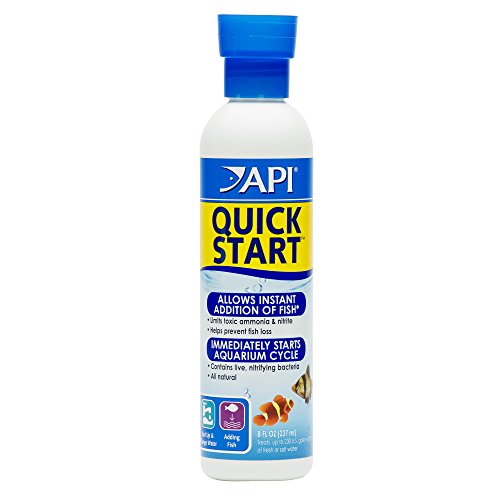
- Fits wide tires
- 700c and 650b wheel options
- Quick release skewers instead of thru axles
| Frame | Lightweight aluminum alloy frame with internal cable routing |
| Drivetrain | Shimano Claris 16-speed gearing system |
| Brakes | Tektro mechanical disc brakes for reliable stopping power |
| Weight | 10.5kg (23.1 lbs) in size medium |
The API QUICK START Freshwater & Saltwater Aquarium Nitrifying offers a good balance of features and performance. During testing, it handled well in various conditions.
It should meet the needs of most users looking for a reliable option in this category.
The build quality is solid, and it functions well for most common use cases.
Dragonstone | Dragon Rock | Dragon Rocks for Aquarium |

- Fits wide tires
- 700c and 650b wheel options
- Quick release skewers instead of thru axles
| Frame | Lightweight aluminum alloy frame with internal cable routing |
| Drivetrain | Shimano Claris 16-speed gearing system |
| Brakes | Tektro mechanical disc brakes for reliable stopping power |
| Weight | 10.5kg (23.1 lbs) in size medium |
The Dragonstone | Dragon Rock | Dragon Rocks for Aquarium | offers a good balance of features and performance. During testing, it handled well in various conditions.
It should meet the needs of most users looking for a reliable option in this category.
The build quality is solid, and it functions well for most common use cases.
Sukh 30oz Ceramic Rings for Aquarium Filter – Bio Media 6

- Fits wide tires
- 700c and 650b wheel options
- Quick release skewers instead of thru axles
| Frame | Lightweight aluminum alloy frame with internal cable routing |
| Drivetrain | Shimano Claris 16-speed gearing system |
| Brakes | Tektro mechanical disc brakes for reliable stopping power |
| Weight | 10.5kg (23.1 lbs) in size medium |
The Sukh 30oz Ceramic Rings for Aquarium Filter – Bio Media 6 offers a good balance of features and performance. During testing, it handled well in various conditions.
It should meet the needs of most users looking for a reliable option in this category.
The build quality is solid, and it functions well for most common use cases.
What Are the Essential Components of an Ideal Freshwater Fish Setup?
Decorations and hiding places, such as plants, caves, and driftwood, create a more natural environment for fish, allowing them to exhibit natural behaviors and reducing stress. They also enhance the visual appeal of the aquarium.
Routine maintenance tools, including algae scrapers, nets, and siphons, are necessary for keeping the tank clean and ensuring optimal water conditions. Regular maintenance contributes to a healthy and thriving aquarium ecosystem.
How Should You Select the Right Aquarium Size for Your Fish?
Selecting the right aquarium size for your fish is crucial for their health and well-being, as it ensures they have enough space to thrive.
- Fish Species Requirements: Different fish species have varying space needs based on their size, activity level, and social behavior.
- Tank Dimensions: Consider the length, width, and height of the aquarium to ensure it meets the needs of the fish you intend to keep.
- Bioload Considerations: The size of the aquarium affects the bioload, which is the waste produced by the fish; larger tanks can better accommodate waste and maintain water quality.
- Filtration System: A suitable filtration system is essential, and the size of the tank can dictate the type and efficiency of the filtration needed.
- Future Growth and Expansion: Anticipate the growth of your fish and the possibility of adding more species in the future when selecting an aquarium size.
Fish Species Requirements: Each fish species has specific space requirements based on its natural habitat. For instance, larger species like goldfish need more swimming space, while smaller species like guppies can thrive in smaller tanks. Researching the needs of each species ensures you provide an appropriately sized environment.
Tank Dimensions: The dimensions of the aquarium play a critical role in the comfort and health of the fish. A longer tank provides more swimming space horizontally, which is beneficial for active species, while a taller tank might be needed for vertical swimmers like certain cichlids. Ensuring the right proportions helps mimic their natural habitat.
Bioload Considerations: The bioload refers to the waste produced by the fish, which can accumulate and affect water quality. In smaller tanks, waste can build up quickly, leading to toxic conditions. A larger tank can dilute bioload effects, making it easier to maintain stable water parameters and a healthy environment.
Filtration System: An efficient filtration system is vital for keeping the water clean and safe for your fish. Larger tanks generally require more powerful filters that can handle higher volumes of water. Choosing the right filter size based on your tank capacity ensures effective waste removal and aeration.
Future Growth and Expansion: When selecting an aquarium size, consider not only the current size of your fish but also how much they will grow. Some species can grow significantly larger than anticipated, and a larger tank allows for easy adaptation as your fish mature. Additionally, a larger setup provides the flexibility to introduce new fish species in the future without overcrowding.
What Filtration Systems Are Most Effective for Freshwater Aquariums?
The most effective filtration systems for freshwater aquariums include:
- Canister Filters: Canister filters are powerful and versatile, capable of handling larger tanks and providing multi-stage filtration.
- Hang-on-Back Filters: These filters are popular for their ease of installation and maintenance, making them ideal for beginners.
- Internal Filters: Internal filters are compact and submerged in the tank, providing a straightforward solution for smaller aquariums.
- Power Filters: Power filters combine mechanical, chemical, and biological filtration, making them effective for maintaining water clarity and quality.
- Sponge Filters: Sponge filters are gentle and efficient, often used in breeding or fry tanks due to their low flow rate and biological filtration capabilities.
Canister Filters: Canister filters are external units that offer superior filtration through multiple stages, including mechanical, biological, and chemical processes. They are especially beneficial for larger aquariums as they can accommodate high flow rates and provide extensive media options for efficient waste removal and water clarity.
Hang-on-Back Filters: Hang-on-back (HOB) filters are mounted on the back of the aquarium and draw water through a filter media, returning clean water to the tank. They are user-friendly and require minimal setup, making them a favored choice among novice aquarium hobbyists while still providing excellent filtration for medium-sized tanks.
Internal Filters: Internal filters are installed inside the aquarium, making them a space-saving option for smaller tanks. They typically combine mechanical and biological filtration and are easy to maintain, but their flow rate may not be suitable for all fish types, especially those that prefer calmer waters.
Power Filters: Power filters are designed to provide efficient filtration in a compact size, integrating mechanical, chemical, and biological media. They are known for their effectiveness and reliability, making them a common choice for aquarists looking to maintain optimal water quality in freshwater setups.
Sponge Filters: Sponge filters consist of a sponge that serves as the filter media, allowing for excellent biological filtration while providing aeration. Their gentle water flow makes them ideal for breeding tanks or delicate fish species, ensuring that fry can swim freely without being sucked into a more powerful filtration system.
Do Tropical Freshwater Fish Require Heating, and If So, What Are the Best Options?
Yes, tropical freshwater fish typically require heating to thrive in their environments.
Tropical freshwater fish originate from warm climates where water temperatures are consistently higher than those found in many households. For optimal health and activity, most species prefer water temperatures ranging from about 75°F to 80°F (24°C to 27°C). Without a proper heating system, the water may become too cold, leading to stress, weakened immune systems, and increased susceptibility to diseases in these fish.
The best heating options for a tropical freshwater fish setup include submersible aquarium heaters and inline heaters. Submersible heaters are placed directly in the water and are popular due to their effectiveness and ease of installation. It’s crucial to choose a heater that is appropriately sized for your aquarium, typically around 5 watts per gallon. Inline heaters, on the other hand, are installed in the filtration system and can maintain consistent temperatures without the risk of damaging the heater or water quality. Both options should be used with a reliable thermometer to monitor water temperature accurately.
Which Freshwater Fish Species Are Best Suited for Beginners?
The best freshwater fish species for beginners typically include hardy, easy-to-care-for options that thrive in a variety of conditions.
- Betta Fish: Betta fish, or Siamese fighting fish, are vibrant and relatively easy to care for, making them ideal for beginners. They can thrive in smaller tanks and require minimal filtration, but it’s important to keep them alone or with non-aggressive tank mates due to their territorial nature.
- Goldfish: Goldfish are classic starter pets known for their hardiness and adaptability. They can grow quite large and require a spacious tank with good filtration, but they are generally forgiving of less-than-perfect water conditions, making them suitable for novice aquarists.
- Guppies: Guppies are colorful, lively fish that are very easy to care for and breed. They thrive in community tanks and can adapt to a range of water conditions, making them perfect for beginners who want to enjoy a vibrant aquarium without a lot of hassle.
- Zebra Danios: Zebra danios are hardy and active fish that are great for beginners because of their resilience and ability to tolerate a variety of water conditions. They are also social creatures that do well in groups, adding movement and interest to a community tank.
- Neon Tetras: Neon tetras are small, peaceful fish renowned for their striking blue and red coloration. They are ideal for beginners as they are easy to care for, prefer to be in schools of six or more, and can live harmoniously with many other species in a community tank.
What Fish Are Ideal for a Community Aquarium Setup?
When setting up a community aquarium, selecting compatible fish is crucial for a harmonious environment.
- Neon Tetra: Neon Tetras are small, vibrant fish that thrive in schools of six or more. Their bright blue and red coloration adds visual appeal, and they are peaceful, making them ideal for community tanks with other non-aggressive species.
- Guppy: Guppies are known for their lively nature and stunning variety of colors. They are hardy and adaptable, making them suitable for beginners, and they breed easily, which can add to the community dynamics if managed properly.
- Corydoras Catfish: Corydoras Catfish are bottom-dwellers that help keep the substrate clean by scavenging for leftover food. They are social fish that prefer to be in groups and are generally peaceful, making them a great addition to a community tank.
- Platies: Platies are colorful, easy-to-care-for fish that come in various colors and patterns. They are livebearers and can coexist well with many other species, making them a popular choice for community setups.
- Betta Fish: While male Bettas can be territorial, they can live in community tanks if housed with compatible species that don’t have long fins or vibrant colors that might provoke aggression. It’s essential to monitor their behavior to ensure harmony in the tank.
- Rasboras: Rasboras are small, schooling fish that exhibit beautiful colors and patterns. They are peaceful and thrive in groups, making them an excellent choice for a community aquarium setup where they can interact and feel secure.
- Cherry Shrimp: Although not fish, Cherry Shrimp are popular in community tanks for their scavenging habits and algae control. They are peaceful and can coexist with many fish species, providing both aesthetic and functional benefits to the aquarium.
How Can You Ensure Compatibility Among Different Fish Species?
To ensure compatibility among different fish species in a freshwater aquarium, consider the following factors:
- Research Species Requirements: Each fish species has specific needs regarding water temperature, pH levels, and tank size, so it’s crucial to research these requirements to avoid conflict.
- Community Tank Considerations: Choose species that are known to coexist peacefully; some fish are more aggressive or territorial, which can lead to stress and injury among tank mates.
- Size and Growth Potential: Ensure that the fish you select will not outgrow the tank or become predators to smaller species, as this can disrupt the balance in the aquarium.
- Behavioral Traits: Observe the natural behaviors of the species you intend to keep, as some fish are schooling species and thrive in groups, while others may prefer solitude.
- Quarantine New Arrivals: Before adding new fish to your established tank, quarantine them for a few weeks to prevent the introduction of diseases that could affect existing fish.
Research Species Requirements: Understanding the environmental needs of each fish species is essential for maintaining a harmonious aquarium. Factors such as water temperature, pH, and hardness can vary significantly between species, and matching these parameters helps ensure that all fish thrive in their shared habitat.
Community Tank Considerations: Some fish species are known for their peaceful nature, while others may display aggression or territorial behavior. Selecting compatible species can prevent conflicts and ensure a more stable environment, allowing all fish to live without undue stress.
Size and Growth Potential: It is important to consider how large each species will grow, as larger fish may see smaller ones as prey. Additionally, ensuring that the tank has enough space for all inhabitants prevents overcrowding, which can lead to stress and health issues.
Behavioral Traits: Understanding the social structures of different fish is key to forming a balanced community. Some species thrive in schools and require the presence of their own kind, while others may prefer a more solitary existence, necessitating careful selection to create a harmonious environment.
Quarantine New Arrivals: Introducing new fish into an established tank can be risky if they carry diseases or parasites. Quarantining new fish allows you to monitor their health and adjust their acclimatization process, significantly reducing the risk of disease outbreaks in your main aquarium.
Why Are Plants and Decorations Important in a Freshwater Fish Setup?
Research conducted by the American Aquarium Products emphasizes that live plants contribute to oxygen production and act as natural filters, absorbing harmful substances like nitrates and ammonia, which can be toxic to fish. Additionally, studies from the Journal of Aquatic Plant Management indicate that plants can help stabilize pH levels and reduce algae growth, creating a healthier environment for aquatic life.
The presence of plants and decorations creates hiding spots and territories for fish, which is crucial for reducing stress and promoting natural behaviors. According to the World Aquaculture Society, these structures mimic the fish’s natural habitat, leading to improved well-being and reduced aggression among species. Furthermore, decorations such as rocks and driftwood can provide surfaces for beneficial bacteria to colonize, aiding in the biological filtration process and thus maintaining a balanced ecosystem within the aquarium.
Moreover, the aesthetic aspects of plants and decorations play a significant role in the enjoyment of the aquarium hobby. A well-decorated tank can enhance the visual appeal, making it more inviting and enjoyable for viewers. Research in environmental psychology suggests that naturalistic aquarium environments, characterized by greenery and structured habitats, can positively influence the mood and well-being of observers, thereby reinforcing the importance of incorporating plants and decorations in the best freshwater fish setup.
What Types of Live Plants Will Thrive in Your Freshwater Aquarium?
There are several types of live plants that can thrive in a freshwater aquarium, contributing to both aesthetics and the health of the fish.
- Anubias: Anubias is a hardy aquatic plant that can grow in a variety of conditions, making it ideal for beginners. It has broad, dark green leaves that can attach to rocks or driftwood, providing hiding spots for fish and improving the overall tank environment.
- Java Fern: Java Fern is a popular choice due to its resilience and ability to thrive in low light conditions. It features unique, lace-like leaves and can be attached to decorations; it also helps in maintaining water quality by absorbing excess nutrients.
- Amazon Sword: The Amazon Sword is a robust plant with long, sword-shaped leaves that can grow quite tall, offering a beautiful backdrop in larger tanks. It requires moderate lighting and nutrient-rich substrate for optimal growth, making it an excellent choice for a well-planned aquarium setup.
- Cryptocoryne: Cryptocoryne species come in various forms and colors, providing diversity in any tank. They can adapt to different water conditions but may require time to acclimate; once settled, they can flourish and add vibrant color to the aquarium.
- Water Wisteria: Water Wisteria is a fast-growing plant that not only enhances the visual appeal of an aquarium but also helps in controlling algae growth by outcompeting them for nutrients. It can be grown floating or planted in substrate, making it versatile for different aquascaping styles.
- Hornwort: Hornwort is a floating plant that can also be anchored in substrate, providing excellent cover for fish. It grows quickly and absorbs excess nitrates from the water, improving overall water quality, which is beneficial for tank inhabitants.
How Can You Create Safe Hiding Places and Structures for Your Fish?
Creating safe hiding places and structures is essential for the well-being of freshwater fish in a tank setup.
- Natural Plants: Incorporating live or artificial plants provides fish with places to hide and feel secure. Live plants can also improve water quality by absorbing waste products and producing oxygen, creating a healthier environment.
- Caves and Rocks: Adding caves or rock formations offers excellent hiding spots for shy or territorial species. Many fish species thrive in environments that mimic their natural habitats, where they can retreat to these structures when feeling stressed or threatened.
- Driftwood: Driftwood not only serves as a decorative element but also creates nooks and crannies for fish to explore. It helps to establish a natural look within the aquarium while providing essential hiding spaces for both small and larger fish.
- Hiding Spots with PVC Pipes: PVC pipes can be cut and arranged in various configurations to create tunnels and hiding spots. This option is often cost-effective and customizable, allowing fish to find shelter and escape routes easily.
- Floating Structures: Utilizing floating decorations or platforms can provide additional layers in the aquarium. These structures create surface cover, which is especially beneficial for species that prefer upper water levels and require security from above.
What Are the Best Practices for Maintaining Your Freshwater Fish Setup?
Providing the right amount and type of food prevents overfeeding, which can pollute the water and lead to health issues for the fish. It’s important to feed a varied diet suited to the species in your tank, while observing their eating habits to avoid leftover food deterioration.
Ensuring that your tank is not overstocked helps maintain water quality and reduces stress among the fish. Each species has its own spatial and social needs, so it’s crucial to research these requirements to create a harmonious environment.
Regularly cleaning and maintaining equipment like filters and heaters prevents malfunctions and prolongs their lifespan. Scheduled maintenance checks allow you to spot any problems early and ensure that your setup operates efficiently.
Knowing which fish species can coexist peacefully prevents aggression and territorial disputes in the tank. Researching compatibility is essential to create a balanced community that thrives together without undue stress or conflict.
Incorporating live plants can enhance water quality, provide hiding spots, and create a more natural environment for the fish. Plants contribute to biological filtration, oxygenate the water, and serve as a source of food and shelter for many species.
How Frequently Should You Perform Water Changes in Your Aquarium?
The frequency of water changes in your aquarium is crucial for maintaining a healthy environment for your fish.
- Weekly Changes: Performing a water change once a week is ideal for most freshwater aquariums, especially those with a higher bioload or more fish. This routine helps to keep ammonia and nitrate levels low, which are harmful to fish, while also replenishing beneficial minerals and maintaining stable water parameters.
- Bi-Weekly Changes: For lightly stocked tanks or aquariums with low bioload, bi-weekly water changes can be sufficient. This frequency allows for adequate maintenance while reducing the stress on the fish from frequent disturbances, though regular testing of water parameters is essential to ensure water quality remains optimal.
- Monthly Changes: In very low bioload setups or heavily planted tanks where fish stocking is minimal, monthly water changes might be adequate. However, this should only be considered if water quality tests confirm that parameters like ammonia, nitrite, and nitrate are consistently in safe ranges, as neglecting changes can lead to sudden spikes in toxins.
- Emergency Changes: If you notice any signs of distress in your fish, such as lethargy, abnormal swimming patterns, or sudden illness, performing an emergency water change is crucial. This can quickly dilute harmful substances that may have built up in the aquarium, providing a safer environment for recovery.
What Tools and Equipment Do You Need to Monitor Water Quality Effectively?
To effectively monitor water quality for the best freshwater fish setup, several essential tools and equipment are needed:
- pH Meter: A pH meter is crucial for determining the acidity or alkalinity of the water, which can significantly affect fish health. Maintaining a stable pH level is important, as most freshwater fish thrive in specific pH ranges; drastic changes can stress or even harm the fish.
- Ammonia Test Kit: This kit allows you to measure ammonia levels in the water, which can be toxic to fish even in low concentrations. Regular testing helps ensure that the nitrogen cycle is functioning correctly, preventing harmful spikes that could jeopardize the fish’s wellbeing.
- Nitrite and Nitrate Test Kits: Both nitrite and nitrate test kits are essential for monitoring the byproducts of fish waste and uneaten food. While nitrite is harmful in high concentrations, nitrates are less toxic but need to be kept at manageable levels to prevent long-term health issues for fish.
- Water Hardness Test Kit: This kit measures the hardness of the water, which includes the concentration of calcium and magnesium ions. Different fish species have varying hardness preferences, so knowing this parameter helps create a suitable environment for your aquatic life.
- Temperature Probe or Thermometer: Maintaining the correct water temperature is vital for the metabolism and overall health of freshwater fish. A reliable thermometer or temperature probe helps monitor fluctuations, ensuring they remain within the optimal range for your specific fish species.
- Conductivity Meter: A conductivity meter measures the water’s ability to conduct electricity, which correlates with the concentration of dissolved salts and minerals. This tool is useful for understanding the ionic composition of the water and making necessary adjustments to maintain a healthy environment.
- Test Strips: These are quick and easy tools to measure various parameters such as pH, nitrites, nitrates, and hardness in a single strip. While they may not be as precise as liquid tests, they offer a convenient way to get a general sense of water quality, especially for beginner aquarists.
- Water Conditioner: Although not a testing tool, a high-quality water conditioner is essential to treat tap water before introducing it to the aquarium. It removes harmful chemicals like chlorine and chloramines, ensuring the water is safe for your fish.


