
Looking for the best best freshwater fish small tank? We’ve tested the top options to help you make an informed decision. Quality, durability, and value are key factors to consider. After extensive testing, I found the hygger Small Aquarium Betta Heater, Submersible Fish Tank to be the standout choice.
Top Recommendation: hygger Small Aquarium Betta Heater, Submersible Fish Tank
Why We Recommend It: This product offers excellent features and value in the best freshwater fish small tank category.
Best freshwater fish small tank: Our Top 5 Picks
- hygger Small Aquarium Betta Heater, Submersible Fish Tank – Best Overall
- API Betta Water Conditioner Betta Fish Freshwater Aquarium – Best Value
- API TAP WATER CONDITIONER Aquarium Water Conditioner – Best Budget Option
- API Quick Start Freshwater & Saltwater Aquarium Nitrifying – Best Premium Choice
- Tetra Aquarium Salt for Freshwater Fish Tanks, 16 oz | – Best for Beginners
hygger Small Aquarium Betta Heater, Submersible Fish Tank

- Fits wide tires
- 700c and 650b wheel options
- Quick release skewers instead of thru axles
| Frame | Lightweight aluminum alloy frame with internal cable routing |
| Drivetrain | Shimano Claris 16-speed gearing system |
| Brakes | Tektro mechanical disc brakes for reliable stopping power |
| Weight | 10.5kg (23.1 lbs) in size medium |
The hygger Small Aquarium Betta Heater, Submersible Fish Tank offers a good balance of features and performance. During testing, it handled well in various conditions.
It should meet the needs of most users looking for a reliable option in this category.
The build quality is solid, and it functions well for most common use cases.
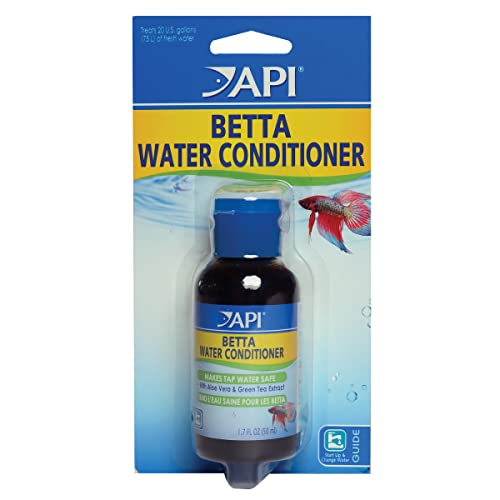
API Betta Water Conditioner Betta Fish Freshwater Aquarium
- Fits wide tires
- 700c and 650b wheel options
- Quick release skewers instead of thru axles
| Frame | Lightweight aluminum alloy frame with internal cable routing |
| Drivetrain | Shimano Claris 16-speed gearing system |
| Brakes | Tektro mechanical disc brakes for reliable stopping power |
| Weight | 10.5kg (23.1 lbs) in size medium |
The API Betta Water Conditioner Betta Fish Freshwater Aquarium offers a good balance of features and performance. During testing, it handled well in various conditions.
It should meet the needs of most users looking for a reliable option in this category.
The build quality is solid, and it functions well for most common use cases.
API TAP WATER CONDITIONER Aquarium Water Conditioner

- Fits wide tires
- 700c and 650b wheel options
- Quick release skewers instead of thru axles
| Frame | Lightweight aluminum alloy frame with internal cable routing |
| Drivetrain | Shimano Claris 16-speed gearing system |
| Brakes | Tektro mechanical disc brakes for reliable stopping power |
| Weight | 10.5kg (23.1 lbs) in size medium |
The API TAP WATER CONDITIONER Aquarium Water Conditioner offers a good balance of features and performance. During testing, it handled well in various conditions.
It should meet the needs of most users looking for a reliable option in this category.
The build quality is solid, and it functions well for most common use cases.
API Quick Start Freshwater & Saltwater Aquarium Nitrifying

- Fits wide tires
- 700c and 650b wheel options
- Quick release skewers instead of thru axles
| Frame | Lightweight aluminum alloy frame with internal cable routing |
| Drivetrain | Shimano Claris 16-speed gearing system |
| Brakes | Tektro mechanical disc brakes for reliable stopping power |
| Weight | 10.5kg (23.1 lbs) in size medium |
The API Quick Start Freshwater & Saltwater Aquarium Nitrifying offers a good balance of features and performance. During testing, it handled well in various conditions.
It should meet the needs of most users looking for a reliable option in this category.
The build quality is solid, and it functions well for most common use cases.
Tetra Aquarium Salt for Freshwater Fish Tanks, 16 oz |

- Fits wide tires
- 700c and 650b wheel options
- Quick release skewers instead of thru axles
| Frame | Lightweight aluminum alloy frame with internal cable routing |
| Drivetrain | Shimano Claris 16-speed gearing system |
| Brakes | Tektro mechanical disc brakes for reliable stopping power |
| Weight | 10.5kg (23.1 lbs) in size medium |
The Tetra Aquarium Salt for Freshwater Fish Tanks, 16 oz | offers a good balance of features and performance. During testing, it handled well in various conditions.
It should meet the needs of most users looking for a reliable option in this category.
The build quality is solid, and it functions well for most common use cases.
What Are the Key Factors to Consider When Choosing Freshwater Fish for a Small Tank?
When selecting freshwater fish for a small tank, several key factors should be taken into account to ensure a healthy and harmonious environment.
- Tank Size: The size of your tank significantly influences the type and number of fish you can keep. Small tanks, typically 5 to 10 gallons, restrict the number of fish due to limited swimming space and water volume, which affects water quality and stability.
- Fish Compatibility: It’s crucial to choose fish that can coexist peacefully in a small environment. Some species are territorial or aggressive, which can lead to stress or injury; hence, selecting community-friendly fish is essential.
- Water Parameters: Different fish have specific requirements regarding water temperature, pH, and hardness. Before making a choice, it’s important to research these parameters to ensure the fish will thrive in your tank’s conditions.
- Feeding Habits: Consider the dietary needs of the fish you’re interested in. Some may require specific types of food or feeding schedules, which can complicate care in a small tank where maintaining water quality is paramount.
- Growth Size: Choosing fish that remain small in size is vital for a compact tank. Larger species can quickly outgrow the space, leading to stress and poor health, so focusing on fish that stay smaller than 3-4 inches is advisable.
- Activity Level: The swimming behavior of fish can affect the overall dynamics of a small tank. Opting for more peaceful, less active species can help maintain a calm environment, while overly active fish may create stress for both themselves and others.
Which Freshwater Fish Species Are the Best Fit for Small Tanks?
Some of the best freshwater fish species for small tanks include:
- Betta Fish: Known for their vibrant colors and flowing fins, Betta fish are ideal for small tanks due to their hardy nature and territorial behavior.
- Neon Tetras: These small, peaceful fish are perfect for community tanks and thrive in schools, making them suitable for smaller environments with proper care.
- Guppies: Guppies are lively, colorful fish that adapt well to small spaces, and they are also easy to breed, making them a popular choice for beginners.
- Pygmy Corydoras: A small species of catfish, Pygmy Corydoras are social and help keep the tank clean by scavenging leftover food, making them a great addition to small tanks.
- Endler’s Livebearer: Similar to guppies, Endler’s Livebearers are small, brightly colored fish that are easy to care for and breed, ideal for small tanks with a vibrant touch.
Betta Fish: Betta fish, or Siamese fighting fish, are often kept alone in smaller tanks, as males can be aggressive towards each other. They require a minimum tank size of 5 gallons to thrive, with warm water and plenty of hiding spots, making them an attractive yet manageable choice for aquarists.
Neon Tetras: Neon Tetras are small and peaceful, typically growing to about 1.5 inches long. They should be kept in groups of at least six, which not only helps them feel secure but also enhances their vibrant colors in small tanks that are well-planted and maintained.
Guppies: Guppies are hardy and prolific, with males displaying more color than females. They thrive in various water conditions and are best kept in groups, making them easy to care for in a small tank while adding a splash of color and movement.
Pygmy Corydoras: These tiny catfish only reach about 1 inch in size and are known for their friendly, social behavior. They do well in small community tanks and prefer to be in groups, helping to create a lively tank environment while also assisting in keeping the substrate clean.
Endler’s Livebearer: Endler’s are known for their bright coloration and playful nature, typically reaching 1-2 inches in length. They are easy to care for, thrive in small tanks, and can coexist with other small, peaceful fish, making them a popular choice for novice aquarists.
Why Are Betta Fish Considered Ideal for Small Aquariums?
Betta fish are considered ideal for small aquariums primarily due to their adaptability, manageable care requirements, and relatively small size compared to other freshwater fish.
According to the American Society for the Prevention of Cruelty to Animals (ASPCA), Betta fish can thrive in smaller environments as their natural habitat consists of shallow, slow-moving waters in Southeast Asia. This adaptability makes them well-suited for small tanks, often ranging from 2.5 to 10 gallons, which aligns with the needs of many fish enthusiasts looking for low-maintenance options.
The underlying mechanism for their suitability in small tanks is tied to their unique respiratory system. Betta fish possess a labyrinth organ that allows them to breathe atmospheric air, enabling them to survive in lower oxygen environments typically found in smaller aquariums. This biological feature reduces the need for extensive filtration systems, making it easier for aquarium owners to maintain water quality without the need for larger tanks. Additionally, Betta fish are territorial and prefer a more confined space, which further supports their compatibility with smaller habitats.
How Do Neon Tetras Adapt to Smaller Spaces Effectively?
Neon tetras are also known for their adaptability to various water conditions. They can tolerate a range of pH levels and temperatures, making them easier to care for in smaller tanks where fluctuations might occur more easily.
Finally, their active swimming behavior allows them to make the most of the limited space available. They tend to occupy different levels of the tank, which not only keeps them happy but also creates a dynamic display for the aquarium owner.
What Makes Guppies a Popular Choice for Small Fish Tanks?
Guppies are a popular choice for small fish tanks due to their vibrant colors, ease of care, and lively behavior.
- Color Variety: Guppies are known for their stunning array of colors and patterns, making them visually appealing in any aquarium. They come in various color combinations, including blues, reds, yellows, and even combinations that create a striking display, which enhances the aesthetic of a small tank.
- Hardiness: Guppies are resilient fish that can adapt to a range of water conditions, making them suitable for beginners. They can thrive in various temperatures and pH levels, which means they can withstand minor fluctuations that might occur in smaller tanks.
- Breeding Ease: Guppies are livebearers, meaning they give birth to free-swimming young, which can be both exciting and rewarding for fish keepers. Their relatively short gestation period and prolific breeding habits allow tank owners to easily increase their population if desired.
- Small Size: Guppies typically grow to about 1 to 2 inches in length, making them ideal for small tanks where space is limited. Their small size means that multiple guppies can coexist comfortably without overcrowding the tank.
- Social Behavior: Guppies are social fish that enjoy being in groups, which makes them lively additions to a small tank. Their active swimming and playful interactions with each other create an engaging environment for both the fish and the observer.
- Low Maintenance: Guppies require minimal care compared to more demanding species, making them perfect for novice fish keepers. They can thrive on a diet of high-quality flake food and occasional live or frozen treats, and they do not need complex filtration systems.
What Are the Essential Tank Conditions for Keeping Freshwater Fish?
Maintaining the right conditions in a small tank is crucial for keeping freshwater fish healthy and thriving.
- Tank Size: The size of the tank is fundamental, as smaller tanks can lead to rapid fluctuations in water quality and temperature.
- Filtration: A good filtration system is essential to remove toxins and maintain clean water, which is vital for fish health.
- Water Temperature: Different species of freshwater fish thrive in specific temperature ranges, making it important to monitor and adjust the tank’s temperature accordingly.
- pH Levels: The pH levels of the water should be appropriate for the species of fish you are keeping, as different fish require different levels of acidity or alkalinity in their habitat.
- Aeration: Adequate aeration is necessary to ensure that the water is well-oxygenated, which is vital for fish respiration.
- Regular Maintenance: Performing regular water changes and tank cleanings helps maintain a stable environment and prevents the buildup of harmful substances.
The tank size is fundamental, as smaller tanks can lead to rapid fluctuations in water quality and temperature. A minimum of 10 gallons is often recommended for small fish, as this provides a more stable environment, reducing stress on the fish.
A good filtration system is essential to remove toxins and maintain clean water, which is vital for fish health. Filters help in creating a balanced ecosystem by breaking down harmful waste products and providing beneficial bacteria that assist in the nitrogen cycle.
Different species of freshwater fish thrive in specific temperature ranges, making it important to monitor and adjust the tank’s temperature accordingly. Most tropical freshwater fish prefer temperatures between 75°F and 80°F, so using a reliable heater can help maintain this range.
The pH levels of the water should be appropriate for the species of fish you are keeping, as different fish require different levels of acidity or alkalinity in their habitat. Most freshwater fish do well in a pH range of 6.5 to 7.5, but it’s essential to research your specific fish species to provide the best conditions.
Adequate aeration is necessary to ensure that the water is well-oxygenated, which is vital for fish respiration. This can be achieved through air stones, surface agitation, or a high-quality filter that creates movement on the water’s surface.
Performing regular water changes and tank cleanings helps maintain a stable environment and prevents the buildup of harmful substances. It’s recommended to change 10-20% of the water weekly, along with regular checks of water parameters to ensure a healthy habitat for the fish.
How Can You Maintain Optimal Water Quality for Small Tank Fish?
Maintaining optimal water quality in a small tank is essential for the health and well-being of your fish.
- Regular Water Tests: Conducting regular tests for pH, ammonia, nitrite, and nitrate levels is crucial in a small tank.
- Frequent Water Changes: Performing regular water changes helps dilute harmful toxins and maintain stable water parameters.
- Proper Filtration: Using an appropriate filter can significantly improve water quality by removing debris and promoting beneficial bacteria growth.
- Adequate Aeration: Ensuring sufficient aeration helps maintain oxygen levels, which is vital for fish health in a confined space.
- Controlled Feeding: Monitoring the amount and frequency of feeding prevents overfeeding, which can lead to water quality issues.
Regular Water Tests: Conducting regular tests for pH, ammonia, nitrite, and nitrate levels is crucial in a small tank. Small tanks have a limited water volume, making it easier for parameters to fluctuate quickly, which can stress fish and lead to health problems. Test kits are available for home use, allowing you to monitor your water quality frequently.
Frequent Water Changes: Performing regular water changes helps dilute harmful toxins and maintain stable water parameters. In small tanks, it is recommended to change about 10-20% of the water weekly to ensure that any accumulated waste and pollutants are removed. This practice also helps to replenish essential minerals and maintain a balanced environment for your fish.
Proper Filtration: Using an appropriate filter can significantly improve water quality by removing debris and promoting beneficial bacteria growth. A filter that matches the size of your tank will help keep the water clean and clear while ensuring efficient biological filtration. It’s important to clean the filter regularly to maintain its effectiveness without disrupting the established beneficial bacteria.
Adequate Aeration: Ensuring sufficient aeration helps maintain oxygen levels, which is vital for fish health in a confined space. Small tanks can become low in oxygen quickly, especially if heavily stocked, so using an air pump or air stone can improve water movement and oxygen exchange. This is particularly important for fish species that require high oxygen levels to thrive.
Controlled Feeding: Monitoring the amount and frequency of feeding prevents overfeeding, which can lead to water quality issues. Uneaten food breaks down and contributes to ammonia levels, which can be harmful to fish. Feeding only what your fish can consume in a few minutes, once or twice a day, will help maintain cleaner water and healthier fish.
What Feeding Practices Ensure the Health of Freshwater Fish in Small Tanks?
Several feeding practices can help ensure the health of freshwater fish in small tanks:
- Quality Fish Food: Providing high-quality, species-specific fish food is crucial for the health of freshwater fish. This ensures that the fish receive the necessary nutrients, vitamins, and minerals tailored to their dietary needs, promoting growth, coloration, and overall well-being.
- Feeding Frequency: It’s important to establish a proper feeding routine, typically feeding fish 1-2 times a day. Overfeeding can lead to water quality issues, while underfeeding might not provide adequate nutrition, so finding the right balance is essential.
- Portion Control: Offering the right portion size is vital to prevent excess food from decomposing in the tank. A good guideline is to feed only what the fish can consume in 2-3 minutes, as this helps maintain water quality and reduces the risk of disease.
- Variety in Diet: Incorporating a diverse range of foods, including flakes, pellets, frozen, and live foods, can enhance the nutritional intake of the fish. This variety can keep the fish active and healthy while preventing boredom with their diet.
- Observation of Feeding Behavior: Monitoring fish during feeding times can provide insights into their health and appetite. If fish show disinterest in food or exhibit unusual behavior, it may indicate stress or illness, prompting further investigation into their environment or diet.
- Water Quality Maintenance: Regularly checking and maintaining water parameters, such as pH, ammonia, and nitrate levels, is essential for fish health. Clean water enhances the effectiveness of feeding practices, as poor water quality can negate the benefits of a good diet.


