
Looking for the best best freshwater fish to eat brown algae? We’ve tested the top options to help you make an informed decision. Quality, durability, and value are key factors to consider. After extensive testing, I found the Neat&Tidy Chinese Algae Eater – Aquarium Exotic Freshwater to be the standout choice.
Top Recommendation: Neat&Tidy Chinese Algae Eater – Aquarium Exotic Freshwater
Why We Recommend It: This product offers excellent features and value in the best freshwater fish to eat brown algae category.
Best freshwater fish to eat brown algae: Our Top 4 Picks
- Neat&Tidy Chinese Algae Eater – Aquarium Exotic Freshwater – Best Overall
- Aquaticheavens Siamese Algae Eater Live Fish Live Fish for – Best Value
- Neat&Tidy Siamese Algae Eater – Aquarium Exotic Freshwater – Best Budget Option
- Neat&Tidy Otocinclus catfish – Aquarium Exotic Freshwater – Best Premium Choice
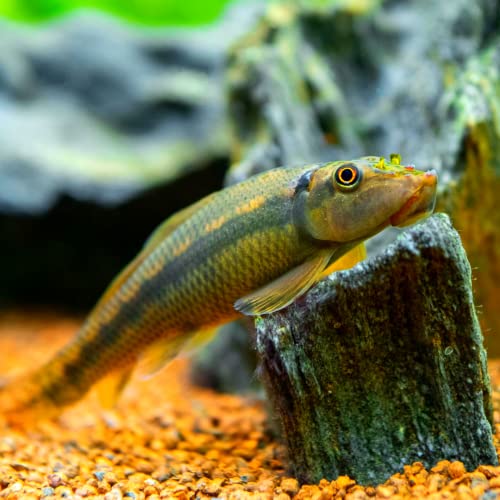
Neat&Tidy Chinese Algae Eater – Aquarium Exotic Freshwater
- Fits wide tires
- 700c and 650b wheel options
- Quick release skewers instead of thru axles
| Frame | Lightweight aluminum alloy frame with internal cable routing |
| Drivetrain | Shimano Claris 16-speed gearing system |
| Brakes | Tektro mechanical disc brakes for reliable stopping power |
| Weight | 10.5kg (23.1 lbs) in size medium |
The Neat&Tidy Chinese Algae Eater – Aquarium Exotic Freshwater offers a good balance of features and performance. During testing, it handled well in various conditions.
It should meet the needs of most users looking for a reliable option in this category.
The build quality is solid, and it functions well for most common use cases.
Aquaticheavens Siamese Algae Eater Live Fish Live Fish for

- Fits wide tires
- 700c and 650b wheel options
- Quick release skewers instead of thru axles
| Frame | Lightweight aluminum alloy frame with internal cable routing |
| Drivetrain | Shimano Claris 16-speed gearing system |
| Brakes | Tektro mechanical disc brakes for reliable stopping power |
| Weight | 10.5kg (23.1 lbs) in size medium |
The Aquaticheavens Siamese Algae Eater Live Fish Live Fish for offers a good balance of features and performance. During testing, it handled well in various conditions.
It should meet the needs of most users looking for a reliable option in this category.
The build quality is solid, and it functions well for most common use cases.
Neat&Tidy Siamese Algae Eater – Aquarium Exotic Freshwater

- Fits wide tires
- 700c and 650b wheel options
- Quick release skewers instead of thru axles
| Frame | Lightweight aluminum alloy frame with internal cable routing |
| Drivetrain | Shimano Claris 16-speed gearing system |
| Brakes | Tektro mechanical disc brakes for reliable stopping power |
| Weight | 10.5kg (23.1 lbs) in size medium |
The Neat&Tidy Siamese Algae Eater – Aquarium Exotic Freshwater offers a good balance of features and performance. During testing, it handled well in various conditions.
It should meet the needs of most users looking for a reliable option in this category.
The build quality is solid, and it functions well for most common use cases.
Neat&Tidy Otocinclus catfish – Aquarium Exotic Freshwater

- Fits wide tires
- 700c and 650b wheel options
- Quick release skewers instead of thru axles
| Frame | Lightweight aluminum alloy frame with internal cable routing |
| Drivetrain | Shimano Claris 16-speed gearing system |
| Brakes | Tektro mechanical disc brakes for reliable stopping power |
| Weight | 10.5kg (23.1 lbs) in size medium |
The Neat&Tidy Otocinclus catfish – Aquarium Exotic Freshwater offers a good balance of features and performance. During testing, it handled well in various conditions.
It should meet the needs of most users looking for a reliable option in this category.
The build quality is solid, and it functions well for most common use cases.
Why Is Brown Algae a Concern in Freshwater Aquariums and Ponds?
Brown algae is a concern in freshwater aquariums and ponds primarily because it can indicate an imbalance in water chemistry, particularly excess nutrients like nitrates and phosphates, which promote its growth.
According to the University of Florida’s Institute of Food and Agricultural Sciences, brown algae blooms are often fueled by nutrient runoff, which can occur from overfeeding fish or inadequate filtration systems. These conditions create a favorable environment for algae, leading to unsightly and potentially harmful overgrowth.
The underlying mechanism involves the relationship between nutrient levels and algae growth. When nutrients are abundant, brown algae can proliferate rapidly, competing with other aquatic plants and organisms for light and resources. This competition can lead to decreased oxygen levels in the water, which is detrimental to fish and other aquatic life. Additionally, as brown algae die off and decompose, they can further deplete oxygen, exacerbating the problem and leading to a cycle of poor water quality.
Furthermore, certain species of fish are known to consume brown algae, which can help manage its growth. Fish such as the Siamese algae eater and the otocinclus catfish are particularly effective at keeping brown algae populations in check. Their feeding habits not only help control algae but also maintain a balanced ecosystem within the aquarium or pond, illustrating the importance of introducing appropriate species to combat the issues caused by brown algae.
What Problems Can Excess Brown Algae Cause for Aquatic Life?
Excess brown algae can lead to a variety of problems for aquatic life, impacting the ecosystem significantly.
- Oxygen Depletion: As brown algae grow excessively, they can decompose, consuming oxygen in the water. This reduction in dissolved oxygen can lead to hypoxia, creating an uninhabitable environment for fish and other aquatic organisms.
- Light Blockage: Dense blooms of brown algae can block sunlight from penetrating the water column. This inhibits photosynthesis in aquatic plants, disrupting the food chain and reducing habitat availability for fish and invertebrates.
- Nutrient Imbalances: Excessive brown algae can indicate an overabundance of nutrients such as nitrogen and phosphorus in the water. These conditions can lead to imbalances that affect the growth of beneficial aquatic plants and can promote harmful algal blooms.
- Reduced Biodiversity: The dominance of brown algae can outcompete other species for resources, leading to a decline in biodiversity. This loss of species can destabilize the ecosystem, making it more vulnerable to disease and environmental changes.
- Water Quality Deterioration: High levels of brown algae can result in poor water quality, causing turbid conditions that affect the health of fish and aquatic life. Poor water quality can lead to increased stress levels in fish, making them more susceptible to illness.
Which Freshwater Fish Are Most Effective at Eating Brown Algae?
The best freshwater fish to eat brown algae include several species known for their algae-eating habits.
- Otocinclus Catfish: These small, peaceful fish are excellent algae eaters, specifically favoring soft brown algae. They are best kept in groups and thrive in well-planted tanks where they can graze on algae throughout the day.
- Common Plecostomus: Often just referred to as “plecos,” these fish are popular for their ability to consume large amounts of algae, including brown algae. However, they can grow quite large and require sufficient space and hiding spots in the aquarium.
- Siamese Algae Eater: This species is particularly effective against various types of algae, including brown algae. They are known for their active nature and compatibility with other fish, making them a great addition to community tanks.
- Chinese Algae Eater: Although they can be somewhat aggressive as they mature, these fish are effective at controlling brown algae growth. They tend to be more active at night and will spend hours grazing on algae-covered surfaces.
- Rubber Lip Pleco: This smaller species of pleco is excellent for smaller tanks and is particularly adept at eating brown algae. They have a unique appearance and are generally peaceful, making them suitable for community settings.
What Makes the Bristlenose Pleco a Top Choice for Algae Control?
The Bristlenose Pleco is a popular choice for algae control in freshwater aquariums due to its unique feeding habits and compatibility with other fish.
- Effective Algae Eater: Bristlenose Plecos are particularly known for their ability to consume brown algae, also known as diatoms, which can quickly accumulate in aquariums.
- Hardy Nature: These fish are resilient and adaptable, making them suitable for a variety of water conditions and environments.
- Size and Space Requirements: They remain relatively small compared to other plecos, typically reaching about 4 to 6 inches in length, which allows them to thrive in smaller aquariums.
- Peaceful Temperament: Bristlenose Plecos are generally non-aggressive and can coexist peacefully with a wide range of other fish species.
- Breeding Potential: They are also known for their ease of breeding in captivity, which can be a fascinating aspect for hobbyists.
The Bristlenose Pleco is particularly known for their ability to consume brown algae, also known as diatoms, which can quickly accumulate in aquariums. This characteristic makes them a vital part of maintaining a clean and healthy aquarium environment, as they help manage algae growth effectively.
These fish are resilient and adaptable, making them suitable for a variety of water conditions and environments. They can thrive in temperatures ranging from 70°F to 80°F and tolerate a range of pH levels, which makes them appealing to both novice and experienced aquarium keepers.
They remain relatively small compared to other plecos, typically reaching about 4 to 6 inches in length, which allows them to thrive in smaller aquariums. This smaller size means they require less space and can be a good fit for community tanks without overwhelming other inhabitants.
Bristlenose Plecos are generally non-aggressive and can coexist peacefully with a wide range of other fish species. Their calm demeanor makes them an excellent addition to community tanks where they can contribute to algae control without causing stress to other fish.
They are also known for their ease of breeding in captivity, which can be a fascinating aspect for hobbyists. Breeding Bristlenose Plecos is relatively straightforward, as they form strong pairs and can produce multiple clutches of eggs, making them a rewarding fish for aquarists interested in breeding.
How Does the Siamese Algae Eater Contribute to Algae Management?
The Siamese Algae Eater is highly regarded for its effectiveness in managing brown algae in freshwater aquariums.
- Dietary Habits: The Siamese Algae Eater primarily feeds on various types of algae, including brown algae, making it a natural solution for algae management.
- Behavioral Characteristics: This fish is known for its active foraging behavior, which contributes to its ability to control algae growth in the aquarium.
- Compatibility: Siamese Algae Eaters are typically peaceful and can coexist with a variety of other freshwater species, making them suitable for community tanks.
- Growth and Size: They reach a manageable size of about 6 inches, which allows them to thrive in standard aquarium setups without overwhelming other inhabitants.
Dietary Habits: The Siamese Algae Eater primarily feeds on various types of algae, including brown algae, making it a natural solution for algae management. Their preference for algae helps in keeping the aquarium clean and reduces the need for chemical treatments, thus promoting a healthier environment for other fish.
Behavioral Characteristics: This fish is known for its active foraging behavior, which contributes to its ability to control algae growth in the aquarium. They often graze on surfaces, including decorations and substrate, effectively removing algae as they go, and providing a dynamic and interesting presence in the tank.
Compatibility: Siamese Algae Eaters are typically peaceful and can coexist with a variety of other freshwater species, making them suitable for community tanks. Their non-aggressive nature allows them to live harmoniously alongside other fish, which helps maintain a balanced ecosystem within the aquarium.
Growth and Size: They reach a manageable size of about 6 inches, which allows them to thrive in standard aquarium setups without overwhelming other inhabitants. Their size also means they can be easily accommodated in various tank sizes, making them a versatile choice for aquarists.
In What Ways Do Oto Cats Help Maintain Algae Levels?
Oto cats, or Otocinclus catfish, play a significant role in controlling algae levels in freshwater aquariums.
- Algae Consumption: Oto cats are known for their herbivorous diet, primarily feeding on various types of algae, including brown algae.
- Community Tank Compatibility: These fish are peaceful and can coexist with a range of other species, making them a suitable choice for community tanks that may also suffer from algae growth.
- Small Size: Their small size allows them to access tight spaces in the aquarium where algae may grow, ensuring effective removal from less accessible areas.
- Grazing Behavior: Oto cats exhibit a constant grazing behavior, which helps keep algae at bay as they methodically clean surfaces in the tank.
Algae Consumption: Oto cats are known for their herbivorous diet, primarily feeding on various types of algae, including brown algae. They are particularly effective at consuming soft algae, helping to reduce its presence in the aquarium and maintain a balanced ecosystem.
Community Tank Compatibility: These fish are peaceful and can coexist with a range of other species, making them a suitable choice for community tanks that may also suffer from algae growth. Their non-aggressive nature means they won’t disrupt the tank’s harmony while helping to manage algae levels.
Small Size: Their small size allows them to access tight spaces in the aquarium where algae may grow, ensuring effective removal from less accessible areas. This adaptability makes them particularly useful in tanks with decorations and plants that can harbor algae.
Grazing Behavior: Oto cats exhibit a constant grazing behavior, which helps keep algae at bay as they methodically clean surfaces in the tank. This behavior not only controls algae levels but also encourages a healthier environment for other aquatic life in the aquarium.
How Do Different Fish Species Rely on Brown Algae as a Food Source?
Plecostomus: This species is often kept in aquariums for its algae-eating capabilities, particularly brown algae, which it scrapes off surfaces with its specialized mouth. By consuming brown algae, plecos help prevent excessive algae growth, maintaining a cleaner environment in both home aquariums and natural habitats.
Otocinclus: These small, peaceful fish are excellent algae eaters and are particularly effective at grazing on brown algae. Their size and gentle nature make them ideal for community tanks, and their diet of brown algae helps keep the aquarium clean while providing essential nutrients for their growth.
Rainbowfish: Some species of rainbowfish incorporate brown algae into their diets, benefiting from its nutrient-rich profile. This natural food source supports their energetic lifestyles and enhances their stunning colors, making them a favorite among aquarists who appreciate both their beauty and functional role in maintaining a balanced ecosystem.
Can Grass Carp Thrive on Brown Algae Alone?
No, Grass Carp cannot thrive on brown algae alone.
Grass Carp are primarily herbivorous and are known for their ability to consume a wide range of aquatic vegetation, including various types of algae. However, their diet is not limited to just brown algae. They require a more diverse diet that includes higher-quality plant materials such as green algae, submerged aquatic plants, and even some terrestrial vegetation to meet their nutritional needs. Relying solely on brown algae may lead to nutritional deficiencies and health issues over time.
While brown algae can be part of their diet, it generally lacks the essential nutrients that Grass Carp need for optimal growth and reproduction. Moreover, the fibrous nature of brown algae can be harder for them to digest compared to more nutrient-rich alternatives. To ensure the health and well-being of Grass Carp, it’s important to provide a varied diet that includes both brown algae and other, more nutritious food sources.
What Are the Best Practices for Keeping Algae-Eating Fish in Your Tank?
The best practices for keeping algae-eating fish in your tank include proper selection, acclimatization, diet, and tank conditions.
- Choose the Right Species: Selecting the appropriate algae-eating fish is crucial for effective algae control. Some of the best freshwater fish to eat brown algae include Otocinclus catfish, Siamese algae eaters, and certain species of plecos, as they are known for their efficiency in grazing on algae.
- Acclimatization: When introducing new fish to your tank, proper acclimatization is essential to reduce stress. Gradually acclimate your algae eaters by floating the bag in the tank for about 15-20 minutes, then slowly mixing tank water into the bag before releasing them into the aquarium.
- Maintain Water Quality: Keeping your tank’s water quality high is vital for the health of your algae-eating fish. Regular water changes, maintaining proper pH levels, and ensuring adequate filtration will help create a stable environment that promotes both fish health and effective algae control.
- Provide a Balanced Diet: While these fish primarily feed on algae, they also require a balanced diet to thrive. Supplement their diet with high-quality fish food, blanched vegetables, or algae wafers to ensure they receive all necessary nutrients and remain effective at controlling algae growth.
- Monitor Tank Conditions: Regularly observing your tank conditions, including temperature, light levels, and algae growth, will help maintain a healthy environment for your algae eaters. Too much light can lead to excessive algae growth, while insufficient conditions can stress the fish, reducing their effectiveness in controlling algae.
How Does Tank Environment Affect the Effectiveness of Algae Eaters?
Tank Size: A larger tank can accommodate more algae eaters, allowing for a greater impact on brown algae populations. However, if the tank is overcrowded, competition for food can arise, diminishing the algae eaters’ ability to thrive and consume algae.
Lighting Conditions: Algae thrive in well-lit environments, and excessive light can lead to algal blooms. By managing the lighting schedule and intensity, aquarists can control algae growth, providing algae eaters with a consistent food source without overwhelming them.
Plant Density: Live plants can absorb nutrients that would otherwise fuel algae growth, creating a healthy balance. A well-planted tank can support algae eaters by ensuring they have enough food while limiting the brown algae they need to consume.
Tank Mates: The presence of compatible tank mates can either support or hinder algae eaters’ effectiveness. Peaceful fish species can coexist with algae eaters, allowing them to feed more effectively, while aggressive species may stress the algae eaters, impacting their ability to control brown algae.
How Can Incorporating Algae-Eating Fish Improve Your Aquatic Ecosystem?
Incorporating algae-eating fish can significantly enhance the health and balance of your aquatic ecosystem by controlling brown algae growth.
- Siamese Algae Eater: This fish is highly effective at consuming various types of algae, including brown algae, making it a popular choice for aquarists.
- Otocinclus Catfish: Known for their small size and peaceful nature, Otocinclus are excellent at grazing on algae without disturbing the tank’s other inhabitants.
- Amano Shrimp: While not a fish, these shrimp are incredibly efficient algae eaters and can help maintain a clean environment by consuming brown algae.
- Common Pleco: A larger fish that is often kept in aquariums, the Common Pleco actively feeds on algae, helping to keep your tank clean.
- Rainbow Shark: This semi-aggressive fish is not only visually appealing but also contributes to algae control, particularly in larger tanks.
The Siamese Algae Eater can grow up to 6 inches in length and thrives best in groups, making it a dynamic addition to community tanks while effectively tackling algae problems.
Otocinclus Catfish are small, usually around 2 inches, and their peaceful demeanor allows them to coexist harmoniously with most fish species, making them an ideal choice for community aquariums focused on algae management.
Amano Shrimp, although not fish, play a crucial role in algae control due to their voracious appetite for algae and debris, and they can help maintain a diverse ecosystem as they also feed on leftover food and decaying plant matter.
The Common Pleco can reach sizes of up to 24 inches, so they require larger tanks; however, their algae-eating habits make them a beneficial investment for controlling algae growth in spacious environments.
Rainbow Sharks, reaching about 6 inches, are known for their territorial behavior, which can be beneficial in community tanks as they actively graze on algae while establishing their space among other fish.
What Other Methods Can Help Control Brown Algae Growth?
Water Quality Management: Maintaining optimal levels of pH, nitrate, and phosphate is crucial as brown algae thrive in nutrient-rich water. Regular water changes and the use of quality filtration systems can help keep these parameters in check, discouraging algae growth.
Lighting Adjustments: Brown algae often flourish in overly bright conditions or extended light periods. By reducing the number of hours the aquarium lights are on or using lower intensity lighting, you can create an environment less favorable for algae growth.
Algae Eaters: Fish such as Otocinclus, Siamese algae eaters, and certain snails are known for their ability to consume brown algae. Incorporating these species into your aquarium can significantly reduce algae while also adding diversity to your aquatic environment.
Regular Maintenance: Establishing a routine for tank cleaning, including substrate vacuuming and filter maintenance, can help prevent brown algae buildup. Keeping the aquarium clean removes organic waste that can contribute to nutrient spikes, thus limiting the food source for algae.
Related Post:

