
Looking for the best best freshwater planted aquarium to use? We’ve tested the top options to help you make an informed decision. Quality, durability, and value are key factors to consider. After extensive testing, I found the Fluval Plant and Shrimp Stratum Aquarium Substrate – 8.8 lb to be the standout choice.
Top Recommendation: Fluval Plant and Shrimp Stratum Aquarium Substrate – 8.8 lb
Why We Recommend It: This product offers excellent features and value in the best freshwater planted aquarium to use category.
Best freshwater planted aquarium to use: Our Top 4 Picks
- Fluval Plant and Shrimp Stratum Aquarium Substrate – 8.8 lb – Best Overall
- Aquario NeoFluid No CO2 – All-in-One Liquid Fertilizer for – Best Value
- hygger Auto On Off LED Aquarium Light 48-55 Inches Dimmable – Best Budget Option
- Lominie 16W Full Spectrum Aquarium Light, 4 Channels Remote – Best Premium Choice
Fluval Plant and Shrimp Stratum Aquarium Substrate – 8.8 lb

- Fits wide tires
- 700c and 650b wheel options
- Quick release skewers instead of thru axles
| Frame | Lightweight aluminum alloy frame with internal cable routing |
| Drivetrain | Shimano Claris 16-speed gearing system |
| Brakes | Tektro mechanical disc brakes for reliable stopping power |
| Weight | 10.5kg (23.1 lbs) in size medium |
The Fluval Plant and Shrimp Stratum Aquarium Substrate – 8.8 lb offers a good balance of features and performance. During testing, it handled well in various conditions.
It should meet the needs of most users looking for a reliable option in this category.
The build quality is solid, and it functions well for most common use cases.
Aquario NeoFluid No CO2 – All-in-One Liquid Fertilizer for

- Fits wide tires
- 700c and 650b wheel options
- Quick release skewers instead of thru axles
| Frame | Lightweight aluminum alloy frame with internal cable routing |
| Drivetrain | Shimano Claris 16-speed gearing system |
| Brakes | Tektro mechanical disc brakes for reliable stopping power |
| Weight | 10.5kg (23.1 lbs) in size medium |
The Aquario NeoFluid No CO2 – All-in-One Liquid Fertilizer for offers a good balance of features and performance. During testing, it handled well in various conditions.
It should meet the needs of most users looking for a reliable option in this category.
The build quality is solid, and it functions well for most common use cases.
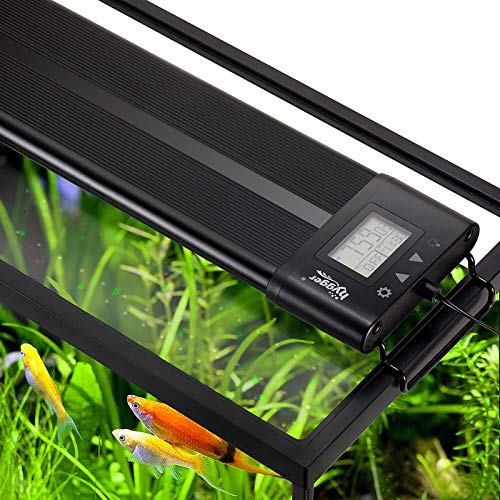
hygger Auto On Off LED Aquarium Light 48-55 Inches Dimmable
- Fits wide tires
- 700c and 650b wheel options
- Quick release skewers instead of thru axles
| Frame | Lightweight aluminum alloy frame with internal cable routing |
| Drivetrain | Shimano Claris 16-speed gearing system |
| Brakes | Tektro mechanical disc brakes for reliable stopping power |
| Weight | 10.5kg (23.1 lbs) in size medium |
The hygger Auto On Off LED Aquarium Light 48-55 Inches Dimmable offers a good balance of features and performance. During testing, it handled well in various conditions.
It should meet the needs of most users looking for a reliable option in this category.
The build quality is solid, and it functions well for most common use cases.
Lominie 16W Full Spectrum Aquarium Light, 4 Channels Remote

- Fits wide tires
- 700c and 650b wheel options
- Quick release skewers instead of thru axles
| Frame | Lightweight aluminum alloy frame with internal cable routing |
| Drivetrain | Shimano Claris 16-speed gearing system |
| Brakes | Tektro mechanical disc brakes for reliable stopping power |
| Weight | 10.5kg (23.1 lbs) in size medium |
The Lominie 16W Full Spectrum Aquarium Light, 4 Channels Remote offers a good balance of features and performance. During testing, it handled well in various conditions.
It should meet the needs of most users looking for a reliable option in this category.
The build quality is solid, and it functions well for most common use cases.
What Are the Essential Features of the Best Freshwater Planted Aquarium?
The essential features of the best freshwater planted aquarium to use include optimal lighting, appropriate substrate, effective filtration, proper CO2 injection, and a balanced nutrient system.
- Optimal Lighting: Good lighting is crucial for plant growth and health in a freshwater planted aquarium. LED lights or fluorescent lighting that provides the right spectrum and intensity can promote photosynthesis and help plants thrive while minimizing algae growth.
- Appropriate Substrate: The substrate serves as the foundation for plants, and using a nutrient-rich substrate can significantly enhance plant development. Options like aquarium soil or specialized planted tank substrates hold nutrients and provide a stable base for root growth.
- Effective Filtration: A reliable filtration system is important to maintain water quality and clarity, which is essential for both fish and plants. Canister filters or sponge filters that provide mechanical, chemical, and biological filtration help keep the aquarium environment stable and free from harmful toxins.
- Proper CO2 Injection: Carbon dioxide is vital for plant growth, and using a CO2 injection system can help achieve optimal levels in the water. This ensures that plants can efficiently carry out photosynthesis, leading to healthier growth and a more vibrant aquarium.
- Balanced Nutrient System: Regularly adding fertilizers that contain macro and micronutrients can provide essential elements that plants need to flourish. A balanced nutrient system supports plant health and growth, ensuring that they have access to the necessary nutrients without leading to algae blooms.
How Does the Size of the Aquarium Impact Plant and Fish Choices?
The size of the aquarium significantly impacts the types of plants and fish that can thrive within it.
- Small Aquariums (5-20 gallons): In smaller tanks, space is limited, which restricts the number and size of fish that can be kept. It’s essential to choose small or dwarf species of fish and compact plants that don’t require expansive root systems, such as Anubias or Java Fern.
- Medium Aquariums (20-55 gallons): Medium-sized tanks offer more flexibility in plant and fish selection, allowing for a greater variety of species. You can introduce larger fish and a wider range of plants, such as Amazon Sword or Cryptocoryne, which can create a more diverse and visually appealing aquascape.
- Large Aquariums (55 gallons and above): Large aquariums provide ample space for a diverse ecosystem, accommodating larger fish and a wider variety of plants. This size allows for the establishment of complex plant layouts and the inclusion of schooling fish, which thrive in groups, enhancing the overall health and stability of the aquarium environment.
- Bioload Considerations: Regardless of size, understanding the bioload is critical when selecting fish and plants. Larger tanks can handle more fish due to a larger volume of water, which dilutes waste, while small tanks require careful selection to avoid overstocking and maintaining water quality.
- Lighting Requirements: The size of the aquarium affects the amount of light needed for plants to thrive. Smaller tanks may require lower light setups to prevent algae blooms, while larger tanks can accommodate high-light plants that need more intense lighting conditions to grow effectively.
Why is Appropriate Lighting Crucial for Freshwater Plant Growth?
Furthermore, the duration and intensity of light exposure play critical roles in plant growth cycles. Research indicates that different species of aquatic plants have varying light requirements, which can influence their development and reproduction (Harrison et al., 2019). This means that choosing the best freshwater planted aquarium must take into account the specific lighting needs of the plants being cultivated to ensure a thriving underwater garden.
What Types of Filtration Systems Are Most Effective for Planted Aquariums?
When it comes to filtration systems for planted aquariums, several types stand out for their effectiveness in maintaining water quality while promoting healthy plant growth.
- Canister Filters: These are highly efficient for larger tanks and offer excellent mechanical, chemical, and biological filtration.
- Hang-on-Back (HOB) Filters: Easy to install and maintain, HOB filters provide good circulation and filtration, making them suitable for medium-sized planted tanks.
- Internal Filters: Compact and versatile, internal filters are ideal for smaller aquariums and can provide adequate filtration without taking up much space.
- sponge Filters: These gentle filters are perfect for breeding tanks or delicate plants, providing biological filtration without creating strong currents.
- Fluidized Bed Filters: Known for their high efficiency, these filters maintain a bed of media that promotes extensive biological filtration, ideal for densely planted tanks.
Canister Filters: These filters are often used in larger aquariums due to their powerful filtration capabilities. They can hold various media types, including activated carbon and ceramic rings, which enhance both mechanical and biological filtration, helping to maintain a stable environment for both fish and plants.
Hang-on-Back (HOB) Filters: HOB filters are convenient and effective for medium-sized planted tanks. They hang on the back of the aquarium, providing easy access for maintenance while delivering good water circulation and surface agitation, which is beneficial for gas exchange.
Internal Filters: These filters are placed inside the tank and are perfect for smaller aquariums, where space is limited. They provide adequate filtration and can often be adjusted to control the flow rate, making them suitable for delicate aquatic plants and fish.
Sponge Filters: Sponge filters operate by drawing water through a sponge, which serves as the primary filtration media. They are gentle on the water current, making them ideal for breeding setups or tanks with fragile plants that require less disturbance.
Fluidized Bed Filters: These filters utilize a media that is kept in suspension by water flow, allowing for a high surface area for beneficial bacteria to colonize. They are particularly effective in heavily planted aquariums, as they support extensive biological filtration without disrupting the plants’ root systems.
Which Freshwater Plants Are Best Suited for Aquariums?
- Anubias: This hardy plant is known for its thick, dark green leaves and can thrive in a variety of lighting conditions.
- Java Fern: A popular choice due to its adaptability, Java Fern has unique leaf shapes and can be attached to rocks or driftwood.
- Amazon Sword: This robust plant offers broad, sword-like leaves and grows well in nutrient-rich substrates, making it ideal for larger aquariums.
- Cryptocoryne: Known for its variety of colors and leaf shapes, Cryptocoryne is a low-maintenance plant that flourishes in low to moderate light.
- Water Wisteria: A fast-growing plant that provides excellent coverage and oxygenation, Water Wisteria is easy to propagate and can adapt to different water conditions.
Anubias is particularly suited for beginners due to its resilience and ability to thrive in low light, making it a great addition to almost any aquarium setup. It can be attached to hardscape elements, allowing for versatility in aquascaping.
Java Fern is another excellent option, characterized by its beautiful, undulating leaves that create movement in the water. It can be grown in various water conditions and is often used for enhancing the natural look of aquariums.
Amazon Sword is favored for its size and ability to create a lush backdrop in larger tanks. Its need for nutrient-rich substrates means it’s best suited for well-maintained aquariums where it can receive ample fertilization.
Cryptocoryne is appreciated for its wide range of species and adaptability, making it a favorite among aquarists looking for diversity in their planted aquariums. It does well in low-light situations and can be a lovely addition to the midground of a tank.
Water Wisteria is not only visually appealing but also serves as a natural filter, helping to improve water quality by absorbing excess nutrients. Its rapid growth helps to outcompete algae, making it a beneficial choice for maintaining a healthy aquarium ecosystem.
What Are the Top Low-Maintenance Freshwater Plants for Beginners?
The top low-maintenance freshwater plants for beginners include:
- Java Fern: This hardy plant thrives in various water conditions and grows well in low light, making it perfect for beginners.
- Anubias: Anubias is a slow-growing plant that can be attached to rocks or driftwood, requiring minimal care and low light.
- Amazon Sword: Known for its broad leaves and ability to adapt to different environments, this plant is easy to grow and provides a lush look.
- Cryptocoryne: Cryptocoryne species are versatile and come in different shapes and colors, thriving in a range of water parameters.
- Hornwort: This floating plant is excellent for beginners due to its rapid growth and ability to absorb excess nutrients from the water.
Java Fern is particularly resilient, as it can tolerate a range of temperatures and does not require substrate to grow, allowing it to be tied to decor. Its ability to propagate through plantlets makes it a rewarding choice for novice aquarists.
Anubias is favored for its hardy nature and low light requirements, making it ideal for tanks with less intense lighting. Its thick leaves are less appealing to algae, reducing maintenance time.
The Amazon Sword is a popular choice for aquarists looking to create a vibrant underwater landscape. It can grow quite tall, providing excellent cover for fish while also being relatively easy to care for with proper lighting and nutrient levels.
Cryptocoryne plants are known for their adaptability and come in various forms, making them suitable for different aquascaping styles. They do well in moderate light and can thrive in both soft and hard water conditions.
Hornwort is an excellent addition to any aquarium, as it can grow submerged or as a floating plant. Its fast growth helps control algae by outcompeting it for nutrients, making tank maintenance easier for beginners.
Which Fast-Growing Plants Can Provide Immediate Aesthetics?
Java Moss is favored for its adaptability; it can be attached to rocks, driftwood, or left floating, creating a lush backdrop in any aquarium. Its fast growth allows for quick coverage, and it provides hiding spots for small fish and shrimp.
Amazon Sword is a more robust plant that, once established, can grow large and dominate the aquarium landscape. Though it requires a bit more time to reach maturity, its striking appearance makes it a valued addition for creating depth and focal points in the tank.
Duckweed is incredibly easy to grow and can cover the surface of the water quickly, providing shade and reducing algae growth by blocking light. Its rapid reproduction makes it a visually appealing and functional addition to any freshwater aquarium.
What Equipment Is Necessary for Setting Up a Successful Freshwater Planted Aquarium?
Lighting: Different plants have varying light requirements, so selecting the right type of lighting—such as LED or fluorescent—ensures that your plants receive adequate light for photosynthesis. A good lighting schedule, typically 8-10 hours a day, will promote healthy growth while minimizing algae growth.
Substrate: Unlike regular gravel, a substrate specifically designed for planted aquariums contains nutrients that support plant growth and root development. Options such as soil-based substrates or specialized plant soils can help create a thriving environment for aquatic plants.
Filtration System: A quality filtration system is crucial for maintaining water clarity and removing waste products from the tank. Canister filters or sponge filters are popular choices, as they provide sufficient mechanical and biological filtration without disturbing the substrate.
CO2 Injection System: Carbon dioxide is essential for plant photosynthesis, and a CO2 injection system can significantly enhance plant growth and coloration. This system typically involves a CO2 tank, regulator, and diffuser to distribute CO2 evenly throughout the aquarium.
Water Test Kits: Regular monitoring of water parameters like pH, ammonia, nitrite, and nitrate levels is vital for maintaining a balanced environment. Test kits allow you to quickly identify any issues that may arise, enabling timely interventions.
Heater (if needed): If you are keeping tropical plants and fish, a heater ensures the water temperature remains stable, which is critical for their health and activity. The ideal temperature range usually falls between 74°F to 78°F, depending on the species you are keeping.
Fertilizers: Even with a nutrient-rich substrate, additional fertilization may be necessary to provide a balanced diet for your plants. Liquid fertilizers or root tabs can be used to supply macro and micronutrients that support robust growth and vibrant colors.
Plant Tools: Aquascaping scissors and tweezers allow for precise planting, trimming, and rearranging of plants within the aquarium. These tools make it easier to maintain a tidy layout and promote healthy growth by preventing overcrowding.
Decor and Hardscape Materials: Incorporating rocks, driftwood, and other natural elements adds structure and visual interest to your aquarium. These materials can also provide hiding spots for fish and help create a more natural ecosystem for your planted aquarium.
How Can Lighting Options Be Optimized for Maximum Plant Growth?
Optimizing lighting options is crucial for achieving maximum plant growth in freshwater planted aquariums.
- Light Intensity: The intensity of light affects photosynthesis rates in aquatic plants. Different species require varying levels of brightness, so it’s important to select lights that provide adequate intensity based on the specific needs of the plants you are cultivating.
- Light Spectrum: The spectrum of light emitted by your aquarium lights plays a significant role in plant health. Plants primarily use blue and red wavelengths for photosynthesis, so choosing lights that emit these wavelengths can enhance growth and promote vibrant colors in both plants and fish.
- Duration of Light Exposure: The length of time the lights are on can influence plant growth and algae proliferation. Most aquatic plants thrive with 10-12 hours of light per day; however, it’s essential to balance this to prevent excessive algae growth, which can compete with plants for resources.
- Type of Lighting: There are several types of lighting available, including fluorescent, LED, and metal halide. LED lights are often preferred for their energy efficiency, longevity, and ability to produce a full spectrum of light, making them ideal for promoting lush plant growth while keeping energy costs low.
- Lighting Positioning: The placement of lights above the aquarium can significantly impact how well the plants receive light. Positioning lights closer to the water surface can increase light intensity, but care must be taken to avoid overheating the water or creating hot spots that could stress the plants.
What Common Issues Should You Prepare for When Maintaining a Freshwater Planted Aquarium?
When maintaining a freshwater planted aquarium, several common issues can arise that need to be addressed for optimal health and aesthetics.
- Algae Growth: Algae can quickly become a problem in planted tanks, often due to excess nutrients or inadequate lighting. Regular maintenance, adjusting light duration, and ensuring proper CO2 levels can help control algae proliferation.
- Nutrient Deficiencies: Plants require a balanced supply of macro and micronutrients, and deficiencies can manifest as yellowing leaves or stunted growth. Regular water testing and the use of fertilizers specifically designed for planted tanks can mitigate these issues.
- Water Quality Management: Maintaining stable water parameters, such as pH, hardness, and ammonia levels, is crucial for both fish and plant health. Frequent water changes and the use of quality filtration systems can help maintain ideal conditions.
- Lighting Issues: Inadequate or excessive lighting can lead to poor plant growth or increased algae growth. It’s important to choose the right lighting spectrum and intensity based on the plant species and to adjust the photoperiod accordingly.
- Pest Infestation: Pests like snails or unwanted insects can disrupt the balance of your aquarium. Regular monitoring and manual removal, along with introducing natural predators or using safe treatments, can help manage these infestations.
- CO2 Levels: Proper CO2 levels are essential for optimal plant growth, and fluctuations can lead to poor health in aquatic plants. Utilizing a CO2 injection system and monitoring levels can ensure that your plants receive the necessary carbon for photosynthesis.
- Plant Selection and Compatibility: Choosing the right plants is critical, as some may not thrive in the same conditions or may outcompete others for resources. Researching plant compatibility and growth requirements can help create a harmonious and thriving ecosystem.
How Can You Effectively Manage Algae Growth in Your Aquarium?
Effectively managing algae growth in your aquarium involves several strategies, particularly when considering the best freshwater planted aquarium to use.
- Lighting Control: Algae thrive in bright light, so managing your aquarium’s lighting is crucial. Using a timer to limit light exposure to 8-10 hours a day can prevent excessive growth, while choosing the right spectrum of light can support plant growth over algae proliferation.
- Nutrient Balance: Algae often flourish in nutrient-rich environments, particularly those high in nitrates and phosphates. Regularly testing water parameters and maintaining a balanced nutrient level, with controlled fertilization, can help keep algae growth in check while promoting healthy plant life.
- Water Changes: Performing regular water changes is essential for removing excess nutrients and waste that can contribute to algae growth. A weekly change of 10-15% can help maintain water quality and keep algae levels manageable.
- Plant Selection: Choosing fast-growing aquatic plants can outcompete algae for nutrients and light. Species like Hornwort or Water Sprite can help absorb excess nutrients and provide shade, reducing algae’s ability to thrive.
- Biological Control: Introducing algae-eating species such as certain snails, shrimp, or fish can help manage algae naturally. These organisms will consume algae, thus reducing its population without harming the planted aquarium ecosystem.
- Filtration and Water Flow: A good filtration system can help clear debris that algae feed on, while ensuring adequate water flow prevents stagnant areas where algae can bloom. Selecting a filter appropriate for your aquarium size and adjusting the water flow can significantly contribute to a healthier environment.
What Should You Do If Your Freshwater Plants Show Signs of Nutrient Deficiency?
Regular maintenance and pruning help to eliminate dead or decaying plant material, which can affect water quality and nutrient availability. Keeping your aquarium tidy ensures that healthy plants have the space and resources they need to thrive.
Related Post:

