
Looking for the best best backup power for aquarium? We’ve tested the top options to help you make an informed decision. Quality, durability, and value are key factors to consider. After extensive testing, I found the hygger Battery Powered Aquarium Air Pump up to 150 Gal to be the standout choice.
Top Recommendation: hygger Battery Powered Aquarium Air Pump up to 150 Gal
Why We Recommend It: This product offers excellent features and value in the best backup power for aquarium category.
Best backup power for aquarium: Our Top 5 Picks
- hygger Battery Powered Aquarium Air Pump up to 150 Gal – Best Overall
- hygger Battery Backup Aquarium Air Pump, Rechargeable – Best Value
- Carefree Fish Aquarium 6W Battery Backup AC DC Auto Switch – Best Budget Option
- hygger Battery Powered Aquarium Air Pump Digital Display, – Best Premium Choice
- GOLDENMATE 1000VA/800W Lithium UPS Battery Backup & Surge – Best for Beginners
hygger Battery Powered Aquarium Air Pump up to 150 Gal

- Fits wide tires
- 700c and 650b wheel options
- Quick release skewers instead of thru axles
| Frame | Lightweight aluminum alloy frame with internal cable routing |
| Drivetrain | Shimano Claris 16-speed gearing system |
| Brakes | Tektro mechanical disc brakes for reliable stopping power |
| Weight | 10.5kg (23.1 lbs) in size medium |
The hygger Battery Powered Aquarium Air Pump up to 150 Gal offers a good balance of features and performance. During testing, it handled well in various conditions.
It should meet the needs of most users looking for a reliable option in this category.
The build quality is solid, and it functions well for most common use cases.
hygger Battery Backup Aquarium Air Pump, Rechargeable

- Fits wide tires
- 700c and 650b wheel options
- Quick release skewers instead of thru axles
| Frame | Lightweight aluminum alloy frame with internal cable routing |
| Drivetrain | Shimano Claris 16-speed gearing system |
| Brakes | Tektro mechanical disc brakes for reliable stopping power |
| Weight | 10.5kg (23.1 lbs) in size medium |
The hygger Battery Backup Aquarium Air Pump, Rechargeable offers a good balance of features and performance. During testing, it handled well in various conditions.
It should meet the needs of most users looking for a reliable option in this category.
The build quality is solid, and it functions well for most common use cases.
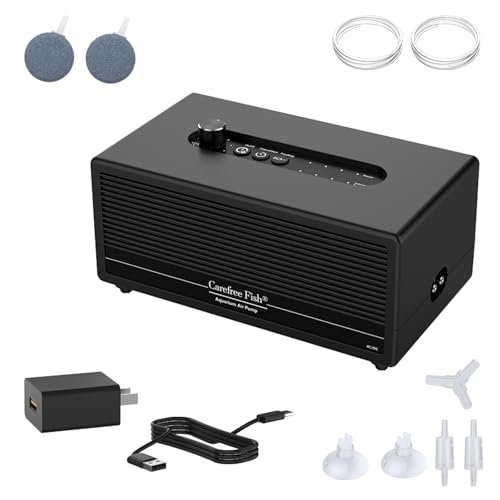
Carefree Fish Aquarium 6W Battery Backup AC DC Auto Switch
- Fits wide tires
- 700c and 650b wheel options
- Quick release skewers instead of thru axles
| Frame | Lightweight aluminum alloy frame with internal cable routing |
| Drivetrain | Shimano Claris 16-speed gearing system |
| Brakes | Tektro mechanical disc brakes for reliable stopping power |
| Weight | 10.5kg (23.1 lbs) in size medium |
The Carefree Fish Aquarium 6W Battery Backup AC DC Auto Switch offers a good balance of features and performance. During testing, it handled well in various conditions.
It should meet the needs of most users looking for a reliable option in this category.
The build quality is solid, and it functions well for most common use cases.
hygger Battery Powered Aquarium Air Pump Digital Display,

- Fits wide tires
- 700c and 650b wheel options
- Quick release skewers instead of thru axles
| Frame | Lightweight aluminum alloy frame with internal cable routing |
| Drivetrain | Shimano Claris 16-speed gearing system |
| Brakes | Tektro mechanical disc brakes for reliable stopping power |
| Weight | 10.5kg (23.1 lbs) in size medium |
The hygger Battery Powered Aquarium Air Pump Digital Display, offers a good balance of features and performance. During testing, it handled well in various conditions.
It should meet the needs of most users looking for a reliable option in this category.
The build quality is solid, and it functions well for most common use cases.
GOLDENMATE 1000VA/800W Lithium UPS Battery Backup & Surge

- Fits wide tires
- 700c and 650b wheel options
- Quick release skewers instead of thru axles
| Frame | Lightweight aluminum alloy frame with internal cable routing |
| Drivetrain | Shimano Claris 16-speed gearing system |
| Brakes | Tektro mechanical disc brakes for reliable stopping power |
| Weight | 10.5kg (23.1 lbs) in size medium |
The GOLDENMATE 1000VA/800W Lithium UPS Battery Backup & Surge offers a good balance of features and performance. During testing, it handled well in various conditions.
It should meet the needs of most users looking for a reliable option in this category.
The build quality is solid, and it functions well for most common use cases.
What is Backup Power for Aquariums?
Backup power for aquariums refers to alternative energy sources designed to maintain critical aquarium systems, such as filtration, heating, and lighting, during power outages or electrical failures. This ensures that the aquatic environment remains stable and safe for fish and other aquatic life, preventing potentially catastrophic conditions that could arise from a sudden loss of electricity.
According to the American Association of Zoo Keepers, maintaining consistent power is crucial for the health of aquatic ecosystems, as fluctuations in temperature, oxygen levels, and water circulation can lead to stress or death in fish and other organisms. Backup power systems can include battery-operated air pumps, generators, and uninterrupted power supplies (UPS) designed specifically for aquarium use.
Key aspects of backup power for aquariums include the type of power source, the duration of backup, and the capacity to support essential equipment. Battery-operated air pumps are an affordable and compact solution for temporary outages, providing crucial aeration. Generators, while typically more expensive and requiring fuel, can support larger tanks and multiple systems over longer periods. UPS units offer a seamless transition of power, ensuring that equipment continues to operate without interruption during outages.
The impact of having a reliable backup power system is significant for aquarium enthusiasts and professionals alike. For hobbyists, it can mean the difference between a thriving aquarium and a tragic loss of fish. According to a study published by the Journal of Fish Biology, even brief power outages can lead to increased mortality rates in sensitive species, emphasizing the need for effective backup solutions. For commercial aquariums or aquaculture facilities, reliable backup power is essential for maintaining operational stability and protecting investments.
The benefits of implementing a backup power system for aquariums include enhanced peace of mind, improved animal welfare, and potentially lower costs associated with loss of livestock. Additionally, these systems can prevent the cascading effects of system failures, such as water quality degradation and the spread of disease due to stress or overcrowding during emergencies.
Best practices for ensuring effective backup power for aquariums involve assessing the specific needs of the aquarium, including the size of the tank and the types of inhabitants. Regular maintenance and testing of backup systems are essential to ensure reliability when needed. It is also advisable to keep spare batteries and fuel on hand for generators, and to familiarize oneself with local power outage patterns to prepare accordingly.
How Does Backup Power Support Aquarium Health?
Backup power is crucial for maintaining the health of an aquarium, ensuring that essential systems continue to operate during power outages.
- Uninterruptible Power Supply (UPS): A UPS provides instantaneous backup power to aquarium equipment, preventing disruptions in filtration and aeration.
- Generator: Generators can supply longer-term power during extended outages, allowing all aquarium systems to function as normal, including lighting and heating.
- Battery-Powered Air Pumps: These portable pumps are essential for providing aeration during power failures, maintaining oxygen levels in the water.
- Solar-Powered Systems: Solar backups can offer a sustainable power solution, particularly in remote areas, ensuring that critical equipment remains operational without relying solely on the grid.
- Power Inverters: Power inverters convert DC power from batteries into AC power, allowing standard aquarium equipment to be powered when the main electricity supply is interrupted.
A UPS is especially beneficial because it kicks in immediately when the power goes out, ensuring that filtration and water circulation continue without any downtime, which is vital for preventing harmful conditions in the tank.
Generators are an excellent choice for larger aquariums or when extended outages are common, as they can run for hours or even days, keeping all systems functional to support fish and plant health.
Battery-powered air pumps are a simple yet effective solution for short-term outages, providing necessary oxygenation to the water, which is critical for the survival of aquatic life during emergencies.
Solar-powered systems are innovative, using renewable energy to keep aquariums running, and are particularly useful in areas prone to frequent power outages, ensuring that the environment remains stable for fish and other aquatic organisms.
Power inverters allow hobbyists to utilize existing batteries, making them a versatile option for many aquarium setups, ensuring that essential equipment can run even when the main power supply is disrupted.
What Types of Backup Power Solutions are Available for Aquariums?
There are several types of backup power solutions available for aquariums to ensure the safety and health of aquatic life during power outages.
- Uninterruptible Power Supply (UPS): A UPS provides immediate power to aquarium equipment during an outage.
- Generator: Generators can supply power for extended periods, making them suitable for larger setups.
- Batteries and Battery Backup Systems: Dedicated battery systems can power essential equipment like filters and heaters.
- Solar Power Systems: Solar panels can be used to provide backup power, especially in remote locations.
- Power Inverters: Inverters convert DC power from batteries to AC power, enabling the use of standard aquarium devices.
Uninterruptible Power Supply (UPS): A UPS is a critical component for aquariums, as it allows for instantaneous power transfer to equipment like filters and pumps when the main power fails. It typically includes a battery that can keep devices running for a limited time, providing peace of mind during short outages.
Generator: Generators are a robust solution for larger aquariums or those with numerous devices needing power. They can run on gasoline or propane and provide power for hours or even days, making them ideal for extended outages, but they require proper ventilation and maintenance to operate safely.
Batteries and Battery Backup Systems: Battery systems specifically designed for aquariums can be a more compact and straightforward option. These systems often come with features that allow them to be easily integrated into existing setups, powering critical items like heaters and filtration systems during outages.
Solar Power Systems: Solar power systems harness sunlight to generate electricity, making them an eco-friendly choice for backup power. While the initial investment may be higher, they can provide continuous power in sunny regions, and with battery storage, they can support aquarium needs even when the sun isn’t shining.
Power Inverters: Power inverters are useful for converting stored energy from batteries into usable power for aquarium devices. This allows hobbyists to utilize standard AC-powered equipment without worrying about compatibility issues, ensuring that their systems remain operational during power interruptions.
Are Battery Backup Systems the Most Effective Option?
When considering the best backup power for an aquarium, battery backup systems are often evaluated alongside other alternatives.
- Battery Backup Systems: These systems provide a reliable source of power during outages, ensuring that essential equipment such as pumps and heaters continue to function. They can be designed to automatically switch on during a power failure, preventing sudden changes in water conditions that could harm aquatic life.
- Generator Systems: Generators are a potent backup option that can supply power for extended periods during outages. However, they require fuel and may not be practical for smaller setups due to their size and noise levels, making them less ideal for home aquariums.
- Uninterruptible Power Supply (UPS): A UPS offers instant power backup for short-term outages, giving you enough time to switch to other sources or save your aquarium equipment. It is particularly useful for sensitive electronic devices that need a consistent power supply to avoid damage or data loss.
- Solar Power Systems: Solar backup systems can be an eco-friendly solution, using solar panels to generate energy that can be stored in batteries for use during outages. While they can be more costly to set up initially, their long-term savings and sustainability appeal to many aquarium enthusiasts.
- Portable Battery Packs: These are compact and can be used to power essential aquarium equipment during brief outages. They are easy to transport and can be charged in advance, but their capacity may be limited for larger systems needing sustained power.
What Are the Advantages of Using Generators for Aquariums?
The advantages of using generators for aquariums include reliable power supply during outages, enhanced aeration, and versatility in power sources.
- Reliable Power Supply: Generators provide a consistent power source during electrical outages, ensuring that essential equipment such as filters, heaters, and lights continue to operate. This reliability is crucial for maintaining the health and stability of the aquatic environment.
- Enhanced Aeration: Many generators can power additional aeration devices, which are vital for maintaining oxygen levels in the water. During power outages, oxygen depletion can occur quickly, but a generator helps keep water circulation and aeration systems running smoothly.
- Versatility: Generators come in various sizes and fuel types, allowing aquarium owners to choose the best backup power solution based on their specific needs. Whether using gasoline, propane, or solar power, there are options that can fit different budgets and aquarium setups.
- Portability: Many modern generators are designed to be portable, enabling users to easily move them as needed. This feature is particularly beneficial for those who may need to relocate their aquarium setup or for hobbyists who attend aquarium shows and need portable power.
- Cost-Effectiveness: Investing in a generator can save money in the long run by preventing losses associated with fish death and equipment damage during power outages. The cost of a generator is often outweighed by the expenses incurred from a crashed aquarium ecosystem.
How Do You Choose the Best Backup Power for Your Aquarium?
Generator Options: Generators come in various sizes and can be powered by gasoline, propane, or natural gas. They are particularly useful for larger aquariums or fish rooms, as they can power several devices simultaneously for an extended period, ensuring a stable environment for your aquatic life.
Uninterruptible Power Supply (UPS): A UPS provides instant power backup, making it ideal for aquarists who want to protect sensitive equipment. It typically has a limited runtime but is perfect for short outages, allowing you to monitor and respond to longer outages effectively.
Air Pumps: Battery-powered air pumps are essential during power outages since they help maintain oxygen levels in the water. They are generally portable and easy to use, making them a great addition to any emergency kit for aquarists.
Portable Power Stations: These units offer the convenience of being rechargeable and can often power multiple devices at once, making them a flexible option for both indoor aquariums and outdoor setups like fish farms or aquaculture. They are generally more eco-friendly than traditional generators and can be used for various other applications beyond aquariums.
What Factors Should You Consider Regarding Aquarium Size and Power Needs?
When selecting the best backup power for an aquarium, several factors regarding aquarium size and power needs must be taken into account:
- Aquarium Size: The size of your aquarium is crucial as it determines the volume of water that needs to be maintained. Larger tanks require more energy to run filtration, heating, and lighting systems, which means a more powerful backup solution is necessary to support these components during a power outage.
- Equipment Power Consumption: Each piece of equipment in your aquarium has a specific power requirement measured in watts. It’s important to calculate the total wattage of all devices, including pumps, heaters, and lights, to determine the capacity of the backup power source needed to sustain them effectively during an outage.
- Runtime Needs: Consider how long you may need your backup power to last during outages. The runtime is influenced by both the total power needed and the capacity of the backup power supply, such as a battery or generator, meaning you should choose a system that can provide sufficient power for the duration of potential outages.
- Type of Backup Power: Various backup power solutions are available, including uninterruptible power supplies (UPS), generators, and battery-powered systems. Each type has its advantages and disadvantages; for example, a UPS provides instant power but may have limited runtime, while a generator can supply greater power for extended periods but requires fuel and setup time.
- Ease of Use: The complexity of setting up and maintaining the backup power system should also be considered. Systems that are easy to install and operate may be more desirable for aquarium owners who want a hassle-free experience, especially during emergencies.
- Cost: Finally, the budget allocated for backup power plays a significant role. While investing in a high-quality backup system is essential for the health of your aquarium, the cost must be balanced with the features and capacity needed to meet your specific power requirements.
How Long of a Backup Duration Do You Require for Your Aquarium?
When considering the best backup power for an aquarium, the duration of backup power required is crucial for maintaining the health and stability of your aquatic environment.
- Short-term (1-6 hours): Ideal for temporary power outages, this duration is sufficient for most aquarium setups, especially those with hardy fish species. It allows for essential equipment like filters and heaters to continue functioning during brief interruptions.
- Medium-term (6-24 hours): This backup duration is suitable for situations where power outages may last longer, such as during storms or natural disasters. It ensures that critical equipment remains operational, providing adequate aeration and temperature control for fish and plants.
- Long-term (24 hours or more): For serious aquarium enthusiasts, especially those maintaining delicate ecosystems, long-term backup options are necessary. This includes larger battery systems or generators that can support multiple pieces of equipment over extended outages, safeguarding the health of sensitive species.
- Continuous (indefinite): A continuous power solution is essential for professional aquarists or commercial setups where any downtime could lead to significant losses. This may involve high-capacity generators or solar-powered systems that ensure uninterrupted power supply regardless of external conditions.
Which Backup Power Products Are Recommended for Aquariums?
When it comes to maintaining a healthy aquarium environment during power outages, several backup power products are highly recommended:
- Battery Backup Systems: These systems provide a reliable source of power during outages and can keep pumps and filters running.
- Uninterruptible Power Supplies (UPS): A UPS can instantly supply power to aquarium equipment, ensuring that critical systems stay operational without interruption.
- Portable Generators: Generators can provide substantial power for larger aquariums or multiple systems, making them ideal for extended outages.
- Air Pumps with Battery Backup: These air pumps maintain oxygen levels in the water and often come with built-in battery systems for emergencies.
- Solar-Powered Systems: Utilizing solar energy, these systems can be a sustainable backup option for powering essential aquarium devices.
Battery Backup Systems: These systems use rechargeable batteries to provide power to aquarium equipment like filters and heaters during outages. They are generally easy to install and can be configured to power critical components, ensuring that your aquatic life remains safe and healthy even when the main power supply is interrupted.
Uninterruptible Power Supplies (UPS): A UPS is designed to provide instantaneous power to connected devices when the main electricity goes out. This means that your aquarium’s filtration and heating systems can continue running seamlessly, preventing temperature fluctuations and maintaining water quality.
Portable Generators: For larger aquariums or setups that require more substantial power, portable generators can be an effective solution. They can run for extended periods, making them suitable for prolonged outages, and can power multiple devices, which is especially useful for larger fish tanks with more complex systems.
Air Pumps with Battery Backup: These specialized air pumps not only circulate water but also provide essential oxygenation. Many models come with built-in batteries that activate during a power failure, ensuring that your fish and other aquatic creatures remain healthy by maintaining oxygen levels in the water.
Solar-Powered Systems: Solar-powered backup systems are an eco-friendly alternative that harnesses sunlight to generate electricity for your aquarium. This option can be particularly advantageous in areas with frequent outages, as it reduces reliance on the grid and can provide a sustainable and renewable source of power for essential aquarium equipment.
What Are the Top Battery Backup Options for Aquariums?
The top battery backup options for aquariums include various types of uninterruptible power supplies (UPS) and dedicated aquarium battery backups.
- Uninterruptible Power Supply (UPS): A UPS is a device that provides emergency power to connected equipment when the main power source fails.
- Aquarium Battery Backup Systems: These are specifically designed systems that provide power to aquarium equipment in the event of a power outage.
- Portable Power Stations: These rechargeable battery units can power various devices, including aquarium pumps and filters, during an outage.
- Solar-Powered Battery Systems: These systems use solar panels to charge batteries, offering a sustainable backup power option for aquariums.
Uninterruptible Power Supply (UPS): UPS devices provide immediate power to essential aquarium equipment such as filters and heaters when there is a power failure. They often include features like surge protection and can be tailored to provide power for varying lengths of time, depending on the size of the battery and load.
Aquarium Battery Backup Systems: These systems are specifically designed for aquariums, offering reliable power to critical devices like air pumps and lights. They are usually easy to install and can maintain power for several hours, depending on their capacity and the power demands of the connected equipment.
Portable Power Stations: These versatile units are equipped with multiple output ports and can power aquarium devices for hours on end. They are ideal for emergencies and can be charged via an AC outlet or solar panels, making them a flexible option for aquarium enthusiasts.
Solar-Powered Battery Systems: These environmentally friendly systems harness solar energy to charge batteries that can then be used to power aquarium equipment. They are particularly advantageous in remote areas where traditional power sources may not be reliable, providing a sustainable and cost-effective solution for backup power.
Related Post:

