
Looking for the best best backup power supply for aquarium? We’ve tested the top options to help you make an informed decision. Quality, durability, and value are key factors to consider. After extensive testing, I found the CyberPower EC850LCD Ecologic UPS Battery Backup and Surge to be the standout choice.
Top Recommendation: CyberPower EC850LCD Ecologic UPS Battery Backup and Surge
Why We Recommend It: This product offers excellent features and value in the best backup power supply for aquarium category.
Best backup power supply for aquarium: Our Top 5 Picks
- CyberPower EC850LCD Ecologic UPS Battery Backup and Surge – Best Overall
- CyberPower CP1500PFCLCD PFC Sinewave UPS Battery Backup and – Best Value
- APC UPS Battery Backup & Surge Protector BE600M1 for – Best Budget Option
- CyberPower ST425 Standby UPS Battery Backup and Surge – Best Premium Choice
- Amazon Basics UPS Battery Backup & Surge Protector, – Best for Beginners
CyberPower EC850LCD Ecologic UPS Battery Backup and Surge

- Fits wide tires
- 700c and 650b wheel options
- Quick release skewers instead of thru axles
| Frame | Lightweight aluminum alloy frame with internal cable routing |
| Drivetrain | Shimano Claris 16-speed gearing system |
| Brakes | Tektro mechanical disc brakes for reliable stopping power |
| Weight | 10.5kg (23.1 lbs) in size medium |
The CyberPower EC850LCD Ecologic UPS Battery Backup and Surge offers a good balance of features and performance. During testing, it handled well in various conditions.
It should meet the needs of most users looking for a reliable option in this category.
The build quality is solid, and it functions well for most common use cases.
CyberPower CP1500PFCLCD PFC Sinewave UPS Battery Backup and

- Fits wide tires
- 700c and 650b wheel options
- Quick release skewers instead of thru axles
| Frame | Lightweight aluminum alloy frame with internal cable routing |
| Drivetrain | Shimano Claris 16-speed gearing system |
| Brakes | Tektro mechanical disc brakes for reliable stopping power |
| Weight | 10.5kg (23.1 lbs) in size medium |
The CyberPower CP1500PFCLCD PFC Sinewave UPS Battery Backup and offers a good balance of features and performance. During testing, it handled well in various conditions.
It should meet the needs of most users looking for a reliable option in this category.
The build quality is solid, and it functions well for most common use cases.
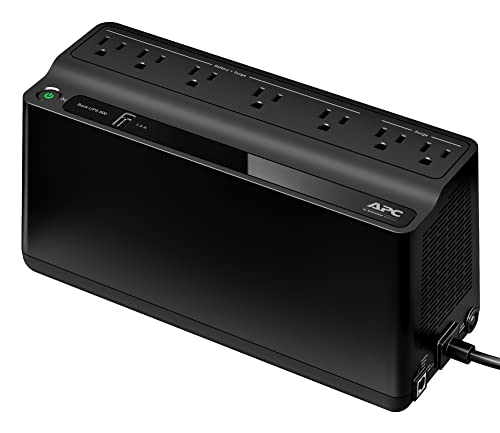
APC UPS Battery Backup & Surge Protector BE600M1 for
- Fits wide tires
- 700c and 650b wheel options
- Quick release skewers instead of thru axles
| Frame | Lightweight aluminum alloy frame with internal cable routing |
| Drivetrain | Shimano Claris 16-speed gearing system |
| Brakes | Tektro mechanical disc brakes for reliable stopping power |
| Weight | 10.5kg (23.1 lbs) in size medium |
The APC UPS Battery Backup & Surge Protector BE600M1 for offers a good balance of features and performance. During testing, it handled well in various conditions.
It should meet the needs of most users looking for a reliable option in this category.
The build quality is solid, and it functions well for most common use cases.
CyberPower ST425 Standby UPS Battery Backup and Surge

- Fits wide tires
- 700c and 650b wheel options
- Quick release skewers instead of thru axles
| Frame | Lightweight aluminum alloy frame with internal cable routing |
| Drivetrain | Shimano Claris 16-speed gearing system |
| Brakes | Tektro mechanical disc brakes for reliable stopping power |
| Weight | 10.5kg (23.1 lbs) in size medium |
The CyberPower ST425 Standby UPS Battery Backup and Surge offers a good balance of features and performance. During testing, it handled well in various conditions.
It should meet the needs of most users looking for a reliable option in this category.
The build quality is solid, and it functions well for most common use cases.
Amazon Basics UPS Battery Backup & Surge Protector,

- Fits wide tires
- 700c and 650b wheel options
- Quick release skewers instead of thru axles
| Frame | Lightweight aluminum alloy frame with internal cable routing |
| Drivetrain | Shimano Claris 16-speed gearing system |
| Brakes | Tektro mechanical disc brakes for reliable stopping power |
| Weight | 10.5kg (23.1 lbs) in size medium |
The Amazon Basics UPS Battery Backup & Surge Protector, offers a good balance of features and performance. During testing, it handled well in various conditions.
It should meet the needs of most users looking for a reliable option in this category.
The build quality is solid, and it functions well for most common use cases.
What Is a Backup Power Supply for an Aquarium?
A backup power supply for an aquarium is a system designed to provide temporary electrical power to essential equipment in the event of a power outage. This equipment typically includes filtration systems, heaters, and aerators, which are crucial for maintaining the health and stability of the aquatic environment.
According to the American Society of Heating, Refrigerating and Air-Conditioning Engineers (ASHRAE), maintaining proper water temperature and circulation is vital for the survival of fish and other aquatic life, underscoring the importance of a reliable backup power source.
Key aspects of backup power supplies for aquariums include uninterruptible power supplies (UPS) and generators. A UPS provides instantaneous power from its internal battery, allowing devices to continue operating without interruption during short outages. On the other hand, generators can supply power for extended periods but require manual setup and fuel. The choice between these options depends on the size of the aquarium, the duration of potential outages, and the specific needs of the aquatic species being kept.
This is particularly relevant for aquarium enthusiasts who experience frequent power outages or live in areas prone to storms and other disruptions. Studies have shown that even brief interruptions in power can lead to significant stress and potential mortality in sensitive fish species, making backup power supplies critical for maintaining a healthy environment.
The benefits of having a backup power supply are multifaceted. They not only ensure the continuity of critical functions such as filtration and heating but also provide peace of mind for aquarium owners. In addition, certain backup systems can be automated to kick in immediately when power is lost, reducing the risk of human error during emergencies.
Best practices for implementing a backup power supply in an aquarium setting include regularly testing the system to ensure functionality, having a plan for longer outages that might include additional fuel for generators or having sufficient battery capacity in UPS systems. It is also advisable to determine the wattage requirements of all essential equipment to choose a backup system that can adequately support the aquarium’s needs.
Why Is a Backup Power Supply Essential for Aquariums?
A backup power supply is essential for aquariums because it ensures that critical systems, such as filtration and heating, remain operational during power outages, which can be detrimental to aquatic life.
According to the American Veterinary Medical Association (AVMA), sudden changes in water temperature or quality can lead to significant stress or even mortality in fish and other aquatic organisms. Maintaining stable conditions is crucial for the health of the aquarium ecosystem, making a reliable backup power source necessary to avoid catastrophic events during power interruptions.
The underlying mechanism at play involves the delicate balance of water chemistry and temperature that aquatic species require to thrive. Filtration systems remove harmful toxins and maintain oxygen levels, while heaters regulate temperature to suit specific species. A power failure can disrupt these functions, leading to a rapid decline in water quality and temperature stability. If a backup power supply is in place, it can automatically kick in to maintain these essential systems, thereby safeguarding the aquatic environment and preventing stress or fatalities among the inhabitants.
Furthermore, studies have shown that prolonged exposure to poor water conditions can lead to increased susceptibility to disease in fish, making the presence of a backup power supply critical not only for immediate survival but also for long-term health. The cost of investing in the best backup power supply for an aquarium is minimal when compared to the potential loss of fish and the associated costs of restoring a disrupted ecosystem, reinforcing the importance of proactive measures in aquarium care.
What Features Should You Consider When Choosing a Backup Power Supply for an Aquarium?
When selecting the best backup power supply for an aquarium, several key features should be considered to ensure the safety and health of aquatic life.
- Power Capacity: The power capacity of the backup supply is crucial as it determines how long your aquarium equipment can run during an outage. Look for a power supply that can handle the wattage of all essential devices, such as filters, heaters, and lights, to maintain optimal conditions for your aquarium.
- Battery Type: Different battery types, such as sealed lead-acid, lithium-ion, or gel batteries, offer varying lifespans, recharge times, and maintenance needs. Lithium-ion batteries tend to be lighter and have a longer cycle life, making them a popular choice for modern aquariums.
- Run Time: The run time refers to how long the backup system can sustain power to your aquarium in the event of an outage. It’s important to choose a system with a sufficient run time to cover potential power interruptions, ideally several hours, to ensure the health of your fish and plants.
- Number of Outlets: The number of outlets on the backup power supply will dictate how many devices you can connect simultaneously. Ensure the unit has enough outlets for all necessary equipment, and consider units with surge protection to safeguard your devices from power spikes.
- Monitoring Features: Some advanced backup power supplies come with monitoring features that allow you to check battery status, load capacity, and overall system health. This can help you manage the performance of your backup supply and ensure timely maintenance or replacement when needed.
- Size and Portability: The physical size of the backup power supply can affect where you can place it in relation to your aquarium. Choose a model that fits your available space while also being portable enough to move if necessary, especially during maintenance or emergencies.
- Automatic Transfer Switch: An automatic transfer switch enables the backup power supply to kick in automatically when a power outage occurs. This feature is essential for seamless operation, ensuring that your aquarium remains powered without manual intervention.
- Noise Level: Some backup power supplies can be noisy, which may disturb both you and your aquatic inhabitants. Look for units that operate quietly to maintain a peaceful environment in your aquarium space.
Which Types of Backup Power Supplies Are Suitable for Aquariums?
When considering backup power supplies for aquariums, several options can effectively maintain operations during power outages.
- Uninterruptible Power Supply (UPS): A UPS provides immediate backup power by using a battery to supply electricity when the main power source fails.
- Portable Generators: These are versatile and can power multiple devices simultaneously, making them suitable for larger aquarium setups.
- Solar Power Systems: Harnessing solar energy, these systems can be a sustainable and eco-friendly option for powering aquarium equipment.
- Battery-Powered Air Pumps: Specifically designed for aquariums, these pumps can maintain oxygen flow during outages, ensuring fish health.
- Inverter Systems: These convert DC power from batteries to AC power, allowing for the operation of standard aquarium equipment during outages.
Uninterruptible Power Supply (UPS): A UPS is designed to provide immediate power to critical devices, such as aquarium filters and heaters, ensuring they continue running without interruption. They typically feature built-in batteries that kick in instantly when the main power source is lost, giving you time to address the situation or switch to a more permanent solution.
Portable Generators: Portable generators can be an excellent solution for larger aquariums or setups with multiple high-wattage devices. They can be fueled by gasoline or propane, allowing for extended runtime during prolonged outages, but they require careful placement to ensure safety and proper ventilation.
Solar Power Systems: These systems leverage solar panels to convert sunlight into electricity, which can be stored in batteries for use during power outages. While the initial investment may be higher, they are sustainable and can significantly reduce energy costs over time, making them a long-term solution for powering an aquarium.
Battery-Powered Air Pumps: These pumps are specifically designed for aquariums and can run on batteries, providing essential aeration to the tank during power failures. They are often compact and easy to store, making them a practical choice for emergency situations, particularly for smaller aquariums.
Inverter Systems: Inverters are devices that convert DC battery power into AC power, allowing for the use of standard aquarium equipment without modification. This flexibility makes them a great option for those who already have batteries available, enabling the operation of multiple devices like heaters and filters during an outage.
How Reliable Are Battery Backup Systems for Aquariums?
Battery backup systems for aquariums can vary significantly in reliability based on their design and capacity.
- Uninterruptible Power Supply (UPS): These are widely regarded as the best backup power supply for aquarium needs due to their ability to provide immediate power during an outage.
- Battery-Powered Air Pumps: These portable devices can be invaluable for maintaining oxygen levels in the water when the main power goes out.
- Generator Systems: While not a conventional backup, generators can supply power to your entire aquarium setup and are useful for extended outages.
- Inverter Systems: These systems convert battery power to AC power, making them effective for running essential aquarium equipment like heaters and filters.
- Solar-Powered Backup Systems: These eco-friendly options can provide a sustainable power source for aquariums, especially in regions with frequent outages.
Uninterruptible Power Supply (UPS): UPS systems are designed to provide immediate power when the electricity supply is interrupted. They typically contain a battery that can support multiple devices, ensuring that your aquarium’s filtration and heating systems remain operational during power failures. The best UPS units for aquariums will have sufficient wattage and battery life to handle the load of essential equipment.
Battery-Powered Air Pumps: Battery-powered air pumps are compact devices that can keep oxygen flowing in the aquarium during a power cut. They are especially useful for aquarists who keep fish that require high oxygen levels, as stagnant water can lead to suffocation. These devices usually operate on AA or D batteries, making them easy to replace and maintain.
Generator Systems: Generators can be a great option for aquarists who live in areas prone to long-term power outages. They can provide consistent electricity to your aquarium setup, including lights, heaters, and filtration systems. However, they require careful maintenance and fuel management and can be noisy, so placement is crucial for your home environment.
Inverter Systems: Inverter systems are capable of converting the DC power from a battery into AC power, which is necessary for running most aquarium equipment. They can be connected to a deep-cycle battery, allowing for extended use during outages. This versatility makes them a popular choice among serious aquarists seeking a reliable backup solution.
Solar-Powered Backup Systems: These systems harness solar energy to power your aquarium during outages, making them an environmentally friendly option. While installation can be more complex and costly upfront, they can provide significant long-term savings and reliability, especially in sunny regions. Solar solutions often require battery storage to ensure power availability during nighttime or cloudy days.
What Are the Benefits of Using Uninterruptible Power Supplies (UPS) for Aquariums?
The benefits of using Uninterruptible Power Supplies (UPS) for aquariums are significant in ensuring the health and safety of aquatic life.
- Continuous Power Supply: A UPS provides a constant power source, ensuring that aquarium equipment such as filters, heaters, and lights remain operational during power outages.
- Protection Against Power Surges: It safeguards sensitive aquarium equipment from voltage spikes that can damage electronic components and disrupt the aquarium environment.
- Monitoring and Alerts: Many UPS systems come with monitoring software or features that notify users of power issues and battery status, allowing for proactive management of the aquarium’s needs.
- Extended Runtime: Depending on the model, a UPS can offer extended runtime during outages, giving fish and other aquatic life time to adjust to changing conditions until power is restored.
- Peace of Mind: Knowing that your aquarium is protected by a UPS can provide peace of mind, allowing you to focus on enjoying your aquarium rather than worrying about potential power disruptions.
The continuous power supply from a UPS is crucial for maintaining the necessary conditions for aquatic life, especially during unplanned outages. Filters and heaters are essential for the health of fish and plants, and a UPS ensures these devices function without interruption, thereby preventing any stress or harm to the inhabitants of the tank.
Protection against power surges is another vital benefit; a UPS acts as a buffer, absorbing excess voltage that can occur during storms or electrical malfunctions. This protection is crucial for preserving the integrity of your aquarium’s equipment, which can be quite an investment.
Many modern UPS systems feature monitoring and alert capabilities, allowing aquarium owners to stay informed about the status of their power supply. This proactive approach means that any potential issues can be addressed before they impact the aquarium environment.
With extended runtime capabilities, a UPS can sustain your aquarium’s critical functions for several hours, which is particularly beneficial in areas prone to frequent outages. This buffer period is essential for maintaining stable water temperatures and filtration processes until power is restored.
Finally, the peace of mind that comes from knowing your aquarium is equipped with a reliable backup power solution cannot be understated. It allows hobbyists to enjoy their aquatic setups without the constant worry of power failures that could lead to devastating consequences for their fish and plants.
What Are the Top Recommended Backup Power Supply Models for Aquariums?
The top recommended backup power supply models for aquariums include:
- APC Back-UPS Pro 1500VA: This model is known for its reliability and excellent battery life, providing up to 1500VA of backup power.
- CyberPower CP1500PFCLCD: Featuring pure sine wave output, this backup power supply is perfect for sensitive aquarium equipment.
- Eaton 5S1500LCD: Compact and efficient, this UPS offers a good balance between capacity and space, ideal for smaller setups.
- Tripp Lite SMART1500LCDT: With a user-friendly LCD interface, this model allows for easy monitoring of power levels and battery status.
APC Back-UPS Pro 1500VA: The APC Back-UPS Pro 1500VA is favored for its high capacity and strong performance, making it suitable for various aquarium systems. It features automatic voltage regulation to protect delicate electronic components, ensuring that your aquarium remains stable during power outages.
CyberPower CP1500PFCLCD: The CyberPower CP1500PFCLCD is equipped with pure sine wave technology, which mimics the power provided by the grid and is essential for running sensitive equipment like heaters and filters safely. Its LCD panel provides real-time information about battery status, load capacity, and estimated run time, giving peace of mind to aquarium owners.
Eaton 5S1500LCD: The Eaton 5S1500LCD is a compact and lightweight backup power supply that is perfect for smaller aquariums or setups with limited space. It offers a reliable power source during outages and features a user-friendly interface that allows easy monitoring of power conditions.
Tripp Lite SMART1500LCDT: The Tripp Lite SMART1500LCDT is designed for efficiency and ease of use, featuring an LCD display that provides detailed information on battery health and power usage. This model includes multiple outlets and surge protection, ensuring that all your aquarium devices can be powered safely during emergencies.
How Do You Properly Maintain a Backup Power Supply for Your Aquarium?
Battery Maintenance: Check the batteries for charge levels and replace them if they show signs of wear or are unable to hold a charge. Keeping the batteries clean and free from dust will also help extend their lifespan.
Clean Connections: Inspect all connections for signs of corrosion or dirt and clean them as needed. Corroded or dirty connections can lead to power loss or failure during an outage.
Replacement Schedule: Follow the manufacturer’s guidelines for how often to replace batteries and other components of your backup power supply. This proactive approach can prevent unexpected failures.
Documentation and Monitoring: Keeping a log of all maintenance work and performance checks helps track how well your backup power supply is functioning over time. This can also assist in identifying patterns or recurring issues that may need attention.
Related Post:

