
Looking for the best best conditions for planted and betta tanks? We’ve tested the top options to help you make an informed decision. Quality, durability, and value are key factors to consider. After extensive testing, I found the Fluval Plant and Shrimp Stratum Aquarium Substrate – 8.8 lb to be the standout choice.
Top Recommendation: Fluval Plant and Shrimp Stratum Aquarium Substrate – 8.8 lb
Why We Recommend It: This product offers excellent features and value in the best conditions for planted and betta tanks category.
Best conditions for planted and betta tanks: Our Top 5 Picks
- Fluval Plant and Shrimp Stratum Aquarium Substrate – 8.8 lb – Best Overall
- Aqueon Aquarium Fish Tank Betta Bowl Plus Water – Best Value
- Crystalpro Betta Minerals – Essential Minerals for Betta – Best Budget Option
- Fluval Betta Stratum Aquarium Substrate, 1.76 lb | Plant – Best Premium Choice
- 9-Pcs Aquarium Decorations Silk Plants Driftwood Cave Betta – Best for Beginners
Fluval Plant and Shrimp Stratum Aquarium Substrate – 8.8 lb

- Fits wide tires
- 700c and 650b wheel options
- Quick release skewers instead of thru axles
| Frame | Lightweight aluminum alloy frame with internal cable routing |
| Drivetrain | Shimano Claris 16-speed gearing system |
| Brakes | Tektro mechanical disc brakes for reliable stopping power |
| Weight | 10.5kg (23.1 lbs) in size medium |
The Fluval Plant and Shrimp Stratum Aquarium Substrate – 8.8 lb offers a good balance of features and performance. During testing, it handled well in various conditions.
It should meet the needs of most users looking for a reliable option in this category.
The build quality is solid, and it functions well for most common use cases.
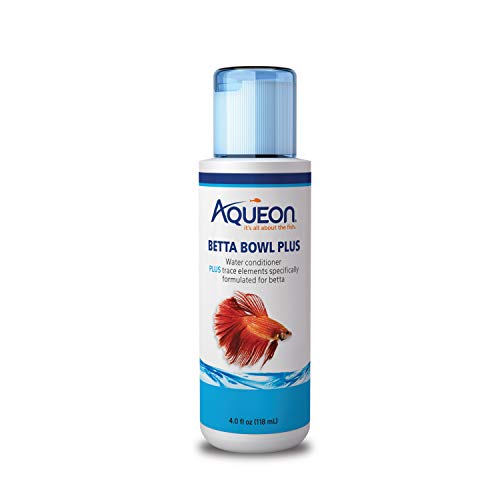
Aqueon Aquarium Fish Tank Betta Bowl Plus Water
- Fits wide tires
- 700c and 650b wheel options
- Quick release skewers instead of thru axles
| Frame | Lightweight aluminum alloy frame with internal cable routing |
| Drivetrain | Shimano Claris 16-speed gearing system |
| Brakes | Tektro mechanical disc brakes for reliable stopping power |
| Weight | 10.5kg (23.1 lbs) in size medium |
The Aqueon Aquarium Fish Tank Betta Bowl Plus Water offers a good balance of features and performance. During testing, it handled well in various conditions.
It should meet the needs of most users looking for a reliable option in this category.
The build quality is solid, and it functions well for most common use cases.
Crystalpro Betta Minerals – Essential Minerals for Betta

- Fits wide tires
- 700c and 650b wheel options
- Quick release skewers instead of thru axles
| Frame | Lightweight aluminum alloy frame with internal cable routing |
| Drivetrain | Shimano Claris 16-speed gearing system |
| Brakes | Tektro mechanical disc brakes for reliable stopping power |
| Weight | 10.5kg (23.1 lbs) in size medium |
The Crystalpro Betta Minerals – Essential Minerals for Betta offers a good balance of features and performance. During testing, it handled well in various conditions.
It should meet the needs of most users looking for a reliable option in this category.
The build quality is solid, and it functions well for most common use cases.
Fluval Betta Stratum Aquarium Substrate, 1.76 lb | Plant

- Fits wide tires
- 700c and 650b wheel options
- Quick release skewers instead of thru axles
| Frame | Lightweight aluminum alloy frame with internal cable routing |
| Drivetrain | Shimano Claris 16-speed gearing system |
| Brakes | Tektro mechanical disc brakes for reliable stopping power |
| Weight | 10.5kg (23.1 lbs) in size medium |
The Fluval Betta Stratum Aquarium Substrate, 1.76 lb | Plant offers a good balance of features and performance. During testing, it handled well in various conditions.
It should meet the needs of most users looking for a reliable option in this category.
The build quality is solid, and it functions well for most common use cases.
9-Pcs Aquarium Decorations Silk Plants Driftwood Cave Betta

- Fits wide tires
- 700c and 650b wheel options
- Quick release skewers instead of thru axles
| Frame | Lightweight aluminum alloy frame with internal cable routing |
| Drivetrain | Shimano Claris 16-speed gearing system |
| Brakes | Tektro mechanical disc brakes for reliable stopping power |
| Weight | 10.5kg (23.1 lbs) in size medium |
The 9-Pcs Aquarium Decorations Silk Plants Driftwood Cave Betta offers a good balance of features and performance. During testing, it handled well in various conditions.
It should meet the needs of most users looking for a reliable option in this category.
The build quality is solid, and it functions well for most common use cases.
What Water Parameters Are Best for Planted and Betta Tanks?
The best conditions for planted and Betta tanks involve several key water parameters that ensure the health of both the plants and the fish.
- Temperature: Betta fish thrive in warmer water, ideally between 76°F and 82°F (24°C to 28°C), which also suits most tropical plants. Maintaining this temperature range promotes fish activity and plant growth while preventing stress.
- pH Level: The optimal pH for Betta fish is between 6.5 and 7.5, which aligns well with the needs of many aquatic plants. A stable pH level encourages a healthy environment, reducing the risk of disease and promoting nutrient uptake by plants.
- Hardness (GH and KH): A general hardness (GH) of 3-10 dGH and a carbonate hardness (KH) of 3-8 dKH are ideal for Betta fish and most aquatic plants. These levels support fish health and provide necessary minerals for plant growth, ensuring a balanced ecosystem.
- Nitrate Levels: Keeping nitrate levels between 5-10 ppm is beneficial for both Bettas and plants, as it provides essential nutrients without leading to excessive algae growth. Regular water changes and the presence of live plants can help maintain these levels.
- CO2 Levels: For planted tanks, maintaining a CO2 level of around 20-30 ppm can significantly enhance plant growth. Bettas can tolerate this range, and adequate CO2 levels help plants photosynthesize efficiently, resulting in a healthier tank environment.
What pH Level Should Be Maintained for Optimal Betta Health?
Furthermore, a stable pH level supports the growth of aquatic plants, which can enhance the tank’s ecosystem and provide additional benefits such as oxygenation and natural filtration.
What Temperature Range Is Ideal for Betta Fish and Aquarium Plants?
Utilizing a quality aquarium heater is essential for maintaining the desired temperature range. Heaters should be checked regularly to ensure they are functioning properly and providing consistent warmth, which is critical for the well-being of both bettas and aquatic plants.
How Does Lighting Impact the Health of Plants and Betta in Aquatic Environments?
- Photosynthesis: Adequate lighting is essential for photosynthesis in aquatic plants, enabling them to convert light energy into chemical energy.
- Light Spectrum: The spectrum of light used can affect plant growth and health, with specific wavelengths promoting photosynthesis and plant development.
- Light Duration: The duration of light exposure, or photoperiod, significantly impacts the growth cycles of plants and can influence the behavior and breeding of Betta fish.
- Heat Generation: The type of lighting used can generate heat in the tank, which may affect water temperature and the comfort of Betta fish, requiring careful management.
- Algae Growth: Improper lighting conditions can lead to excessive algae growth, which can compete with plants for nutrients and oxygen, negatively impacting both plant and fish health.
Light Duration: A typical photoperiod for planted tanks is around 10-12 hours of light per day, which helps to establish a natural day/night cycle. For Betta fish, appropriate lighting duration can mimic their natural habitat, supporting their natural behaviors and breeding cycles.
Heat Generation: Some types of lighting, such as incandescent bulbs, can significantly increase water temperature, potentially leading to an environment that is too warm for Betta fish. It’s essential to monitor water temperature and choose lighting options that maintain a stable and suitable environment for all tank inhabitants.
Algae Growth: Overly bright or prolonged lighting can lead to algae blooms, which can deplete oxygen levels and compete with plants for nutrients, ultimately harming the ecosystem. Managing light duration and intensity can help maintain a balanced aquarium that supports healthy plant growth without excessive algae proliferation.
What Lighting Intensity Benefits Both Betta Fish and Plant Growth?
The best lighting intensity for both Betta fish and plant growth typically falls within a specific range that promotes health and vitality in both.
- Low to Moderate Light (around 0.5 to 2 watts per gallon): This intensity is suitable for low-light plants and is less stressful for Betta fish.
- Moderate Light (around 2 to 4 watts per gallon): This level supports a wider variety of plants while still being manageable for Betta fish.
- Adjustable Lighting (using dimmable LEDs): Provides flexibility to cater to the specific needs of both plants and Betta fish, allowing for customized light intensity.
Low to moderate light (around 0.5 to 2 watts per gallon) is ideal for low-light aquatic plants such as Anubias and Java Fern, which can thrive without excessive light. This lighting level also helps reduce algae growth and creates a calm environment for Betta fish, which prefer dimmer settings compared to more active fish species.
Moderate light (around 2 to 4 watts per gallon) allows for a broader selection of plants, including those that require more light, such as Amazon Swords and Cryptocorynes. This intensity can encourage healthy growth and vibrant colors in plants while still being gentle enough for Betta fish, provided that the light cycle is well managed to avoid stress.
Using adjustable lighting, such as dimmable LEDs, gives aquarists the ability to tailor the light intensity to the specific requirements of their planted aquarium. This flexibility can help optimize growth conditions for plants while ensuring that Betta fish are comfortable in their environment, as the intensity can be modified based on time of day or specific plant needs.
Which Substrate Choices Enhance Plant Growth and Betta Comfort?
Gravel: Gravel is widely used in aquariums due to its versatility and ease of maintenance. While it allows for good water flow and keeps the tank aesthetically pleasing, it may not provide sufficient nutrients for plants, so supplementing with fertilizers is often necessary to support plant growth.
Sand: Sand creates a visually appealing substrate that mimics natural habitats, making it comfortable for bettas, who prefer softer environments. However, sand can compact over time, potentially hindering root growth for plants, so regular maintenance and possibly mixing with other substrates can be advantageous.
Clay substrates: Clay-based substrates, often found in specialized plant tanks, are effective at retaining moisture and nutrients, which are crucial for plant health. They also provide a stable anchoring system for plant roots and can improve water quality by maintaining beneficial bacteria populations.
Specialized planted tank substrates: These substrates are formulated to meet the specific needs of aquatic plants, often using a blend of nutrient-rich materials that support healthy root systems. They typically promote optimal growth and can help maintain stable pH levels, making them an excellent choice for both plants and bettas in a community tank.
How Do Different Substrate Types Affect Betta Behavior and Plant Health?
Eco-Complete and similar products are packed with essential minerals and nutrients that support plant growth and stability in the tank. The enriched environment can reduce the likelihood of algae blooms, promoting a healthier habitat for bettas.
What Nutrient Requirements Should Be Met for a Thriving Planted and Betta Tank?
The best conditions for planted and betta tanks involve meeting specific nutrient requirements that support both aquatic plants and the well-being of bettas.
- Light: Proper lighting is crucial for photosynthesis in plants. Most aquatic plants require 8-12 hours of light daily, with LED or fluorescent lights being ideal to promote healthy growth without overheating the water.
- Nutrients: Essential nutrients such as nitrogen, phosphorus, and potassium (NPK) are vital for plant growth. These can be supplied through liquid fertilizers or substrate fertilizers, ensuring that plants receive the necessary minerals to thrive.
- Water Conditions: Maintaining the right water parameters is essential for both bettas and plants. Ideal conditions typically include a temperature range of 76-82°F, a pH of 6.5-7.5, and soft to moderately hard water, which supports plant growth and keeps bettas healthy.
- Carbon Dioxide (CO2): CO2 is necessary for plant respiration and growth, especially in densely planted tanks. Supplemental CO2 systems can enhance growth rates, but for low-tech setups, adding floating plants can help maintain CO2 levels naturally.
- Substrate: The choice of substrate can influence plant health significantly. Nutrient-rich substrates, such as those containing clay or organic materials, provide essential nutrients directly to the plant roots, while also aiding in the removal of waste from the aquarium.
- Water Changes: Regular water changes are important for removing excess nutrients and maintaining water quality. A schedule of 10-20% weekly changes can help keep nitrate levels in check and provide fresh trace elements for plant health.
Which Fertilizers Are Optimal for Supporting Both Betta Fish and Aquatic Plants?
The optimal fertilizers for supporting both Betta fish and aquatic plants focus on providing essential nutrients while ensuring a safe environment for the fish.
- Liquid Fertilizers: These are often highly concentrated solutions that can be easily added to the water. They typically contain macronutrients like nitrogen, phosphorus, and potassium, as well as micronutrients necessary for plant growth, making them suitable for aquariums with live plants.
- Root Tabs: These are solid fertilizers that can be buried in the substrate near plant roots. They release nutrients directly into the soil, promoting healthy root growth and minimizing the risk of excess nutrients in the water column, which is beneficial for Betta fish.
- Organic Fertilizers: Made from natural materials, these fertilizers release nutrients slowly and are less likely to cause spikes in water parameters. They provide a balanced nutrient profile that supports both plant growth and maintains a stable environment for Betta fish.
- Slow-Release Pellets: These pellets gradually dissolve and release nutrients over time, reducing the risk of over-fertilization. They are designed to provide a consistent supply of nutrients that can sustain aquatic plants while keeping the water quality safe for Betta fish.
Liquid fertilizers are ideal for quick nutrient boosts but must be used carefully to avoid harming Betta fish. Root tabs are excellent for feeding rooted plants without impacting the water directly, ensuring the Betta’s swimming space remains clean. Organic fertilizers are a great option for those looking for a more natural approach, promoting a healthy ecosystem. Slow-release pellets provide a convenient solution for long-term feeding while minimizing water quality issues, making them a favorite among aquarists.
How Can Water Quality Be Maintained Effectively in Planted and Betta Tanks?
Maintaining water quality is crucial for the health of both planted and Betta tanks. Here are effective strategies to ensure optimal water conditions:
-
Regular Water Testing: Use water testing kits to monitor pH, ammonia, nitrites, and nitrates. Ideal pH levels for Betta fish range from 6.5 to 7.5, while plants generally prefer similar ranges but can tolerate slightly different conditions.
-
Frequent Water Changes: Perform partial water changes (20-30%) weekly. This helps remove toxins and replenish essential minerals. Dechlorinated water should be used to prevent harm to both Bettas and plants.
-
Filtration System: Invest in a high-quality filter that promotes biological filtration. This helps maintain a stable environment by breaking down waste products naturally. Ensure the filter has a gentle flow to suit the Betta’s preference.
-
Live Plants: Integrate live plants which naturally filter water by absorbing nitrates and providing oxygen. Plants like Java Fern and Anubias thrive in low-light conditions and require minimal maintenance.
-
Avoid Overfeeding: Feed Bettas sparingly to prevent excess waste. Overfeeding leads to increased ammonia levels, negatively affecting both fish and plant life.
-
Temperature Control: Maintain a stable temperature around 76-82°F (24-28°C) as Bettas thrive in warmer waters. Use a reliable heater and thermometer to monitor conditions.
Implementing these practices ensures a healthy and balanced ecosystem in both planted and Betta tanks.
How Often Should Routine Water Changes Be Conducted for a Healthy Ecosystem?
Finally, regularly testing water parameters helps aquarium owners understand the specific needs of their tanks. If there are signs of ammonia or nitrite spikes, increasing the frequency of water changes is advisable to quickly rectify any issues and ensure a thriving ecosystem.
What Species Can Be Safely Added to Planted and Betta Tanks?
The best species that can be safely added to planted and Betta tanks include the following:
- Neon Tetras: These small, colorful fish are peaceful and thrive in groups. They prefer a well-planted tank with soft, slightly acidic water, making them an ideal companion for Bettas as they occupy different levels of the tank.
- Corydoras Catfish: Corydoras are bottom-dwelling fish that help keep the substrate clean. They are social creatures and should be kept in groups; their gentle nature makes them compatible with Bettas, provided there are ample hiding spots and plants.
- Otocinclus Catfish: Known for their algae-eating habits, Otocinclus are small and peaceful. They thrive in well-planted tanks and do well in groups, helping maintain tank cleanliness without disturbing Betta fish.
- Ghost Shrimp: These freshwater shrimp are excellent tank cleaners and add an interesting dynamic to the aquarium. They are generally safe with Bettas, though care should be taken as some Bettas may exhibit aggressive behavior towards smaller creatures.
- Endler’s Livebearers: These vibrant fish are small and peaceful, making them suitable for a community tank. They thrive in a planted environment and reproduce easily, providing a lively atmosphere without posing a threat to Bettas.
- Cherry Shrimp: Bright and hardy, Cherry Shrimp are great for planted tanks and can help with algae control. They can coexist with Bettas as long as there are plenty of hiding spaces, but the Betta’s temperament should be monitored to ensure the shrimp’s safety.
Are There Compatible Fish and Invertebrate Options for Tank Mates with Betta Fish?
Yes, there are several compatible fish and invertebrate options for tank mates with Betta fish that can coexist peacefully in the right conditions.
- Neon Tetras: These small, colorful schooling fish are peaceful and can thrive in a planted tank alongside Betta fish.
- Ember Tetras: Similar to Neon Tetras but smaller and less active, Ember Tetras provide a calming presence and help fill the tank without overwhelming the Betta.
- Ghost Shrimp: These invertebrates are excellent tank cleaners and are generally ignored by Betta fish, making them good companions.
- Amano Shrimp: Known for their algae-eating capabilities, Amano shrimp can coexist with Bettas if there are ample hiding spots available in the tank.
- Corydoras Catfish: These bottom-dwelling fish are peaceful and can help keep the substrate clean without posing a threat to the Betta.
- Rasboras: Small and peaceful, Rasboras can be kept in groups and add movement to the tank without triggering aggression from the Betta.
- Snails: Certain snail species, like Nerite snails, can be beneficial for algae control and are typically ignored by Bettas, making them suitable tank mates.
Neon Tetras are small, vibrant fish that thrive in schools and can create a dynamic environment in a planted tank. They prefer slightly acidic to neutral water conditions, which align well with Betta preferences, thus making them a compatible choice.
Ember Tetras are another peaceful option, their small size and calm demeanor allow them to coexist without provoking Betta aggression. They enjoy similar water parameters and can add a subtle contrast to a colorful Betta in a well-planted aquarium.
Ghost Shrimp are often overlooked but serve a dual purpose: they clean up leftover food and detritus while generally staying out of the Betta’s way. Their transparent bodies can make them a fascinating addition to the tank, and they require minimal care.
Amano Shrimp provide excellent algae management, which can be beneficial in a planted tank. They do require sufficient cover and hiding spots to avoid potential confrontations with a Betta, especially if the Betta feels threatened or territorial.
Corydoras Catfish are peaceful bottom-dwellers that can help keep the substrate clean. Their sociable nature encourages them to stay in groups, which can enhance the community aspect of the tank without challenging the Betta’s dominance.
Rasboras add activity and color to the tank while being small enough to avoid aggression from a Betta. Their schooling behavior encourages a vibrant display, and they prefer similar water conditions, making them a harmonious addition.
Snails, particularly Nerite snails, are excellent algae eaters and can help maintain tank cleanliness. They are usually ignored by Bettas, but providing some hiding spots is essential to prevent any stress during territorial displays.
Related Post:

