
Looking for the best best sealant for aquarium? We’ve tested the top options to help you make an informed decision. Quality, durability, and value are key factors to consider. After extensive testing, I found the SELSIL Aquarium Silicone Clear Sealant – High Elasticity, to be the standout choice.
Top Recommendation: SELSIL Aquarium Silicone Clear Sealant – High Elasticity,
Why We Recommend It: This product offers excellent features and value in the best sealant for aquarium category.
Best sealant for aquarium: Our Top 5 Picks
- SELSIL Aquarium Silicone Clear Sealant – High Elasticity, – Best Overall
- Novique Aquarium Silicone Sealant Fish Tank Clear Sealant – Best Value
- 4 Pack Aquarium Silicone Clear Sealant, High Elasticity, – Best Budget Option
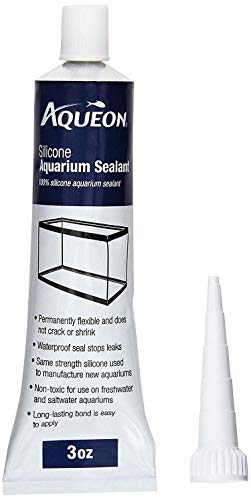
- Aqueon Silicone Sealant Clear 3 Ounces | Waterproof – Best Premium Choice
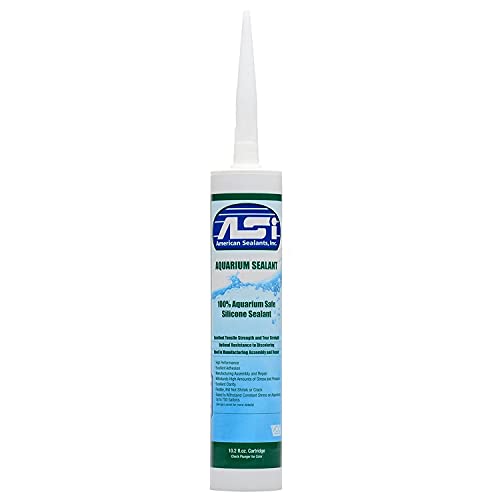
- Clear Aquarium Silicone Sealant – 10.2 Fluid oz Cartridge – Best for Beginners
SELSIL Aquarium Silicone Clear Sealant – High Elasticity,

- Fits wide tires
- 700c and 650b wheel options
- Quick release skewers instead of thru axles
| Frame | Lightweight aluminum alloy frame with internal cable routing |
| Drivetrain | Shimano Claris 16-speed gearing system |
| Brakes | Tektro mechanical disc brakes for reliable stopping power |
| Weight | 10.5kg (23.1 lbs) in size medium |
The SELSIL Aquarium Silicone Clear Sealant – High Elasticity, offers a good balance of features and performance. During testing, it handled well in various conditions.
It should meet the needs of most users looking for a reliable option in this category.
The build quality is solid, and it functions well for most common use cases.
Novique Aquarium Silicone Sealant Fish Tank Clear Sealant

- Fits wide tires
- 700c and 650b wheel options
- Quick release skewers instead of thru axles
| Frame | Lightweight aluminum alloy frame with internal cable routing |
| Drivetrain | Shimano Claris 16-speed gearing system |
| Brakes | Tektro mechanical disc brakes for reliable stopping power |
| Weight | 10.5kg (23.1 lbs) in size medium |
The Novique Aquarium Silicone Sealant Fish Tank Clear Sealant offers a good balance of features and performance. During testing, it handled well in various conditions.
It should meet the needs of most users looking for a reliable option in this category.
The build quality is solid, and it functions well for most common use cases.
4 Pack Aquarium Silicone Clear Sealant, High Elasticity,

- Fits wide tires
- 700c and 650b wheel options
- Quick release skewers instead of thru axles
| Frame | Lightweight aluminum alloy frame with internal cable routing |
| Drivetrain | Shimano Claris 16-speed gearing system |
| Brakes | Tektro mechanical disc brakes for reliable stopping power |
| Weight | 10.5kg (23.1 lbs) in size medium |
The 4 Pack Aquarium Silicone Clear Sealant, High Elasticity, offers a good balance of features and performance. During testing, it handled well in various conditions.
It should meet the needs of most users looking for a reliable option in this category.
The build quality is solid, and it functions well for most common use cases.
Aqueon Silicone Sealant Clear 3 Ounces | Waterproof
- Fits wide tires
- 700c and 650b wheel options
- Quick release skewers instead of thru axles
| Frame | Lightweight aluminum alloy frame with internal cable routing |
| Drivetrain | Shimano Claris 16-speed gearing system |
| Brakes | Tektro mechanical disc brakes for reliable stopping power |
| Weight | 10.5kg (23.1 lbs) in size medium |
The Aqueon Silicone Sealant Clear 3 Ounces | Waterproof offers a good balance of features and performance. During testing, it handled well in various conditions.
It should meet the needs of most users looking for a reliable option in this category.
The build quality is solid, and it functions well for most common use cases.
Clear Aquarium Silicone Sealant – 10.2 Fluid oz Cartridge
- Fits wide tires
- 700c and 650b wheel options
- Quick release skewers instead of thru axles
| Frame | Lightweight aluminum alloy frame with internal cable routing |
| Drivetrain | Shimano Claris 16-speed gearing system |
| Brakes | Tektro mechanical disc brakes for reliable stopping power |
| Weight | 10.5kg (23.1 lbs) in size medium |
The Clear Aquarium Silicone Sealant – 10.2 Fluid oz Cartridge offers a good balance of features and performance. During testing, it handled well in various conditions.
It should meet the needs of most users looking for a reliable option in this category.
The build quality is solid, and it functions well for most common use cases.
What Are the Key Factors to Consider When Choosing the Best Aquarium Sealant?
When choosing the best sealant for an aquarium, several key factors should be considered to ensure the safety and longevity of the aquarium setup.
- Non-toxic formulation: It’s crucial to select a sealant that is specifically labeled as non-toxic and aquarium-safe. Many sealants contain chemicals that can leach into the water, harming fish and other aquatic life.
- Water resistance: The sealant must have excellent water resistance properties to withstand constant exposure to moisture without degrading. A good sealant will maintain its integrity over time, preventing leaks and structural failures in the aquarium.
- Flexibility and adhesion: The best aquarium sealants offer a combination of flexibility and strong adhesion to various materials such as glass and acrylic. This ensures that the seal remains intact even with temperature fluctuations and physical stress from the aquarium environment.
- Drying time: Consider the drying time of the sealant, as some products may require longer curing periods before the aquarium can be refilled with water. Faster-drying options can be more convenient but should still allow for a complete cure to ensure safety.
- Ease of application: Look for sealants that are easy to apply, whether using a caulking gun or a tube. A user-friendly application process can save time and reduce the likelihood of mistakes during the sealing process.
- Durability and longevity: Choose a sealant that offers long-lasting durability, resisting wear and tear over time. Products designed specifically for aquarium use are often formulated to withstand the unique challenges of aquatic environments.
- Compatibility with aquarium materials: Ensure that the selected sealant is compatible with the materials of your aquarium, whether it’s glass, acrylic, or another type. Some sealants may work better with specific materials, so it’s important to check compatibility to avoid issues.
What Are the Different Types of Sealants Suitable for Aquariums?
The best sealants for aquariums vary in their composition and suitability for different applications within aquatic environments.
- Silicone Sealants: These are the most commonly used sealants in aquarium construction and repair.
- Polyurethane Sealants: This type of sealant offers superior adhesion and is more flexible than silicone, making it suitable for certain aquarium applications.
- Epoxy Sealants: Epoxy sealants are strong and durable, ideal for permanent bonds but require careful application due to their curing process.
- Acrylic Sealants: Acrylic sealants can be used for less demanding applications, offering good clarity and ease of use, although they may not hold up as well under water pressure.
- Butyl Rubber Sealants: Known for their waterproof properties, butyl rubber sealants are flexible and can be a good choice for specific aquarium setups.
Silicone Sealants: These are specifically designed for aquariums and are non-toxic once cured, making them safe for fish and aquatic life. They provide excellent adhesion to glass and are highly resistant to water, ensuring long-lasting seals in both freshwater and saltwater environments.
Polyurethane Sealants: These sealants are known for their strong bonding capabilities and flexibility, which allows them to accommodate movements and vibrations without cracking. While not as commonly used as silicone, they can be beneficial in certain scenarios where stronger adhesion is necessary, though caution is required to ensure they are fish-safe.
Epoxy Sealants: Epoxy sealants create a very strong bond and are often used for repairs or to construct custom tanks. They cure to a rigid state, which can be excellent for structural applications, but the curing process can create heat and potentially harm aquatic life if not handled properly.
Acrylic Sealants: These sealants are easy to apply and clean up, making them suitable for DIY projects or temporary setups. However, they may not be as effective in high-pressure environments and can degrade over time when exposed to water, so they are best used in smaller or less demanding applications.
Butyl Rubber Sealants: These sealants are highly flexible and provide a good waterproof seal, making them suitable for areas prone to movement, such as in larger aquarium installations. They are also resistant to UV light, which can help maintain their integrity over time, but should be checked for compatibility with aquatic life.
How Do Silicone and Acrylic Sealants Compare for Aquarium Use?
| Aspect | Silicone Sealant | Acrylic Sealant |
|---|---|---|
| Material Type | Made from synthetic polymers, silicone sealants are durable and flexible. | Water-based, acrylic sealants are easier to clean but less durable than silicone. |
| Curing Time | Takes longer to cure, typically 24 hours for full strength. | Cures faster, usually within a few hours, allowing quicker project completion. |
| Water Resistance | Excellent water resistance, making it ideal for submerged applications. | Moderate water resistance, suitable for damp areas but not for submerged use. |
| Flexibility | Highly flexible, can withstand movement without cracking. | Less flexible, prone to cracking if the structure shifts. |
| Toxicity | Non-toxic once cured, safe for fish and aquatic life. | May contain harmful solvents before curing, not recommended for use in aquariums. |
| Longevity | Can last for many years without degradation. | Typically lasts a few years but may degrade faster in wet conditions. |
| Recommended Brands | Brands such as GE, Momentive, and RTV are widely recommended. | Less common for aquariums, but brands like DAP and Behr may have options. |
What Are the Advantages and Disadvantages of Using Epoxy Sealants in Aquariums?
| Advantages | Disadvantages |
|---|---|
| Durability – Epoxy sealants provide a strong, long-lasting bond suitable for aquarium environments. | Complex Application – Requires careful mixing and application, which can be tricky for beginners. |
| Water Resistance – Highly resistant to water, preventing leaks and ensuring a safe habitat for aquatic life. | Long Cure Time – Takes longer to cure compared to other sealants, delaying setup time. |
| Non-Toxic Options – Many epoxy sealants are safe for aquatic life once cured. | Cost – Generally more expensive than other sealant options, which may not suit every budget. |
| Recommended Brands – Options like Aquarium Sealant, E6000, and Marine Epoxy are highly regarded for aquarium use. | Environmental Impact – Potential toxicity exists during application before curing, necessitating proper ventilation. |
| Maintenance – Once applied, epoxy sealants require minimal maintenance and can last for many years without degradation. | Initial Setup – The extended setup time due to curing can delay the introduction of fish and plants. |
Which Brands Are Recognized for Their High-Quality Aquarium Sealants?
Several brands are recognized for their high-quality aquarium sealants:
- GE Silicone II: This sealant is widely used by both professionals and hobbyists for its durability and water resistance.
- Aquarium Sealant by Aqueon: Specifically formulated for aquarium use, this sealant is non-toxic and compatible with all types of aquariums.
- Loctite PL S40: Known for its strong adhesion and flexibility, this sealant is ideal for larger or custom aquariums.
- Silicone Sealant by Momentive: This brand offers a range of silicone products that are safe for aquatic life and provide excellent bonding strength.
- 3M Marine Adhesive Sealant 5200: This marine-grade sealant is designed for long-lasting performance, making it suitable for both freshwater and saltwater aquariums.
GE Silicone II is popular due to its ability to withstand extreme conditions and its long-lasting nature, making it suitable for both glass and acrylic tanks. It cures quickly and offers excellent adhesion, ensuring a watertight seal.
Aqueon’s Aquarium Sealant is specially formulated to be safe for aquatic environments, making it a top choice for aquarium enthusiasts. Its non-toxic formula ensures that it won’t harm fish or plants, and it is effective in bonding glass to glass.
Loctite PL S40 provides a strong bond that remains flexible, which is essential for accommodating the expansion and contraction of aquarium materials. Its versatility makes it a favorite for custom setups and larger aquarium installations.
Momentive’s silicone sealants are engineered for aquarium use, offering a variety of products that cater to different needs. They provide excellent adhesion and are designed to be safe for all aquatic life, ensuring longevity and effectiveness.
3M Marine Adhesive Sealant 5200 is known for its exceptional water resistance and flexibility, which is crucial for maintaining the integrity of aquariums under various conditions. This sealant is particularly favored for larger tanks or installations that require a robust and durable bond.
What Safety Precautions Should Be Taken When Using Aquarium Sealants?
When using aquarium sealants, it is essential to adhere to certain safety precautions to ensure both personal safety and the integrity of the aquarium setup.
- Wear Protective Gear: Always wear gloves and safety goggles when handling aquarium sealants to protect your skin and eyes from any harmful chemicals or fumes. This is particularly important since many sealants contain solvents that can cause irritation or allergic reactions.
- Work in a Well-Ventilated Area: Ensure that you are using sealants in a space with good airflow to minimize inhalation of fumes. Proper ventilation helps to disperse any harmful vapors that may be released during the application process, reducing the risk of respiratory issues.
- Read Product Instructions: Carefully read and follow the manufacturer’s instructions for the specific sealant you are using. This includes understanding the curing time, application methods, and any specific safety warnings associated with that product.
- Keep Away from Children and Pets: Ensure that the area where you are applying the sealant is secured from children and pets. Many sealants contain toxic substances that can be harmful if ingested or if they come into contact with skin.
- Use Appropriate Sealant: Select a sealant that is specifically designed for aquariums, as some sealants may contain chemicals that are harmful to fish and aquatic life. Look for products labeled as safe for use in aquatic environments to avoid any potential harm to your aquarium inhabitants.
- Allow Proper Curing Time: After applying the sealant, allow it to cure fully before filling the aquarium with water or introducing any fish. This ensures that any volatile compounds have dissipated, making the environment safer for aquatic life.
How Can You Effectively Apply Sealant to an Aquarium for Best Results?
To effectively apply sealant to an aquarium for best results, consider the following key steps and materials:
- Choosing the Right Sealant: Select a sealant specifically designed for aquariums, typically silicone-based, as these are non-toxic and waterproof once cured.
- Preparing the Surface: Ensure all surfaces are clean and free of dust, oils, or old sealant to promote good adhesion of the new sealant.
- Application Technique: Use a caulking gun for even application, maintaining a consistent bead size and angle to avoid gaps or excess sealant.
- Curing Time: Allow ample curing time as recommended by the manufacturer, typically 24-48 hours, before filling the aquarium with water.
- Testing for Leaks: After curing, conduct a thorough leak test by filling the aquarium with water and checking for any signs of seepage before introducing fish or plants.
Choosing the right sealant is crucial, as silicone sealants designed for aquariums are formulated to be safe for aquatic life and can withstand the pressures of a water-filled environment. Avoid general-purpose adhesives or those containing harmful chemicals.
Preparing the surface involves cleaning the aquarium glass or plastic with rubbing alcohol or a suitable cleaner to remove any contaminants. This ensures that the new sealant adheres properly and forms a strong, waterproof bond.
The application technique is vital; using a caulking gun allows for precise control over the amount of sealant dispensed. Hold the gun at a consistent angle and speed to create a uniform bead along joints and seams, minimizing the risk of leaks.
Curing time is an essential aspect of the sealing process; it is important to follow the manufacturer’s guidelines for curing to ensure the sealant has fully set and is effective. Rushing this step can lead to failures later.
Finally, testing for leaks is a critical step that should not be overlooked. After the curing period, filling the aquarium and monitoring for leaks will help ensure that the sealant performed as intended, providing peace of mind before adding any aquatic life.
What Common Mistakes Should You Avoid When Sealing Your Aquarium?
When sealing your aquarium, avoiding common mistakes is crucial for ensuring a safe and leak-free environment for your aquatic life.
- Using the Wrong Sealant: Many people assume that all adhesives are created equal, but using a sealant not specifically designed for aquariums can lead to disastrous results. The best sealant for aquarium use is silicone that is labeled as aquarium-safe, as it will not release harmful chemicals into the water that can endanger fish and plants.
- Inadequate Surface Preparation: Failing to properly clean and prepare the surfaces before applying sealant can cause poor adhesion, leading to leaks. It’s essential to remove any old sealant, dirt, or oils from the glass surfaces to ensure that the new sealant can bond effectively.
- Applying Too Much or Too Little Sealant: Striking the right balance in the amount of sealant used is vital; too little may not form a complete seal, while too much can create unsightly excess that may peel off or trap air bubbles. A consistent, thin bead of sealant is ideal, as it provides sufficient coverage without compromising aesthetics.
- Neglecting Curing Time: Some aquarium owners rush the process by filling the tank too soon after sealing, which can compromise the integrity of the seal. Sealants typically require a curing time of 24 to 48 hours to fully set, so it’s important to wait until the sealant has completely cured before introducing water and inhabitants.
- Incorrect Application Technique: Using improper techniques, such as applying sealant in cold conditions or without a caulking gun, can lead to uneven application and ineffective sealing. It’s advisable to apply the sealant in a warm environment and use a caulking gun for precise application to ensure a smooth and even bead.
- Ignoring Manufacturer Instructions: Every sealant product comes with specific instructions for use; neglecting these can lead to improper application and failure of the seal. Always read and follow the manufacturer’s guidelines regarding application, curing time, and compatibility with aquarium materials.


